

As we continue our explorations how Gemini Deep Research could be used by museum curators to craft narratives around specific themes in their collections, last week we examined how Deep Research could prepare richly detailed historical briefings around the Collection's Americana archives. Let's repeat this process, this time asking Deep Research to prepare a proposed exhibition narrative and framing around our foundational collection of landmark Estonian historical milestones. For each item in the collection, we've asked Gemini Deep Research to prepare a literature review and historical backgrounder – all results below are machine-generated so may contain errors, but overall offer strong backgrounds to each piece, demonstrating once again the power of Gemini and especially Gemini Deep Research for collection curation.
The Overarching Narrative
Let's first ask Gemini to write an overarching historical narrative that weaves all of these individual artifacts into a single cohesive historical narrative of Estonia's founding and evolution that would help an exhibit curator think about how to display and contextualize the items as a single unified story:
Now let's dive in the collection item-by-item in chronological order, with photographs of each.
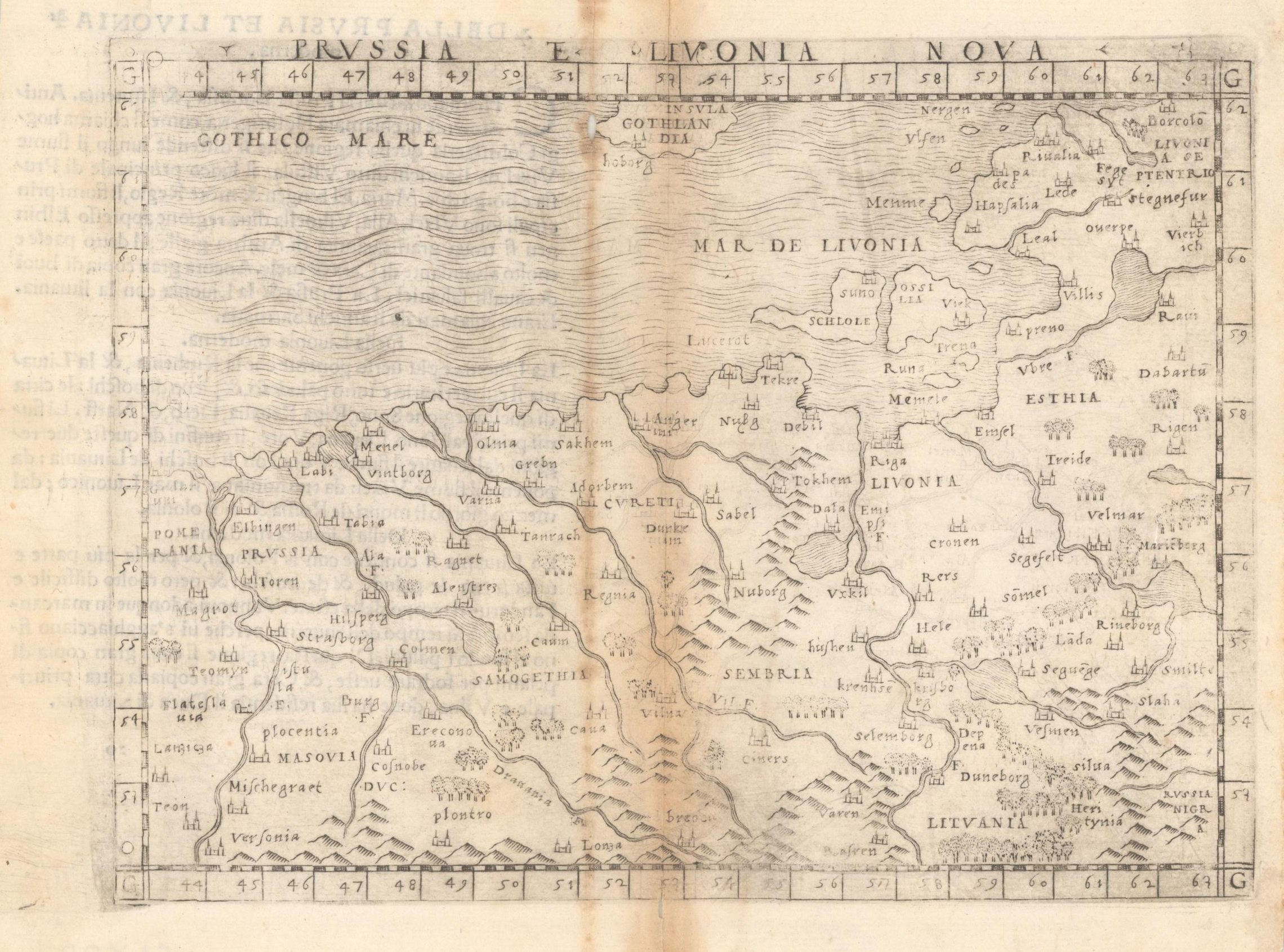
One of the earliest obtainable detailed maps of Estonia, Giacomo Gastaldi's 1548 map from La Geografia di Cladio Ptolemeo Alessandrino
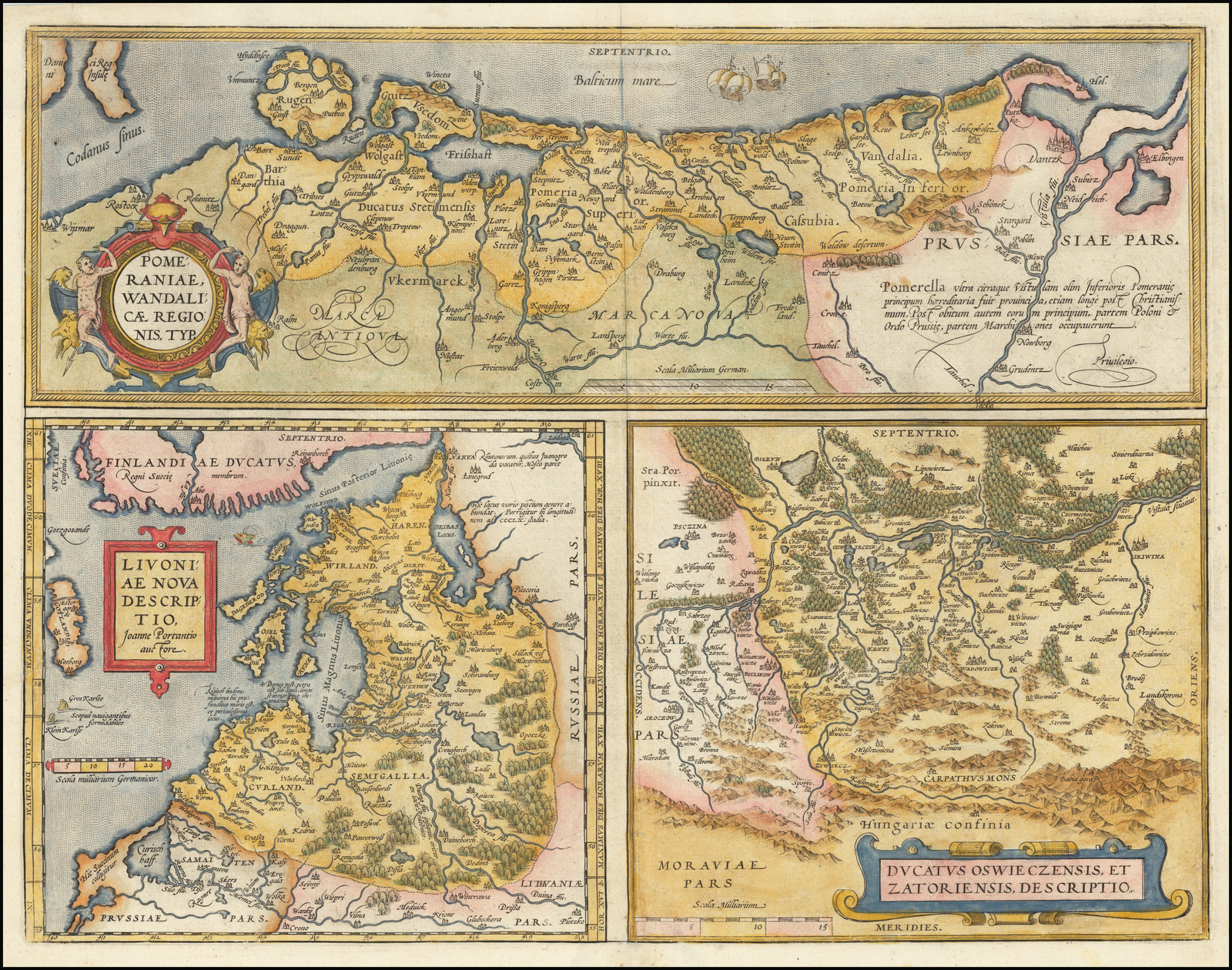
Johannes Portantius's 1573 map of Livonia (lower left of the trimap) from the 1584 printing of Abraham Ortelius's Theatrum Orbis Terrarum, recognized as the very first detailed custom map created of Estonia
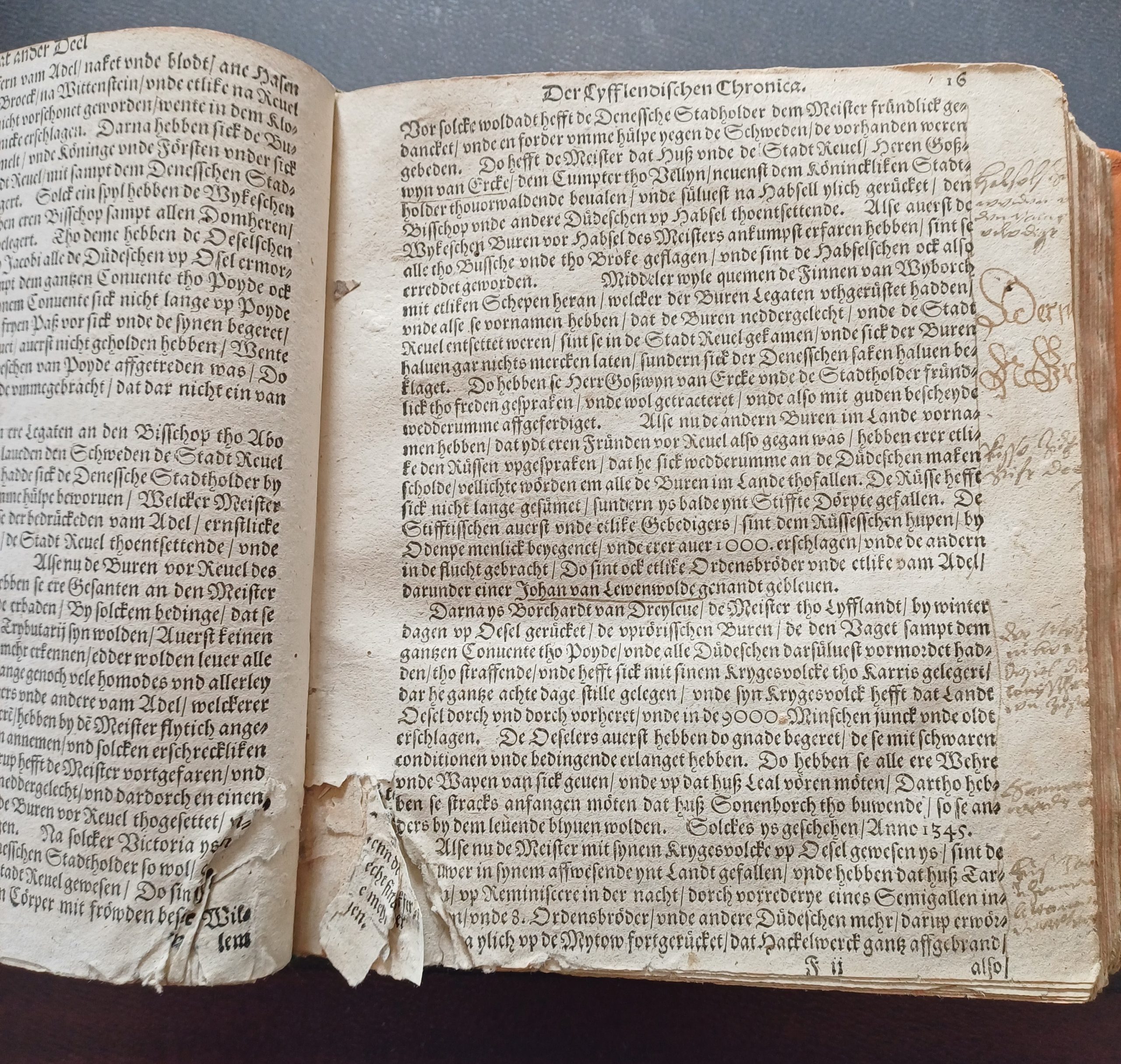
1584 first expanded edition of Balthasar Rüssow’s "Der Lyffländischen Chronica" (the Livonian Chronicles), known as the first printed history of Estonia
An exceptionally rare 1607 gilded Mercator map of Estonia, believed to be a royal presentation edition
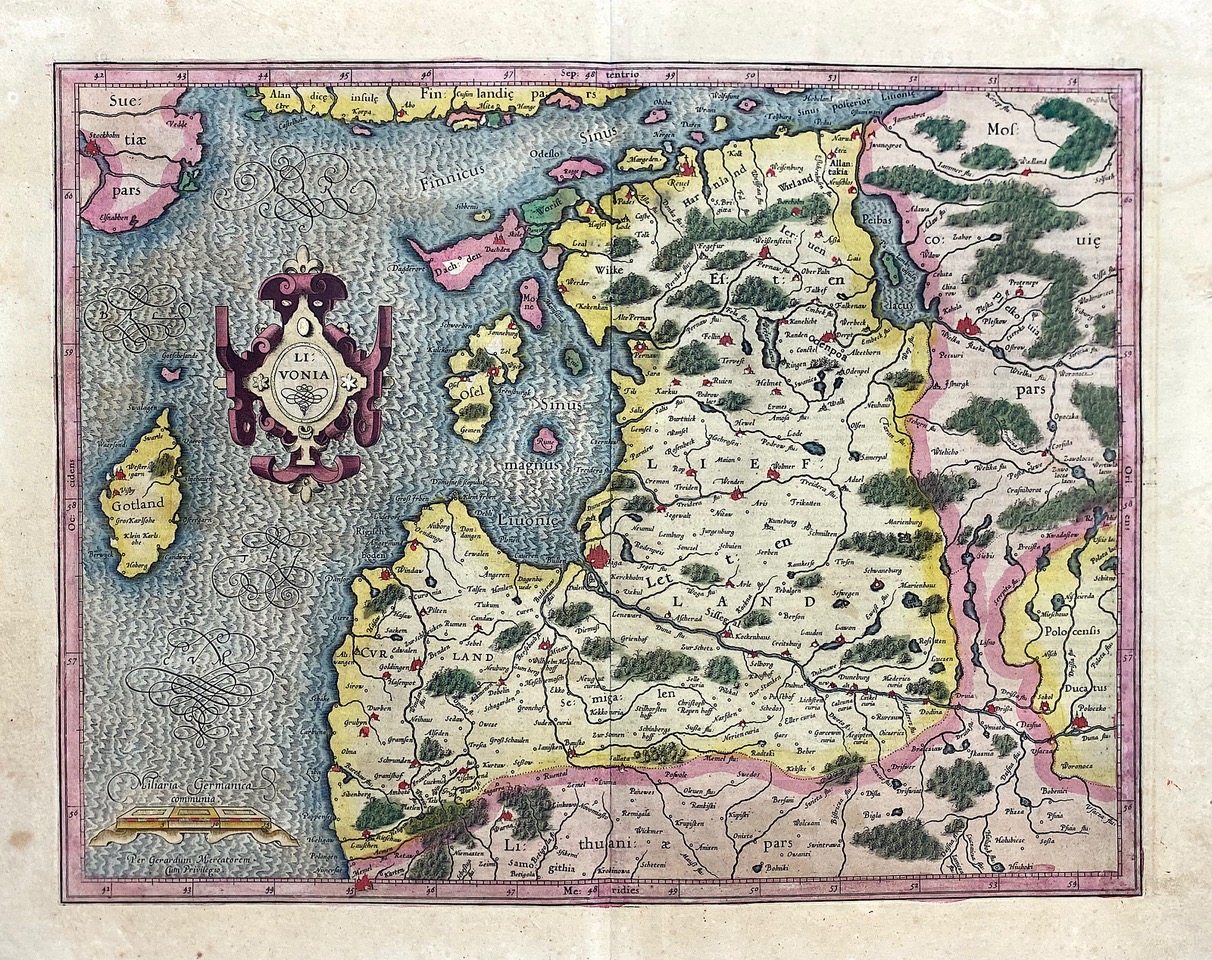
- The 1607 Gilded Mercator Map of Livonia: Cartography, Royal Patronage, and the Making of Early Modern Estonia
- Gemini Pro Analysis Of The Coloring
- Gemini Deep Research: The Material and Cartographic Analysis of an Illuminated 1607 Mercator-Hondius Map of Livonia
- Gemini Deep Research: The Gilded Meridian: A Comprehensive History and Analysis of Illuminated Mercator Maps (History of Gilded Mercator Maps)
- Gemini Deep Research: The Gilded Meridian: A Comprehensive History, Context, and Material Science of Illuminated Cartography (History of Gilded Maps In General)
1646 – Johannes Janssonius's Nova Totius Livoniae Accurata Descriptio
Map in the first state, "State I, Van der Krogt 1710:1B.1".
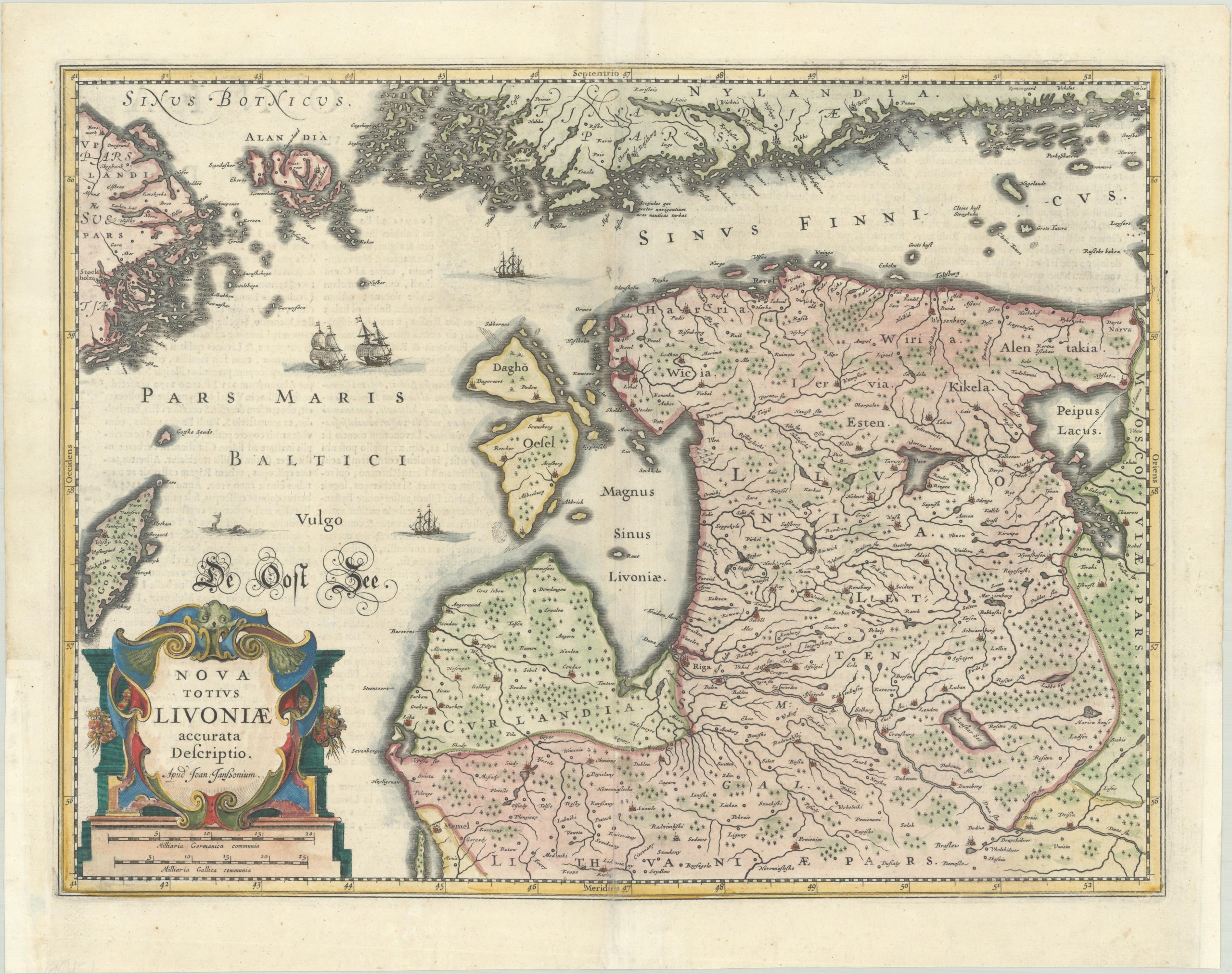
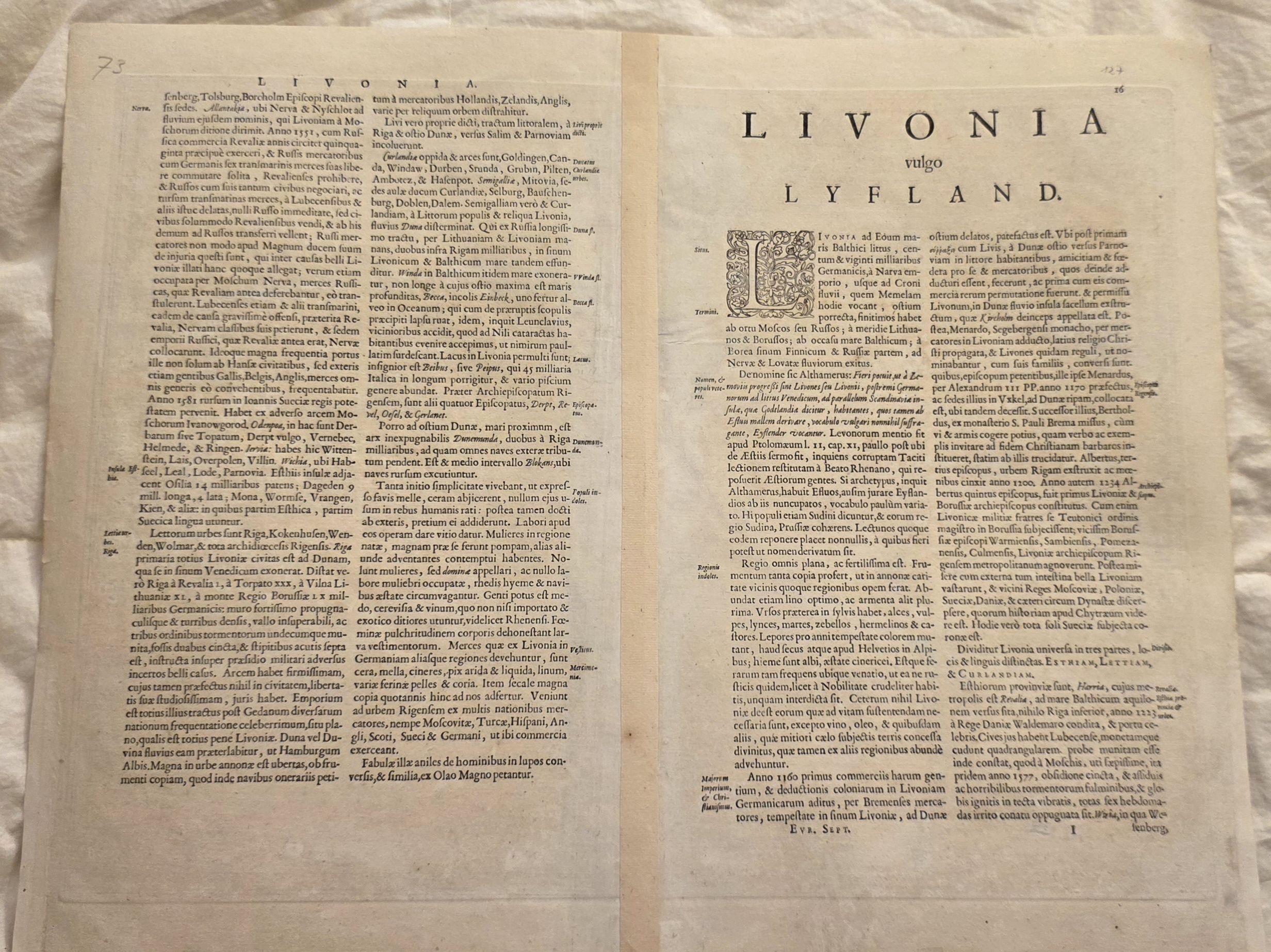
- Cartographic Echoes of the Baltic: A Historical and Geopolitical Analysis of Nova Totius Livoniae Accurata Descriptio
- Translation Of Verso Textual Description Of Livonia.
A nearly flawless 1739 Estonian Bible, the first complete bible translation in Estonian and one of the oldest surviving books written in the Estonian language
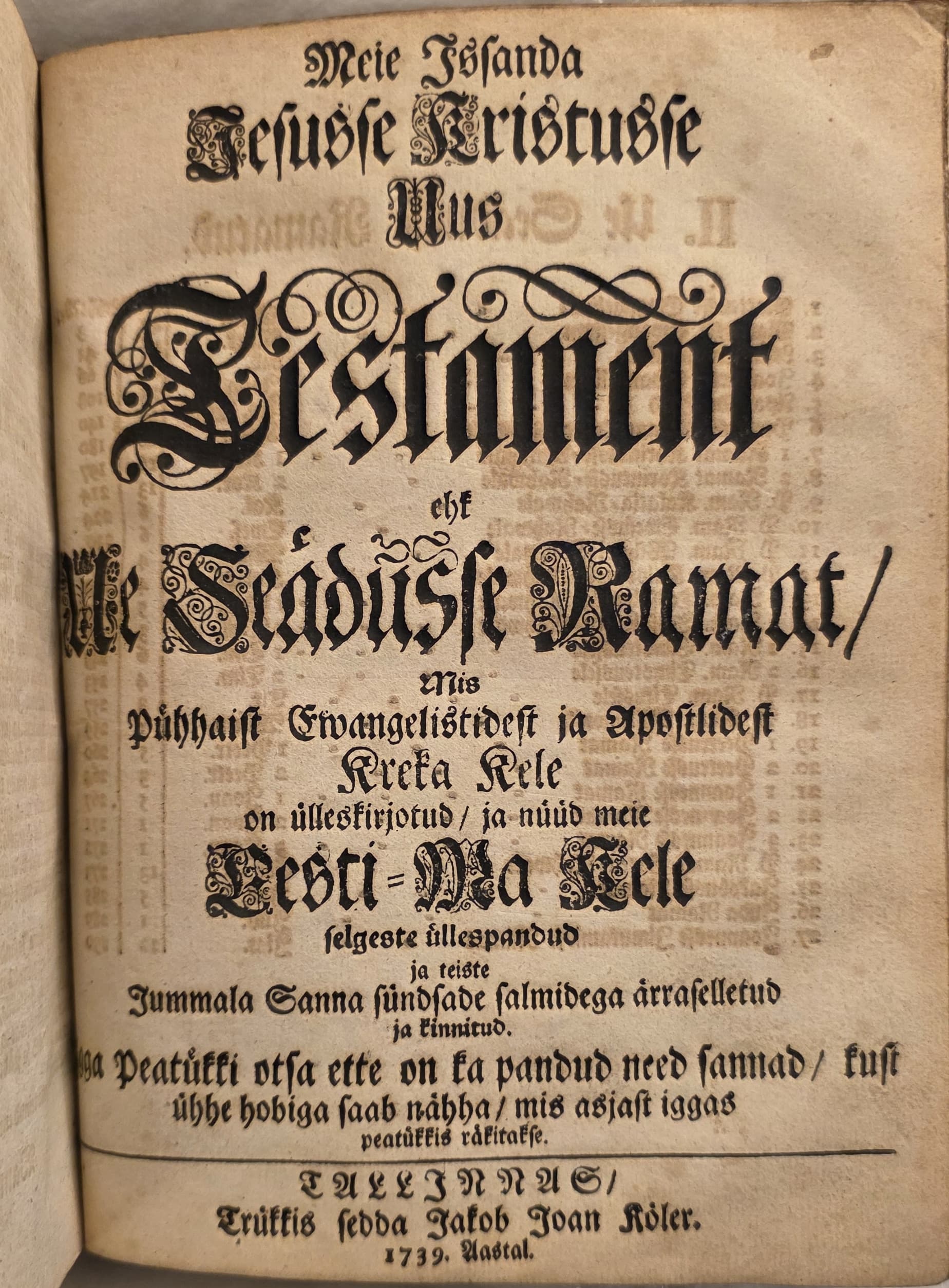
Arndt & Gruber's 1747 Der Liefländischen Chronik, which became the definitive entrance point to Johann Daniel Gruber's editio princeps of The Chronicle of Henry manuscript, the oldest recorded history of Estonia
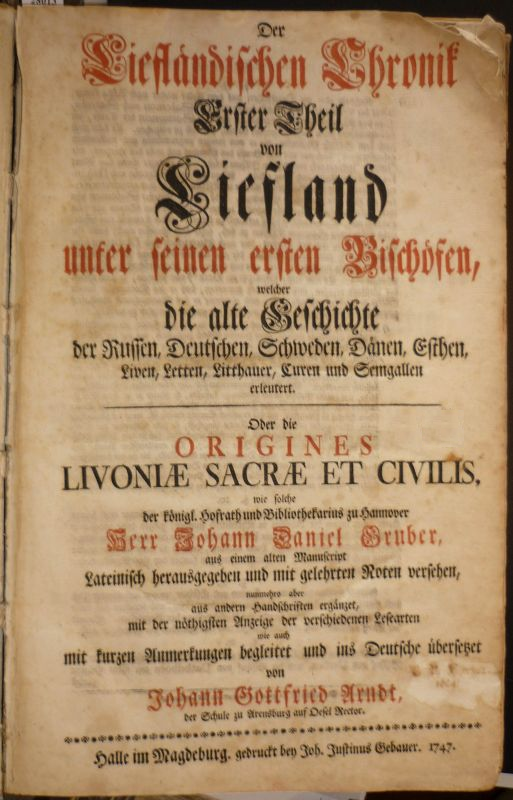
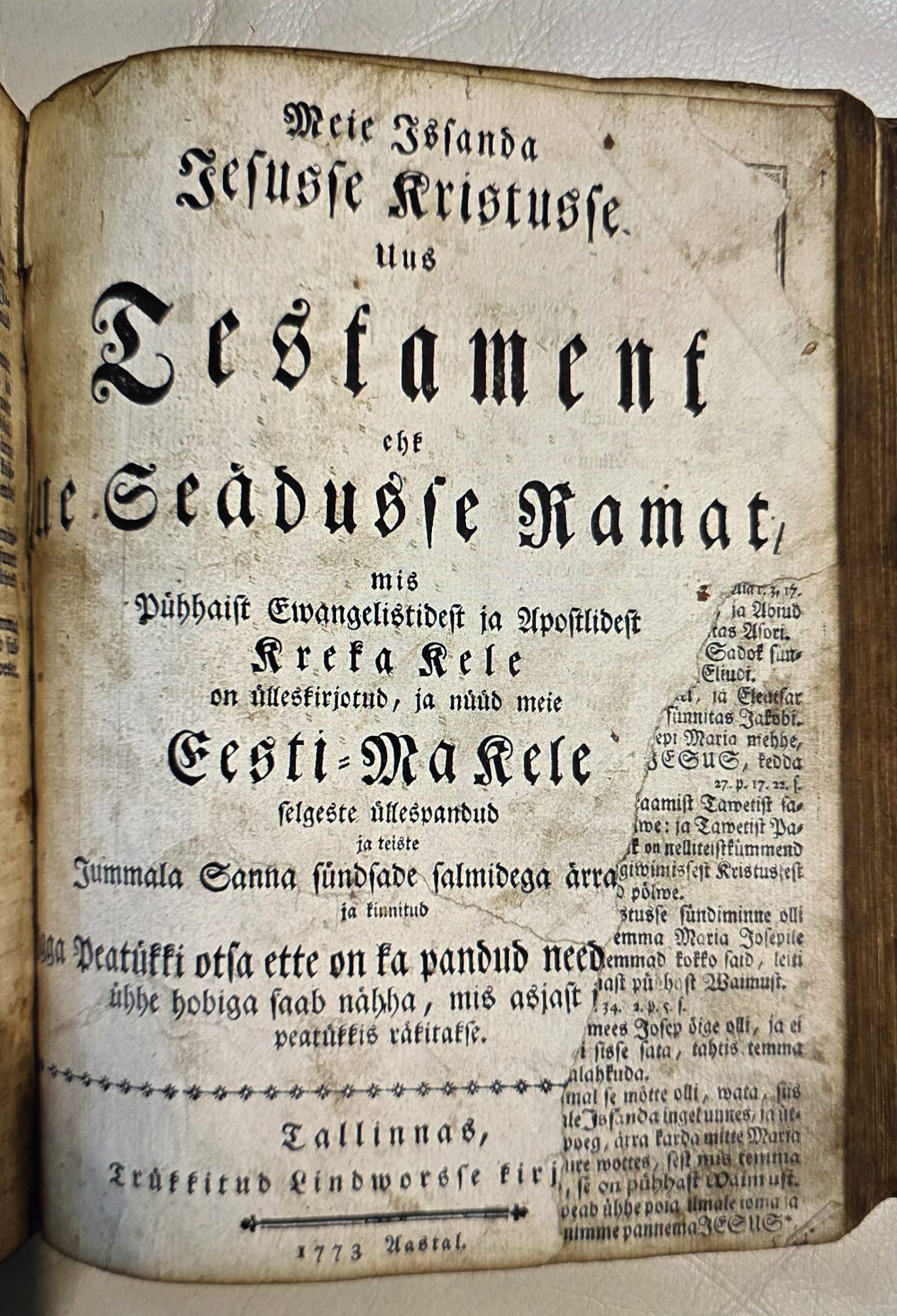
A 1773 Second Edition of the Estonian Bible
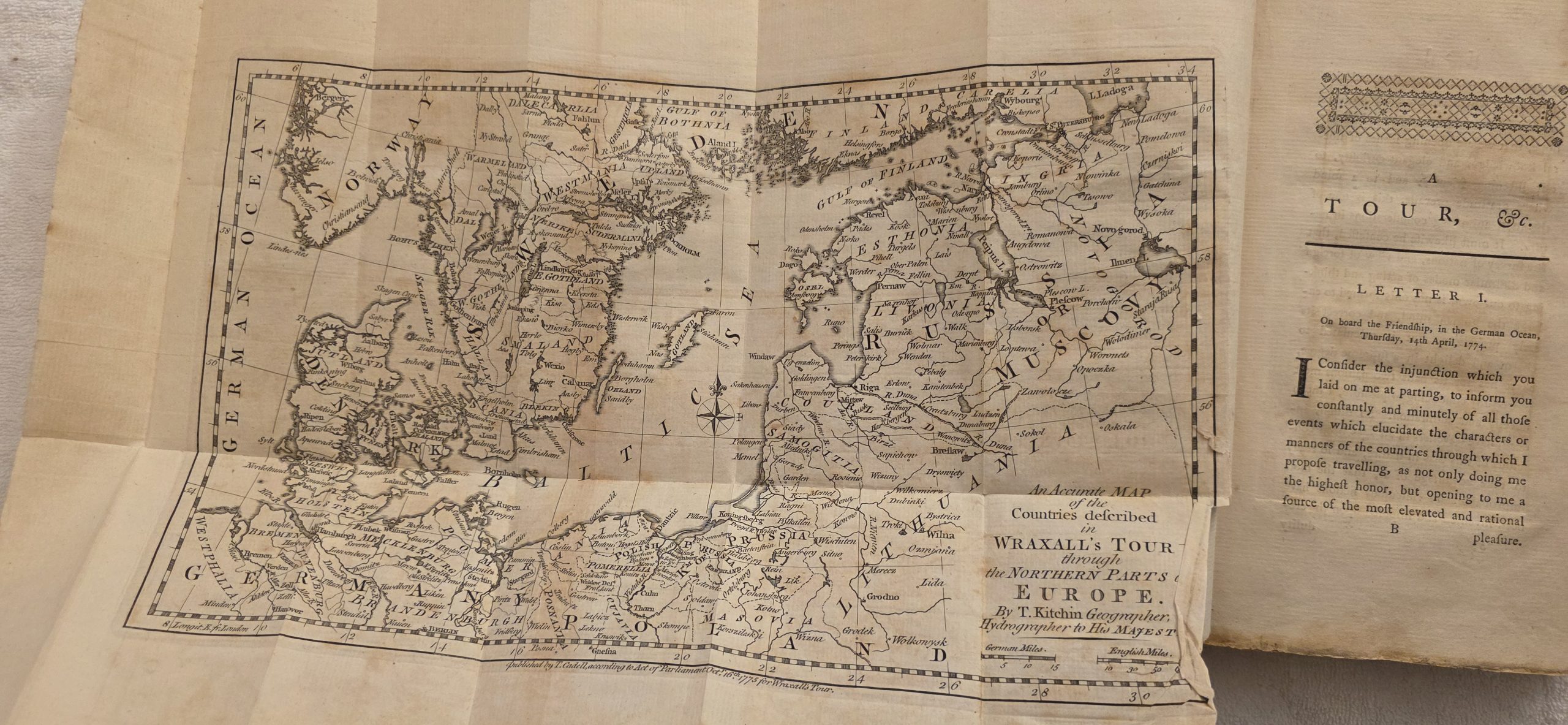
A 1776 copy of Nathaniel Wraxall's Tour Through Some of The Northern Parts of Europe
A 1777 copy of Topographische Nachrichten Von Lief – Und Ehstland Vol. II
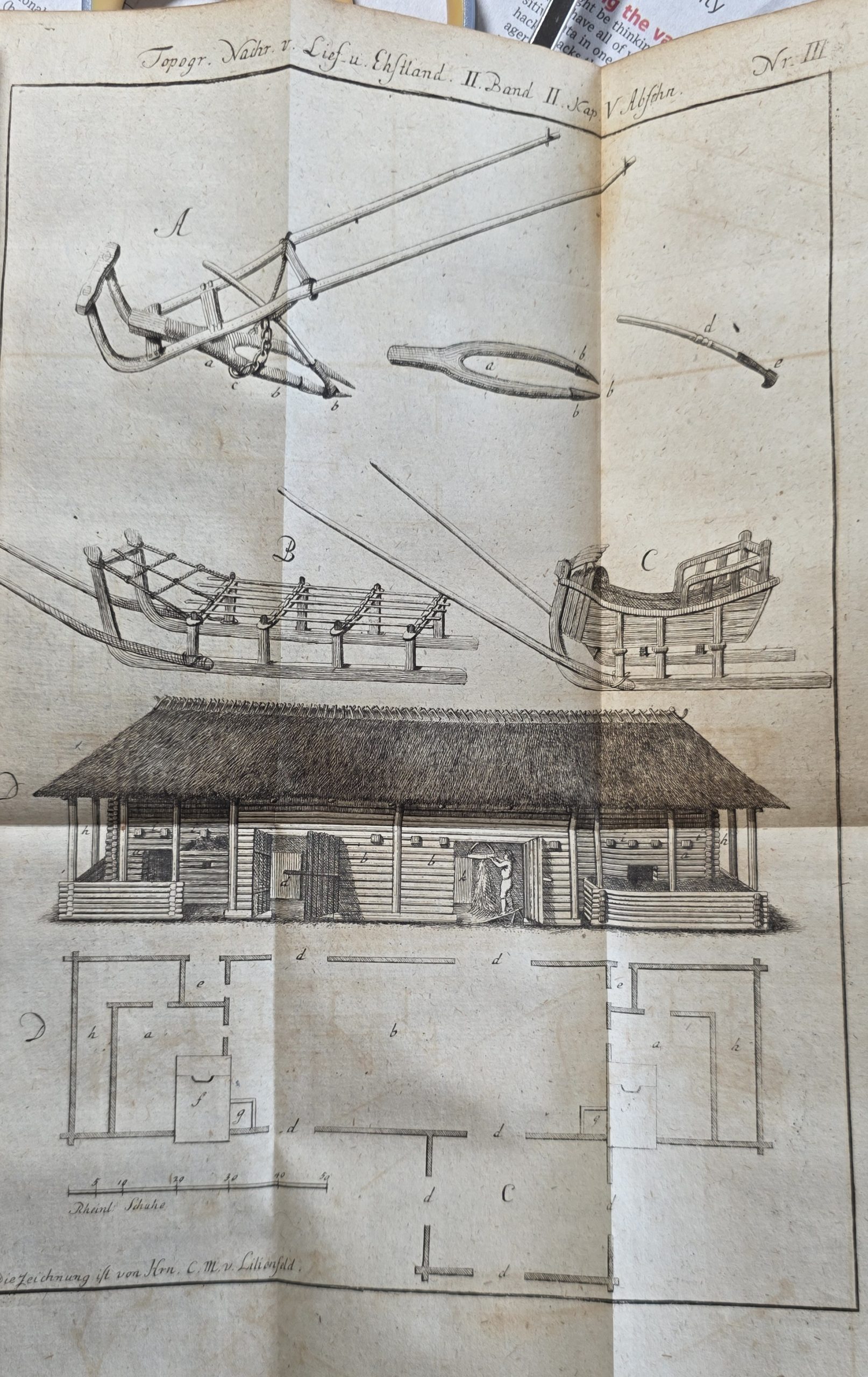
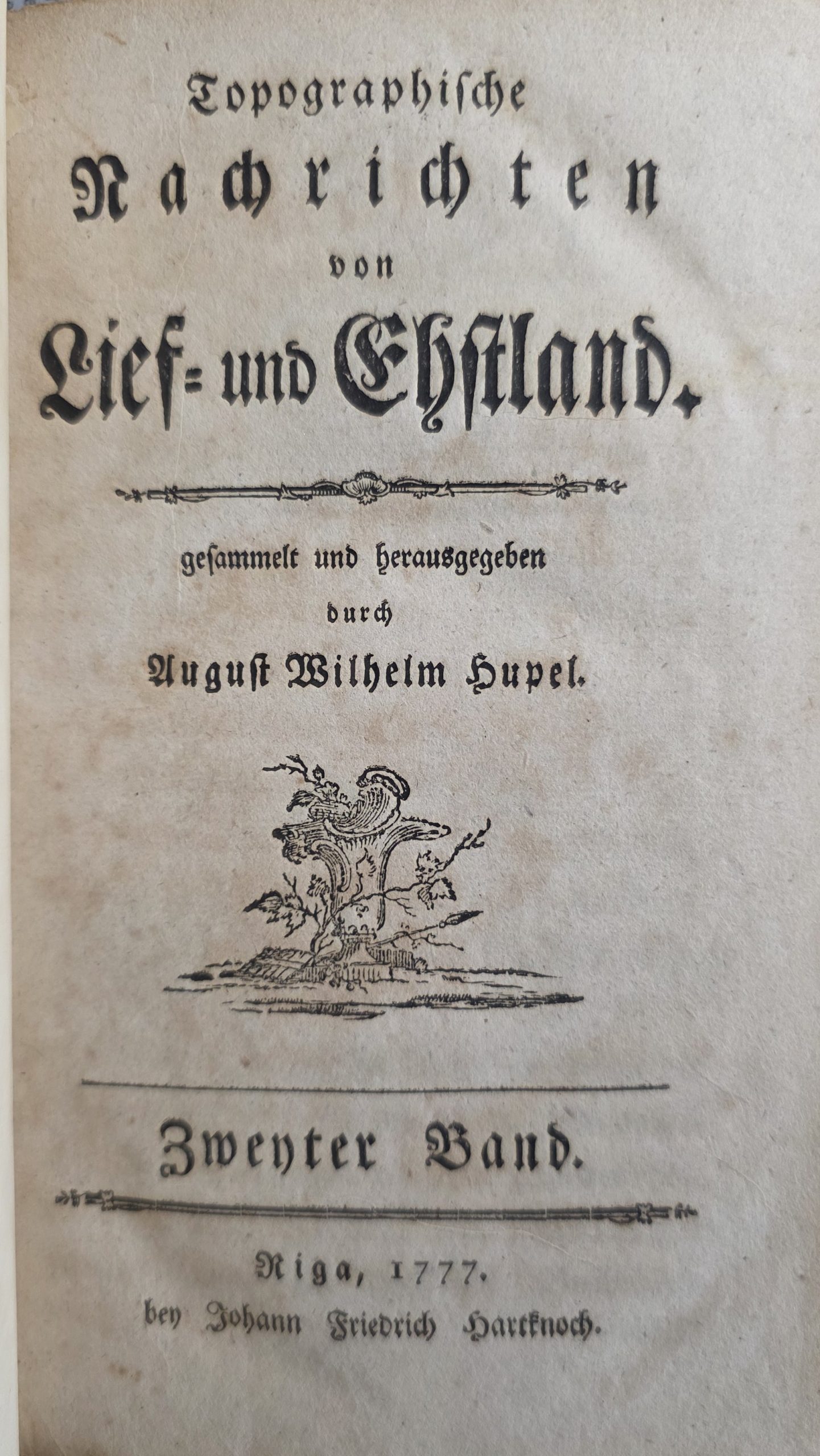
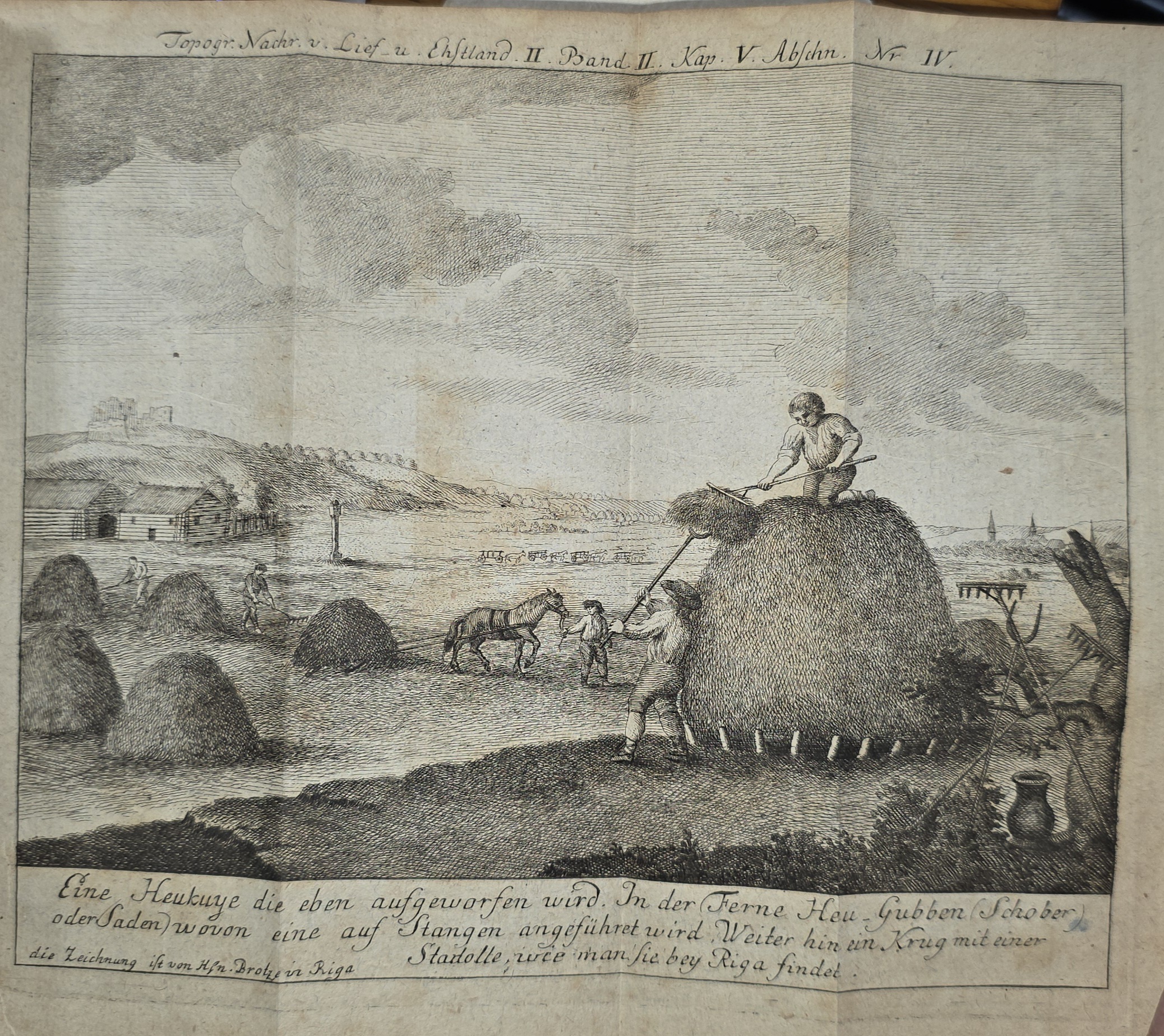
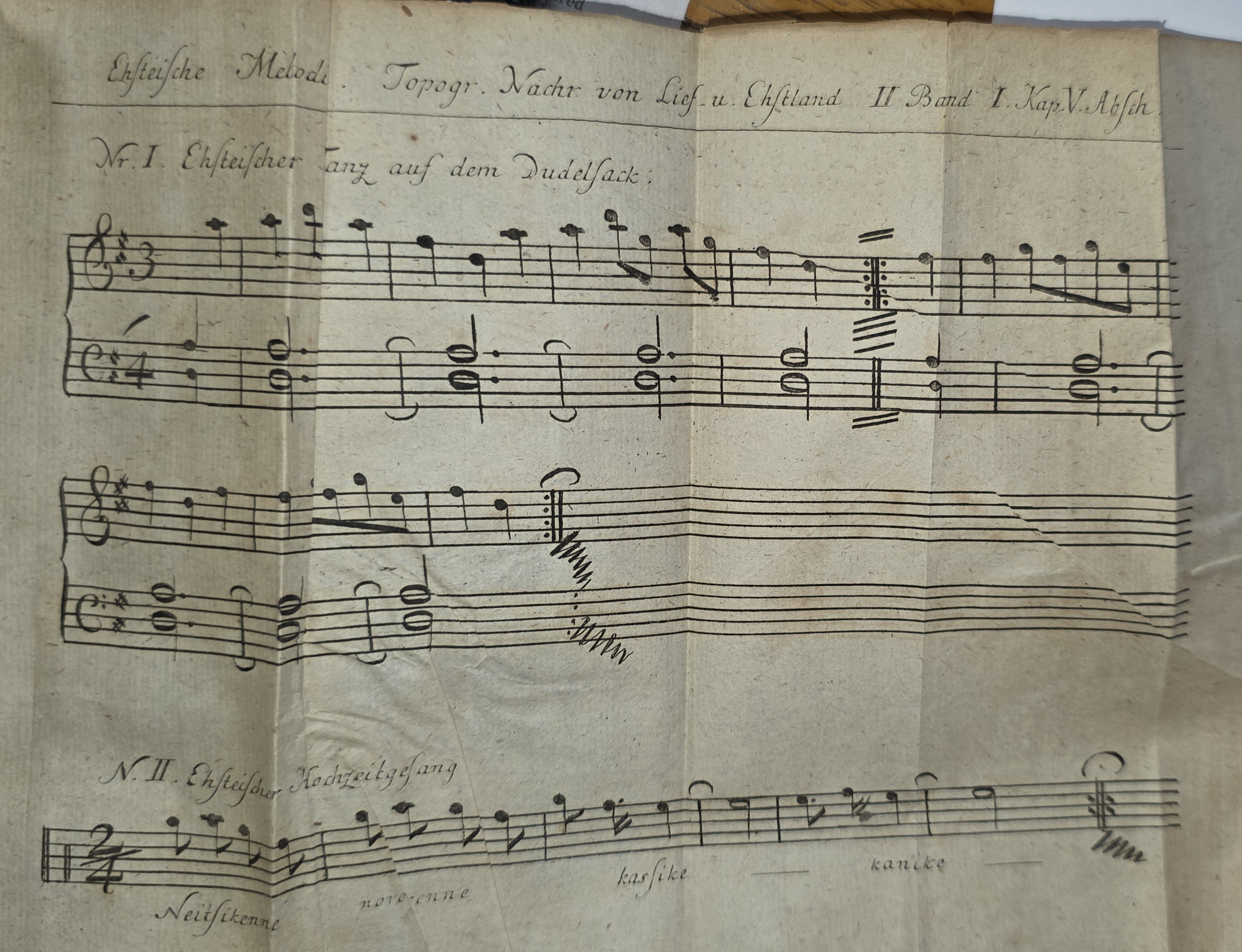
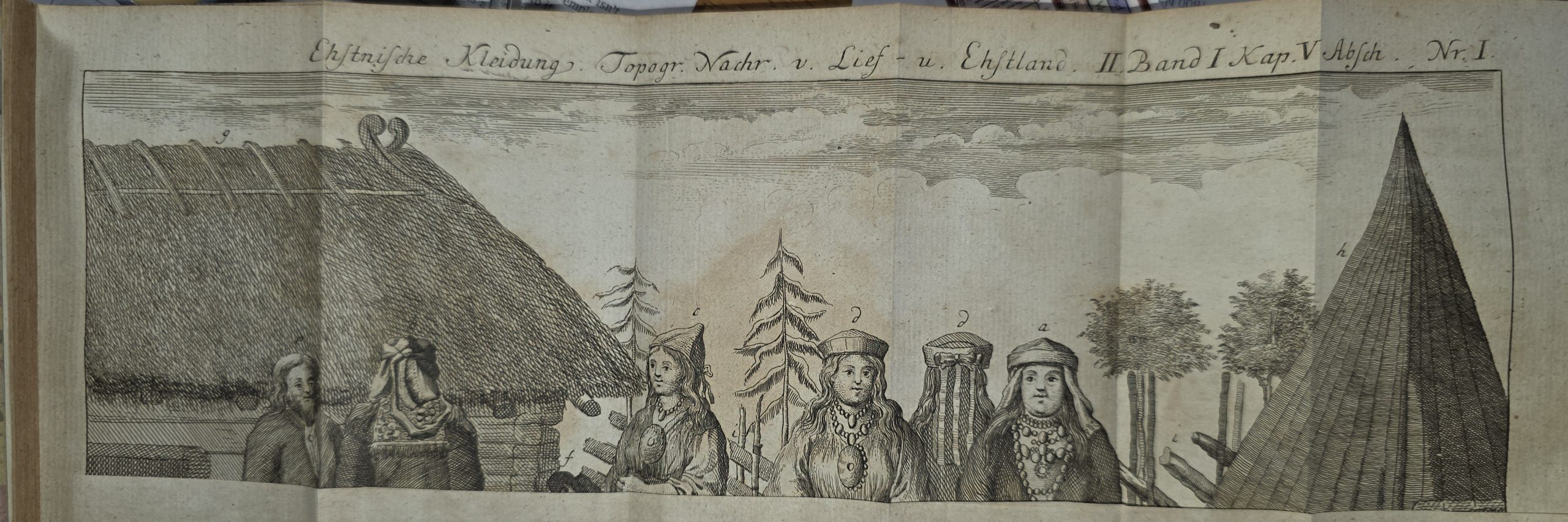
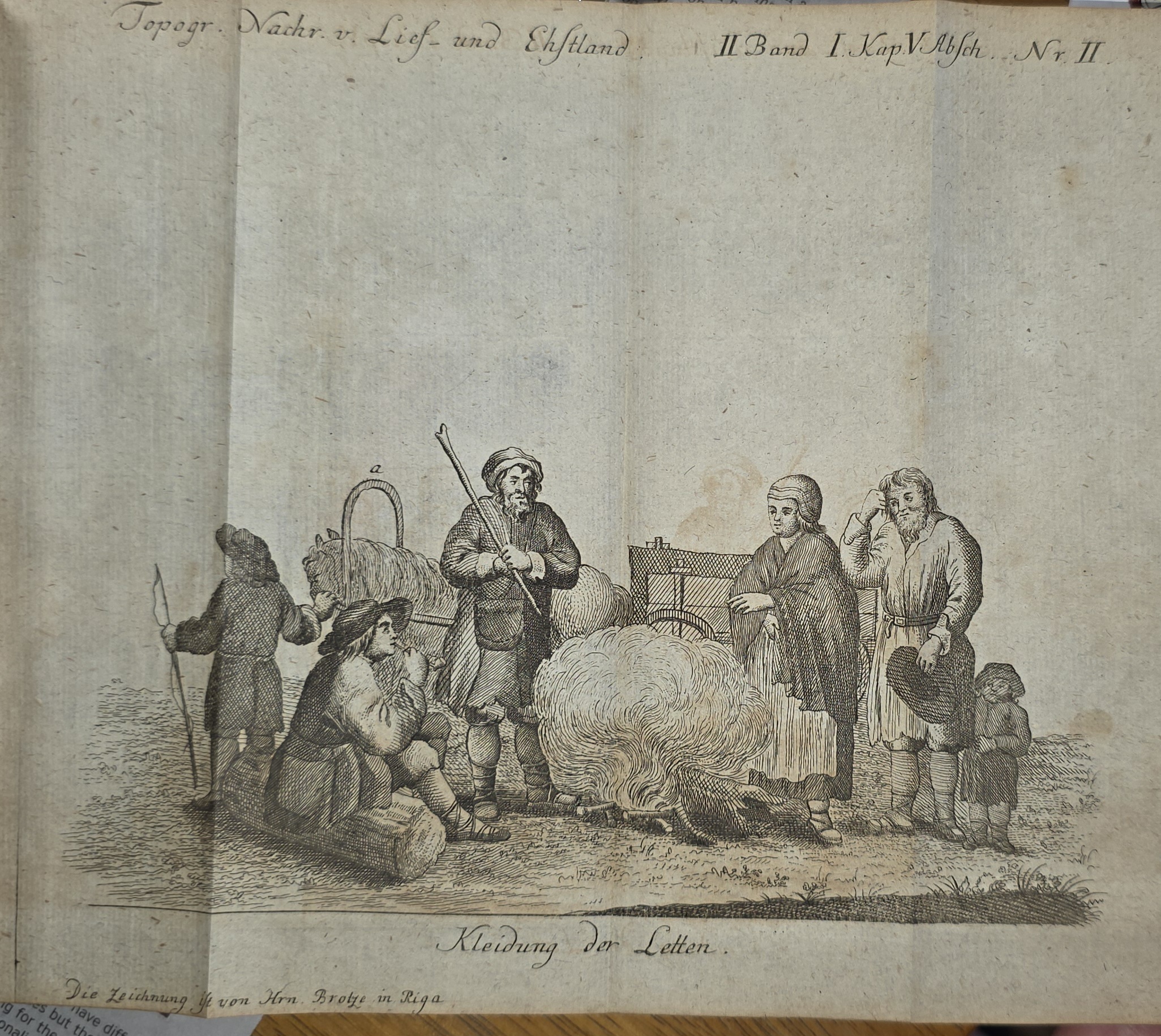
The collection currently holds only Volume II. How is this volume situated in the full series?
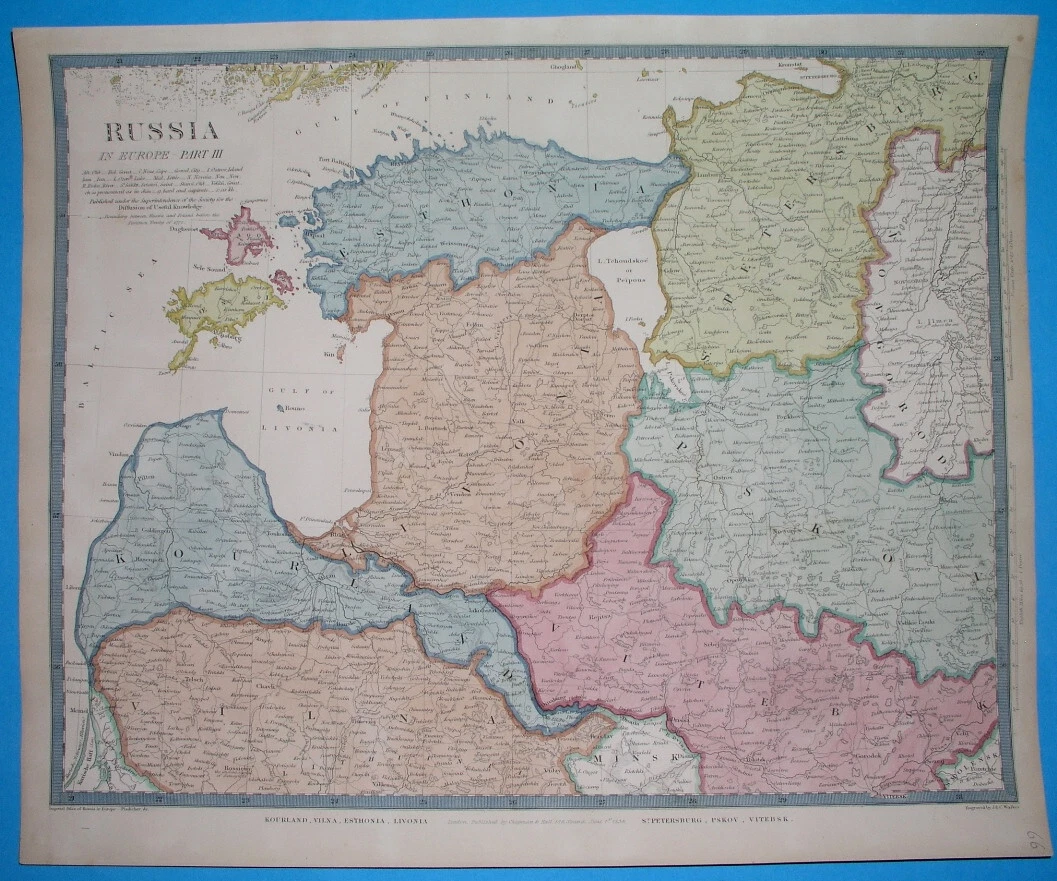
One of the more profusely hand colored maps from 1834 by J & C Walker based on cartographic data from Vasilii Petrovich Piadyshev's Imperial Atlas of Russia in Europe
Landrath Wrangell s Chronik von Ehstland nebst angehängten Ehstländischen Capitulations Punkten und Nystädter Friedensschluss (1845)
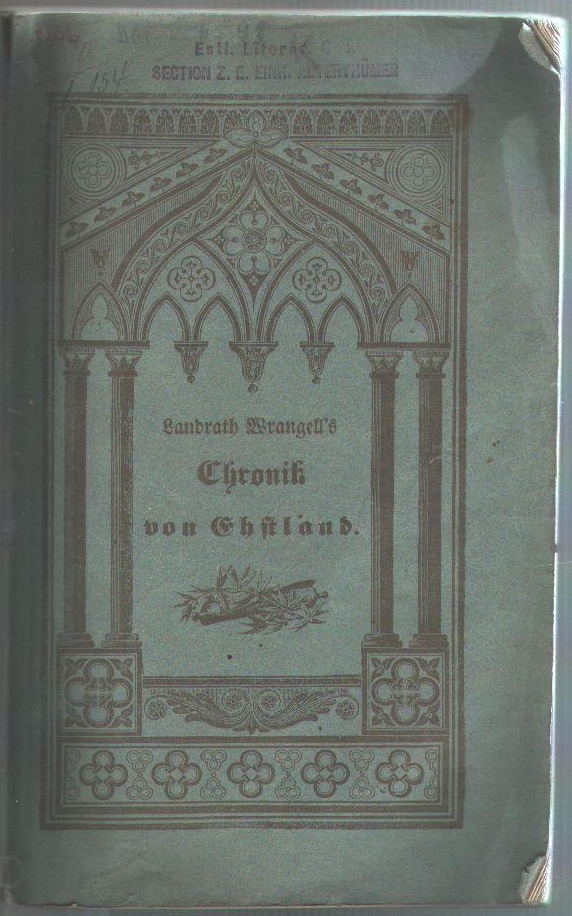
- The Historical Anatomy of Wrangell's Chronik von Ehstland: Provenance, Historiography, and Baltic Significance
- This copy is actually quite remarkable in that this specific copy was actually once part of the Estonian Literary Society's own collection (the organization that organized and printed the book) and bears the bookstamp "Estl. Literär. Ges. SECTION Z. E. EINH. ALTERTHÜMER" (Estonian Literary Society / Section for the Exploration of Domestic Antiquities) and upon that group's dissolution in 1940, was eventually accessioned into the Central Library of the Academy of Sciences of the Estonian Soviet Socialist Republic and bears the bookstamp "ENSV Teaduste Akadeemia Keskraamatukogu". The volume was then deaccessioned and sold before Tallinn University Academic Library acquired the remainder of the Academy's holdings. (More Details)
An 1853 copy of Scriptores rerum Livonicarum Volume 1
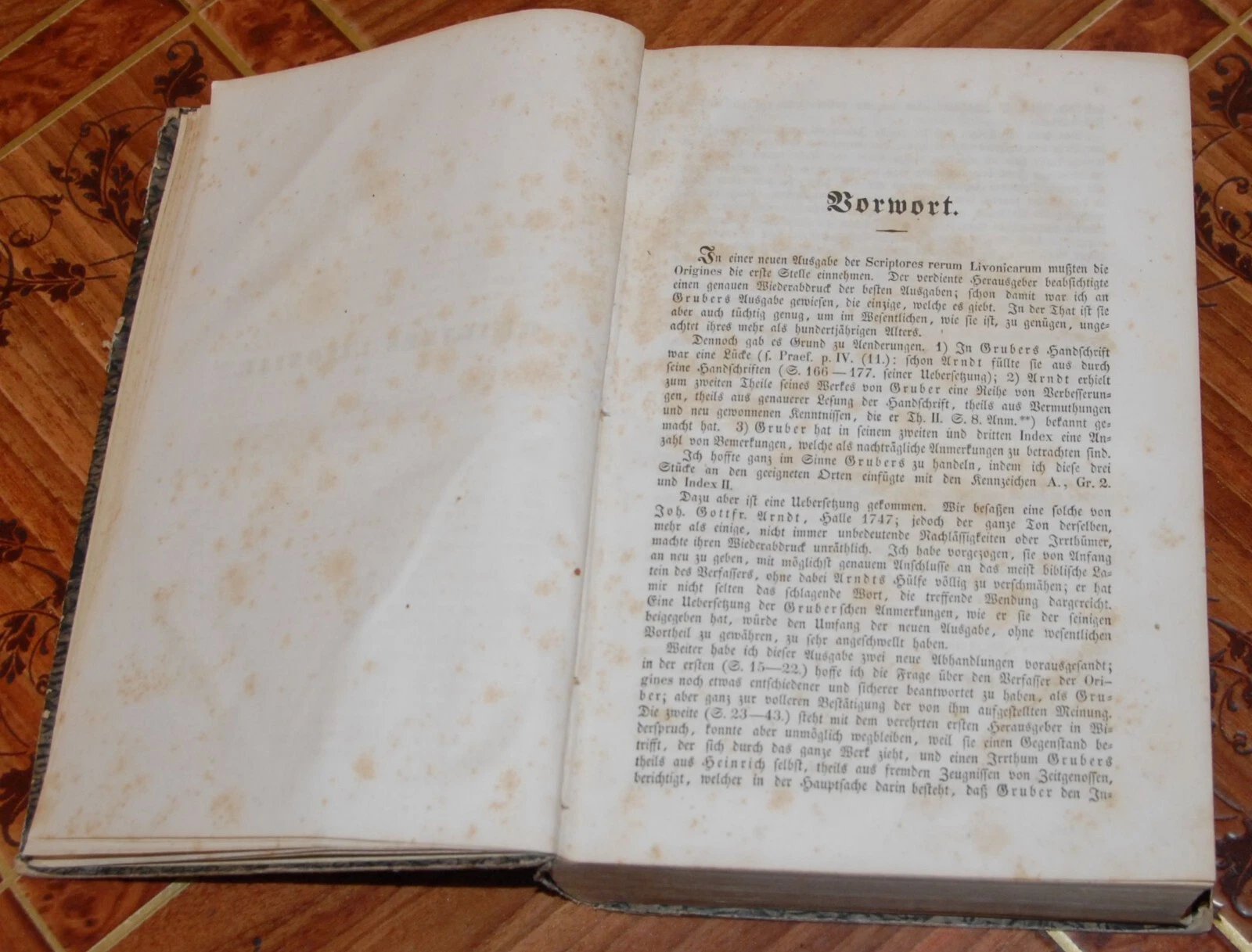
- The Genesis of Baltic Historiography: A Comprehensive Analysis of the 1853 Edition of Scriptores rerum Livonicarum (Volume 1)
- Comprehensive Historiographical Analysis of the Scriptores rerum Livonicarum: Structure, Contents, and the Evolution of the Estonian Paradigm
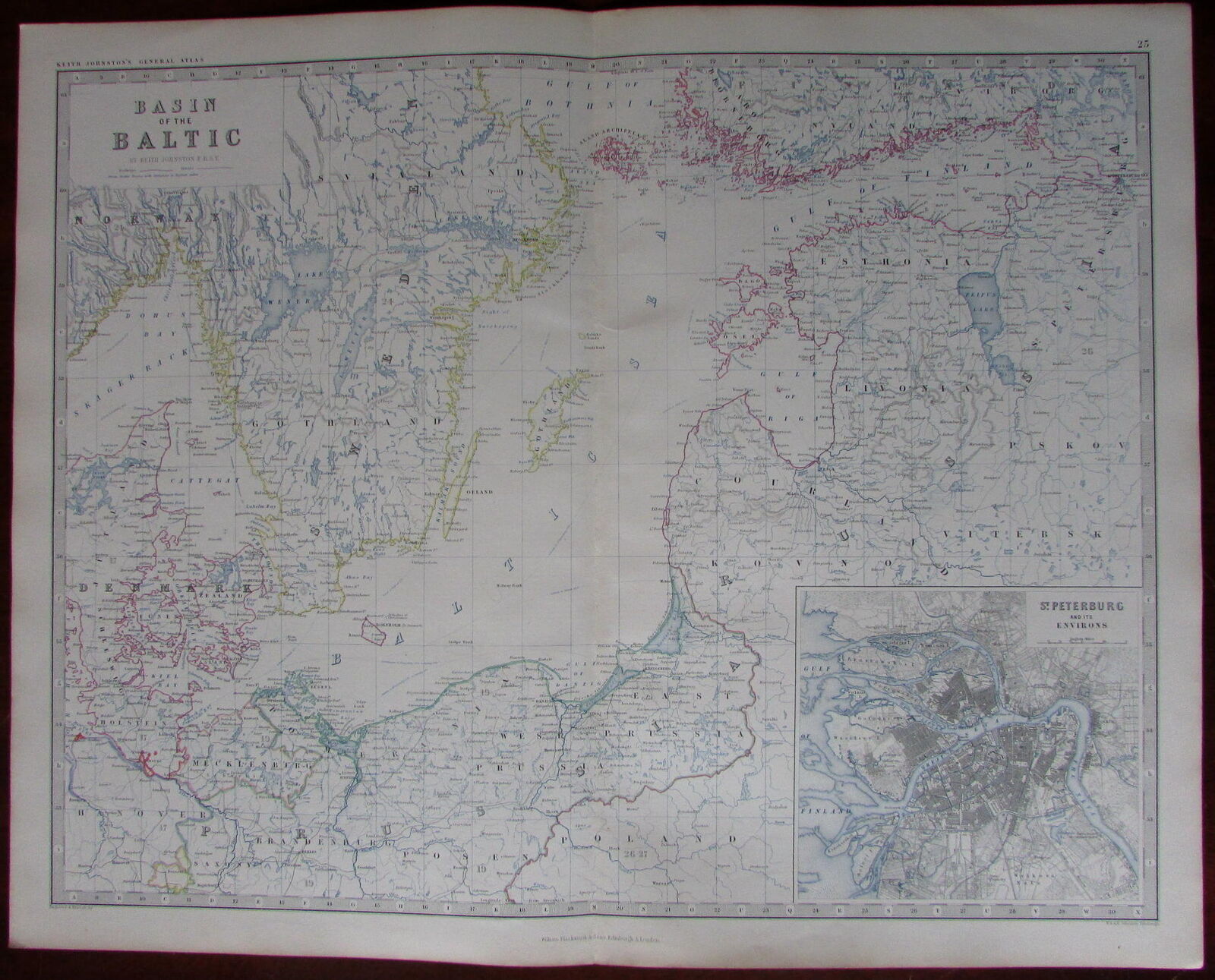
An 1861 map of the Baltic Basin showing the continued evolution of Estonia, by Keith Johnston E. R. S. E. and published by William Blackwood & Sons, from the first edition of the Royal Atlas of Modern Geography
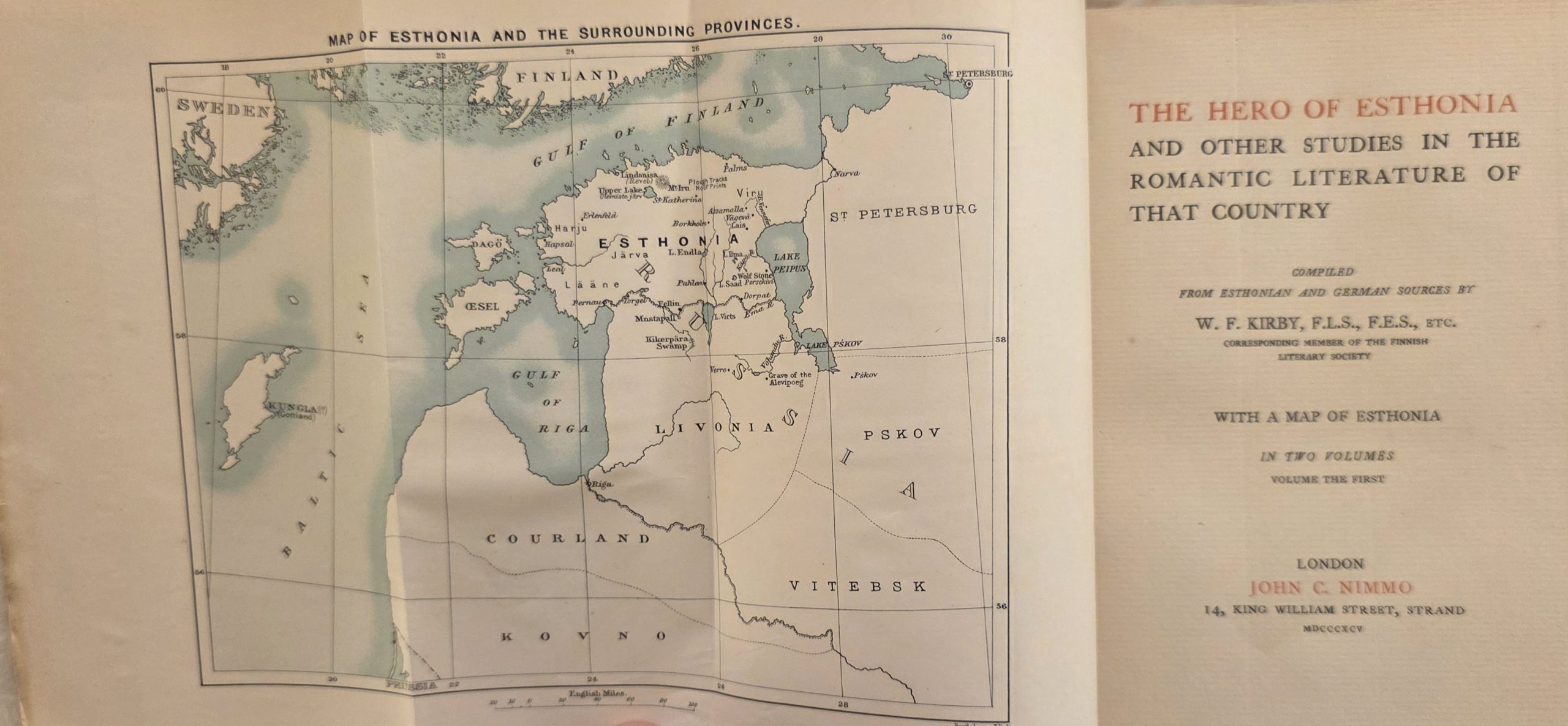
An 1895 copy of Kirby's The Hero of Esthonia, of the folktales of Estonia and the first English printing of Kalevipoeg
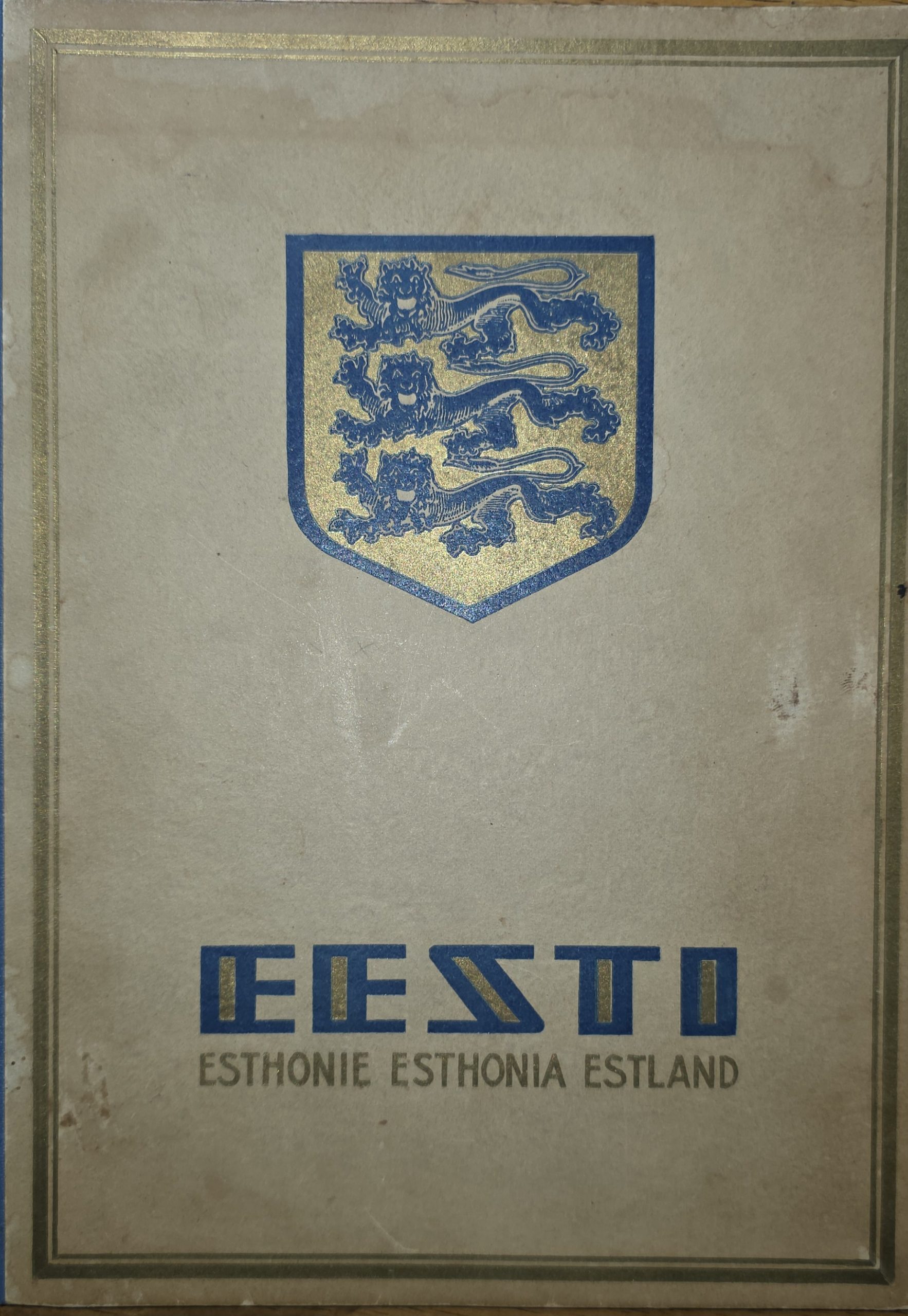
A 1923 copy of Eesti – Esthonie – Esthonia – Estland
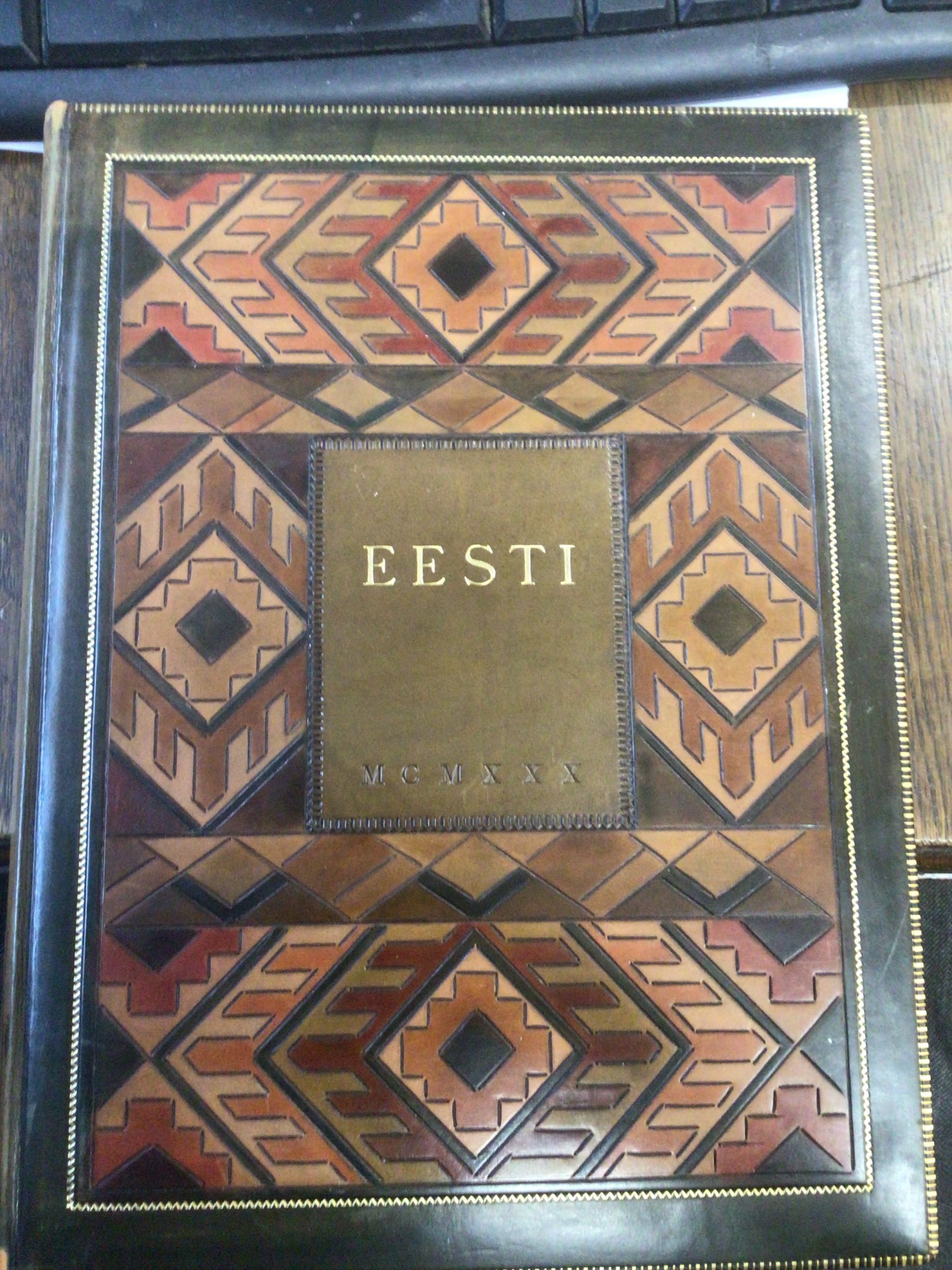
A stunning 1930 Taska-bound presentation copy of Eesti, Esthonie, Esthonia, Estland
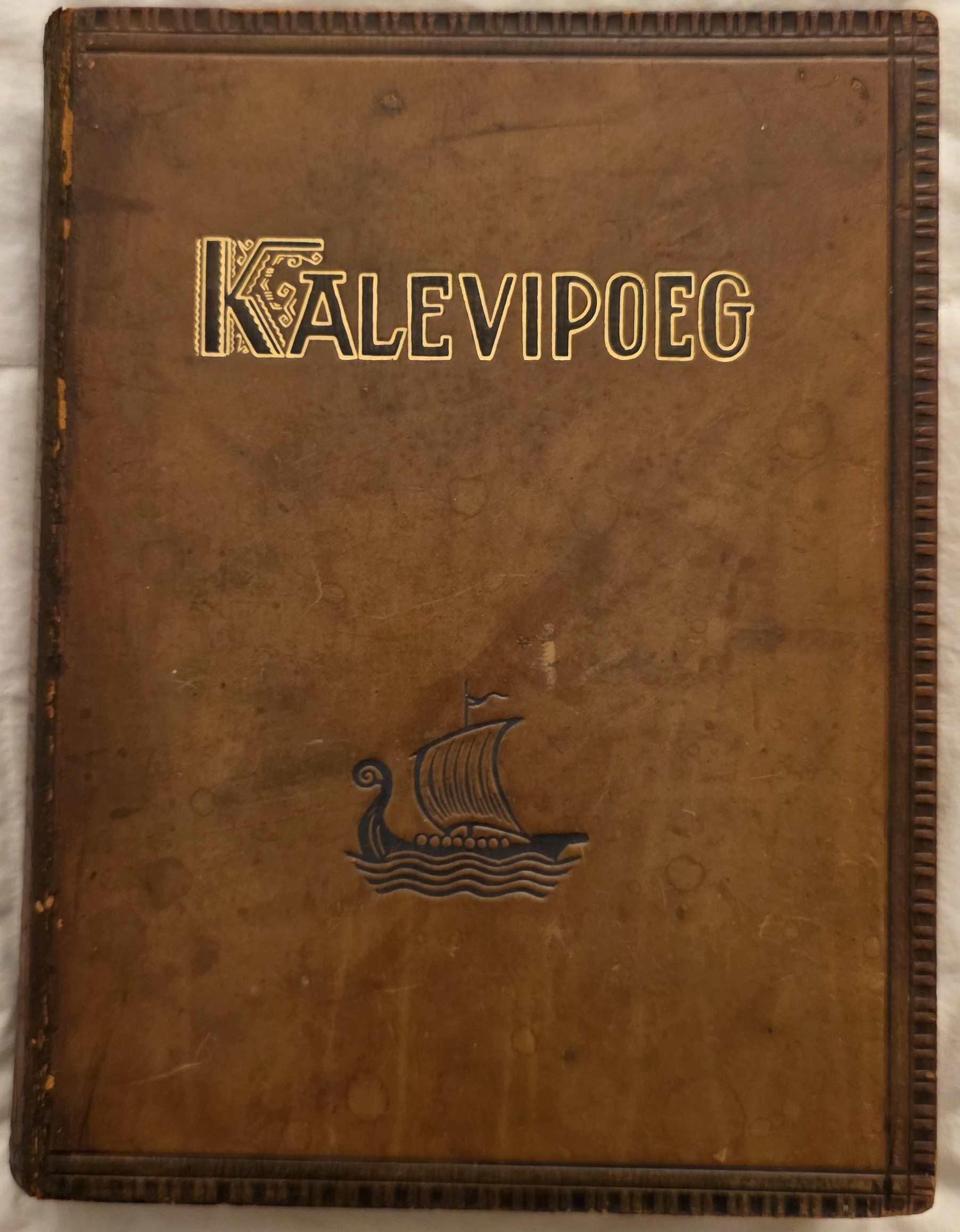
A stunning 1935 Taska presentation copy of Kalevipoeg
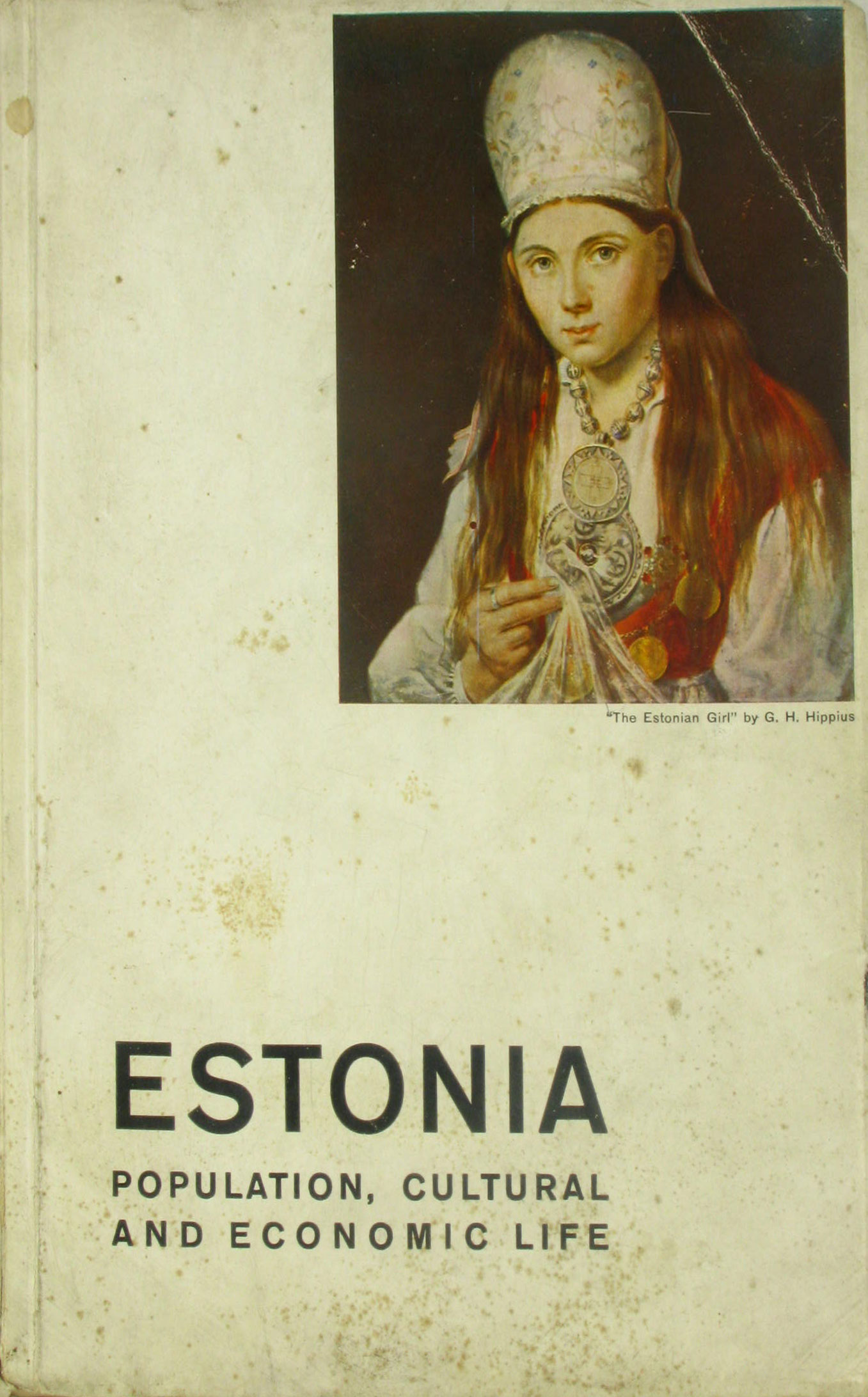
A 1935 Pullerits Estonia: Population, Cultural and Economic Life
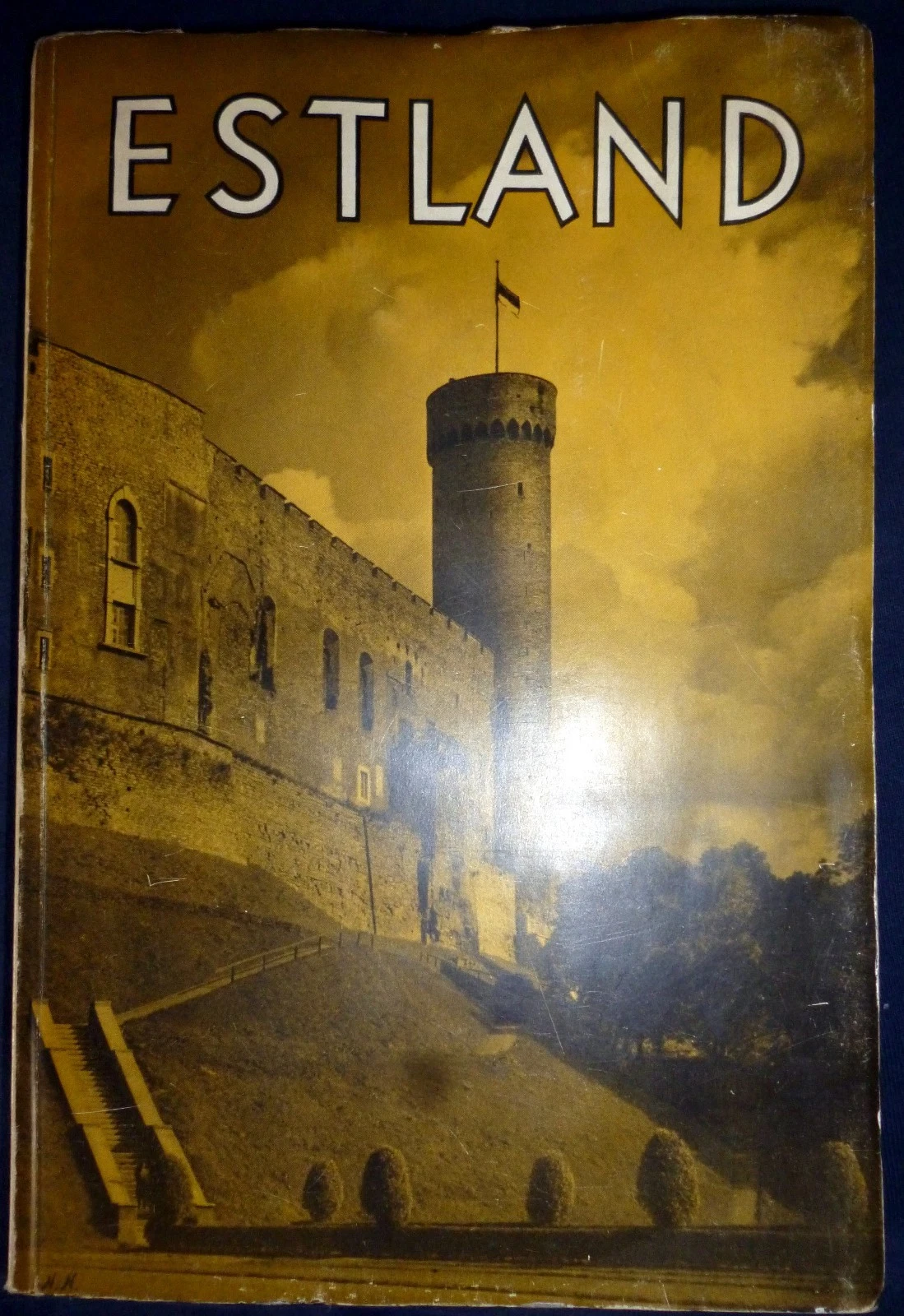
A 1938 Pullerits ESTLAND, 20 Years of Independence
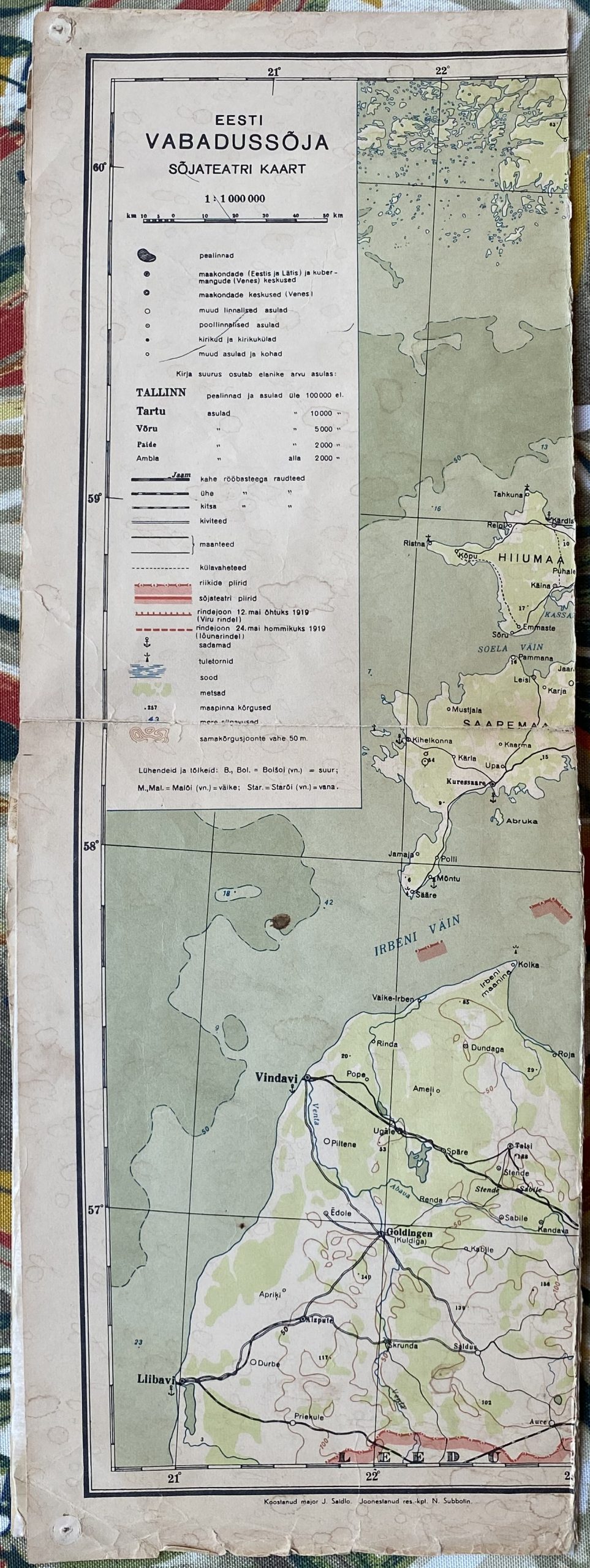
1939 Map of the Estonian War of Independence Theater of War From Volume II Of The Estonian war of independence, 1918-1920
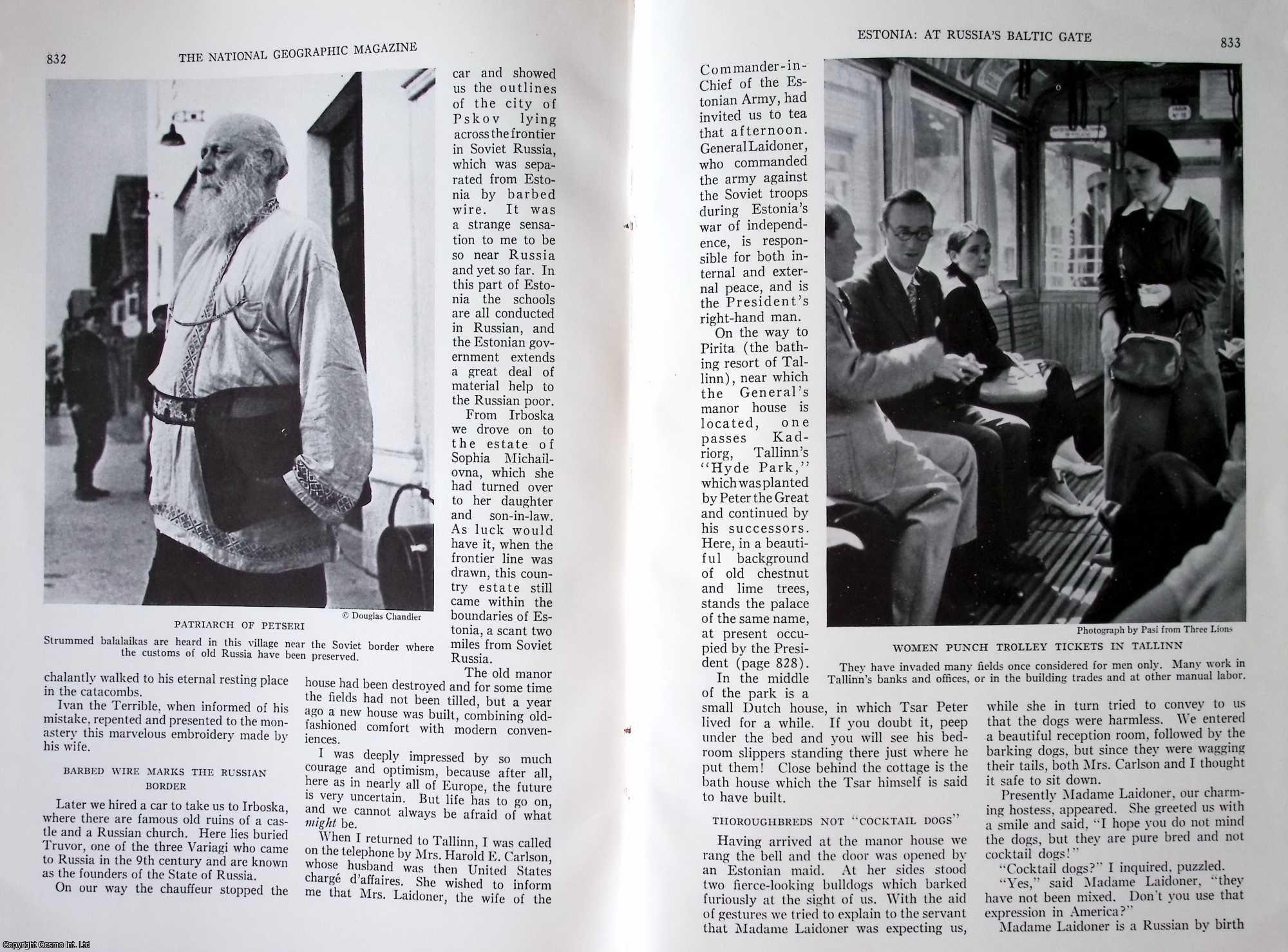
The December 1939 issue of National Geographic with "Estonia: At Russia's Baltic Gate", one of the last documentaries of Estonia before the Soviet invasion
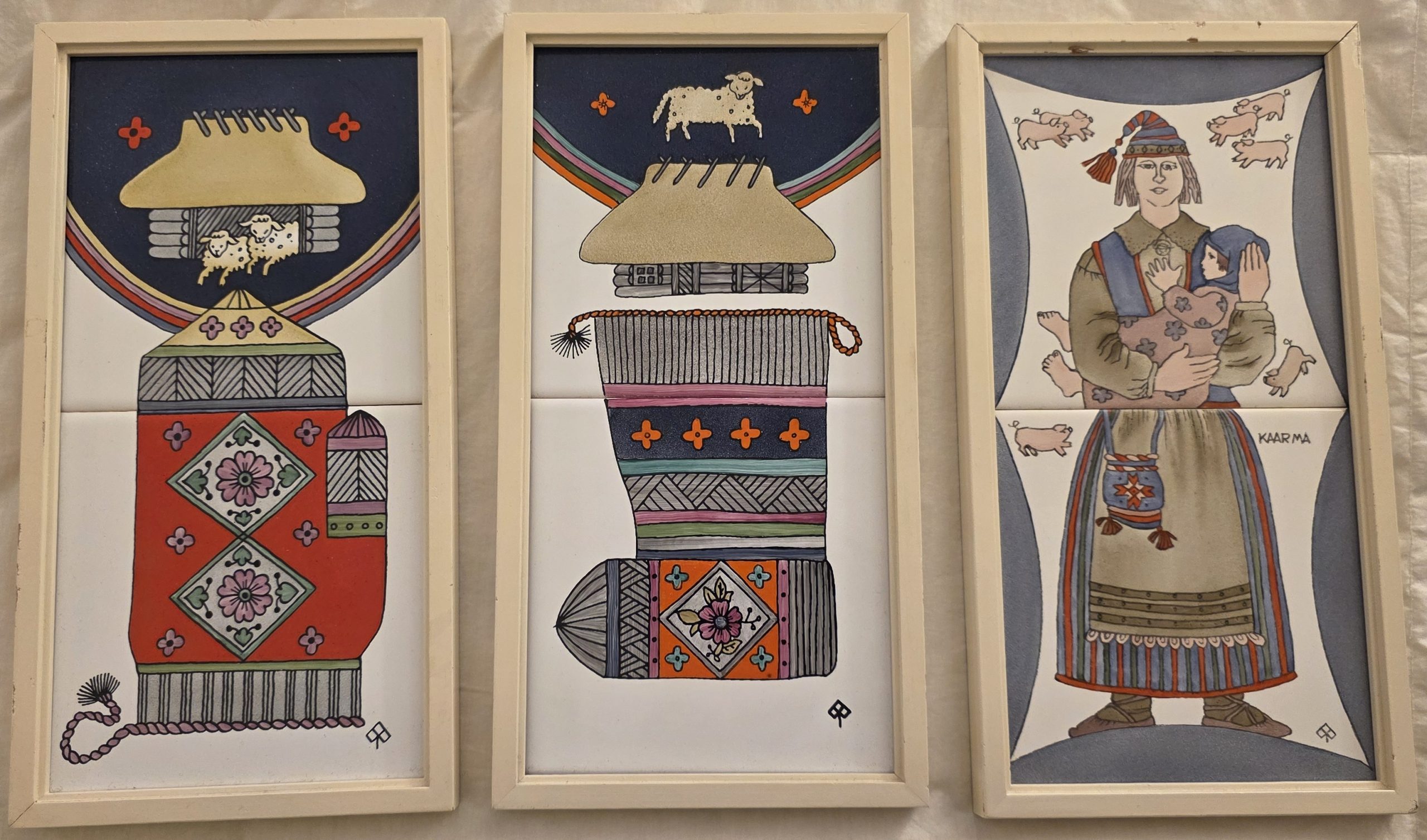
Trio Of 1960s-1970s Elgi Reemets Ceramic Wall Decorations from ARS Tallinn
For those interested in repeating these results on their own Estonian historical artifacts, this is the prompt we used with Gemini Deep Research for each of the items:
Give me a deeply researched history and context of [ITEM NAME HERE] and focusing on its background, context, significance, meaning to and place among Estonian history and rarity and what it teaches us about Estonia and its history.
For the collection as a whole, we used the following prompt, followed by copying and pasting the original LinkedIn post text into the prompt after:
Below is the description of a small Estonian history collection. Deeply research and contextualize this collection, focusing on the background, context and significance of each item and the combined story they tell of Estonian history and how they fit into the broader narrative of the formation and evolution of the nation. Write your report with an eye towards how a museum exhibit could curate all of these items together to tell the story of Estonia.