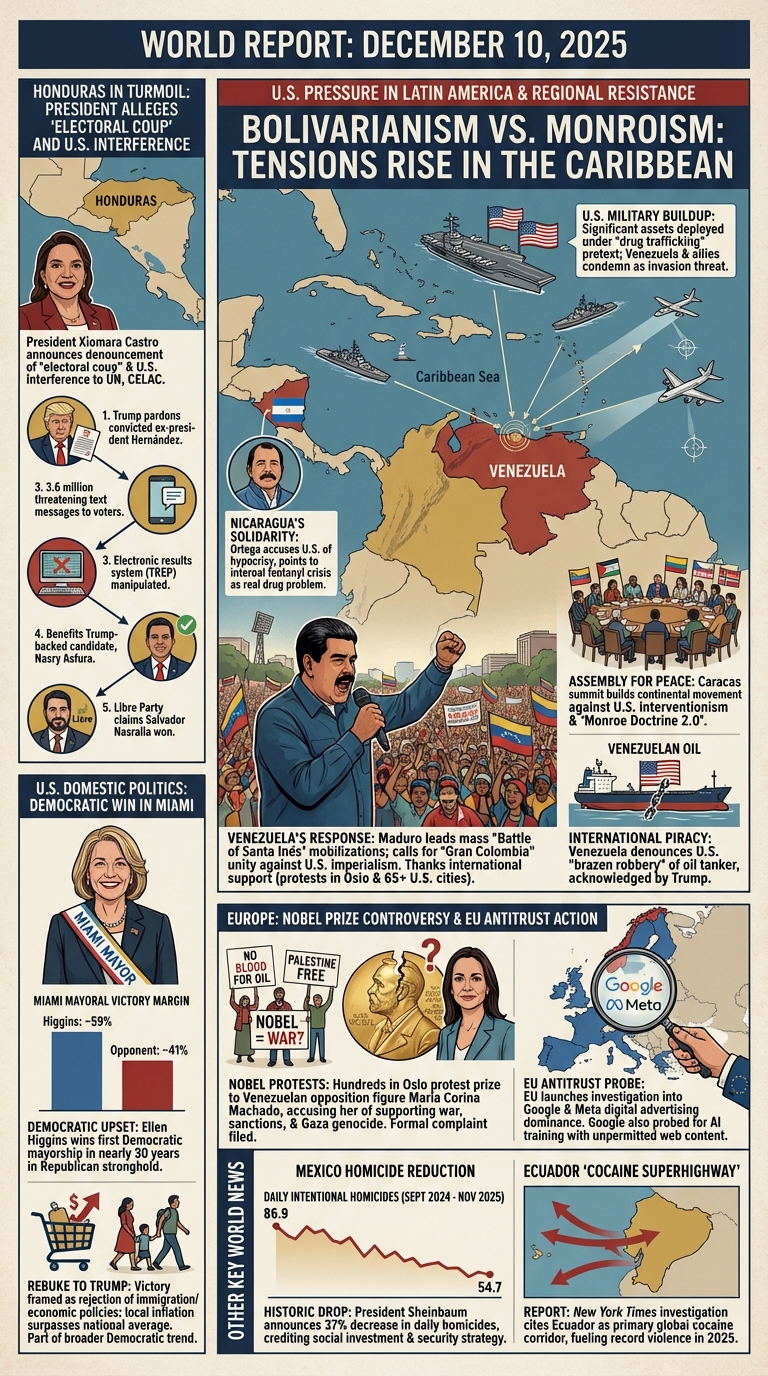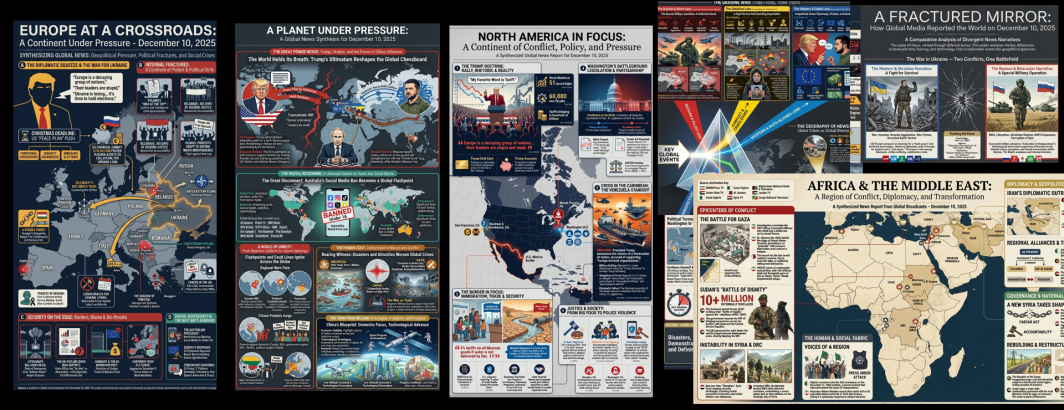
Yesterday we demonstrated visualizing one day of Russian television news, creating infographics for each of the six Russian news channels in the Internet Archive's TV News Archive. What would it look like to scale this up to the entirety of all international channels monitored by the Archive this past Wednesday? We took all 43 international channels monitored this past Wednesday, December 10, 2025, along with domestic channels CSPAN1/2/3 and San Francisco Government TV, ASR'd all of them through Google's Chirp 1 model, ran those native-language transcripts (no translation) through Gemini 2.5 Flash to remove advertisements, concatenated the resulting per-broadcast transcripts into a single master transcript for each channel for Dec 10th and then had Gemini 2.5 Pro or Gemini 3 Pro (depending on the size of the broadcast) turn that full-day transcript into a prompt for Nano Banana Pro to turn into an infographic. Only the public enterprise Gemini and Nano Banana APIs were used and no data was used to train or tune any model. We then explored making regional infographics that summarized major developments in each region, along with a series of comparative infographics and a single global overview infographic. The results below are simply stunning in the glimpse they offer of the future of media analysis for journalists and scholars.
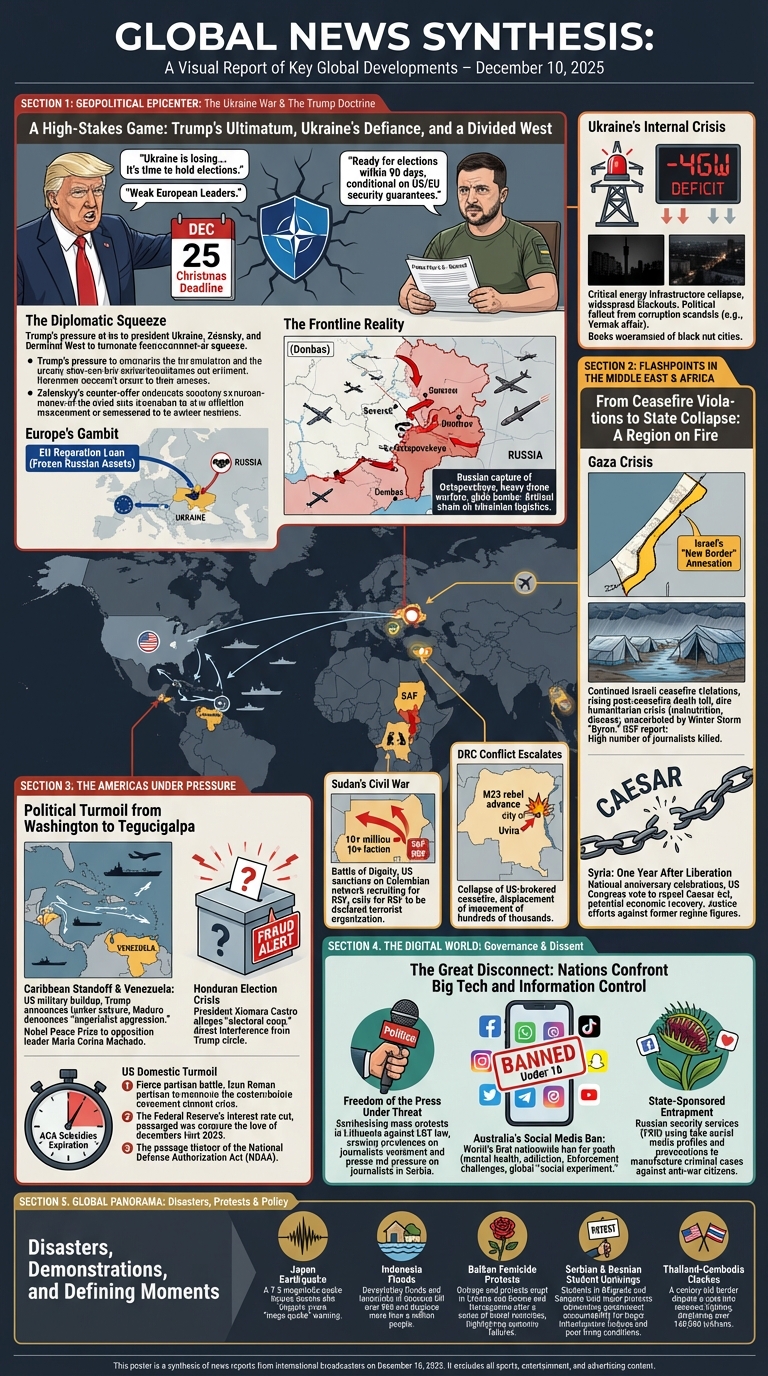
GLOBAL INFOGRAPHIC
We first created individual infographics for each channel (which you can see later in this blog post). We then gave all of the prompts behind all of those infographics to Gemini 3.0 Pro and asked it to create a single infographic prompt that best merges them all together to surface the major stories:
Create a prompt for a large illustrated explainer poster designed to be printed on a large-format poster printer and hung up on the wall that narrates the attached posters as a single large poster that can be printed and hung on a wall that outlines all of the core details. Focus on the combined story of the world told through all of them. Only cover news-related portions of the broadcast, ignore advertisements, sports and entertainment. The poster should be entirely in English.
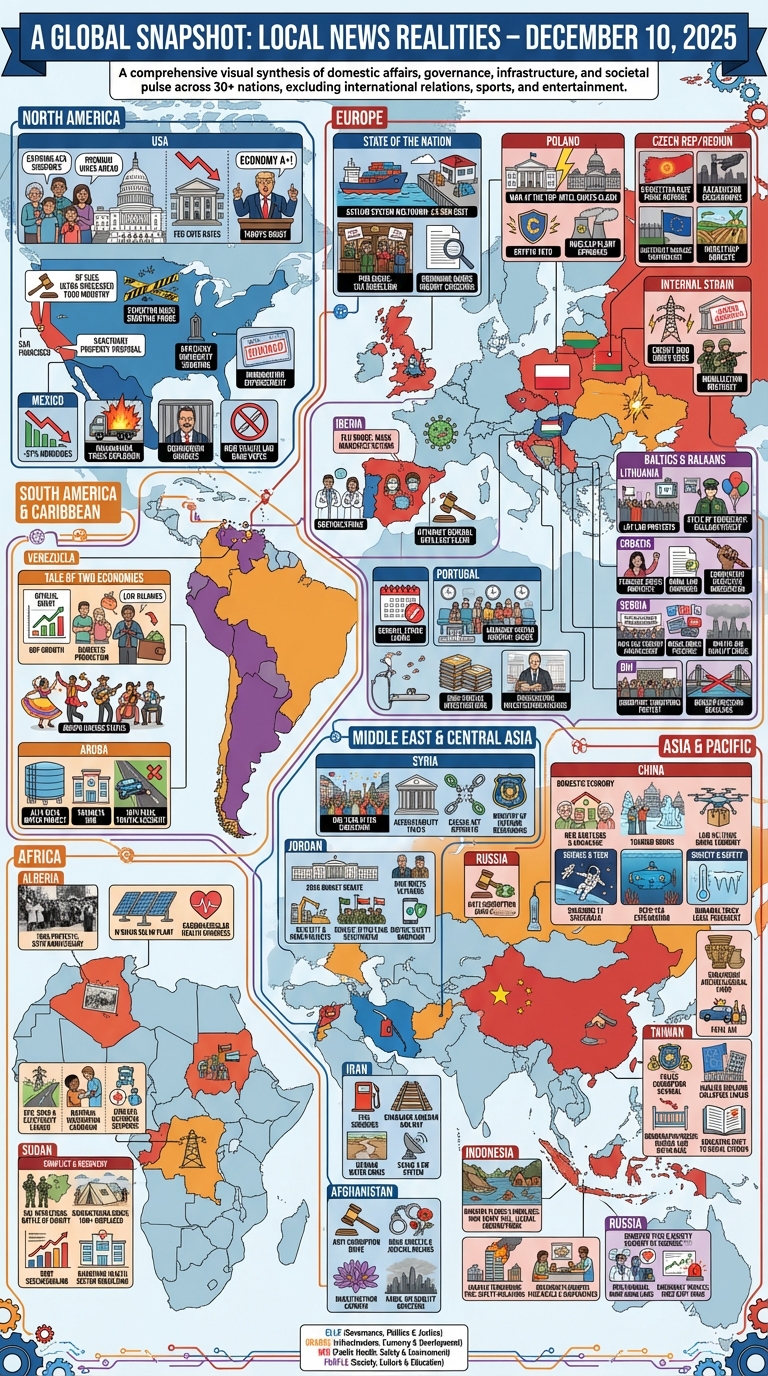
What if we ask it to emphasize all of the local stories from around the world?
Create a prompt for a large illustrated explainer poster designed to be printed on a large-format poster printer and hung up on the wall that narrates the attached posters as a single large poster that can be printed and hung on a wall that outlines all of the core details. Focus on the local stories told by all of them. Only cover news-related portions of the broadcast, ignore advertisements, sports and entertainment. The poster should be entirely in English.
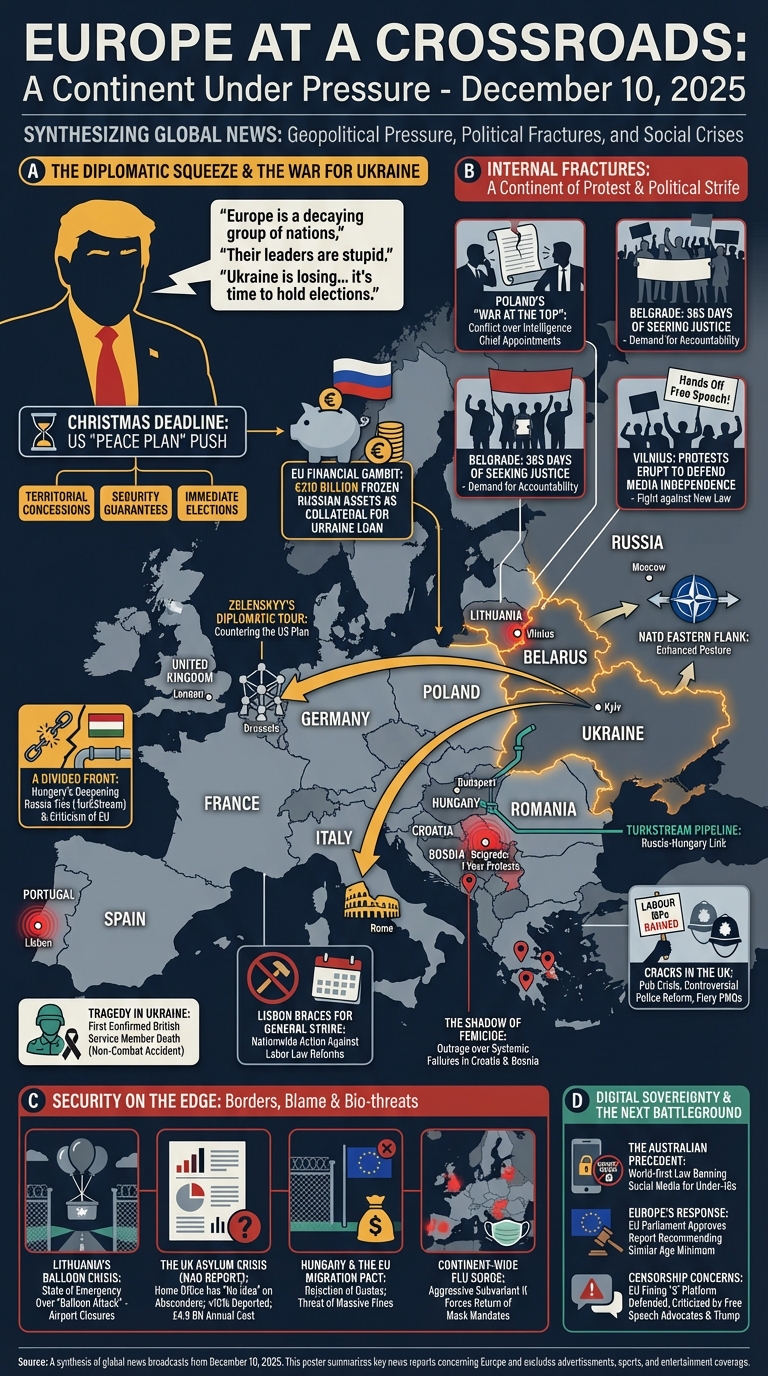
How about regional-specific posters? Europe?
Create a prompt for a large illustrated explainer poster designed to be printed on a large-format poster printer and hung up on the wall that narrates the attached posters as a single large poster that can be printed and hung on a wall that outlines all of the core details. Focus on the combined story of the world told through all of them. Only cover news-related portions of the broadcast, ignore advertisements, sports and entertainment. Only focus on news relate to Europe and make a Europe-centric map. The poster should be entirely in English.
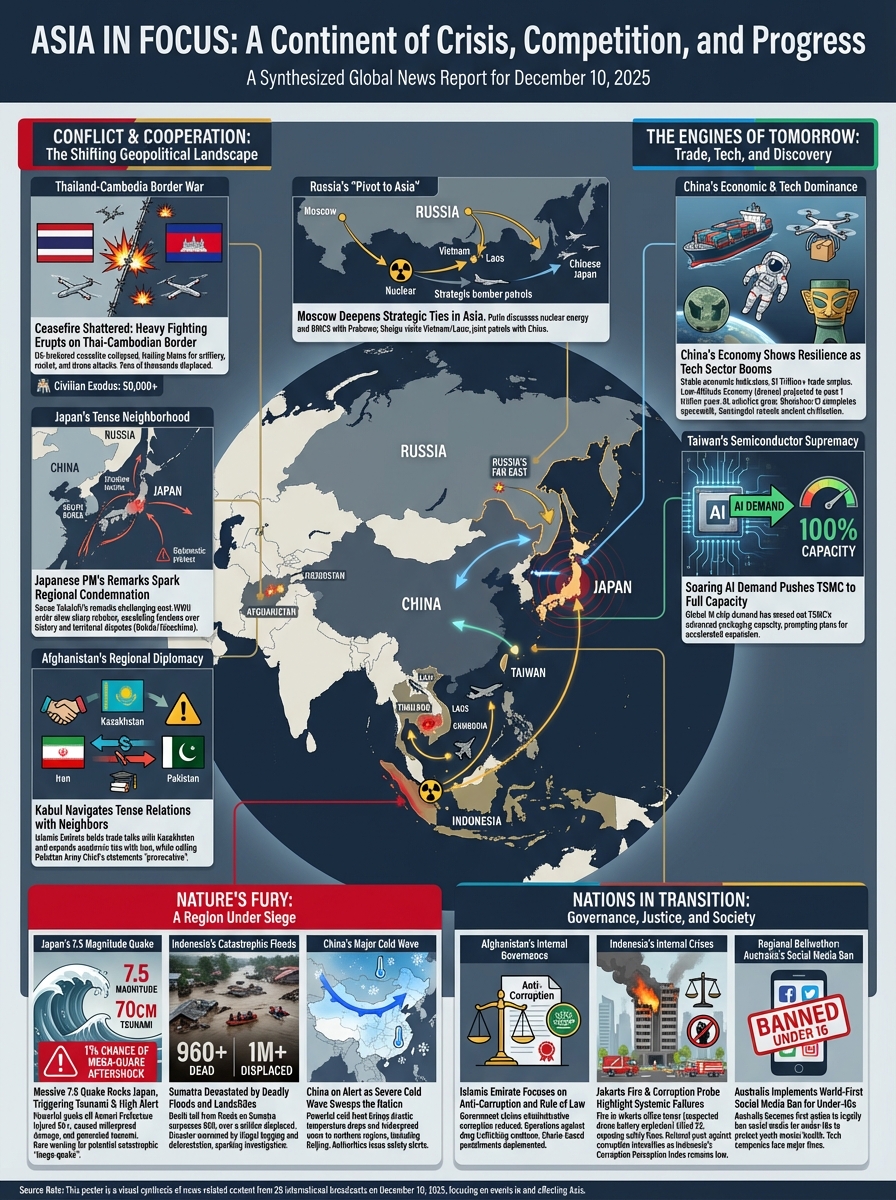
And Asia?
Create a prompt for a large illustrated explainer poster designed to be printed on a large-format poster printer and hung up on the wall that narrates the attached posters as a single large poster that can be printed and hung on a wall that outlines all of the core details. Focus on the combined story of the world told through all of them. Only cover news-related portions of the broadcast, ignore advertisements, sports and entertainment. Only focus on news relate to Asia and make a Asia-centric map. The poster should be entirely in English.
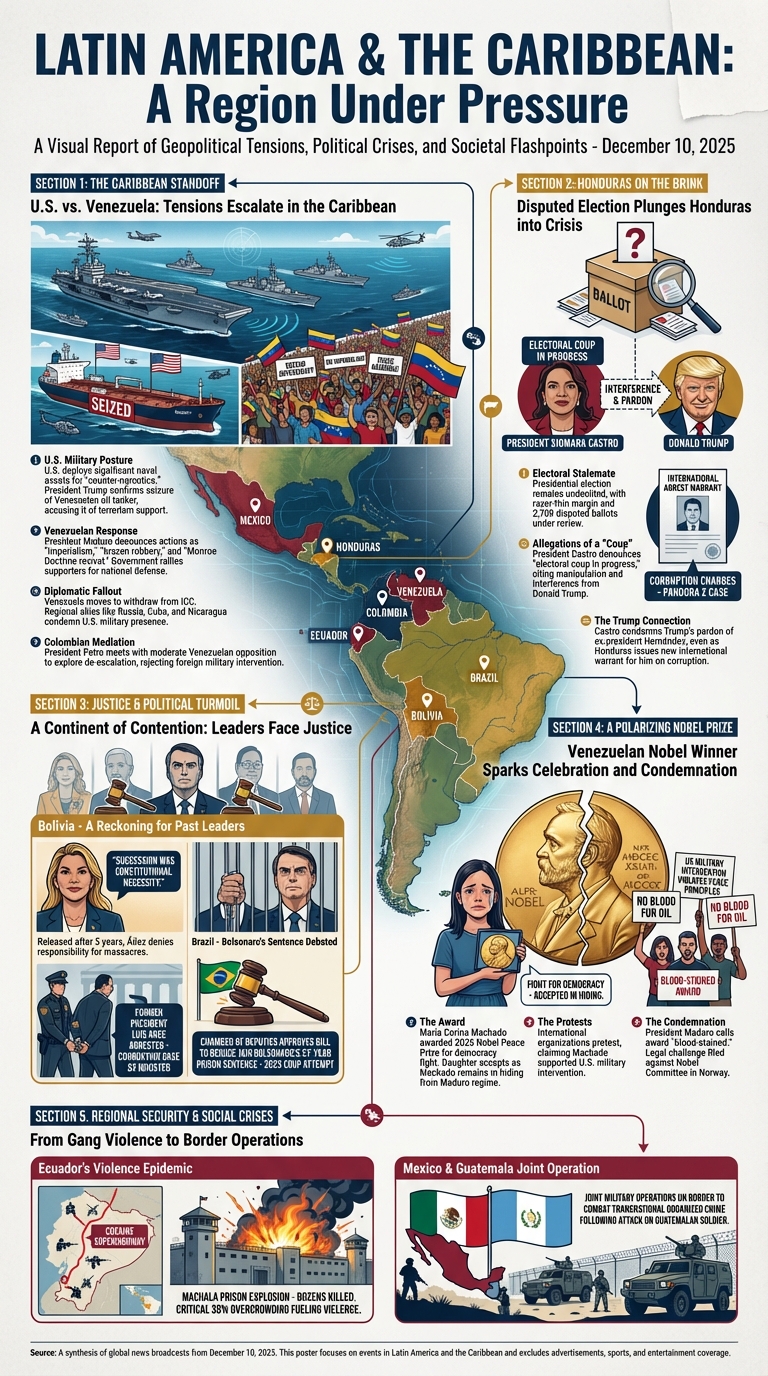
Latin America and the Caribbean?
Create a prompt for a large illustrated explainer poster designed to be printed on a large-format poster printer and hung up on the wall that narrates the attached posters as a single large poster that can be printed and hung on a wall that outlines all of the core details. Focus on the combined story of the world told through all of them. Only cover news-related portions of the broadcast, ignore advertisements, sports and entertainment. Only focus on news relate to Latin America and the Caribbean and make a Latin America and the Caribbean-centric map. The poster should be entirely in English.
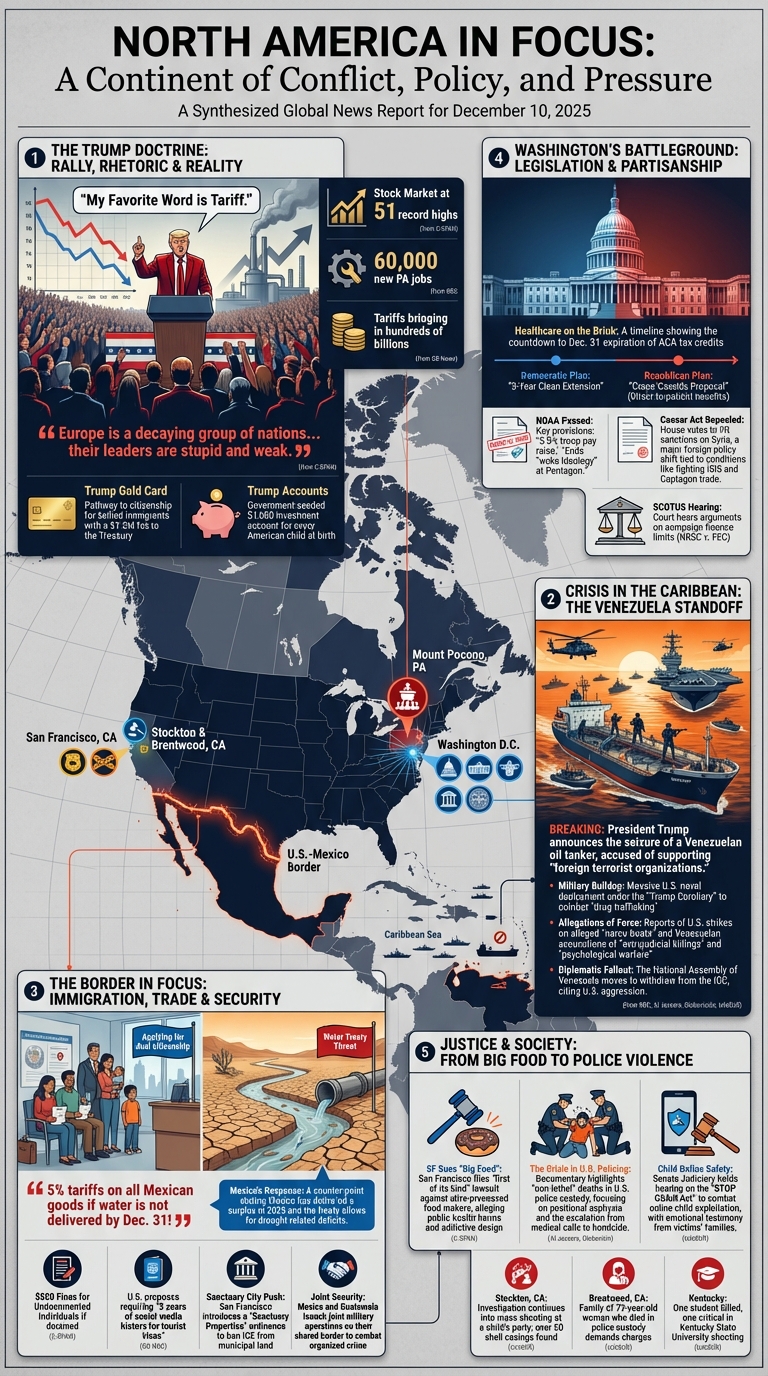
North America?
Create a prompt for a large illustrated explainer poster designed to be printed on a large-format poster printer and hung up on the wall that narrates the attached posters as a single large poster that can be printed and hung on a wall that outlines all of the core details. Focus on the combined story of the world told through all of them. Only cover news-related portions of the broadcast, ignore advertisements, sports and entertainment. Only focus on news relate to North America and make a North America-centric map. The poster should be entirely in English.
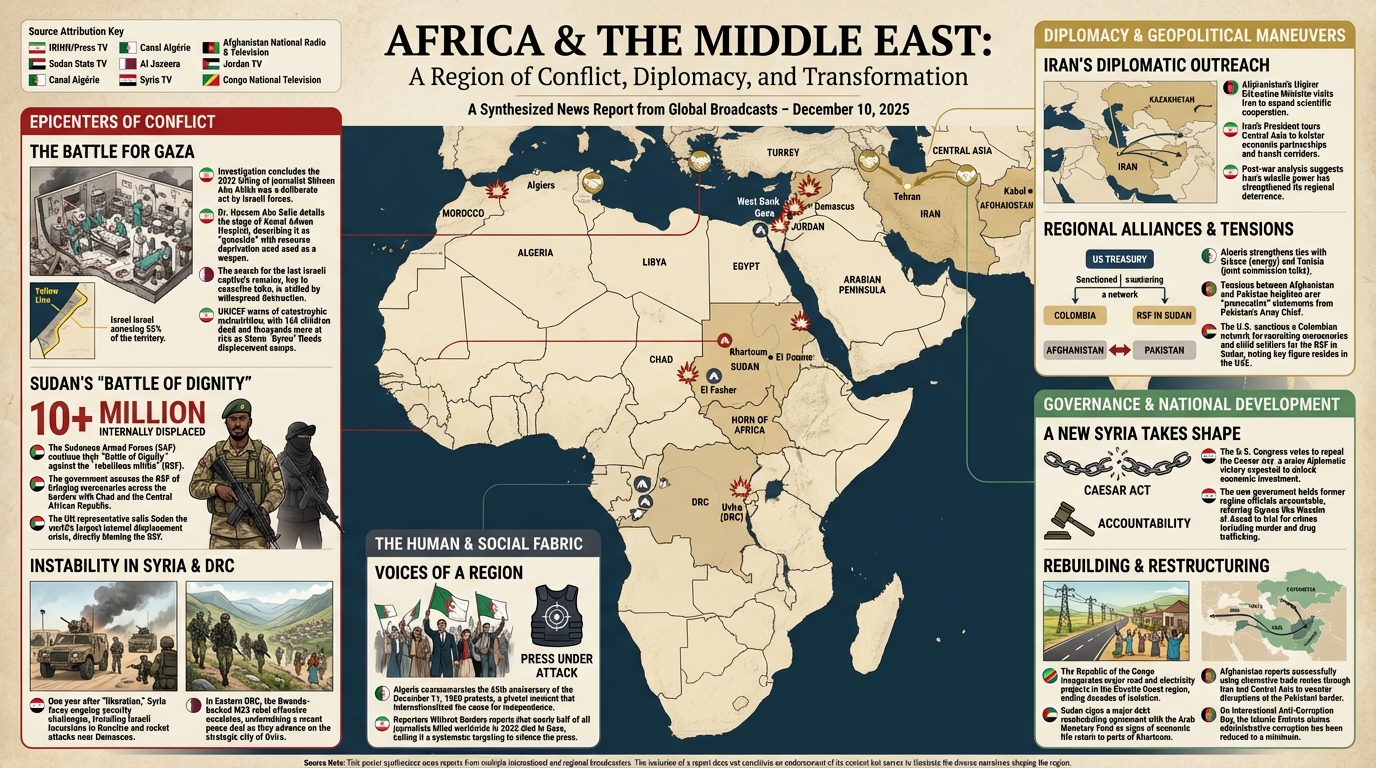
Africa and the Middle East?
Create a prompt for a large illustrated explainer poster designed to be printed on a large-format poster printer and hung up on the wall that narrates the attached posters as a single large poster that can be printed and hung on a wall that outlines all of the core details. Focus on the combined story of the world told through all of them. Only cover news-related portions of the broadcast, ignore advertisements, sports and entertainment. Only focus on news relate to Africa and the Middle East and make an Africa and the Middle East-centric map. The poster should be entirely in English.
COMPARATIVE ANALYSES
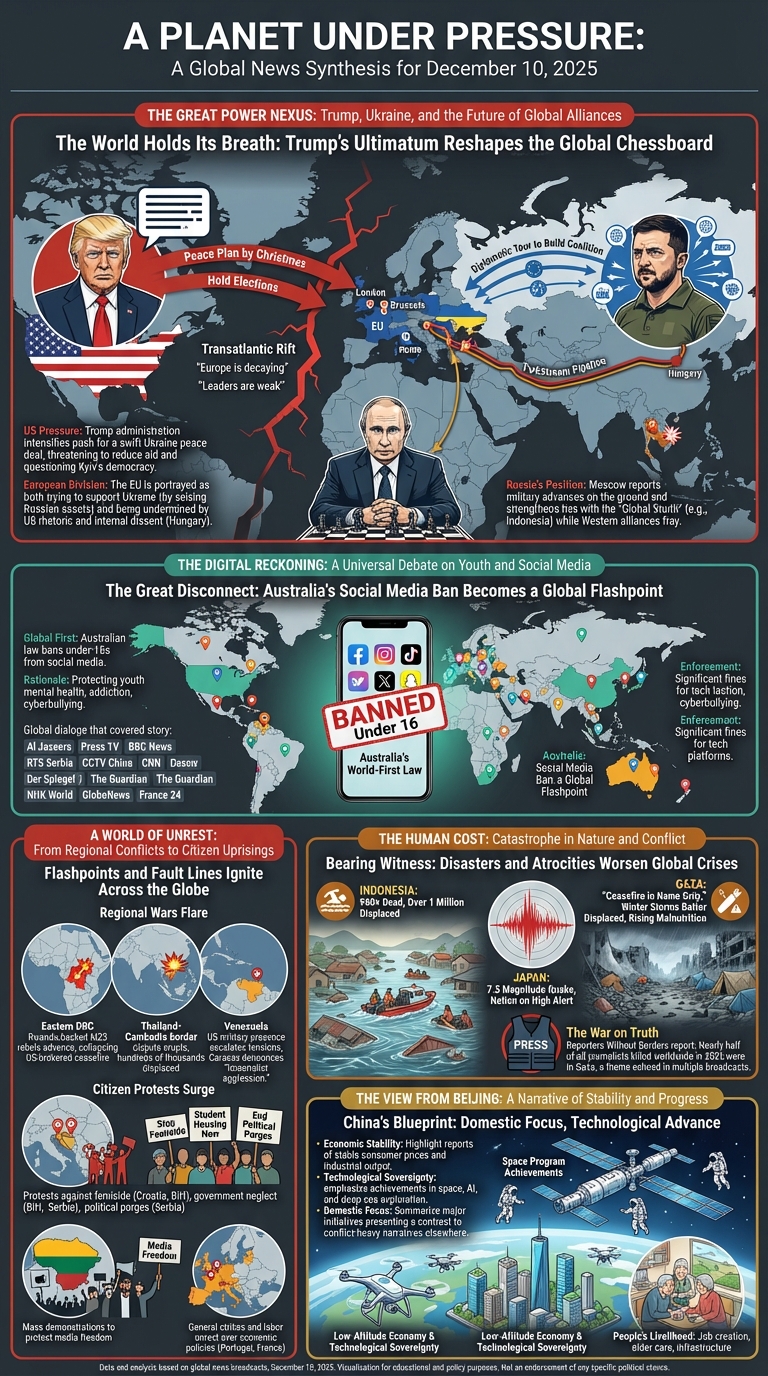
What about the major global themes and trends?
Create a prompt for a large illustrated explainer poster designed to be printed on a large-format poster printer and hung up on the wall that narrates the major themes and trends of the attached posters as a single large poster that can be printed and hung on a wall that outlines all of the major themes and trends. Focus on the combined story of the world told through all of them. Only cover news-related portions of the broadcast, ignore advertisements, sports and entertainment. Only focus on major themes and trends. The poster should be entirely in English.
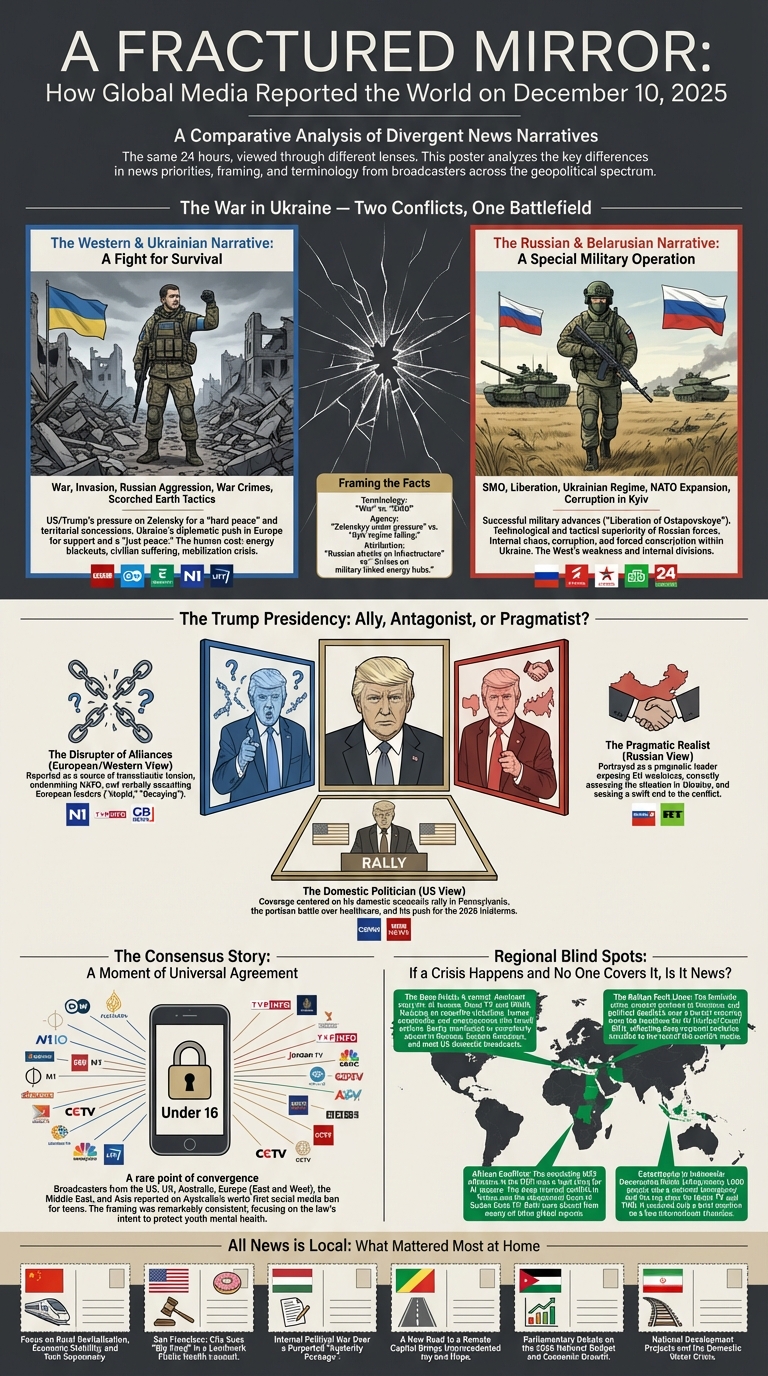
And a comparative media analysis of the major differences across the world on Dec 10th as seen through these channels?
Create a prompt for a large illustrated explainer poster designed to be printed on a large-format poster printer and hung up on the wall that narrates the major differences across the news covered in the attached posters as a single large poster that can be printed and hung on a wall that outlines all of the major differences. Focus on the combined story of the world told through all of them. Only cover news-related portions of the broadcast, ignore advertisements, sports and entertainment. Only focus on major differences like you were a comparative media analyst. The poster should be entirely in English.
How about a slightly different phrasing?
Create a prompt for a large illustrated explainer poster designed to be printed on a large-format poster printer and hung up on the wall that narrates the major differences across the news covered in the attached posters as a single large poster that can be printed and hung on a wall that outlines how coverage from and about each location is different. Focus on the combined story of the world told through all of them. Only cover news-related portions of the broadcast, ignore advertisements, sports and entertainment. Only focus on how coverage from and about each location is different like you were a comparative media analyst. The poster should be entirely in English.
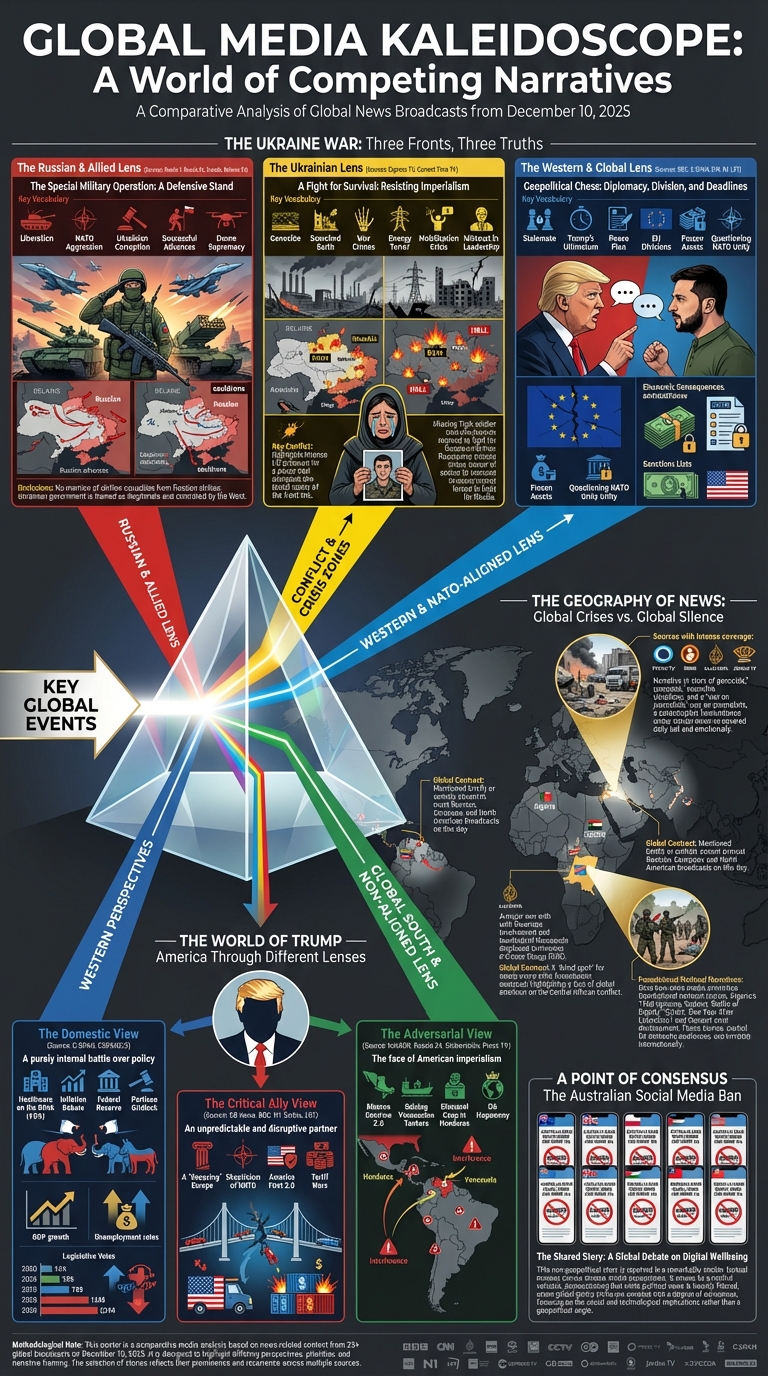
And one more framing:
Create a prompt for a large illustrated explainer poster designed to be printed on a large-format poster printer and hung up on the wall that narrates the major differences across the news covered in the attached posters as a single large poster that can be printed and hung on a wall that outlines the major findings about the world on this day from all of these posters. Focus on the combined story of the world told through all of them. Only cover news-related portions of the broadcast, ignore advertisements, sports and entertainment. Only focus on outlining the major findings about the world on this day from all of these posters like you were a comparative media analyst. The poster should be entirely in English.
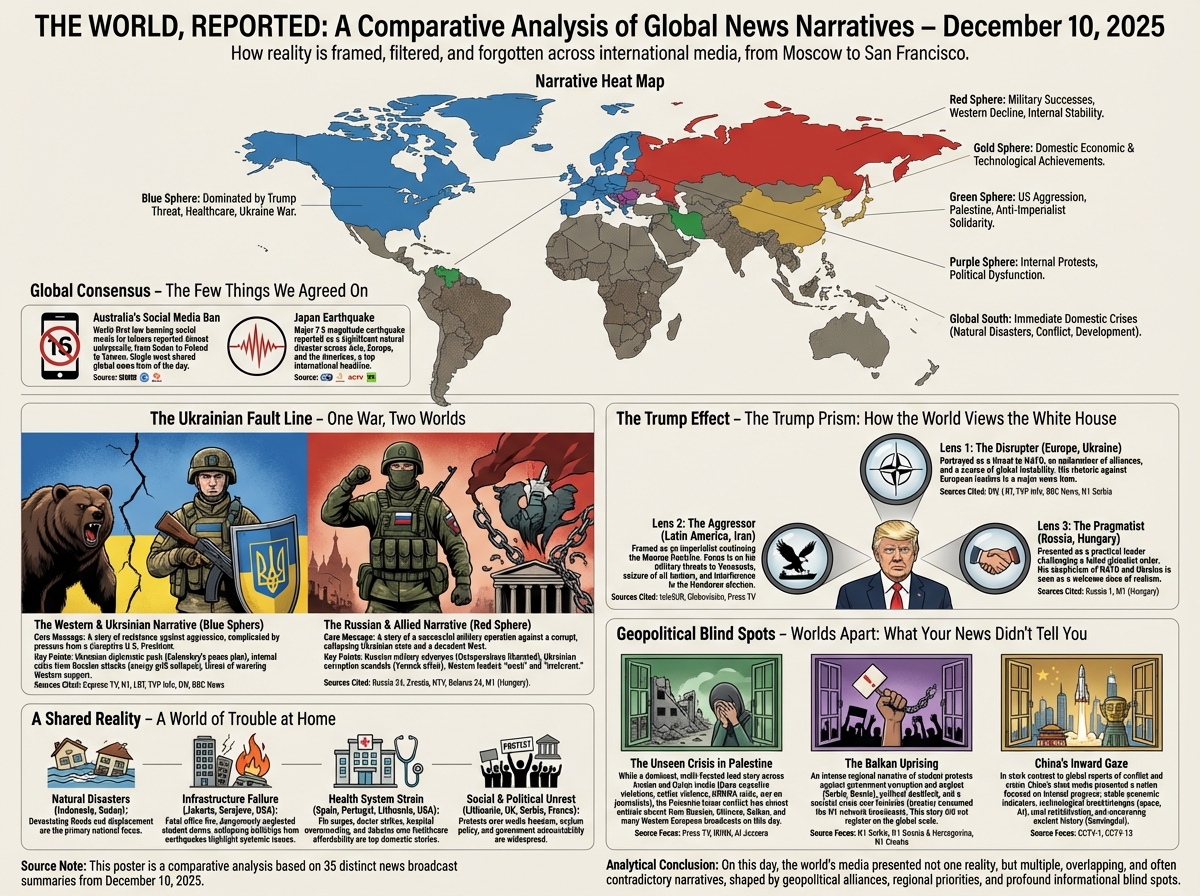
And finally, let's ask for a textual comparative analysis that we then form
Make a 1-2 page report that discusses the major themes and differences across the news, stories, themes and trends covered in the posters. Be especially detailed in how they are different and provide your reasoning and why you think those differences exist.
Yielding:
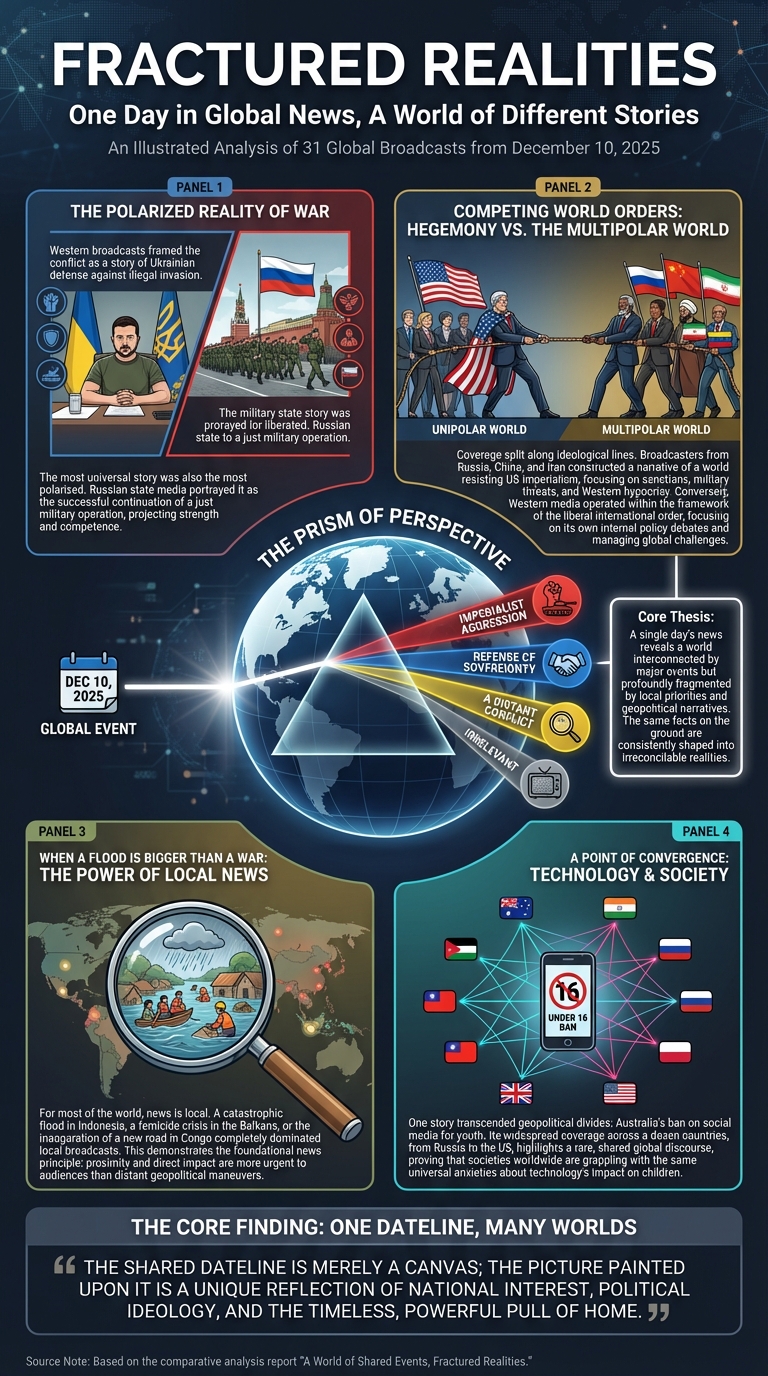
A World of Shared Events, Fractured Realities: A Comparative Analysis of Global News on December 10, 2025
An analysis of 31 distinct news broadcasts from around the globe on a single day—December 10, 2025—reveals a fascinating paradox: a world simultaneously interconnected by a handful of major events and profoundly fragmented by local priorities and geopolitical narratives. While stories like the war in Ukraine, a new Australian tech law, and US-Venezuela tensions appear across continents, their framing, prominence, and meaning are shaped entirely by the lens through which they are viewed. This report dissects the major themes and, more importantly, the stark differences in coverage, providing reasoning for why these divergent realities exist.
Major Theme 1: The Ukraine Conflict – The Universal, Yet Polarized, Story
Nearly every international and European broadcaster covered the war in Ukraine, but the narrative was split into two irreconcilable realities.
-
-
- The Western & Ukrainian Perspective: Broadcasts from the UK (BBC), Germany (DW), Poland (TVP), Lithuania (LRT), and Ukraine (Espreso TV) framed the day’s events as a story of Ukrainian diplomatic resilience under immense pressure. The central narrative focused on President Zelenskyy’s strategic offer to hold elections as a counter to US President Trump’s criticism, his push for a revised peace plan, and the ongoing struggle against Russian aggression. The conflict is consistently portrayed as a war of defense against an illegal invasion. Internal Ukrainian issues, such as the dismissal of Andriy Yermak and the energy crisis, are reported as severe challenges stemming from the war and governance failures.
- The Russian & Belarusian Perspective: In stark contrast, Russian state media (Russia 1, RT, NTV, Zvezda) and Belarusian TV presented the conflict as the successful continuation of the “Special Military Operation.” News focused on tactical victories like the “liberation of Ostapovskoye,” the effectiveness of Russian military hardware (Su-34s, drones), and the awarding of medals to heroes. The Ukrainian government was depicted as a corrupt, beleaguered Western puppet state, with Zelenskyy’s diplomatic moves framed as acts of desperation. The US pressure on Ukraine was reported not as a challenge, but as evidence of weakening Western resolve.
-
Why the Difference? This is the most straightforward example of information warfare. For the West and Ukraine, the narrative justifies massive military and financial aid and reinforces the image of a sovereign nation under attack. For Russia and Belarus, the narrative legitimizes the immense cost of the war to their domestic populations, projecting strength, competence, and the righteousness of their cause against a hostile NATO. The facts on the ground may be the same (e.g., a battle in a specific town), but the interpretation transforms it from an act of “liberation” to one of “occupation.”
Major Theme 2: Competing World Orders – "US Hegemony" vs. the "Multipolar World"
The second dominant theme was the framing of global geopolitics, which splits cleanly along ideological lines.
-
-
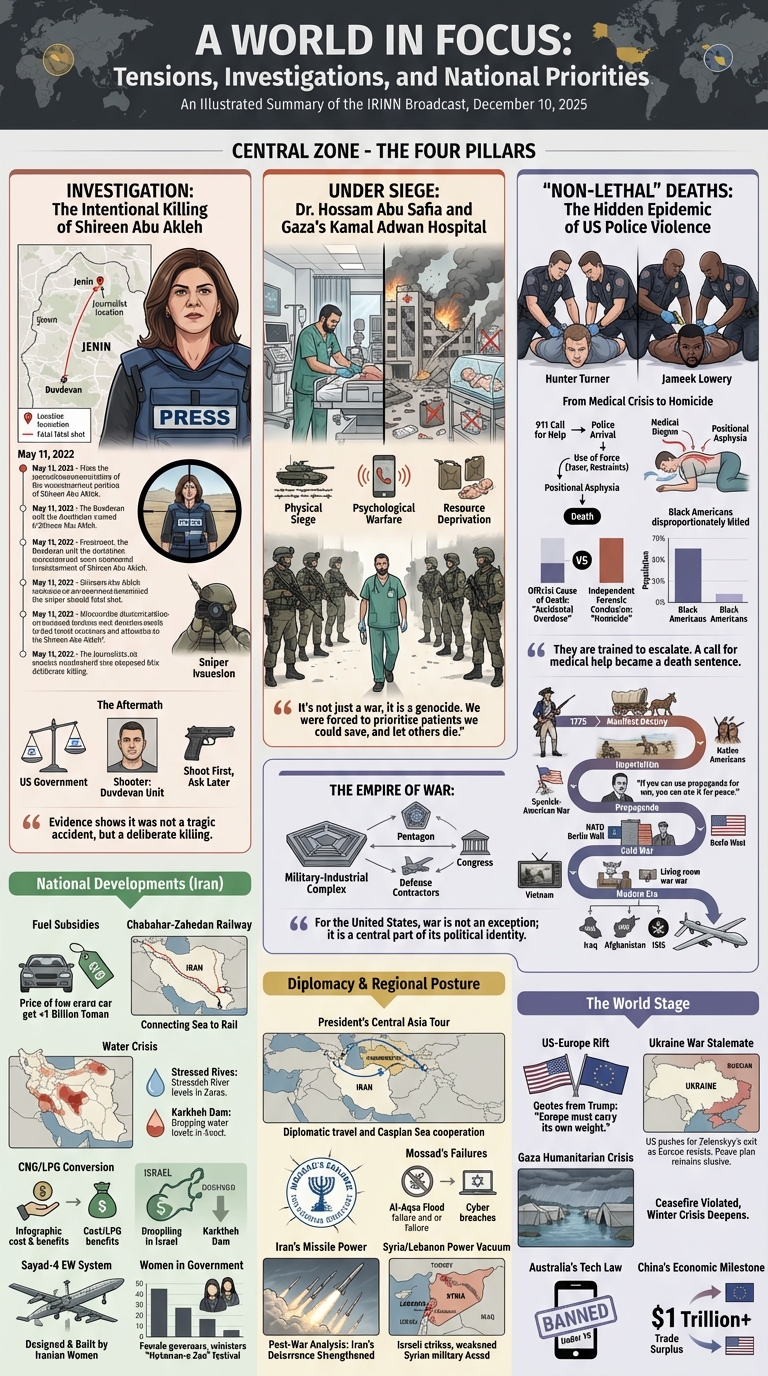
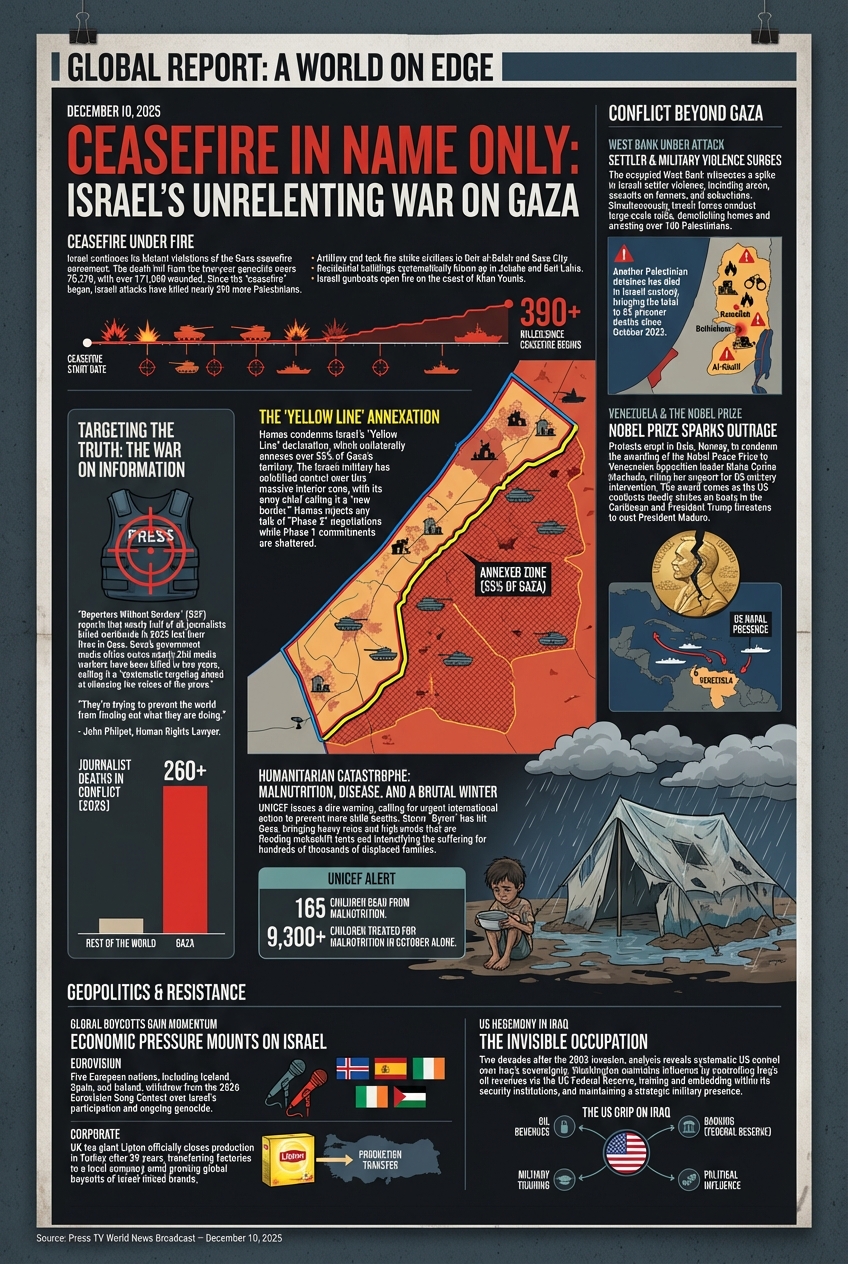
- The Counter-Hegemonic Bloc (Russia, China, Iran, Venezuela): Broadcasters like Russia’s RT, China’s CCTV, Iran’s Press TV, and Venezuela’s teleSUR constructed a narrative of a world resisting US imperialism. Stories centered on the US military buildup in the Caribbean as a threat to Venezuelan sovereignty, US sanctions as tools of economic warfare, and the hypocrisy of US foreign policy. Iran’s IRINN went so far as to air detailed investigative documentaries on US police brutality and the historical injustices of American military intervention, directly countering the US narrative of being a global force for good. China’s CCTV emphasized its own stable domestic development and diplomatic outreach (e.g., meeting the IMF chief) as a contrast to Western instability.
- The Western Perspective (US, UK, Germany): Broadcasters like C-SPAN, BBC, and DW focused on the internal mechanics of Western power and its global projection. Coverage was dominated by President Trump’s domestic political rallies, the legislative process of the National Defense Authorization Act (NDAA), and debates over the Affordable Care Act. Foreign policy was presented as a series of challenges to be managed—the M23 rebels in the DRC, the Thailand-Cambodia border dispute—with the US often positioned as a key mediator. The US-Venezuela tension was framed through a lens of national security and anti-drug operations, not imperialism.
-
Why the Difference? This reflects a fundamental battle over the global order. Nations like Russia, China, and Iran use their state-controlled media to promote a “multipolar” vision where US influence is diminished. Their news coverage is a tool to build solidarity among nations in the “Global South” and to highlight the perceived moral and political failures of the West. Conversely, Western media, even when critical of its own governments, largely operates within the framework of the existing liberal international order, focusing on policy debates, alliances (like AUKUS), and the role of international institutions.
Major Theme 3: The Primacy of the Local – When a Flood is Bigger Than a War
Despite the global geopolitical drama, the analysis overwhelmingly shows that for most of the world, news is local.
-
-
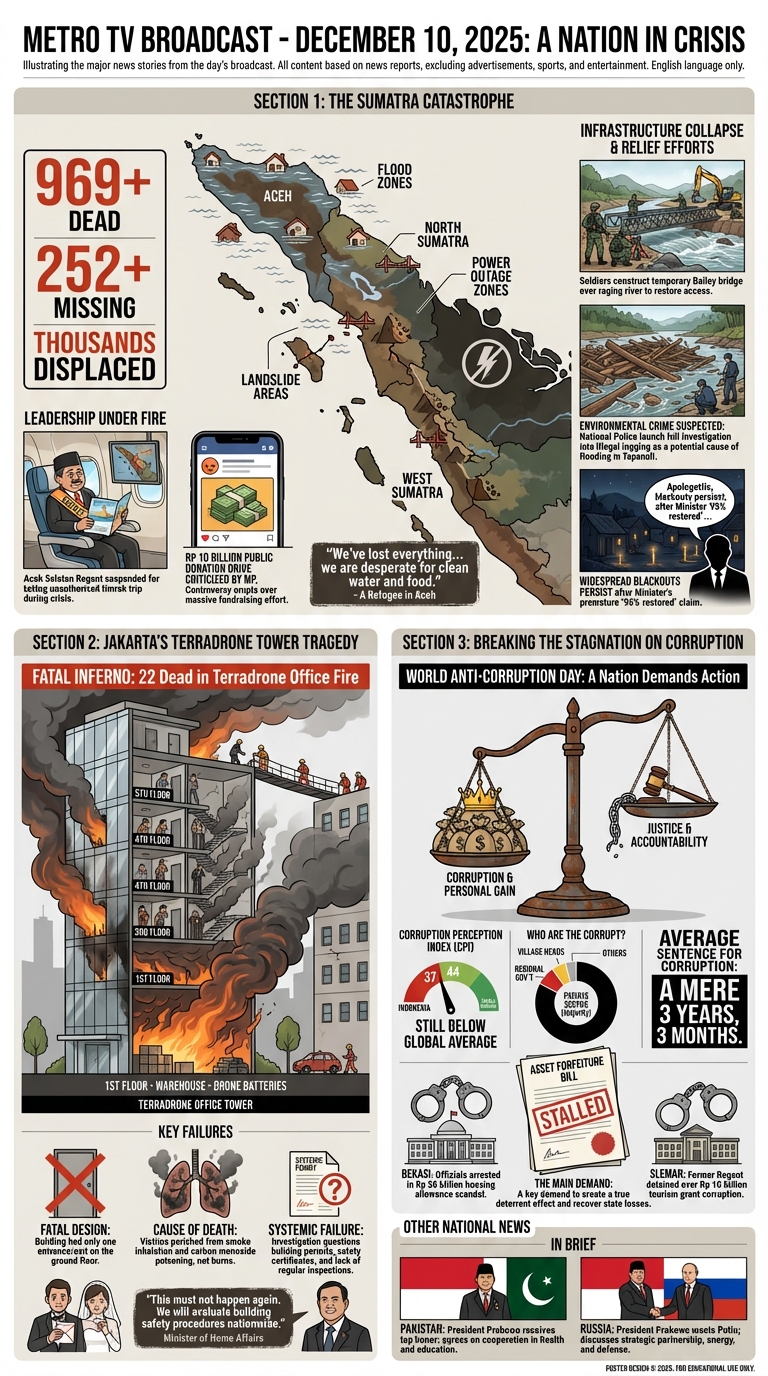
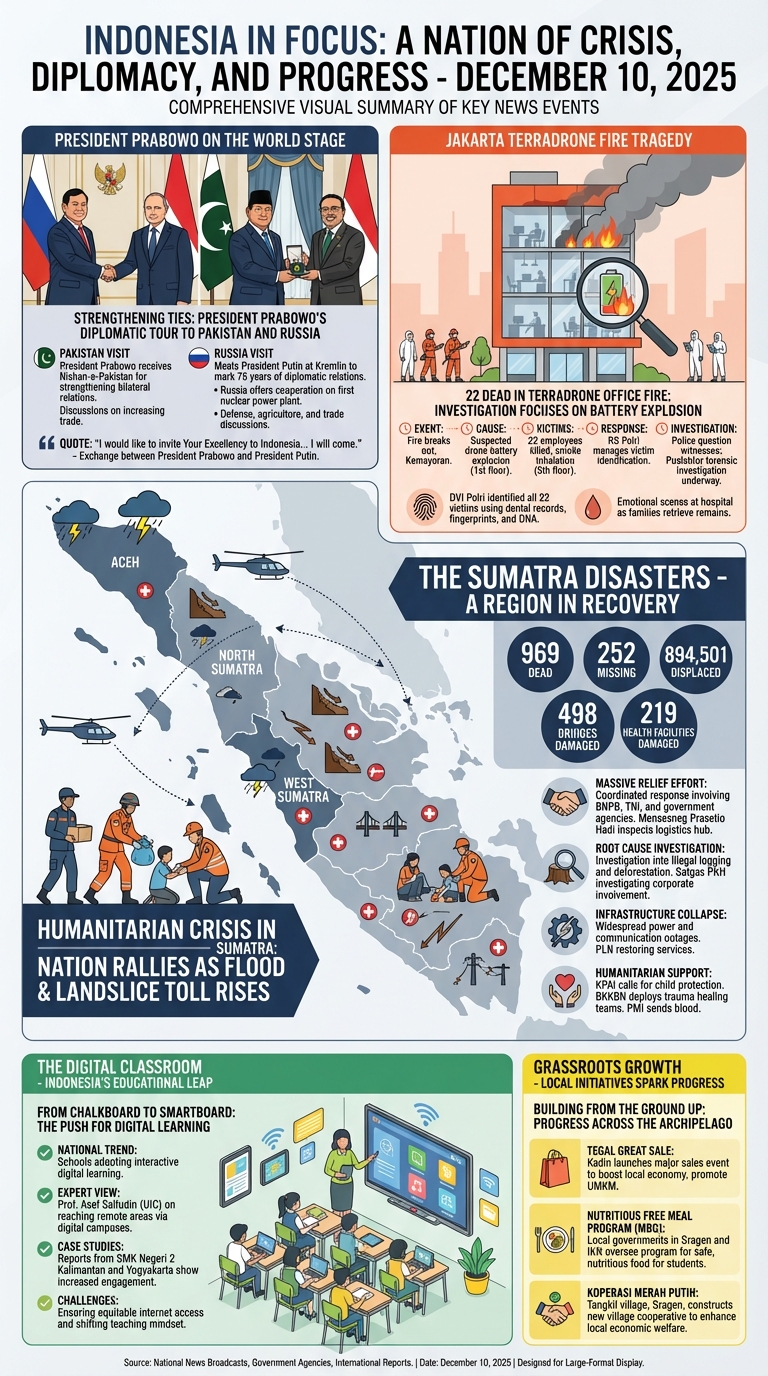
- Crises of Immediate Impact: In Indonesia (Metro TV, TVRI), the catastrophic Sumatra floods and landslides were the all-consuming story, eclipsing everything else. The narrative was one of human tragedy, government response (or failure), and a search for causes like illegal logging. In the Balkans (N1 Croatia, N1 Bosnia), the lead story was a regional crisis of femicide, sparking protests and a deep societal debate that overshadowed distant conflicts.
- Governance and Daily Life: In San Francisco (SFGovTV), the news was a granular look at city governance—a lawsuit against food companies, zoning ordinances, and budget committee approvals. In the Republic of Congo (Télé Congo), the lead story was the jubilant inauguration of a new road and electrical grid in a remote department, a development of immense local significance. For Jordan TV, the focus was on the King’s activities, parliamentary budget debates, and local school openings.
-
Why the Difference? This is the foundational principle of news value: proximity and impact. A natural disaster threatening one’s home, a violent crime in the community, or a new law affecting one’s livelihood will always be more urgent and relevant than a geopolitical maneuver thousands of miles away. These broadcasts reflect the direct concerns of their audiences, demonstrating that while elites may focus on the global chessboard, the majority of people are concerned with safety, infrastructure, and local justice.
Major Theme 4: Shared Global Conversations – Technology and Society
A final, notable trend was the emergence of non-geopolitical stories that captured global attention, indicating shared societal challenges. The most prominent example was Australia’s ban on social media for users under 16. This story was reported across vastly different media ecosystems, from Jordan and Taiwan to Russia, the UK, Poland, and the US.
Why the Similarity? Unlike the Ukraine war, this story is not tied to a specific political or military alignment. It taps into universal parental and societal anxieties about technology, mental health, and child development in the digital age. Its widespread coverage shows that despite deep political divisions, societies worldwide are grappling with the same transformative—and often disruptive—forces of technology, creating a rare point of shared global discourse.
Conclusion
The world on December 10, 2025, as seen through the eyes of its broadcasters, is not one world but many. It is a world where a US military deployment is simultaneously a "counter-narcotics operation" and an "imperialist threat." It is a world where a battle in a Ukrainian town is both a "heroic liberation" and a "brutal occupation." And it is a world where, for millions, the most important news has nothing to do with presidents or peace plans, but with the rising floodwaters, the safety of their children online, or the promise of a newly paved road. The shared dateline is merely a canvas; the picture painted upon it is a unique reflection of national interest, political ideology, and the timeless, powerful pull of home.
And let's turn into an infographic:
Create a prompt for a large illustrated explainer poster designed to be printed on a large-format poster printer and hung up on the wall that narrates the report above as a single large poster that can be printed and hung on a wall that outlines all of the major themes and trends and findings. Focus on the combined story of the report. The poster should be entirely in English.
PER CHANNEL INFOGRAPHICS
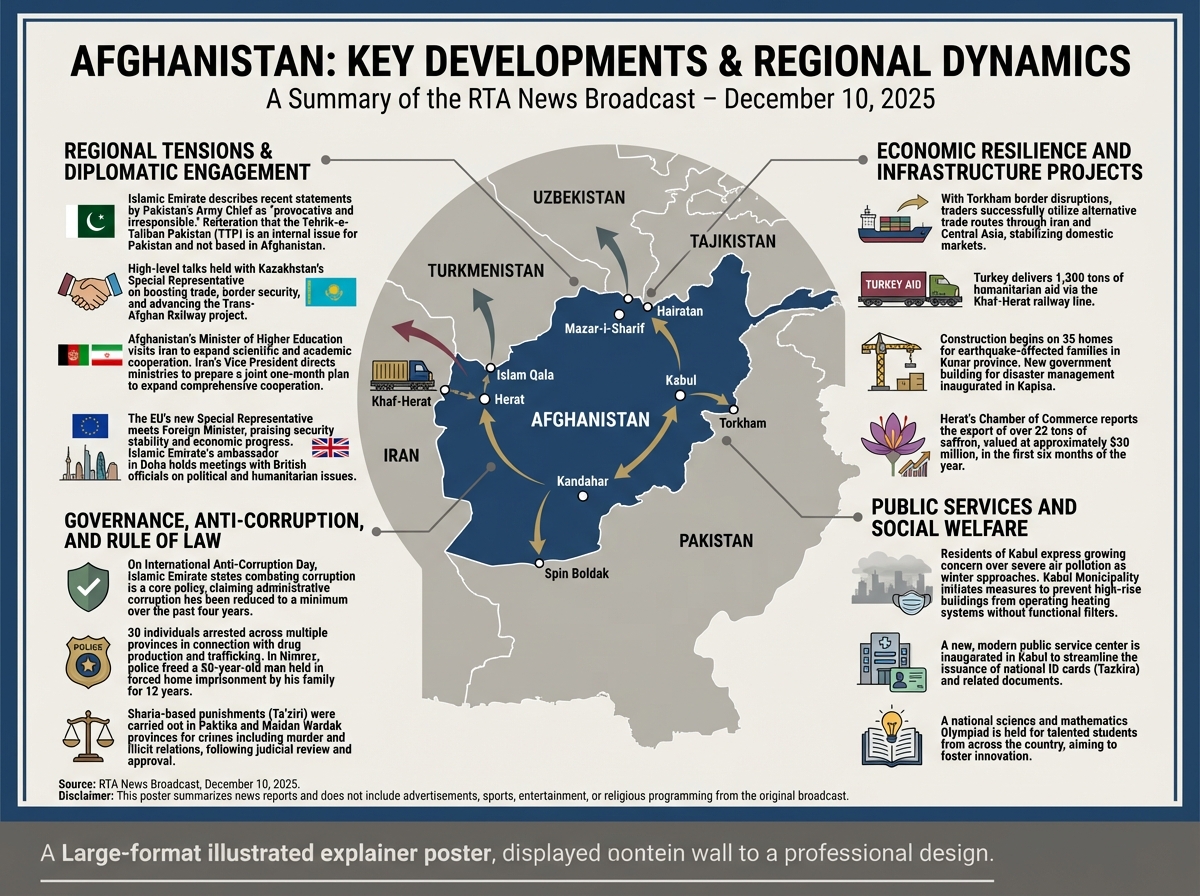
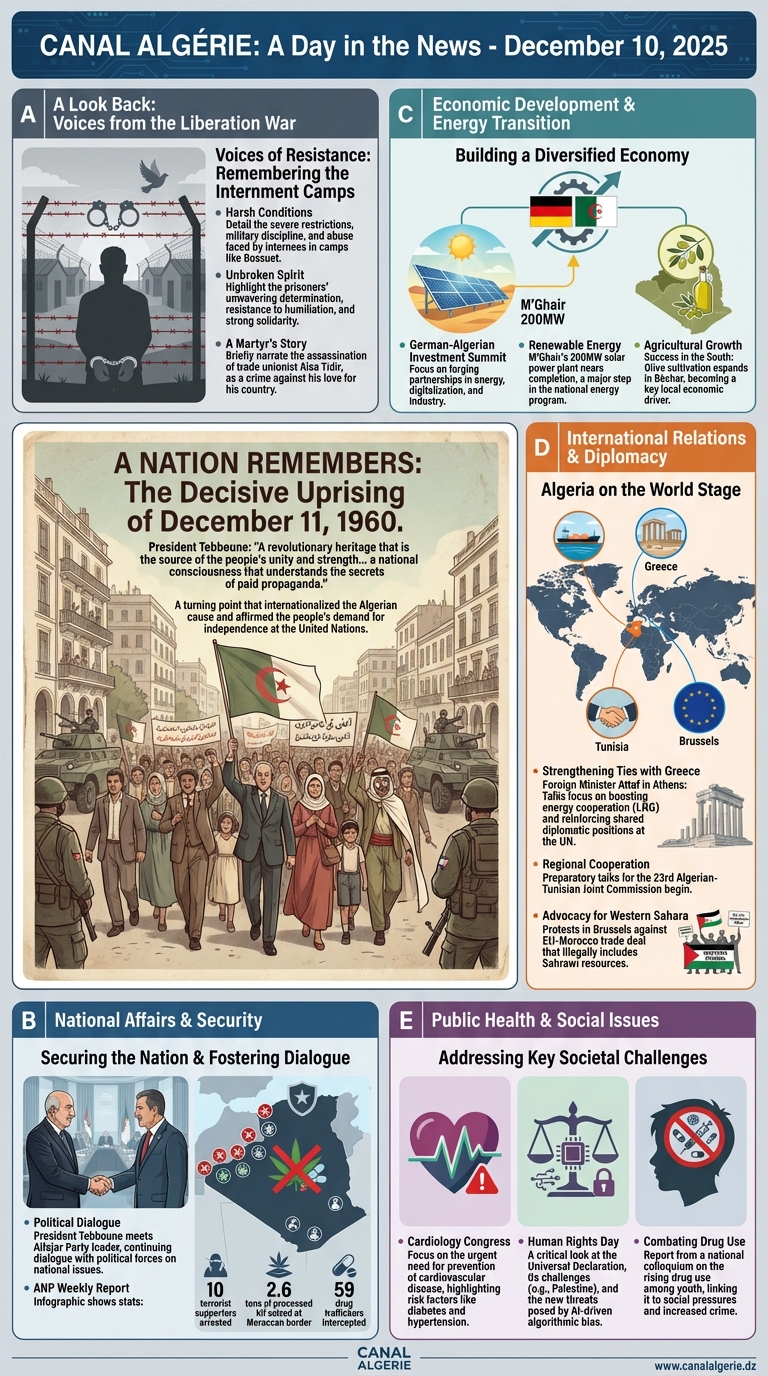
Below you can see each of the individual per-channel infographics we created representing their coverage for the entirety of December 10, 2025 using the following prompt:
Create a prompt for a large illustrated explainer poster designed to be printed on a large-format poster printer and hung up on the wall that narrates the attached broadcast as a single large poster that can be printed and hung on a wall that outlines all of the core details. Focus on the entire broadcast. Only cover news-related portions of the broadcast, ignore advertisements, sports and entertainment. The poster should be entirely in English.
RTA (Afghanistan)
Canal Algérie (Algeria)
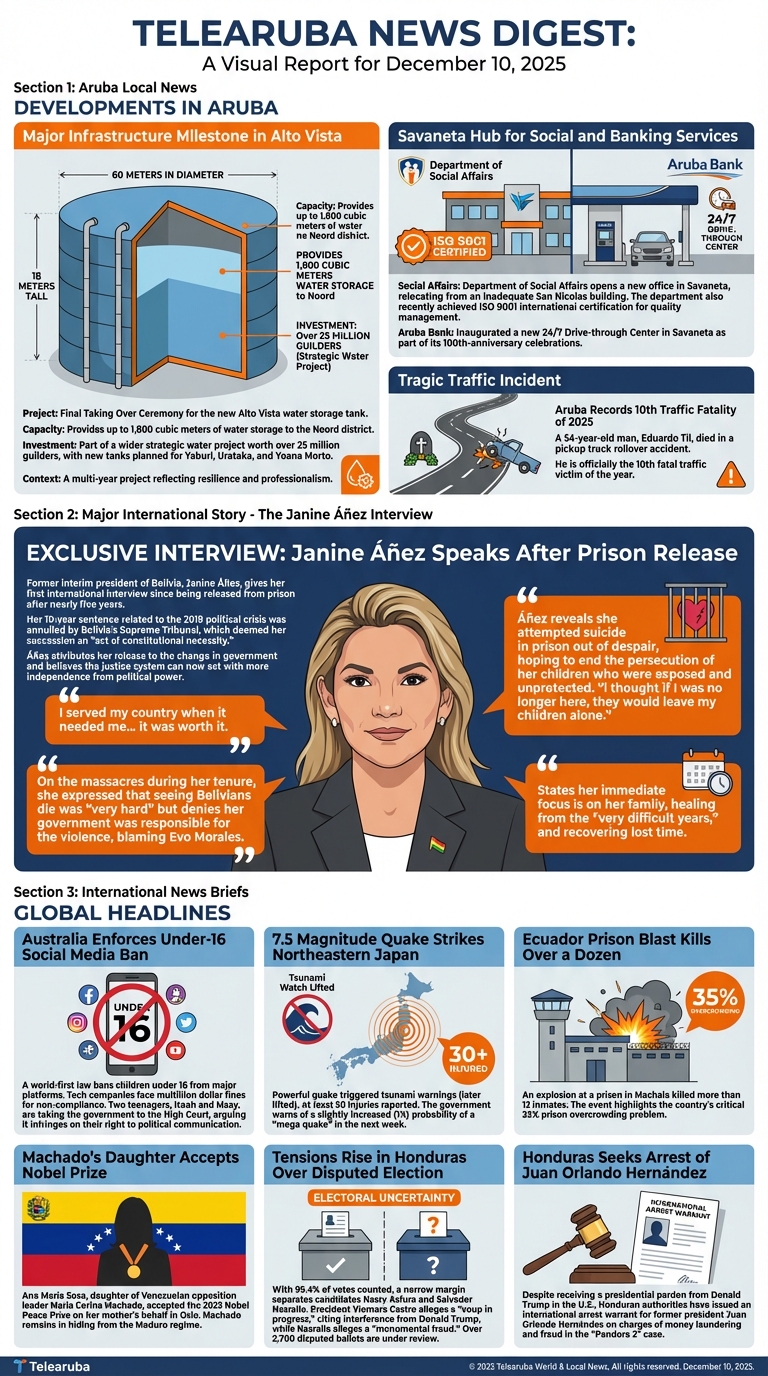
Telearuba (Aruba)
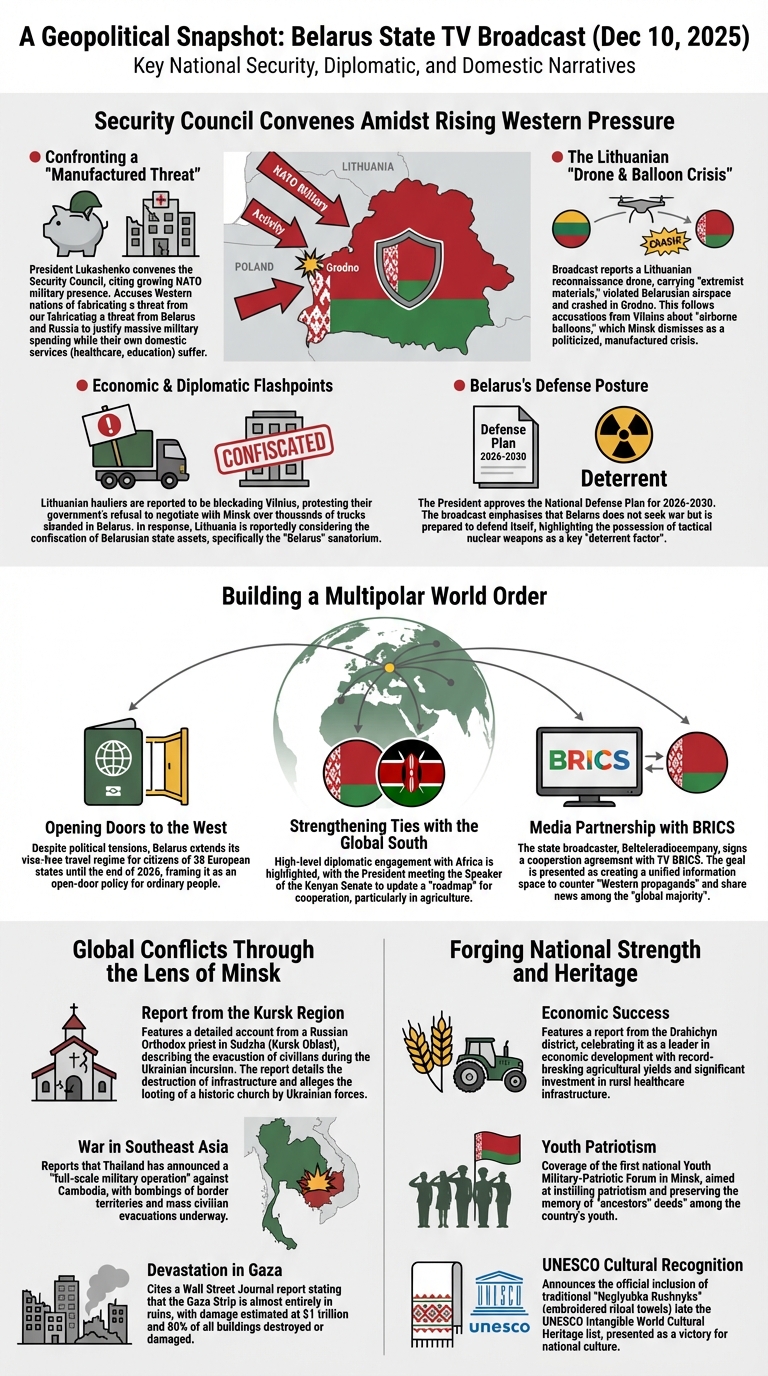
Belarus 24 (Belarus)
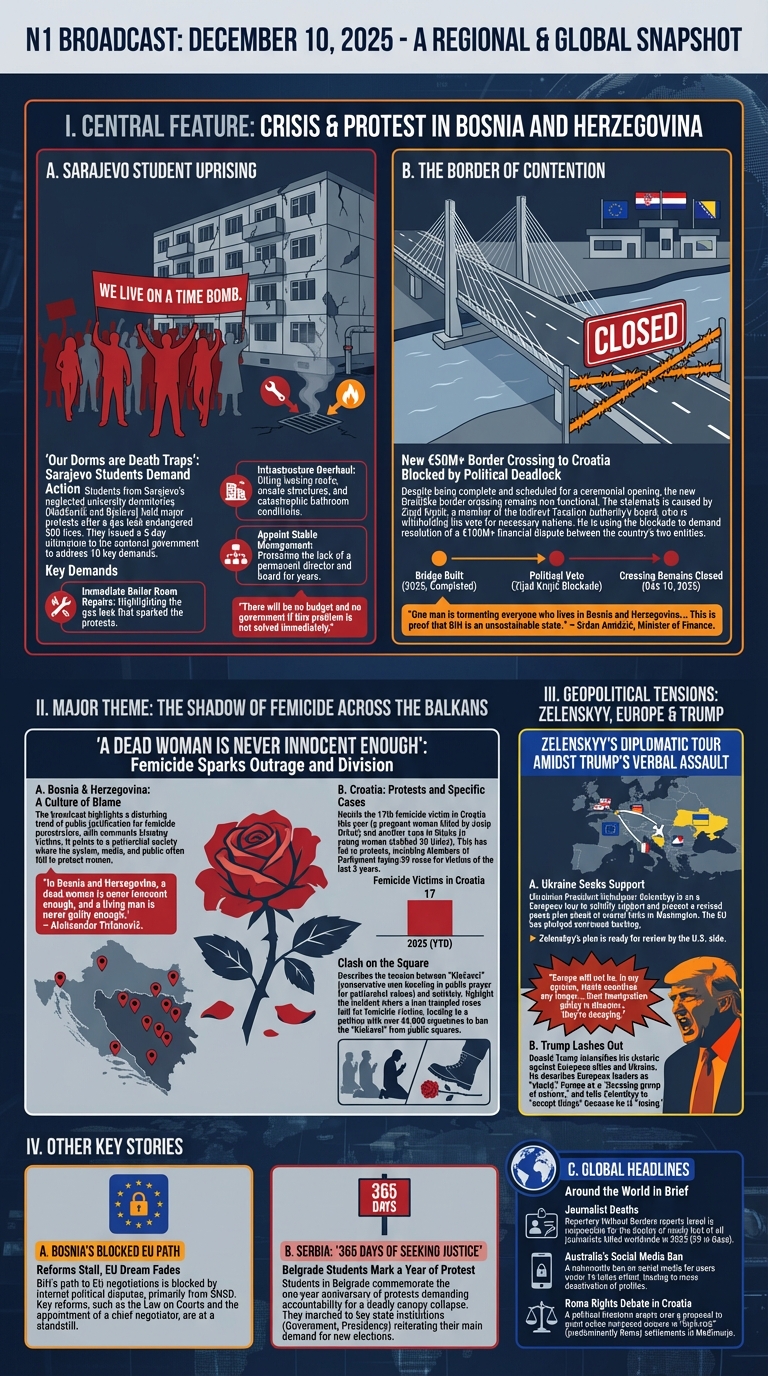
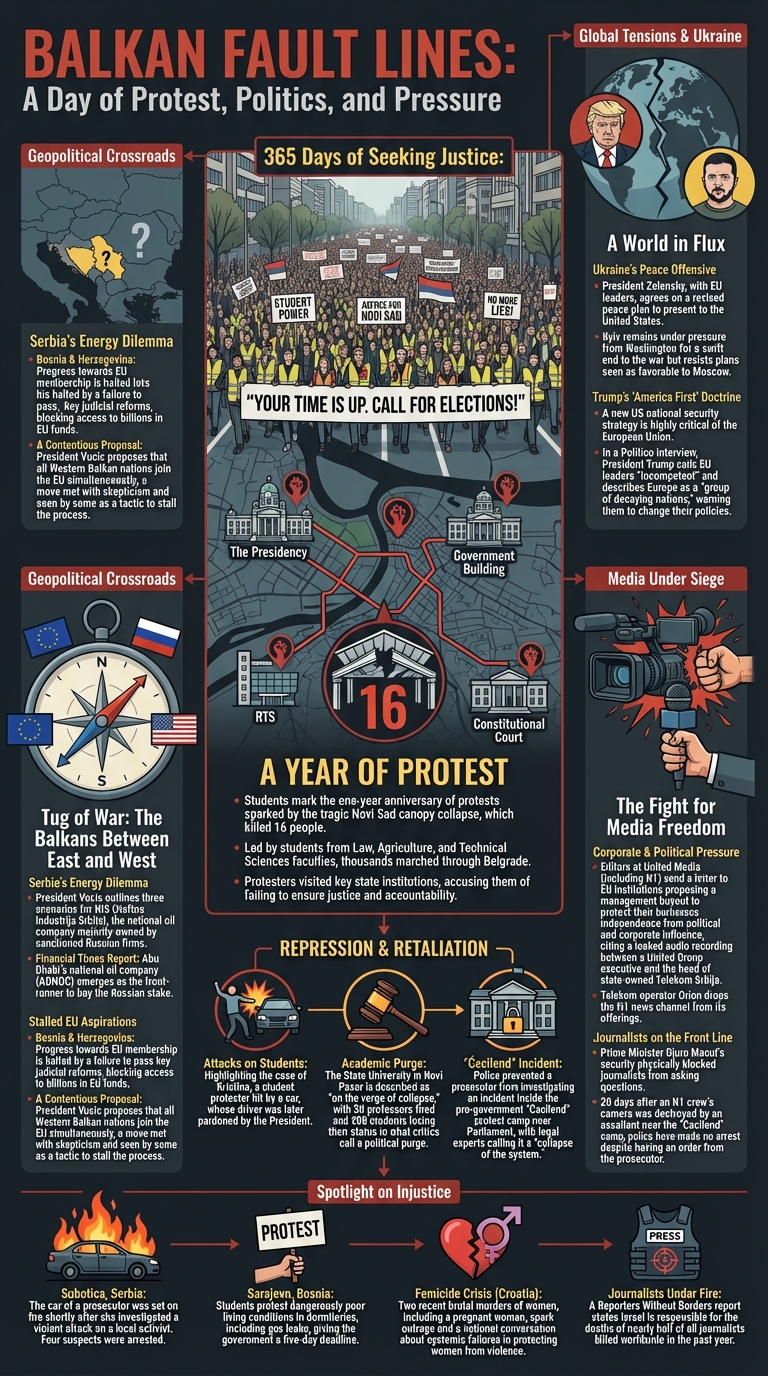
N1 Bosnia and Herzegovina (Bosnia and Herzegovina)
TV3 (Catalonia)

CCTV-1 (China)
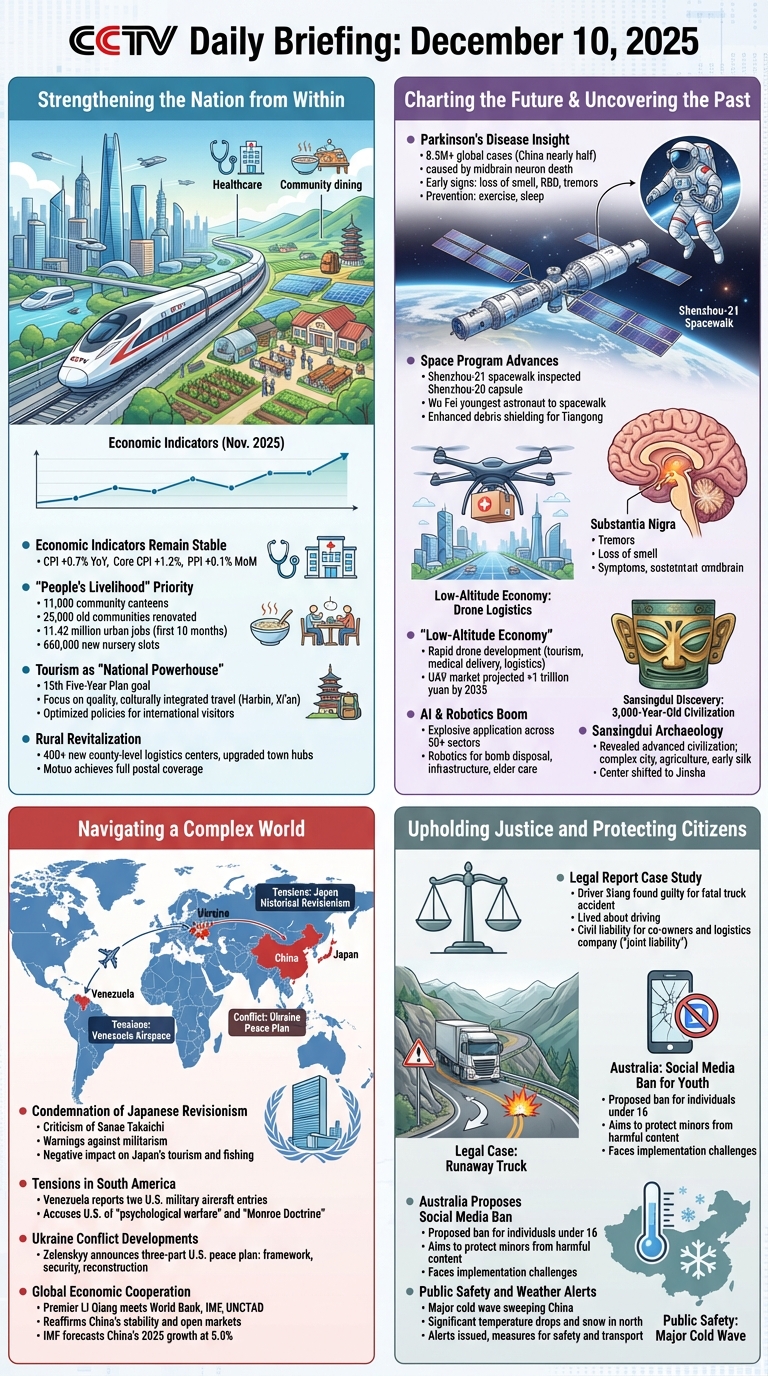
CCTV-13 (China)

N1 Croatia (Croatia)
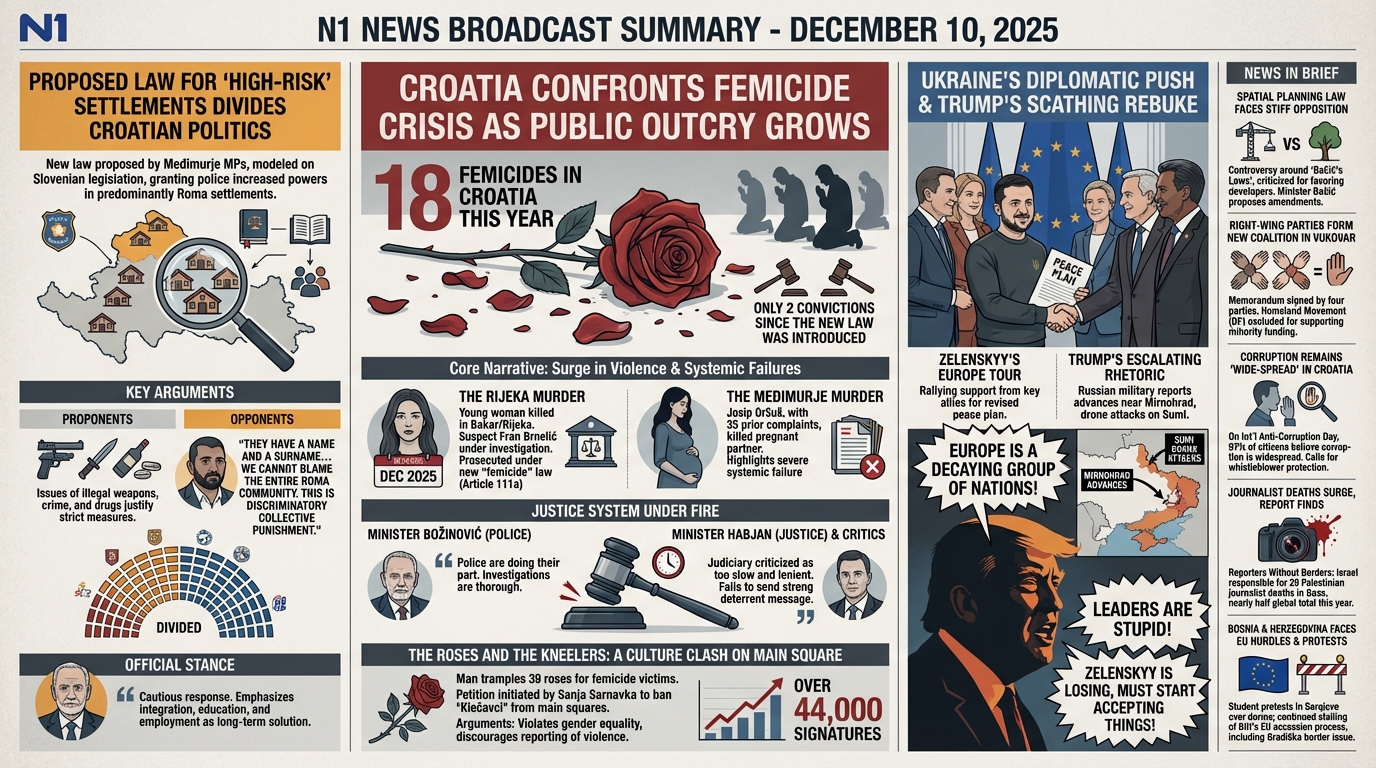
Current Time TV (Czech Republic)
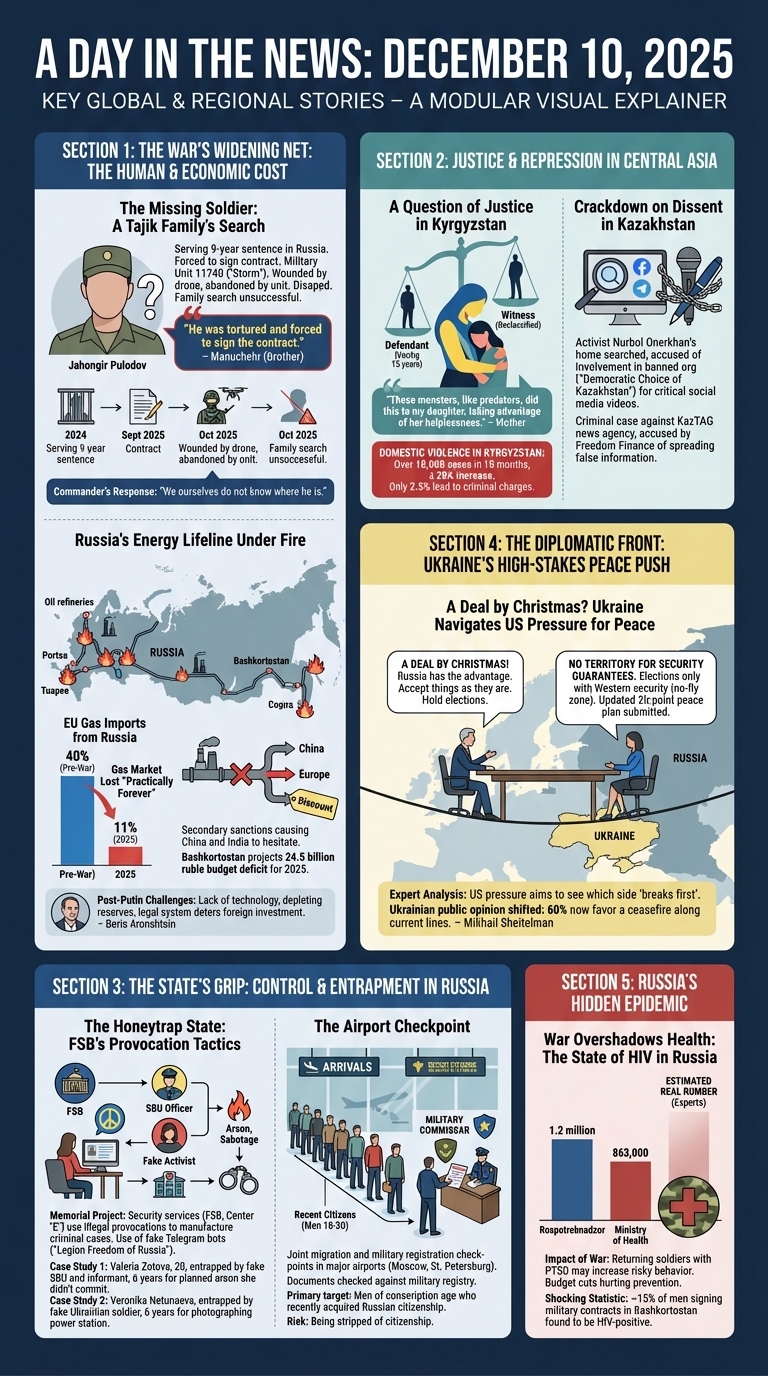
Deutsche Welle (DW) English (Germany)
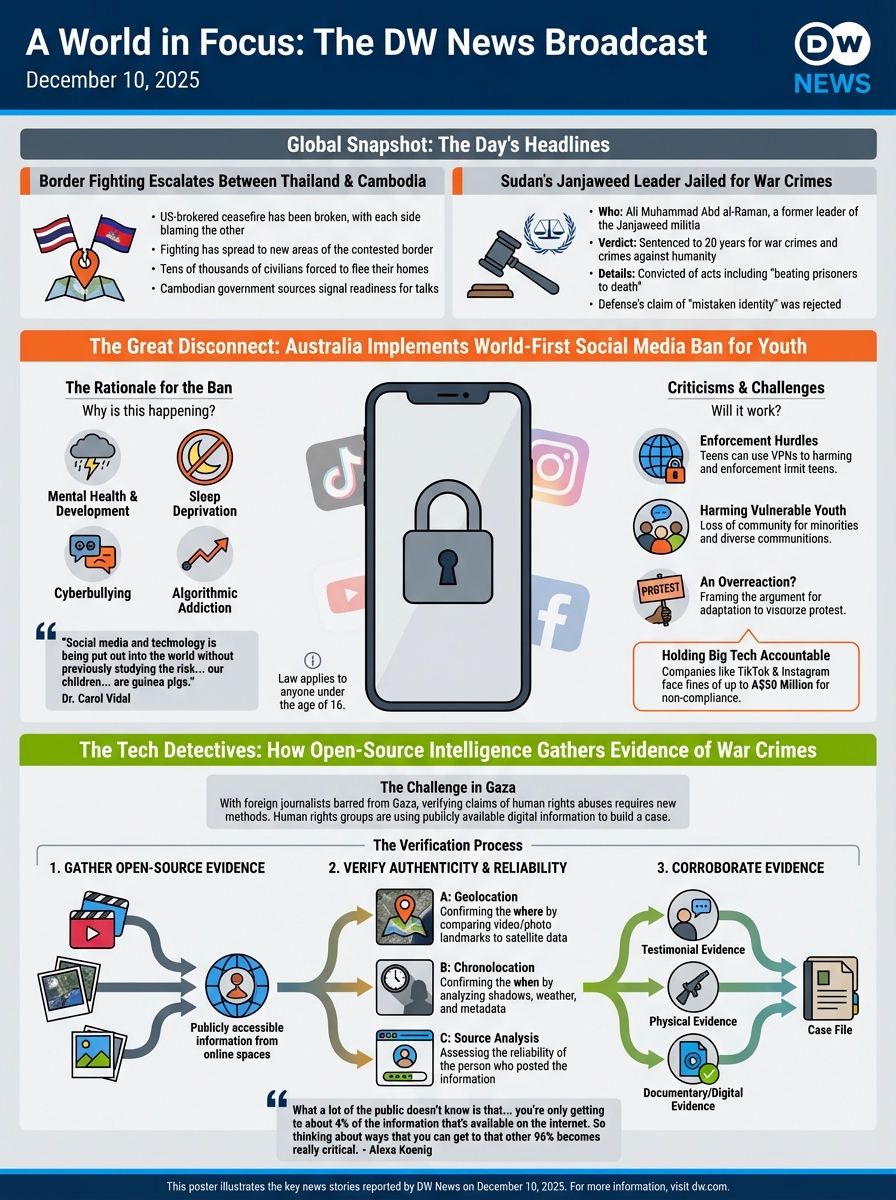
M1 (Hungary)
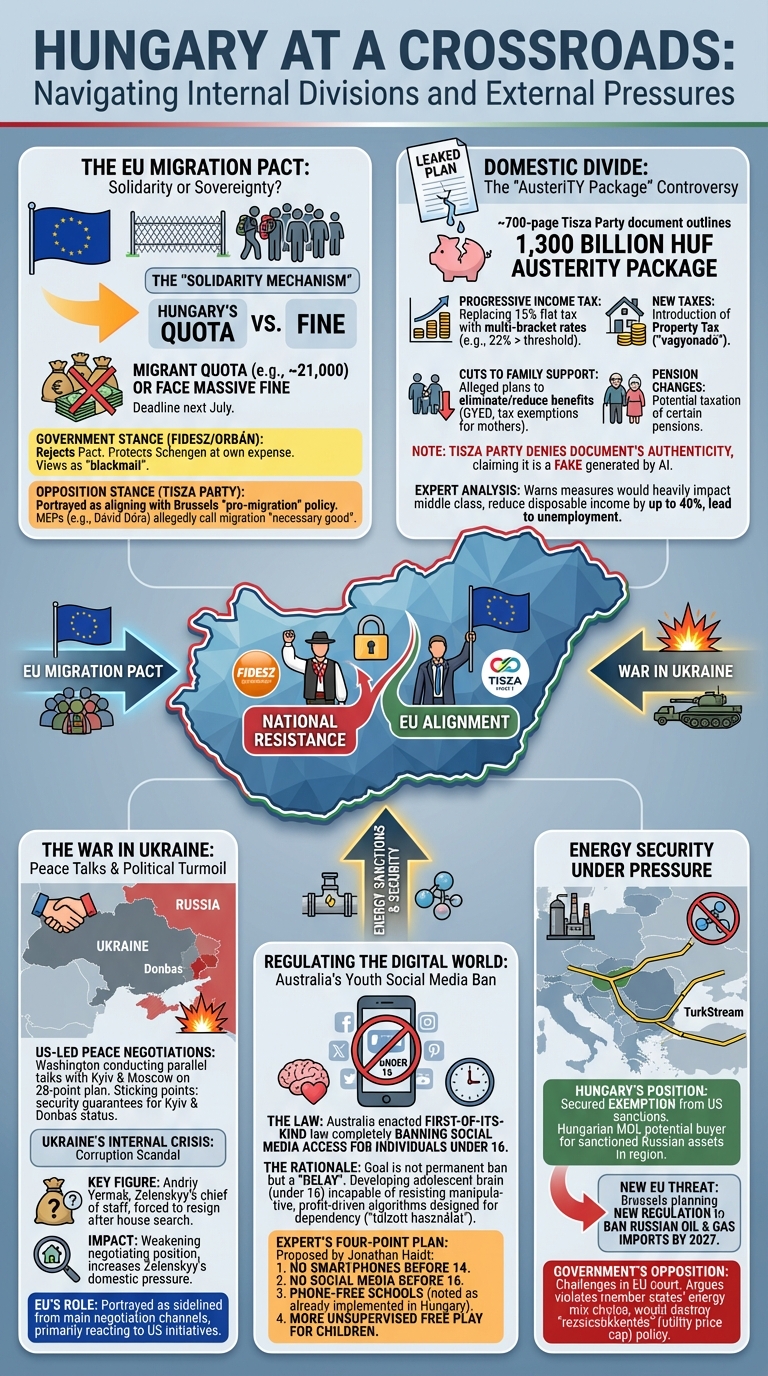
Metro TV (Indonesia)
TVRI (Indonesia)
IRINN (Iran)
Press TV (Iran)
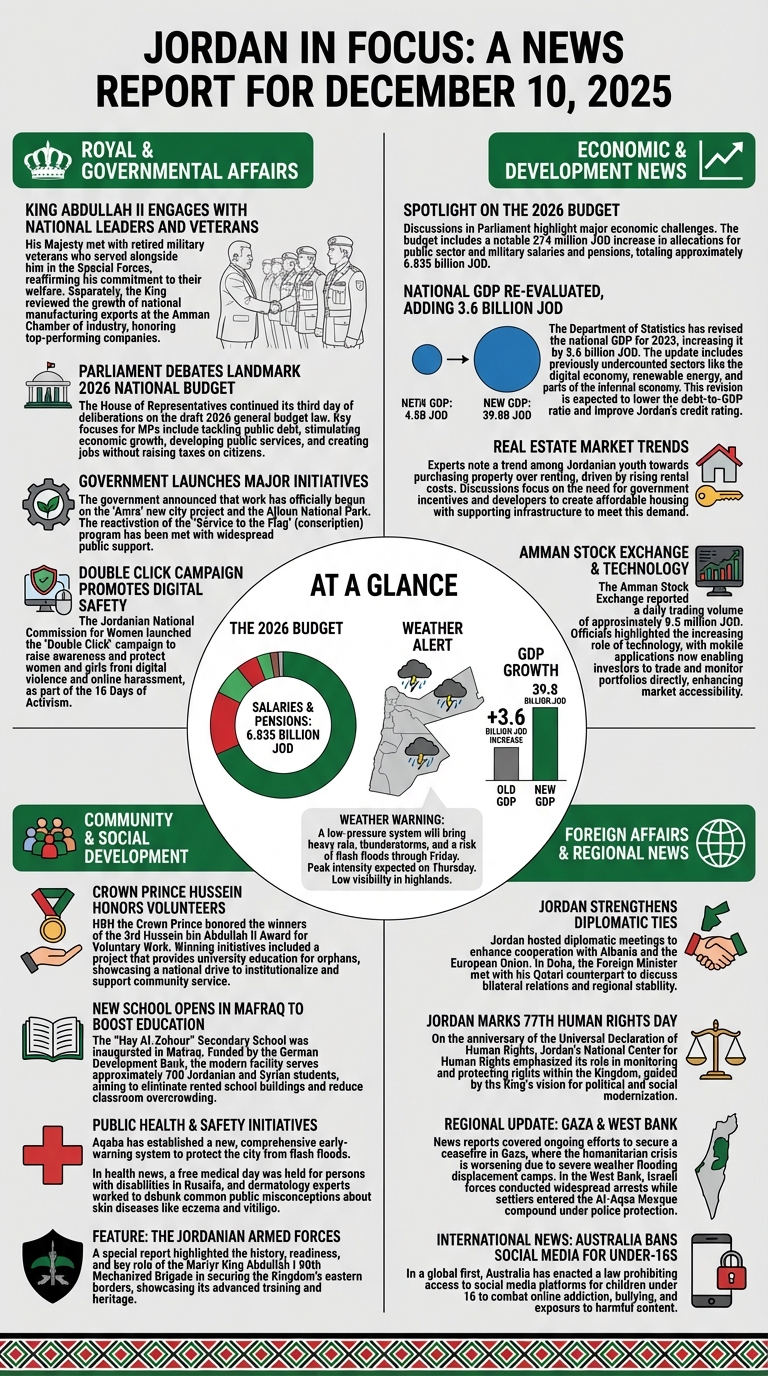
Jordan TV (Jordan)
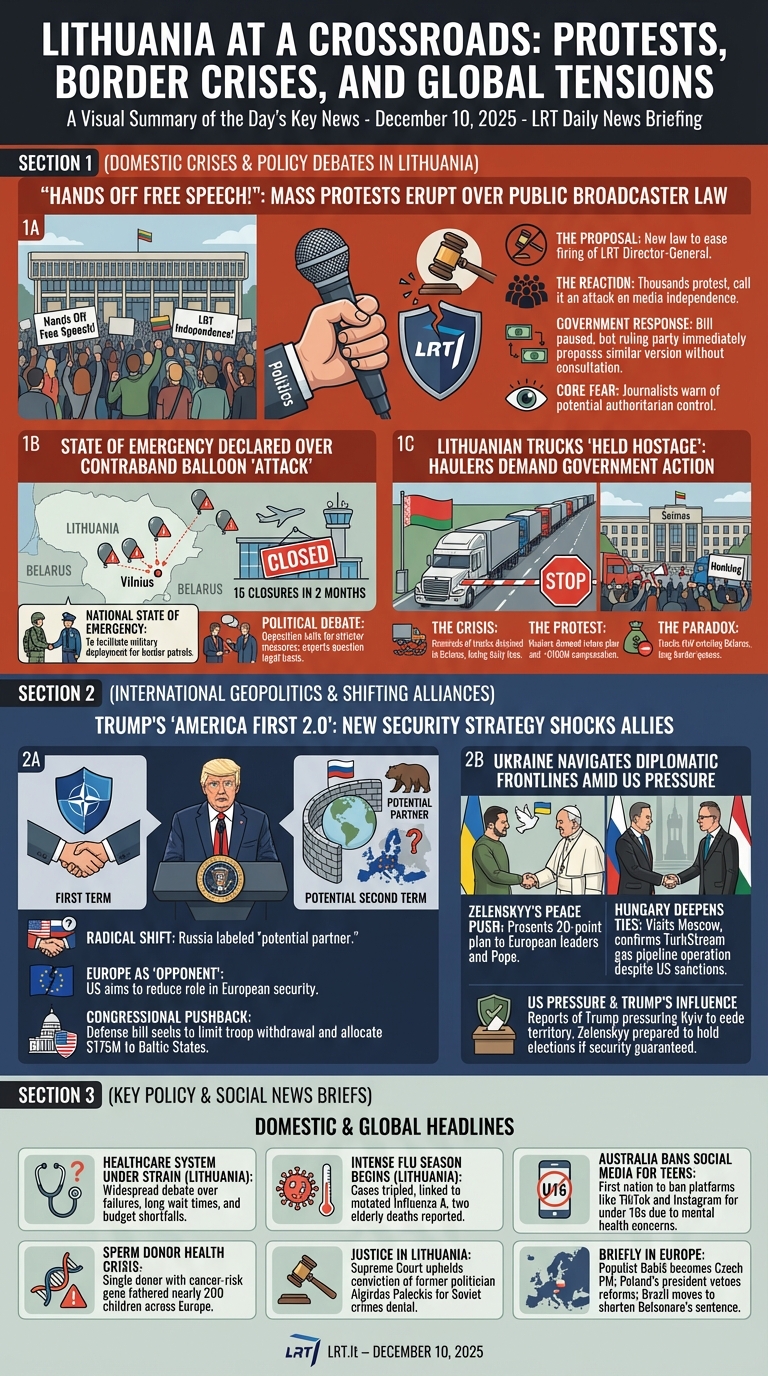
LRT televizija (Lithuania)
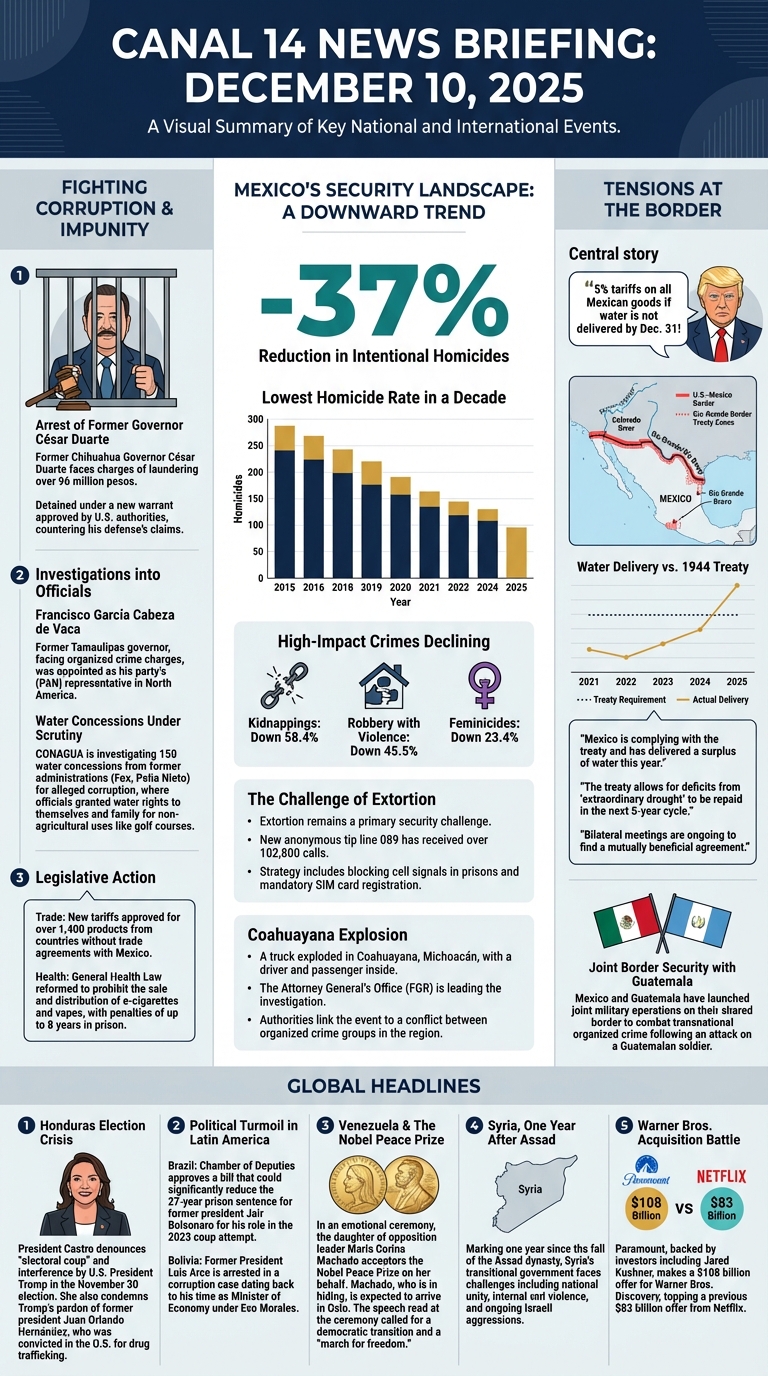
Canal Catorce (Mexico)
TVP Info (Poland)

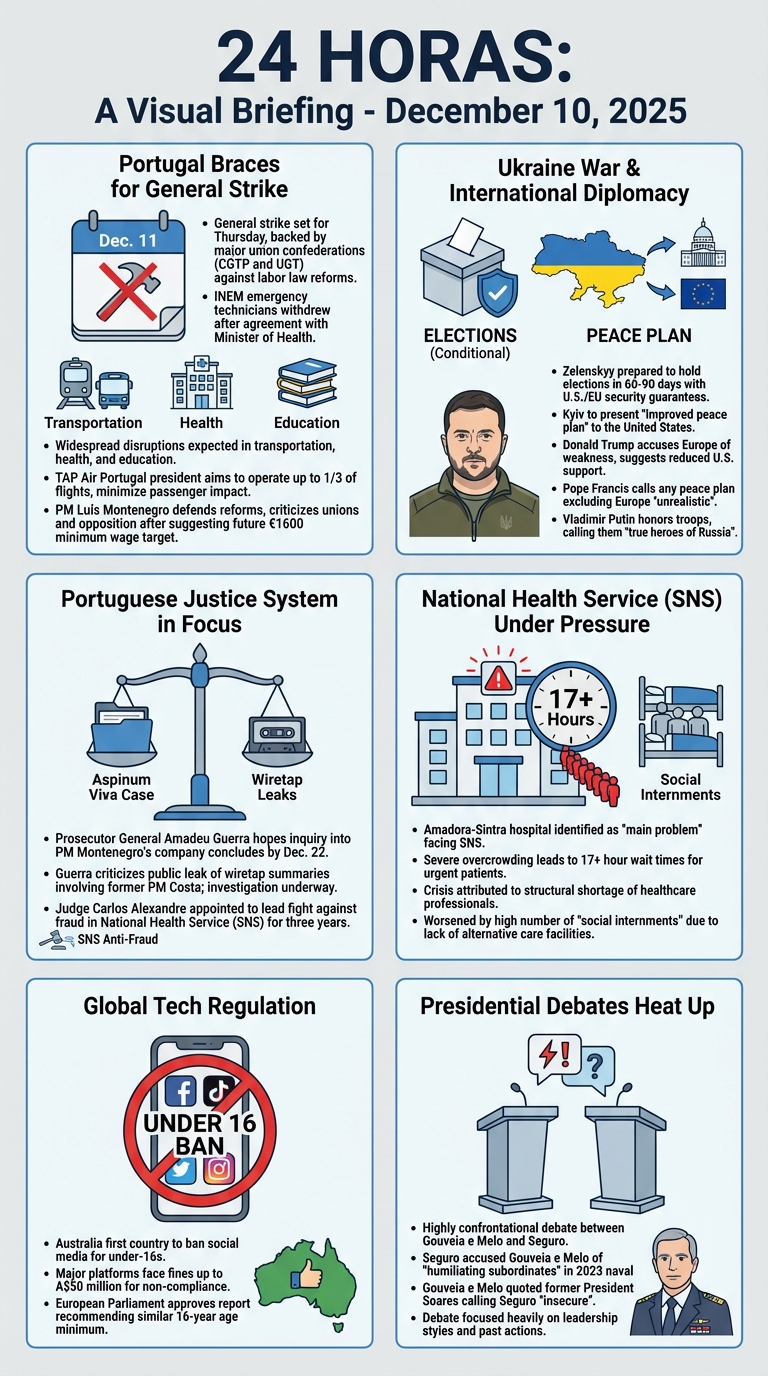
RTP Internacional (Portugal)
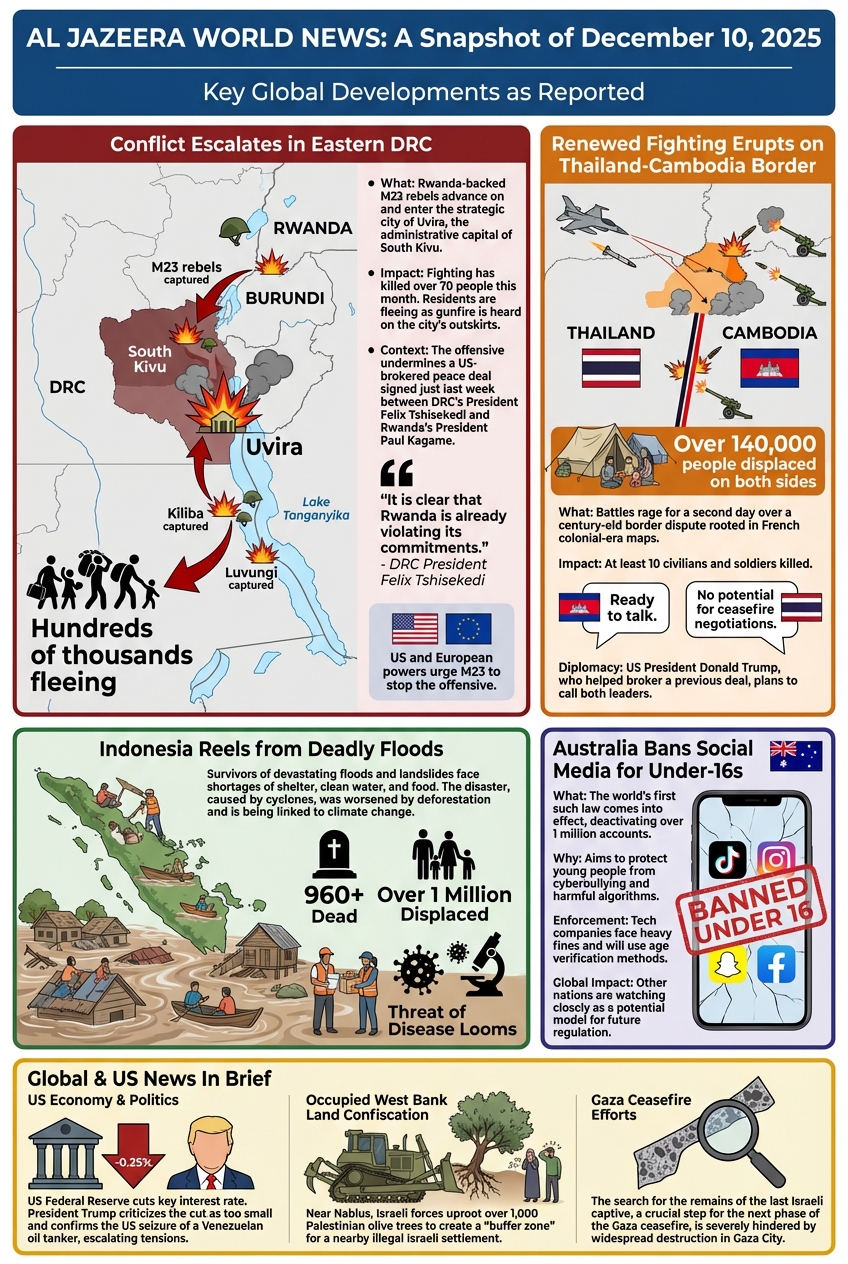
Al Jazeera English (Qatar)
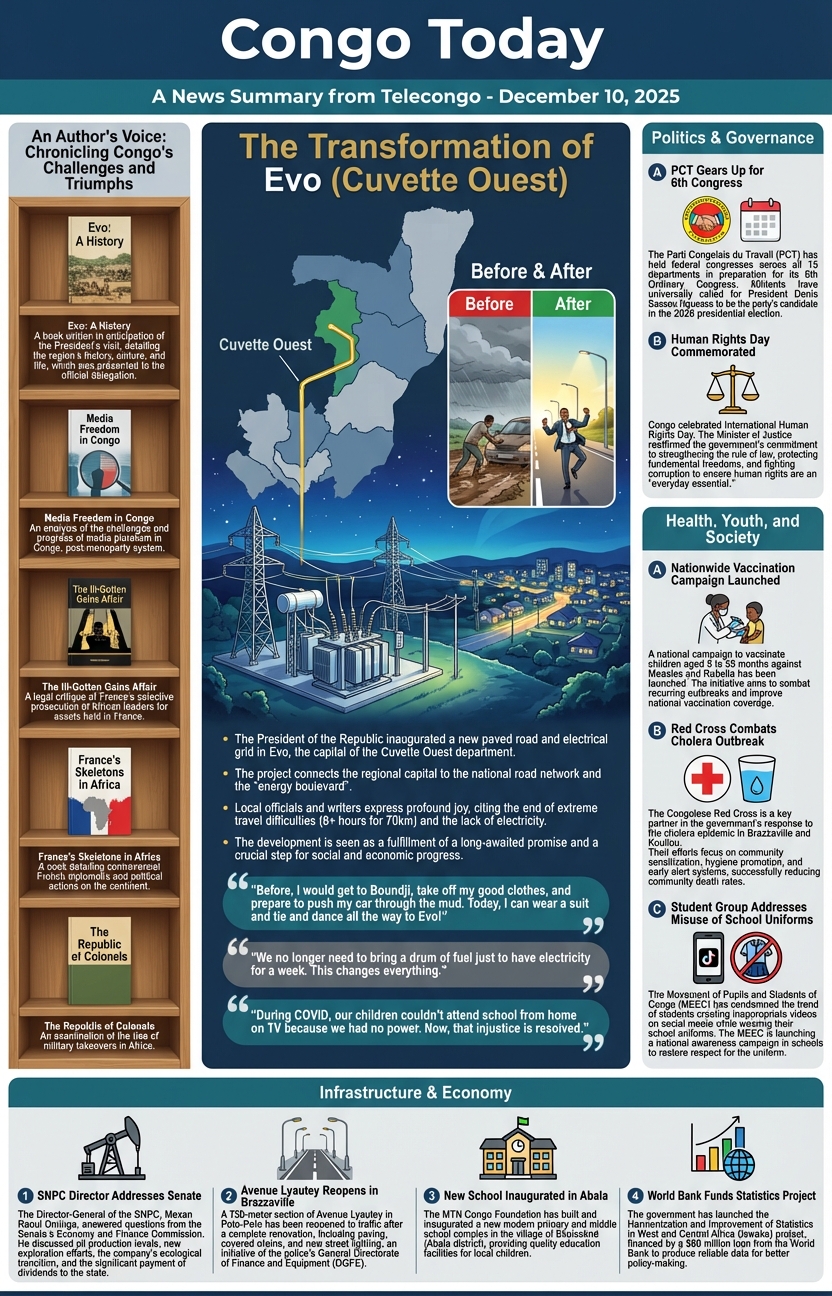
Télé Congo (Republic of Congo)
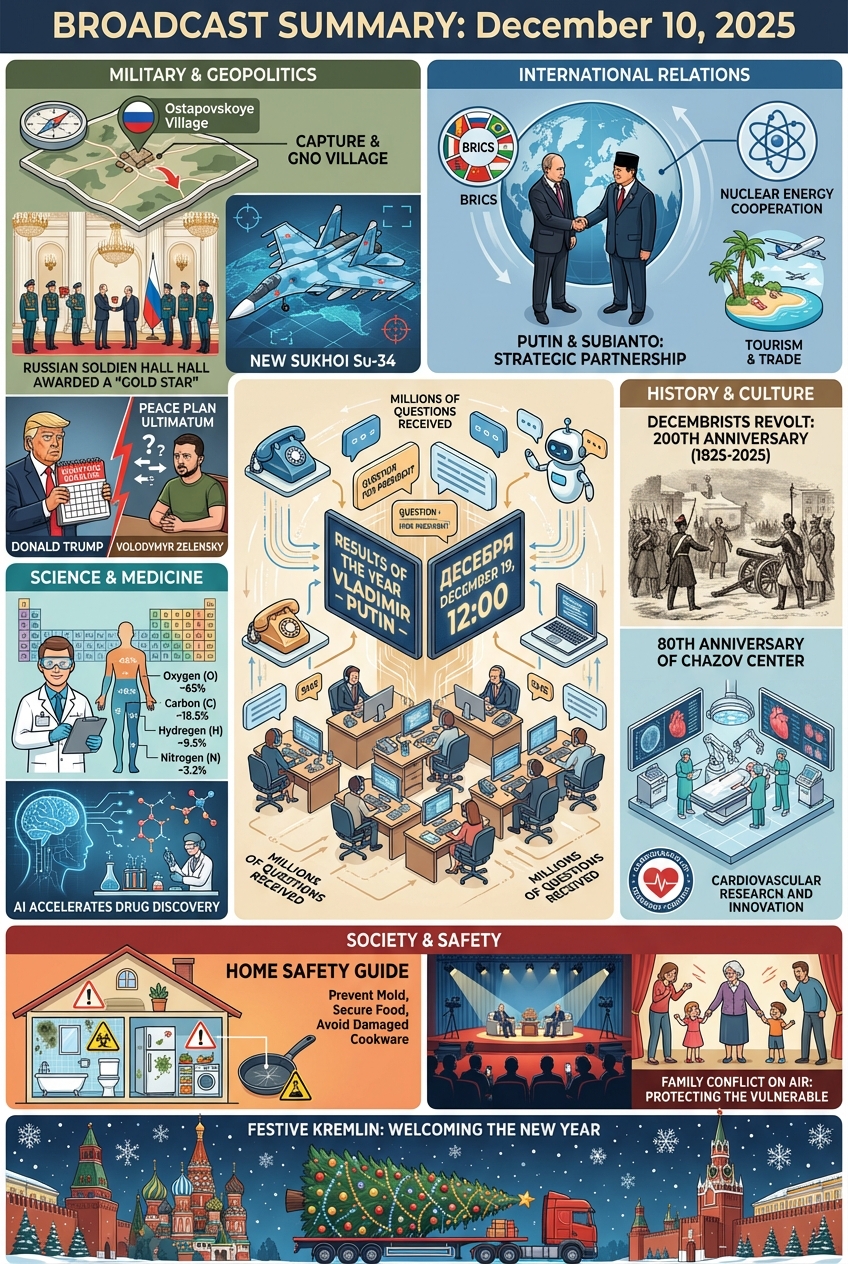
1TV (Russia)
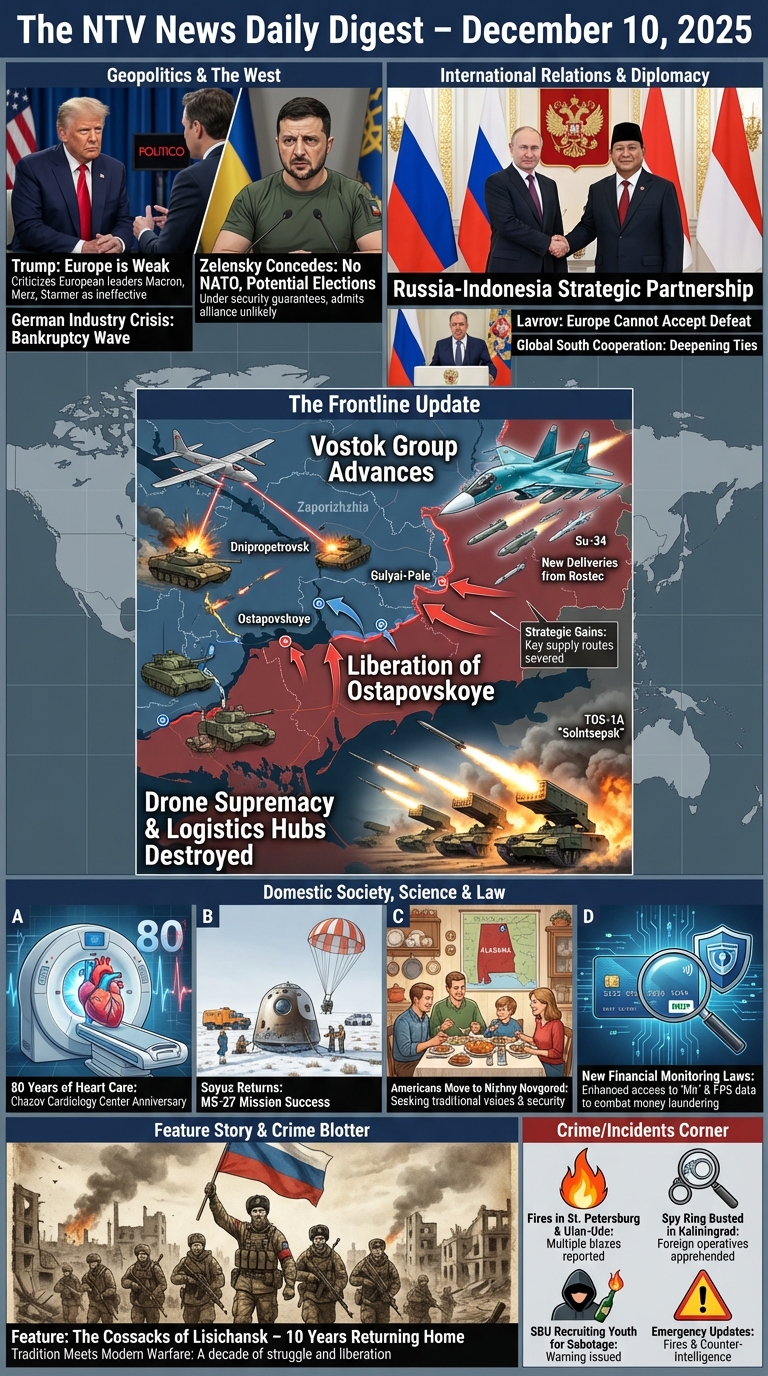
NTV (Russia)
Russia 1 (Russia)
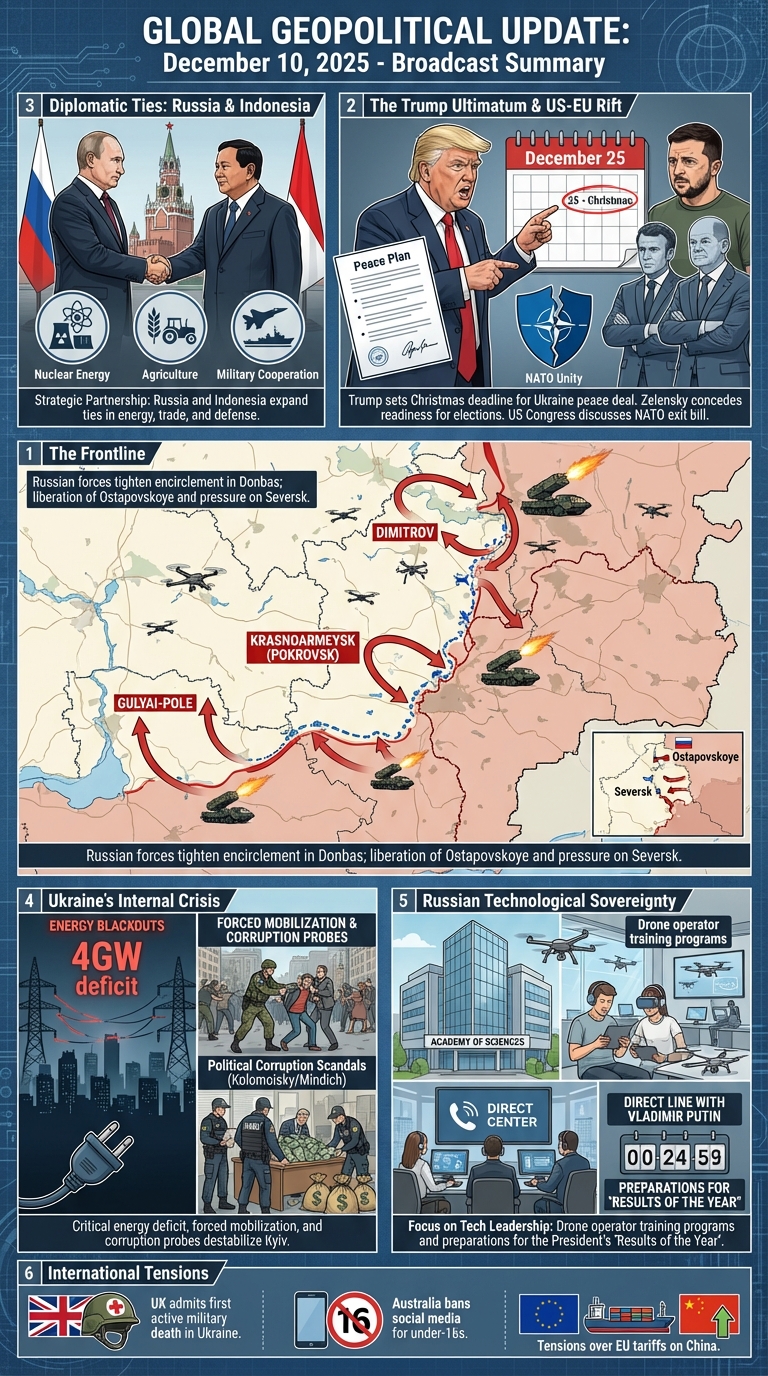
Russia 24 (Russia)
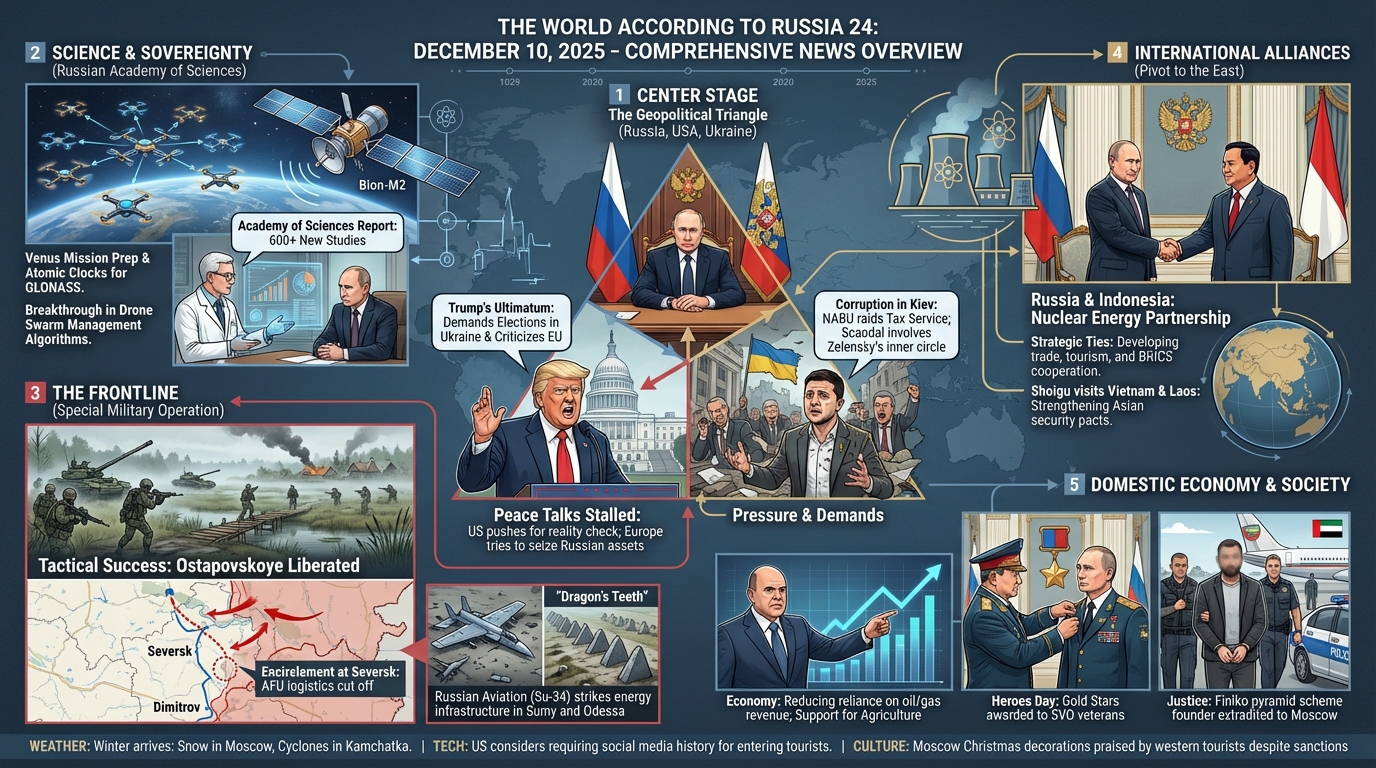
Zvezda (Russia)
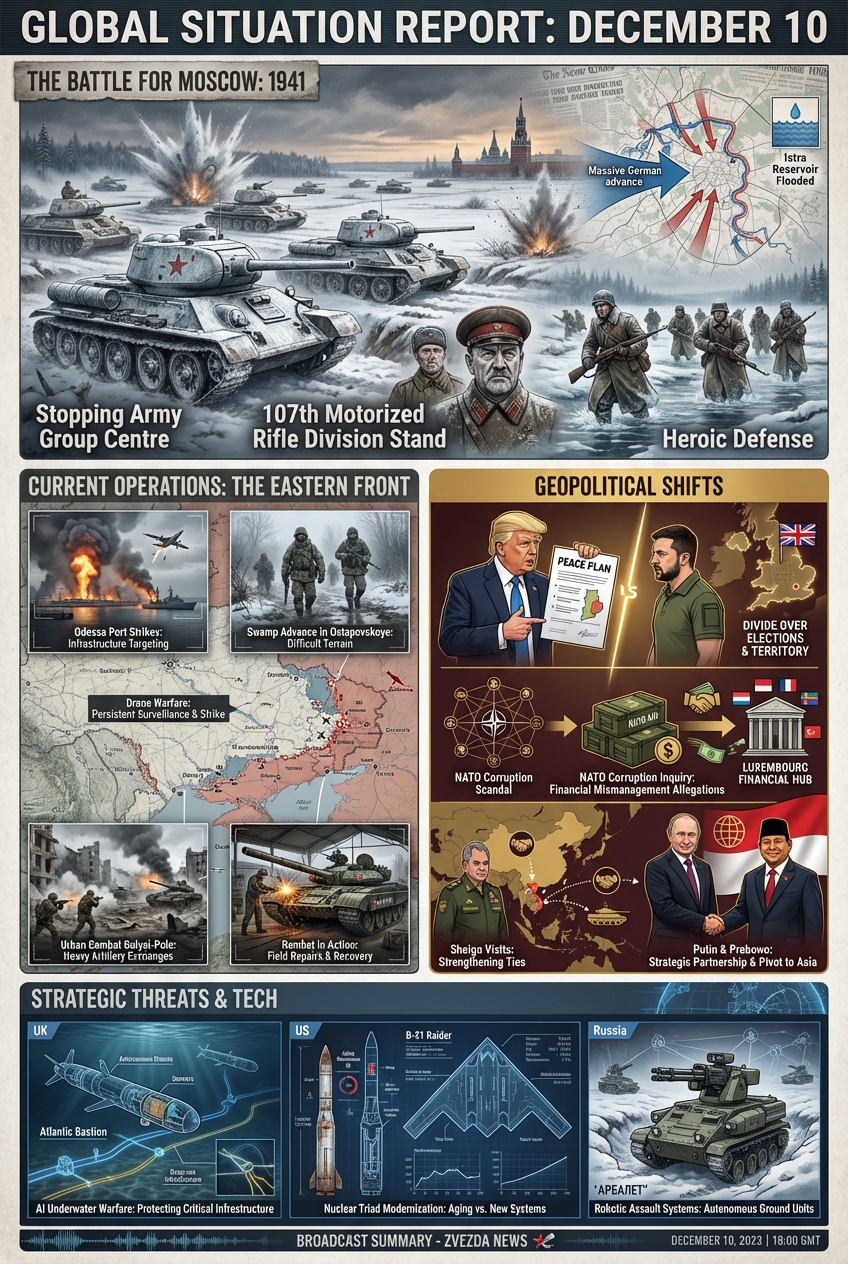
Russia Today (Russia (English Language))
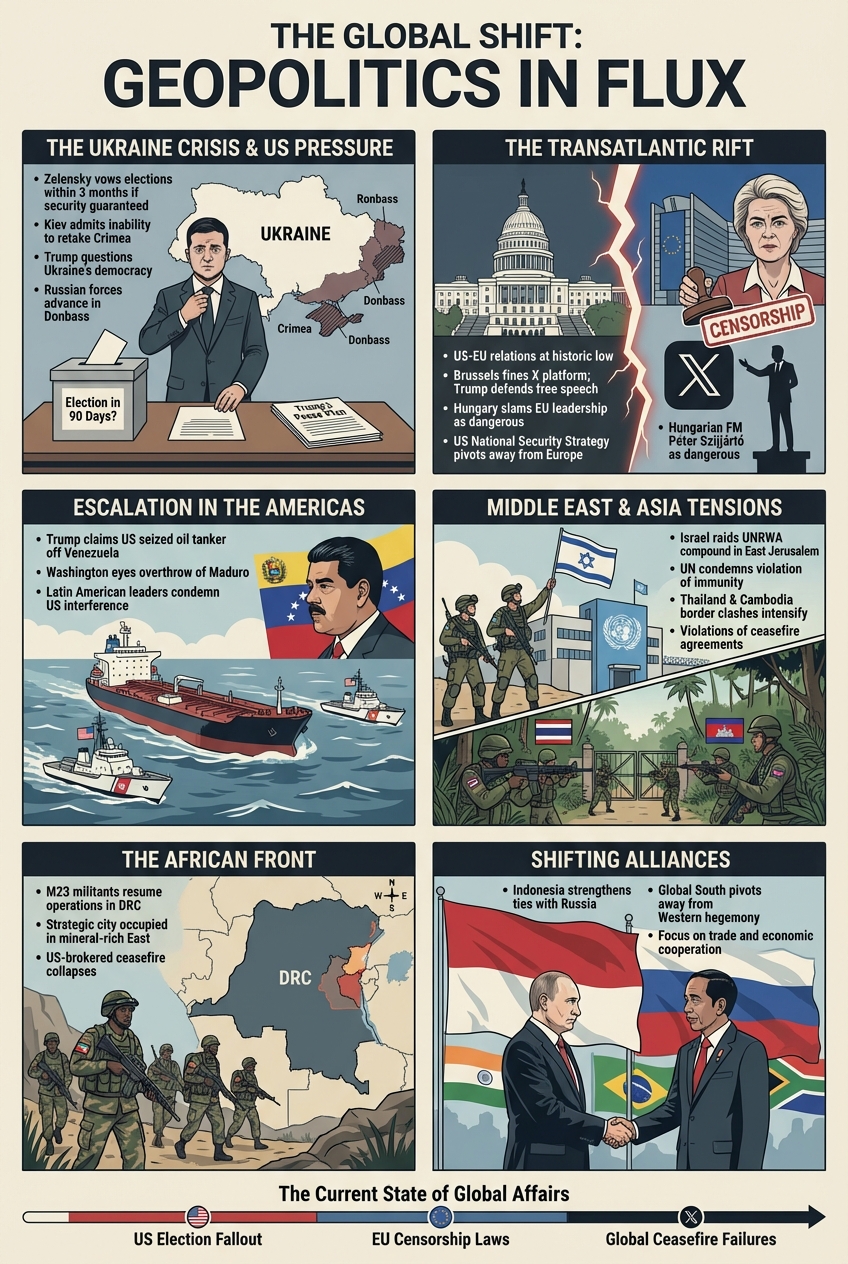
N1 Serbia (Serbia)
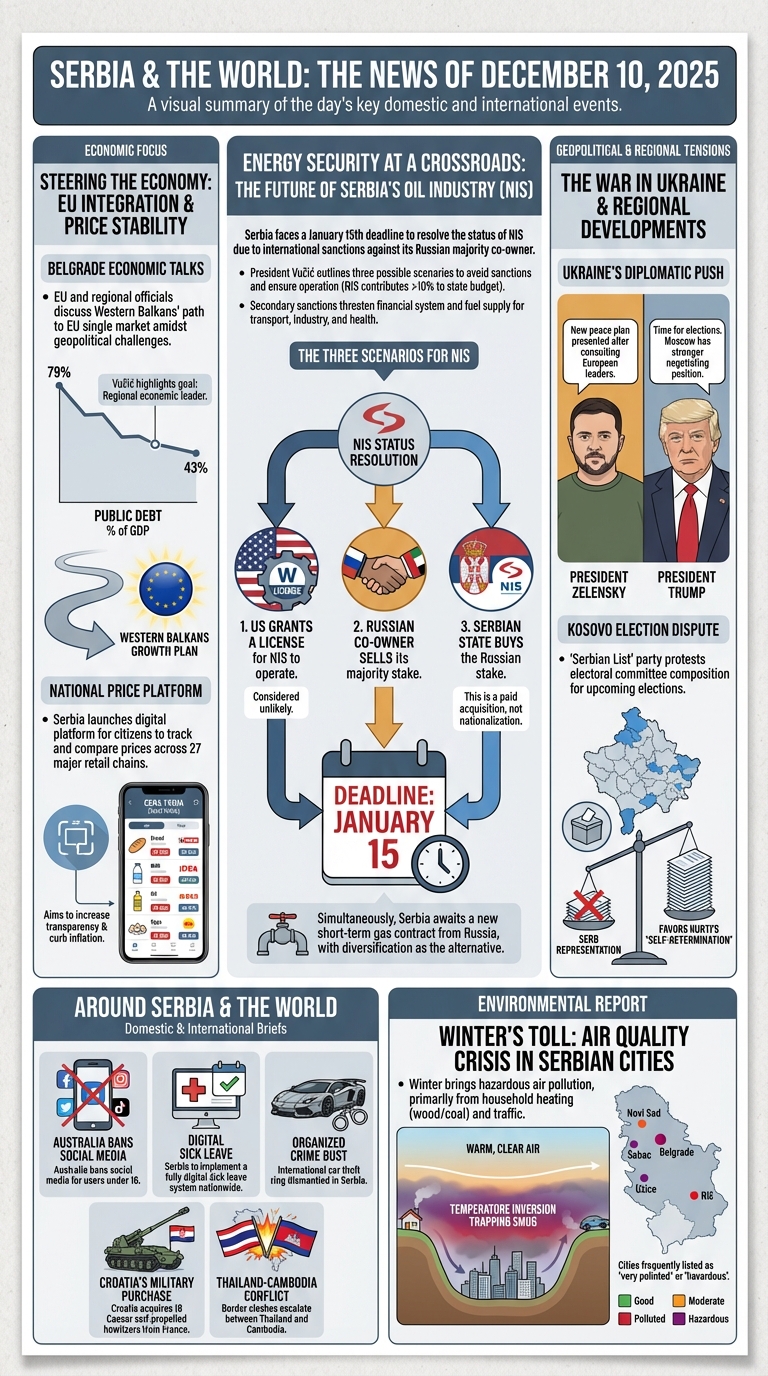
RTS 1 (Serbia)
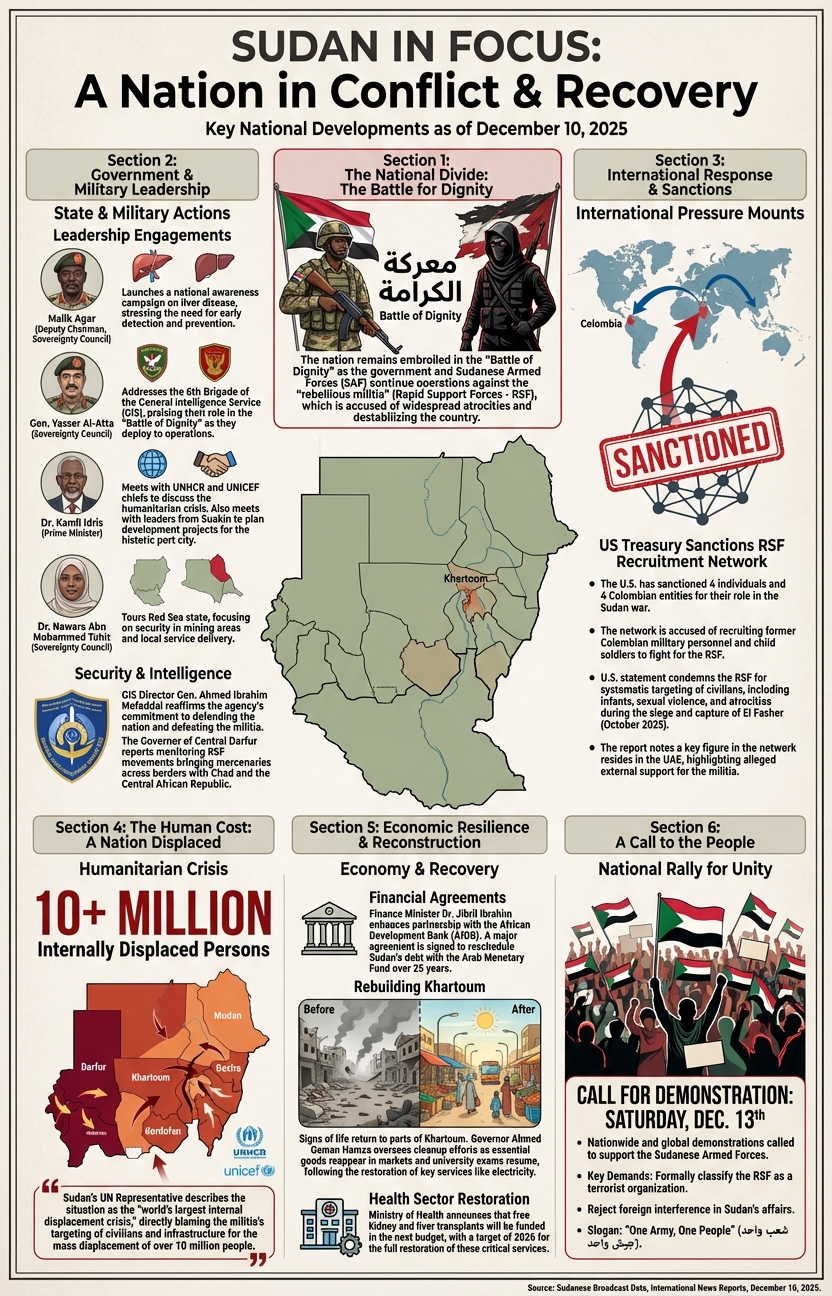
Sudan State TV (Sudan)
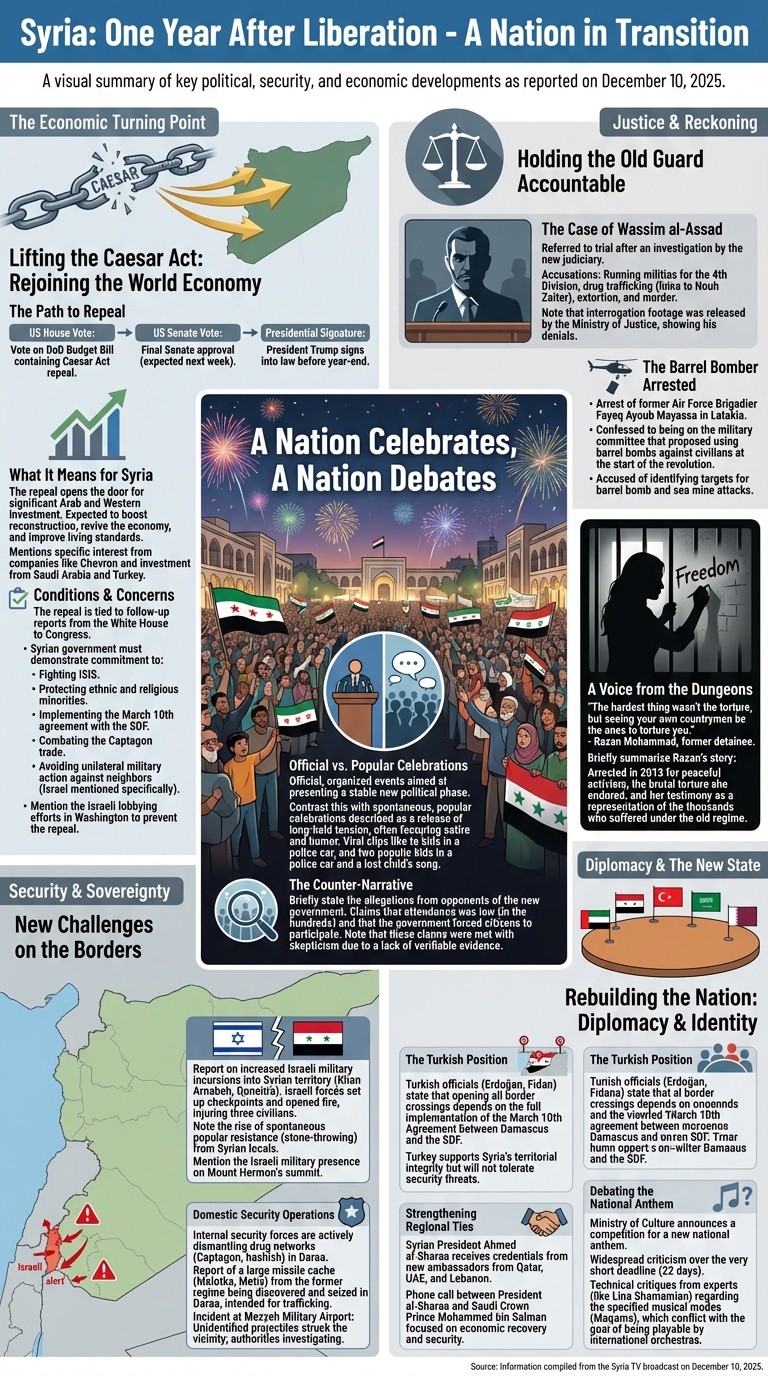
Syria TV (Syria)
Syrian News Channel (Syria)
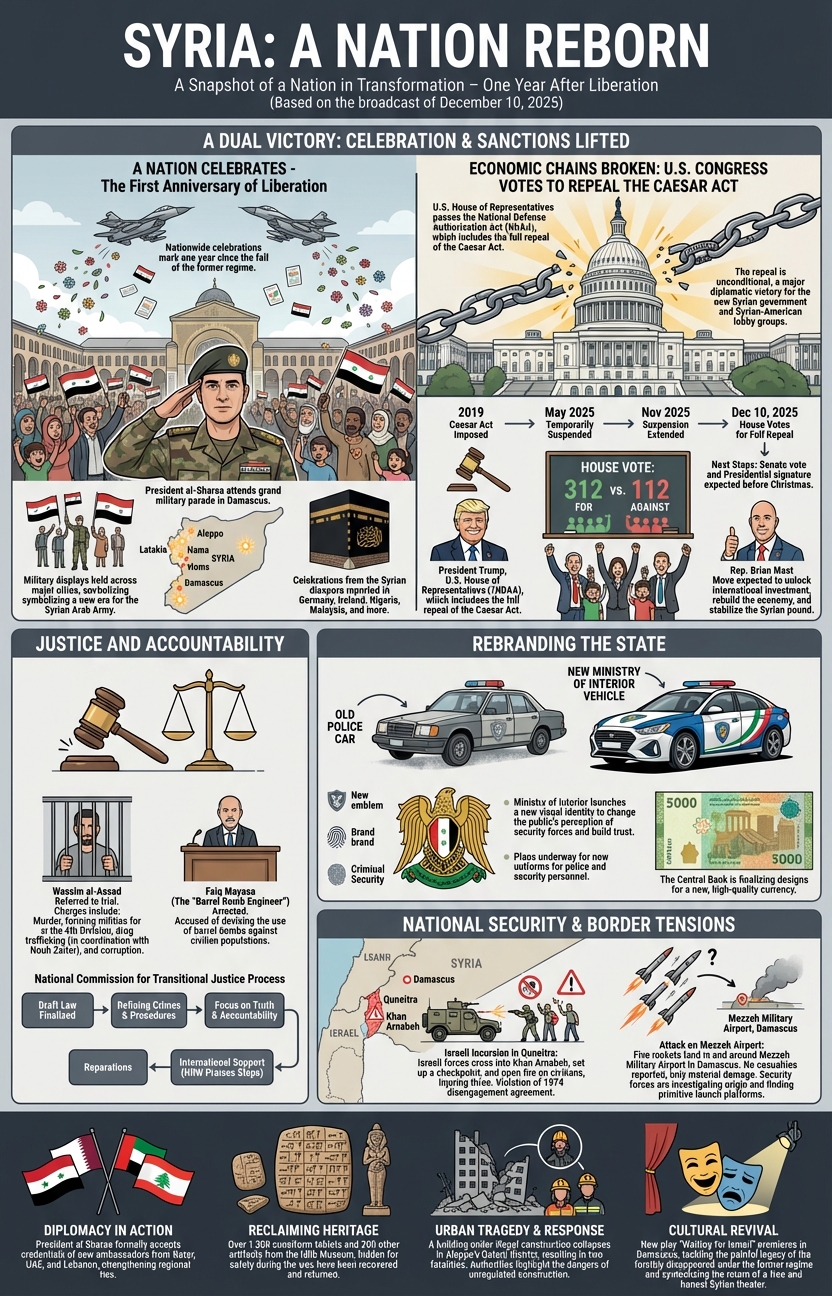
China Television (CTV) (Taiwan)
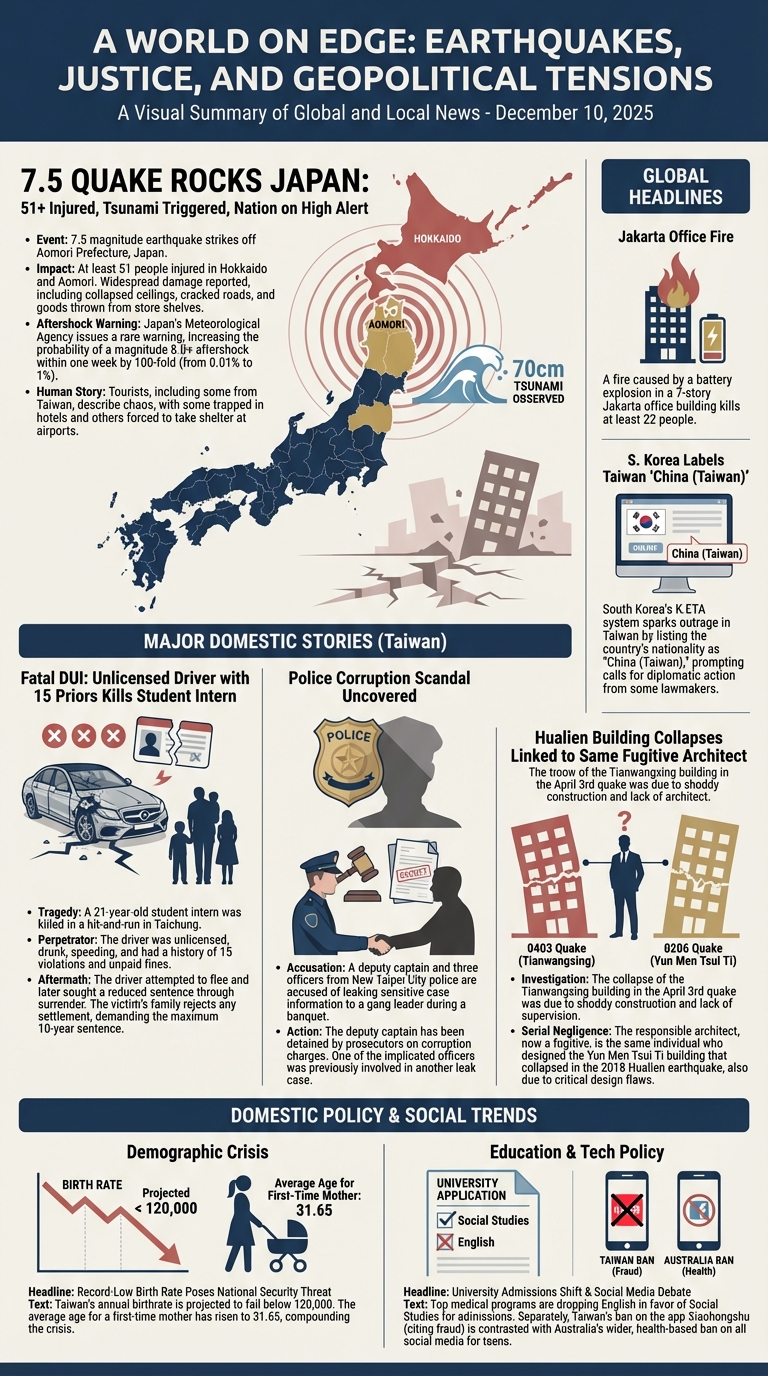
Taiwan Television (TTV) (Taiwan)
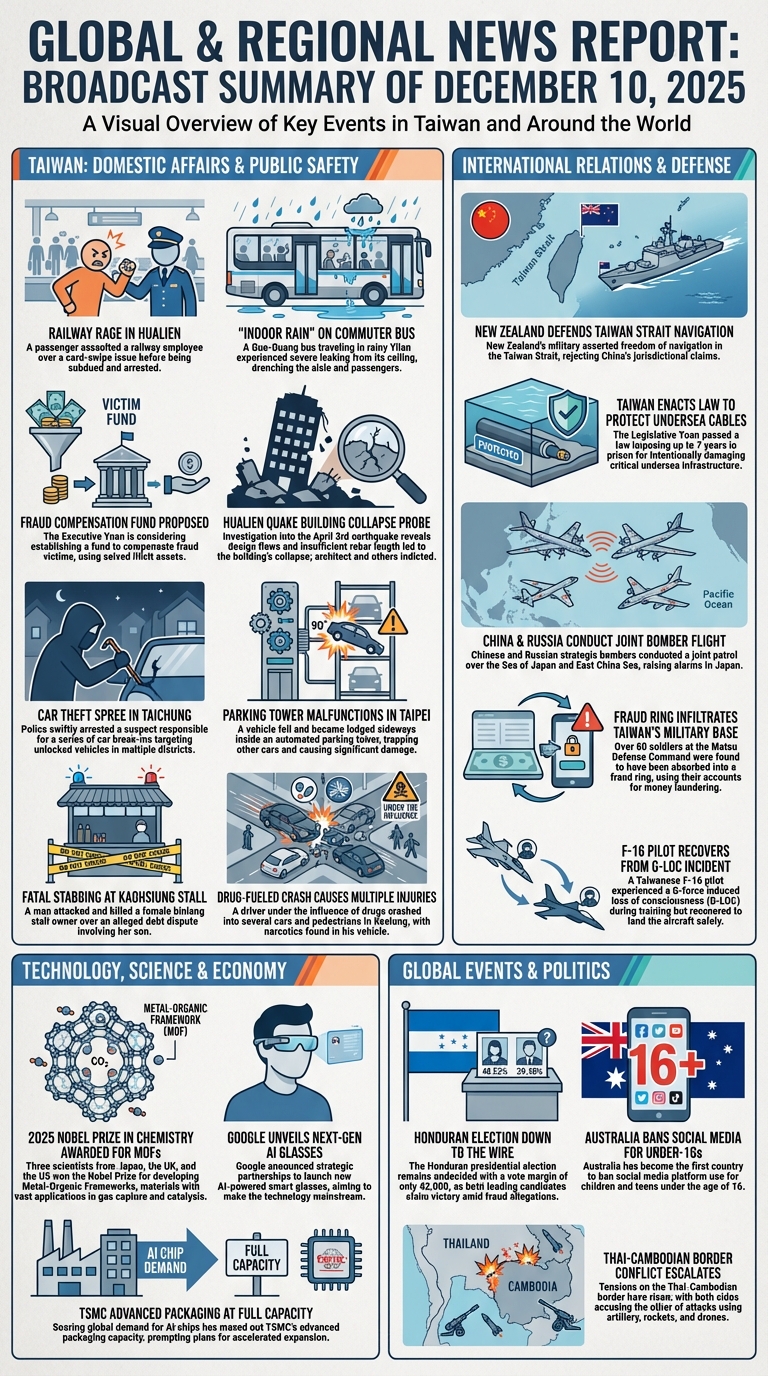
Espreso TV (Ukraine)
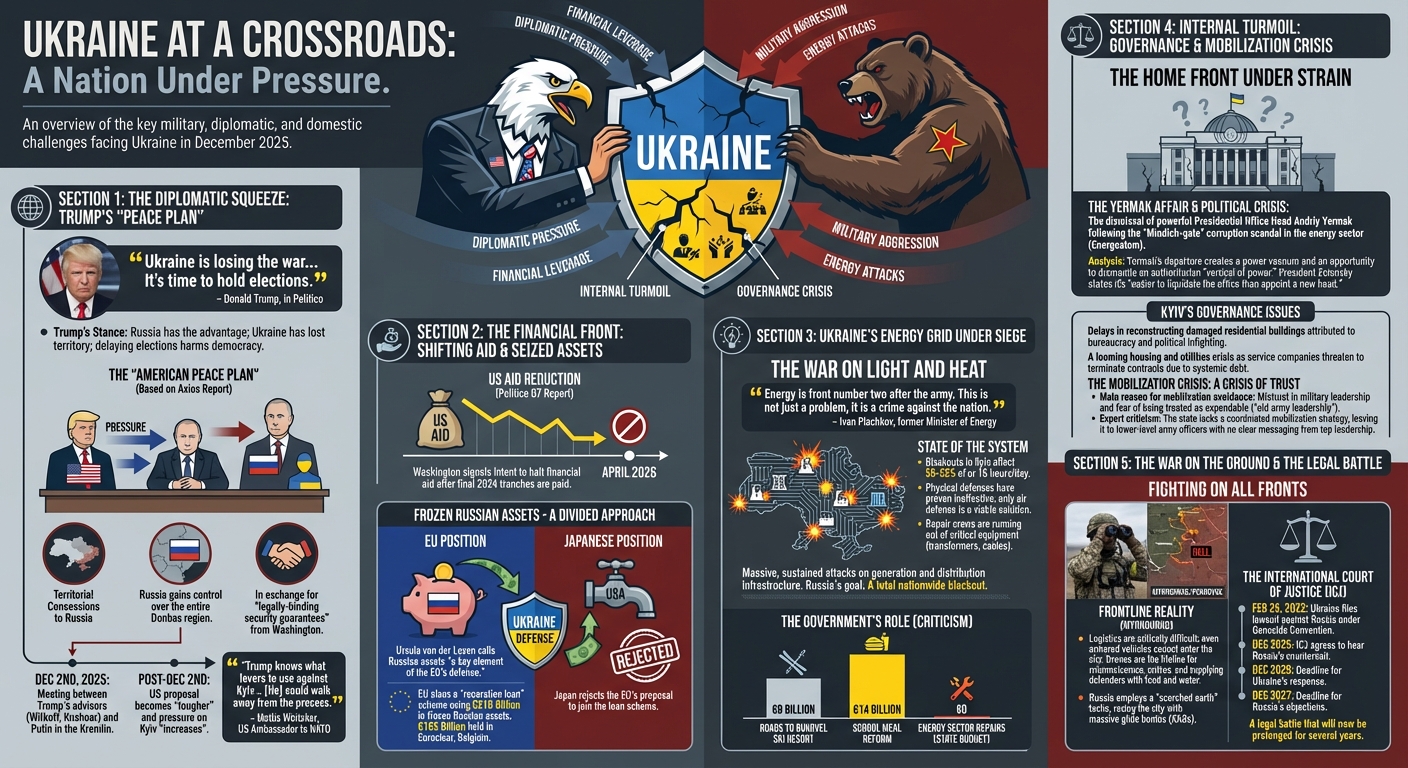
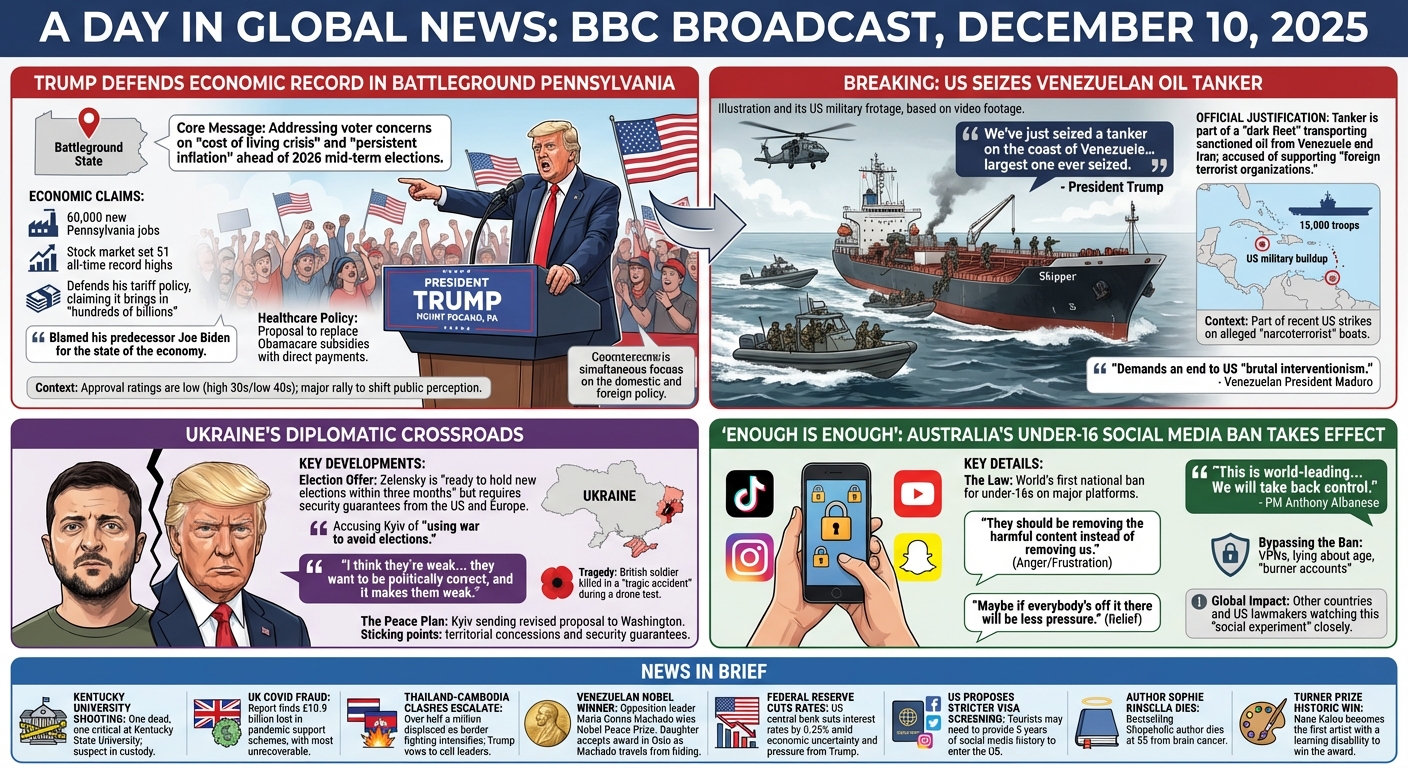
BBC News London (United Kingdom)
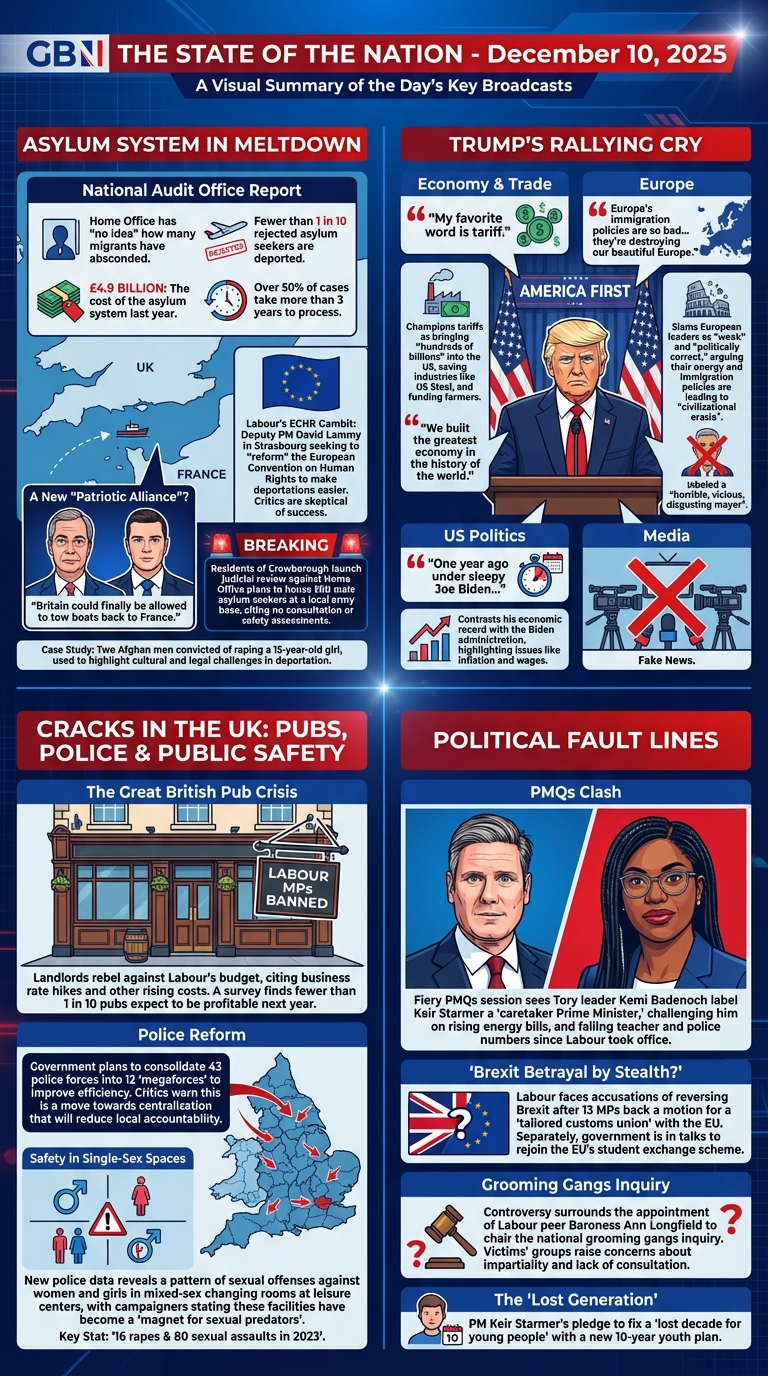
GB News (United Kingdom)
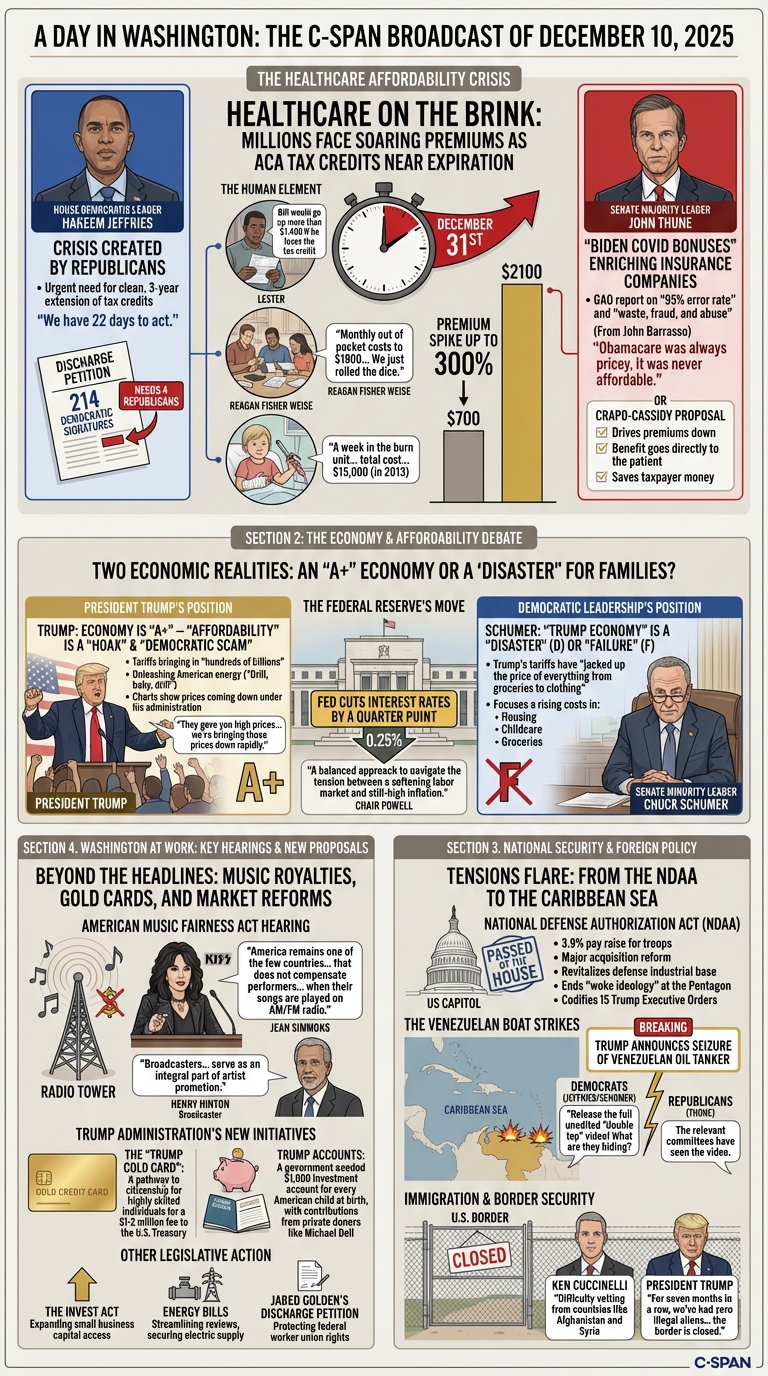
CSPAN (United States)
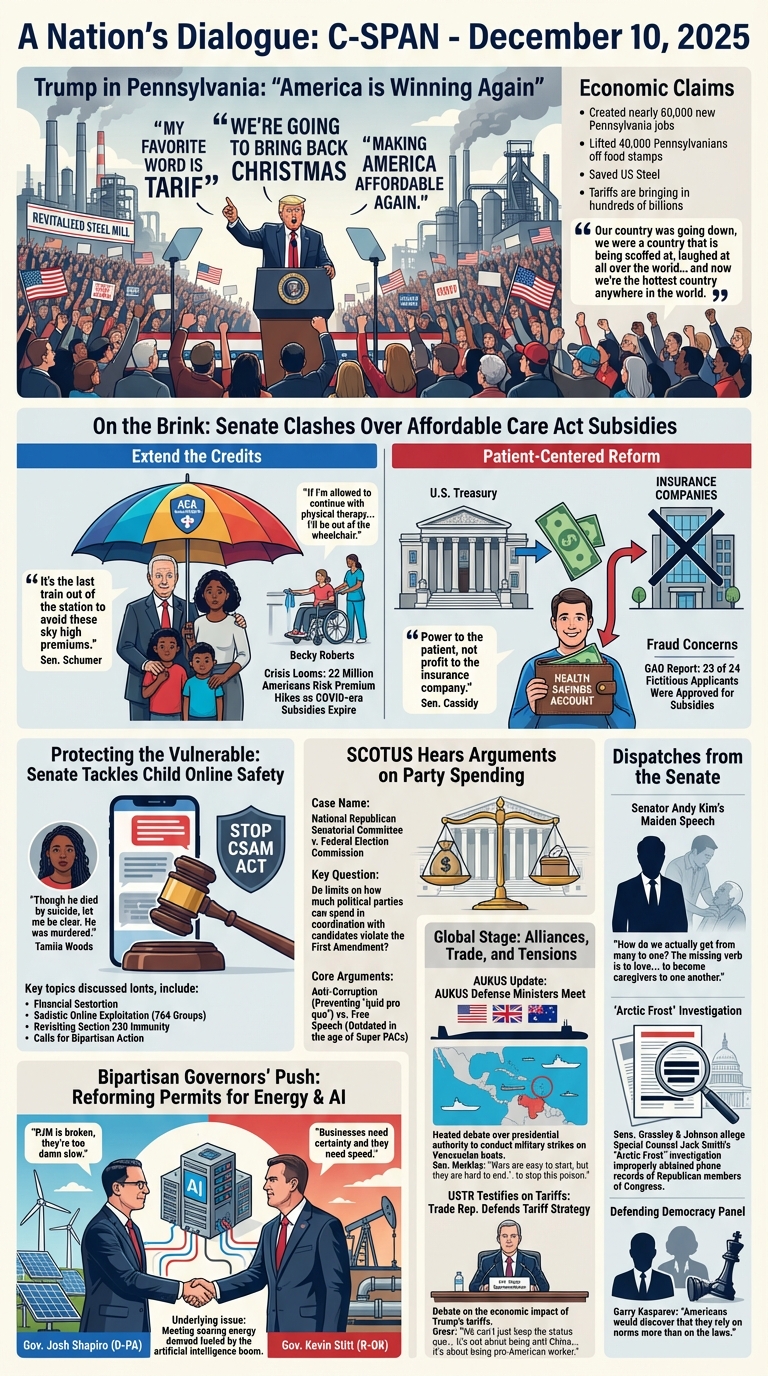
CSPAN2 (United States)
CSPAN3 (United States)
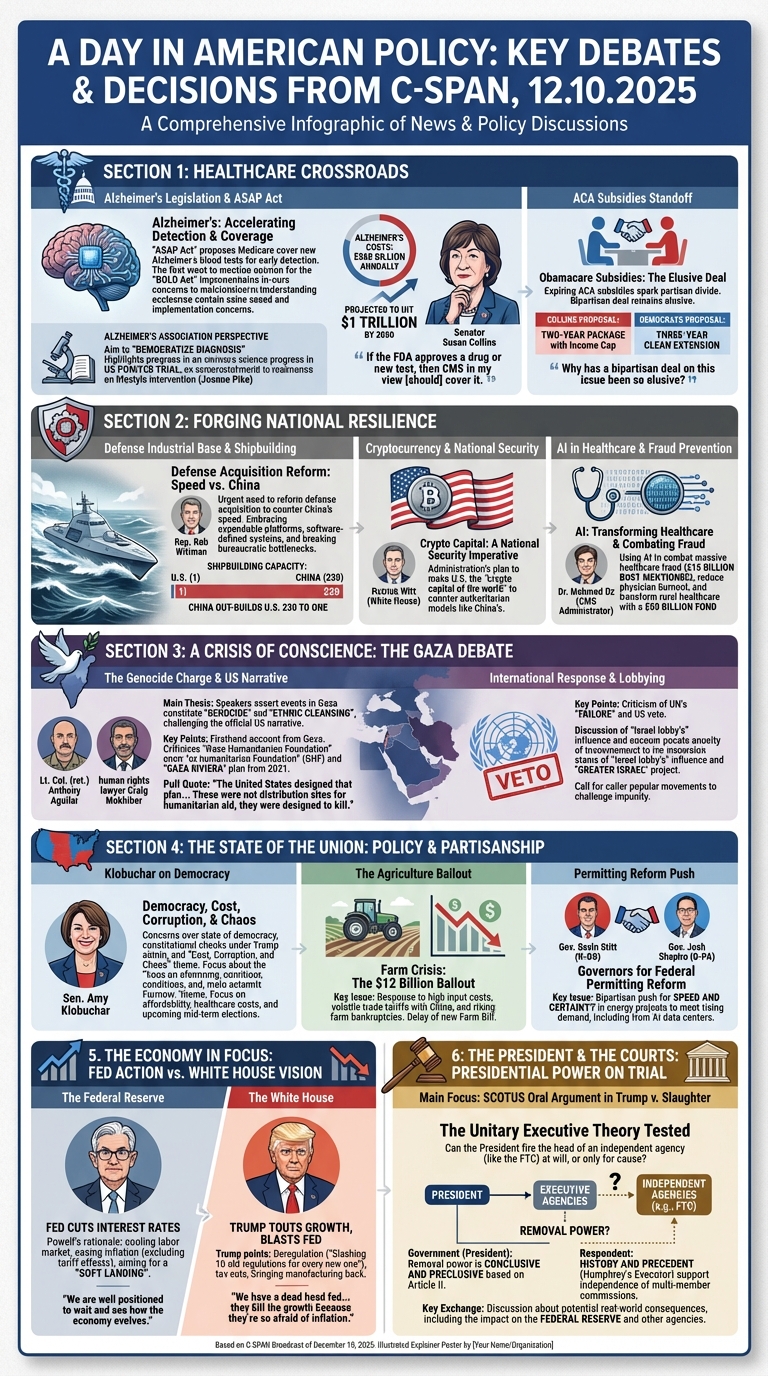
San Francisco Government TV (SFGovTV) (United States)

Telemundo (KSTS) (United States (Spanish Language))

Univision (KDTV) (United States (Spanish Language))

Globovisión (Venezuela)
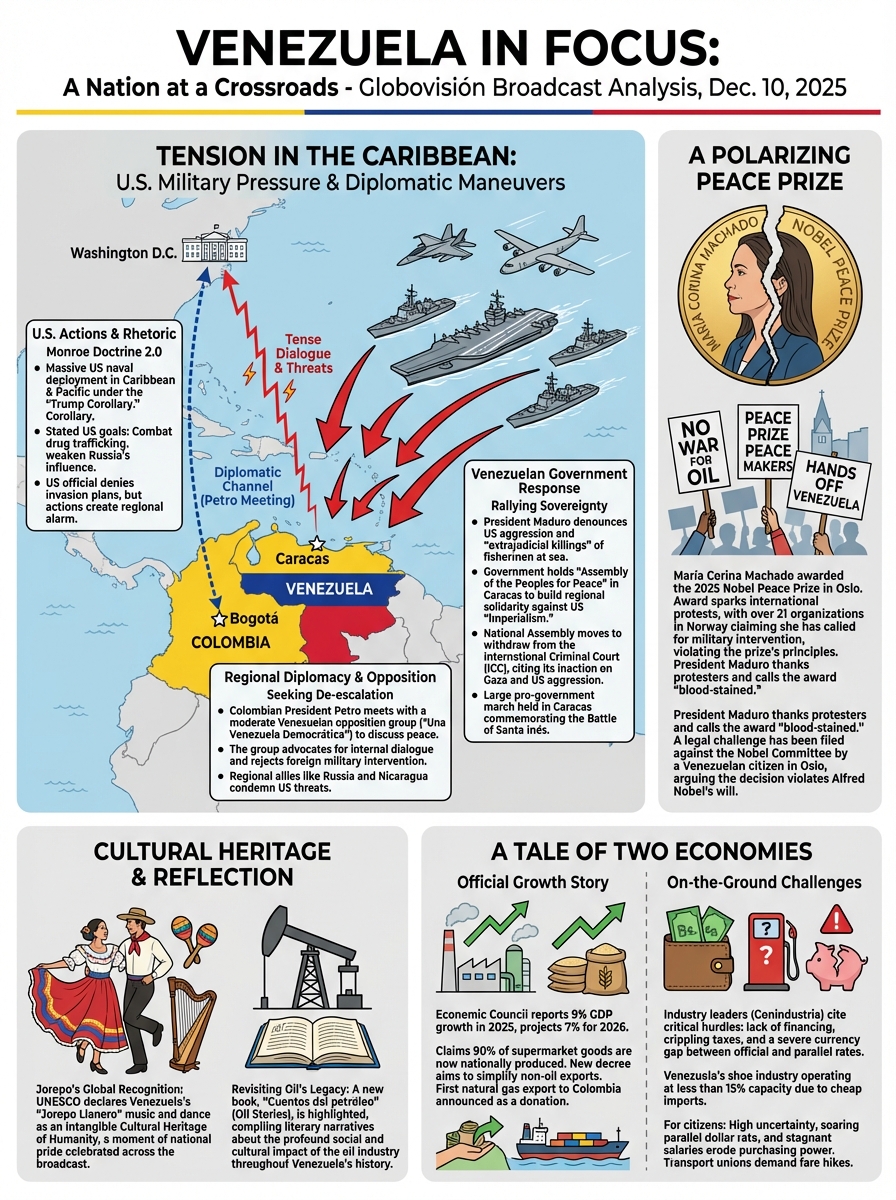
teleSUR (Venezuela)