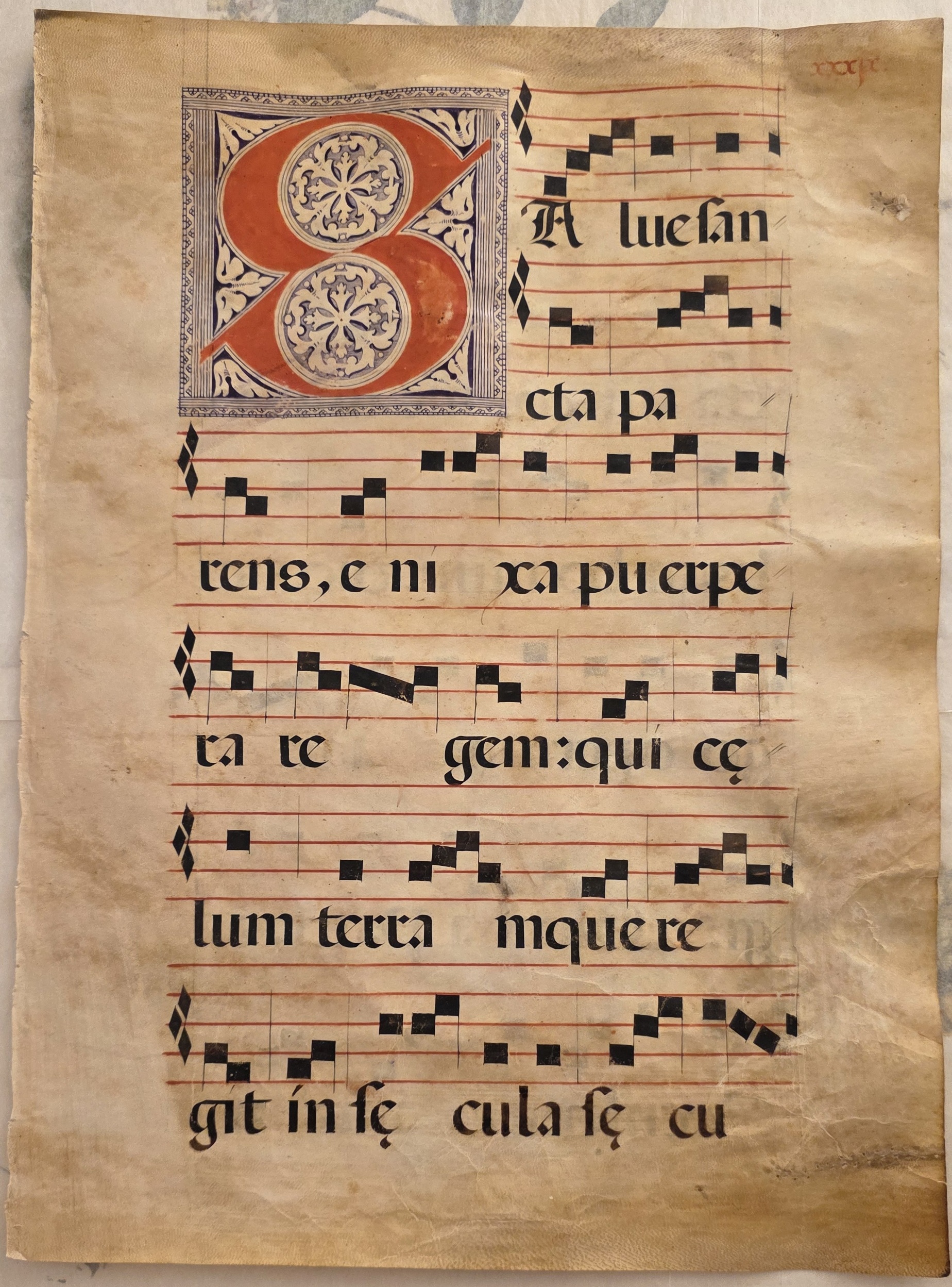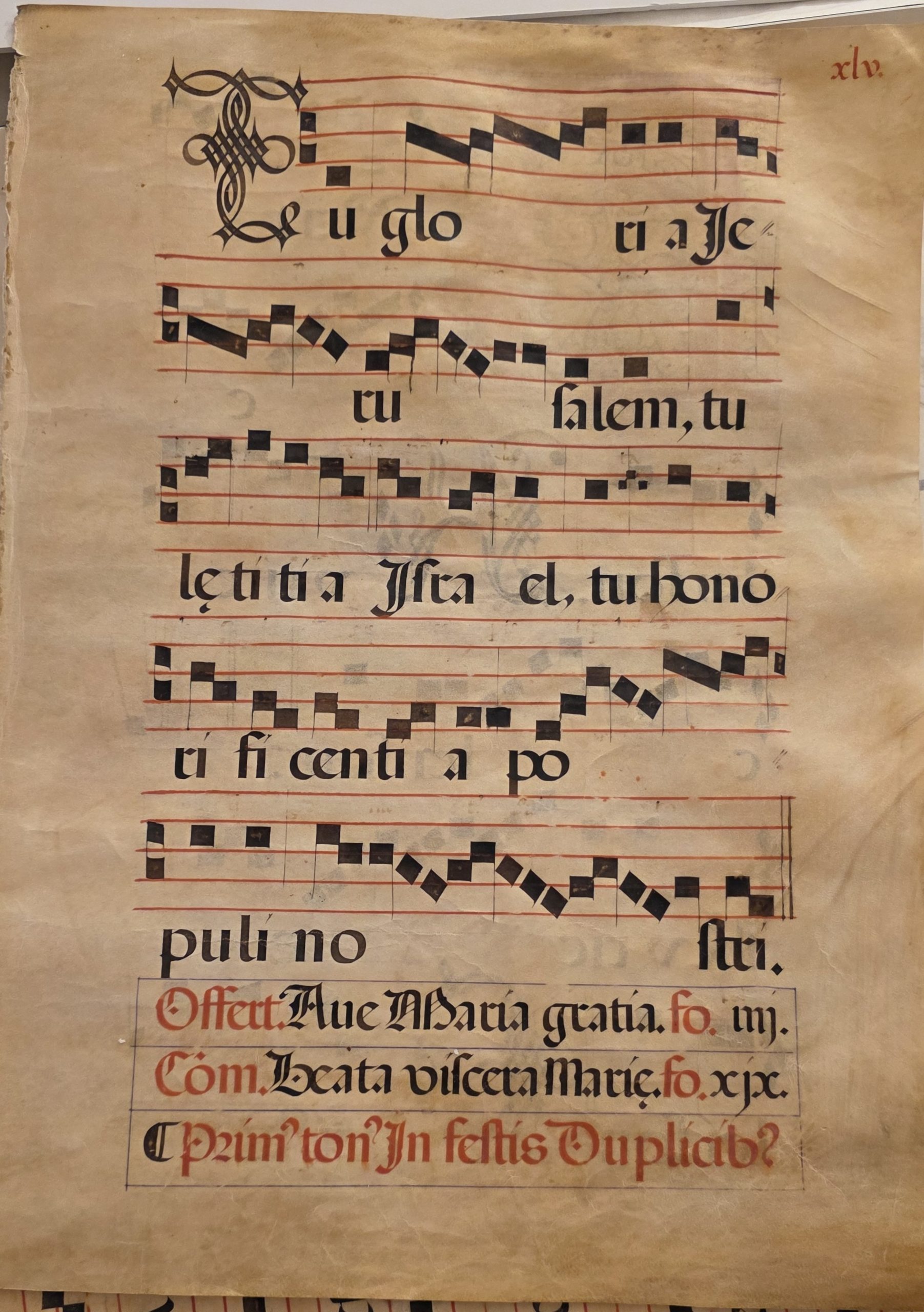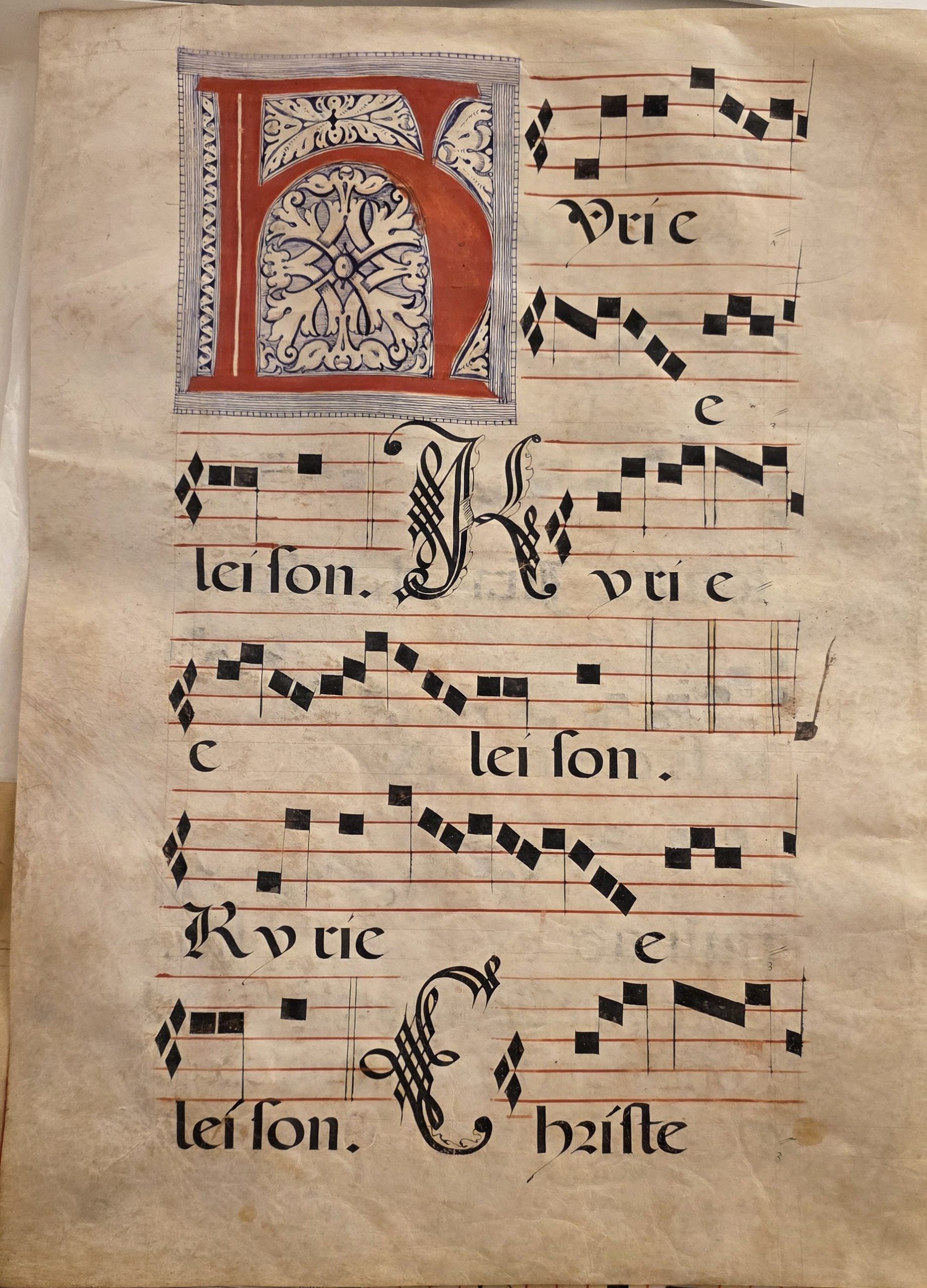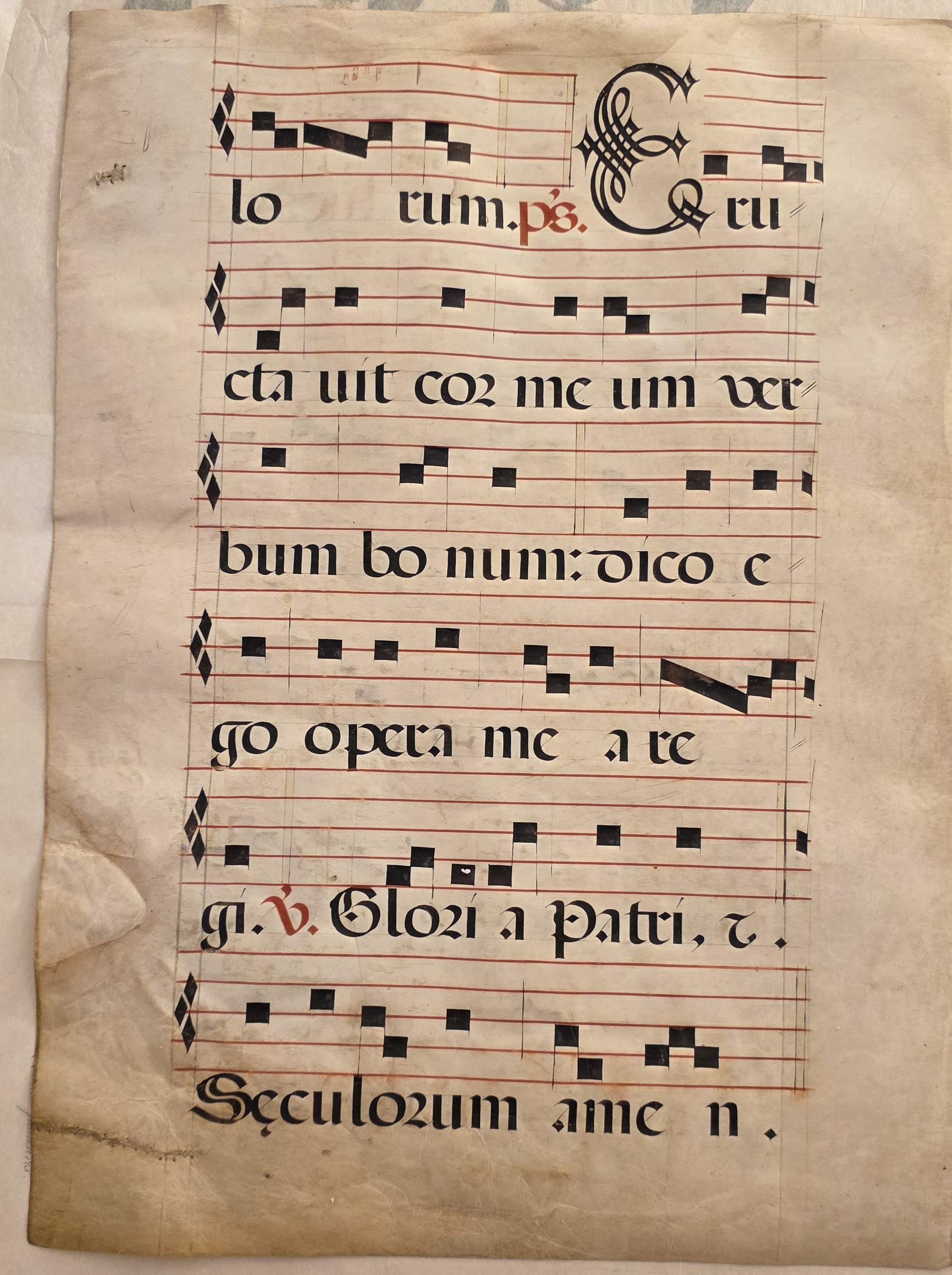

Last July we explored how well the then-latest version of Gemini could decipher two pairs of large choir leaves dating from the 1400s-1500s, with reasonable but mixed results. Given our enormous success applying Gemini Deep Research to a series of manuscript and book of hour leaves, what would it look like to revisit our original analysis using Deep Research? This time Gemini does a spectacular job – correctly identifying not only the human-estimated age and geographic origins of both pairs and correctly identifying and transcribing their contents, but also correctly contextualizing their illuminations.
Here we use our standard prompt, but adjust the wording to "pair of leaves" to reinforce to Gemini that there are two leaves with fronts and backs of both:
Give me a deeply researched history and context of the attached pair of leaves and focusing on its background, context, significance, meaning to and place among its peer works and rarity.
Tell me about its contents, their importance, its construction, materials used, format, dimensions, author/artist/engraver/publisher/illuminator/etc.
Think very carefully about the text and tell me precisely what the text is.
Perform a paleographic analysis of the writing.
If there is music, tell me precisely what the music is.
This is a single leaf from a larger work. Try to identify the source work it comes from.
If there are illuminations or illustrations, describe them and tell me about their meaning and purpose.
Look carefully for later marginalia that might give clues as to its provenance, previous ownership or other information.
Look carefully for damage and wear and tell me what that damage/wear might suggest or mean.
Estimate its age as precisely as possible.
Estimate how many copies survive.
Report should be entirely in English.
Ferial Psalter – Southern Germany or Austria Circa 1470-1490 With Illuminated & Inhabited Initials
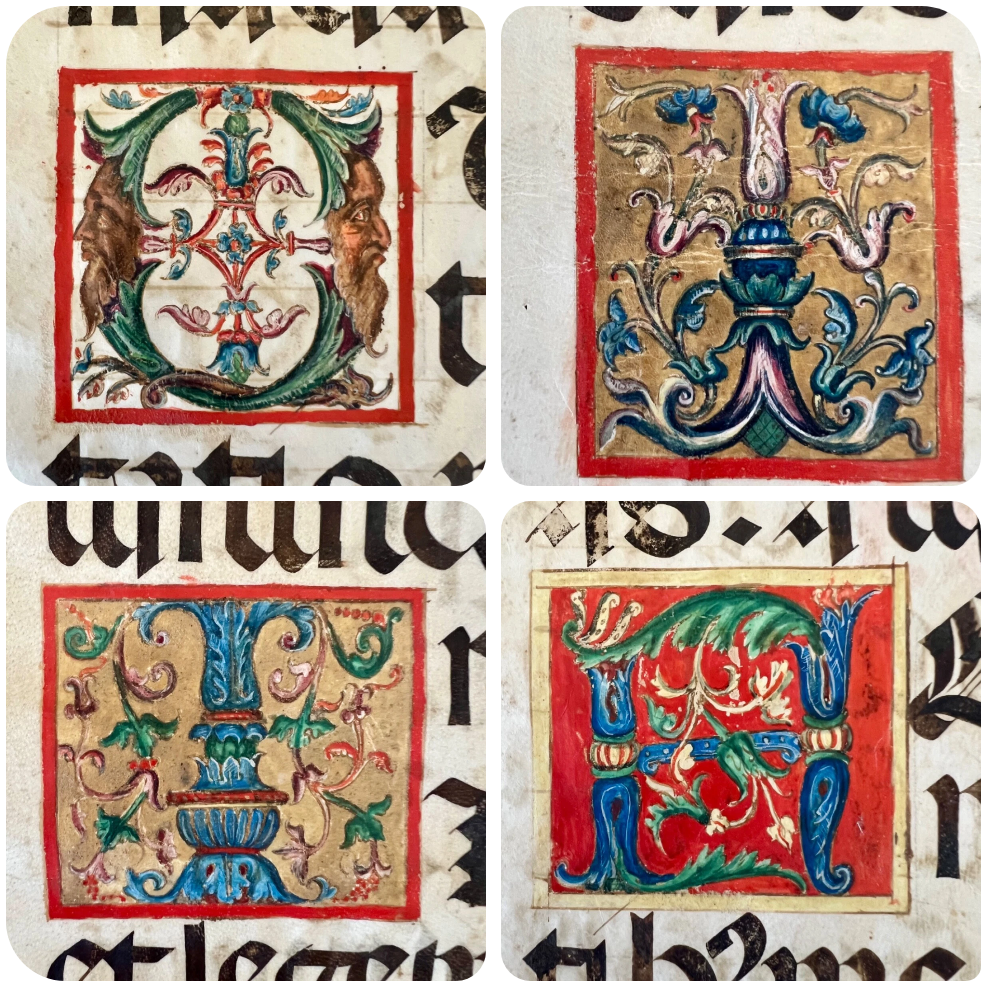
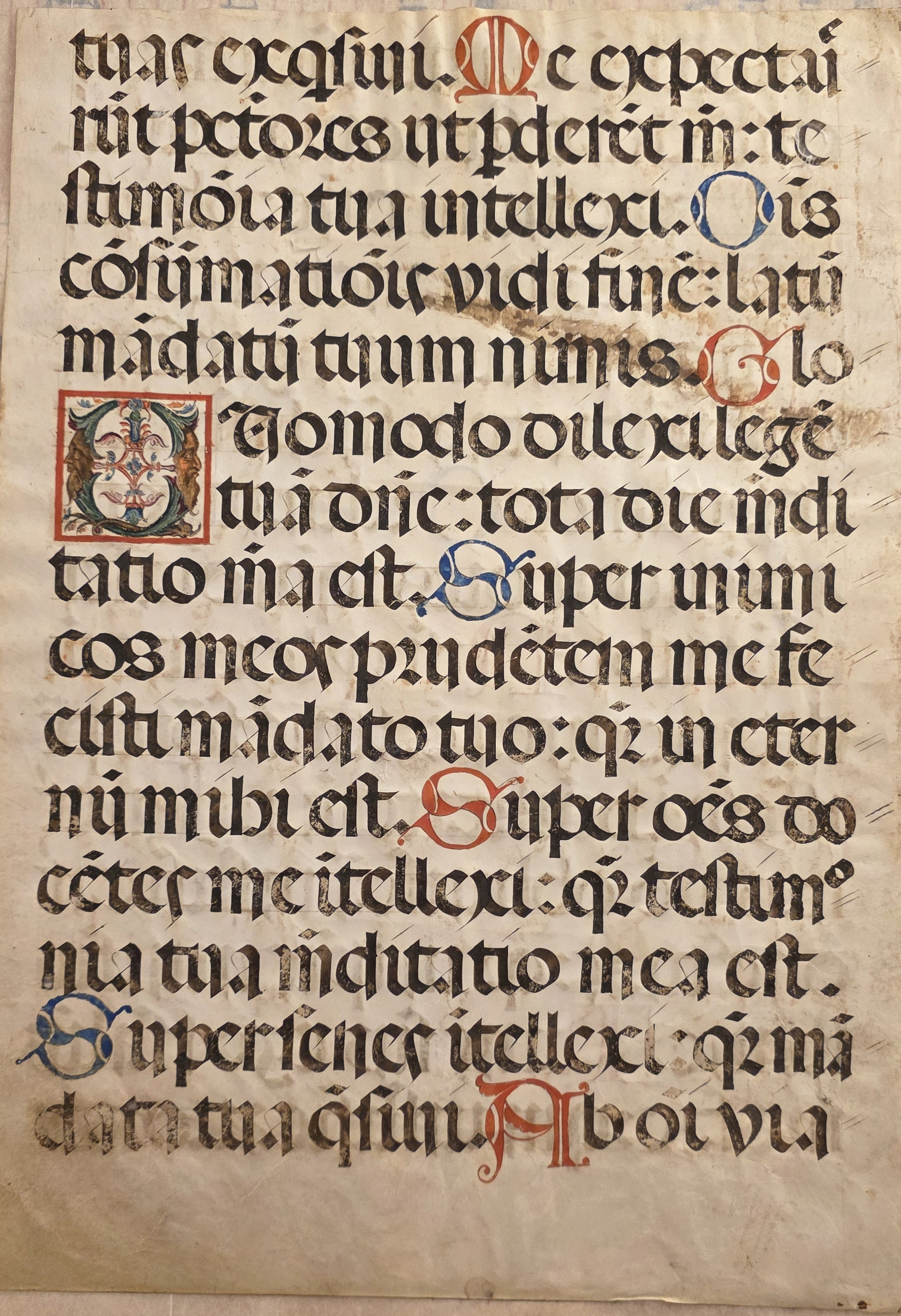
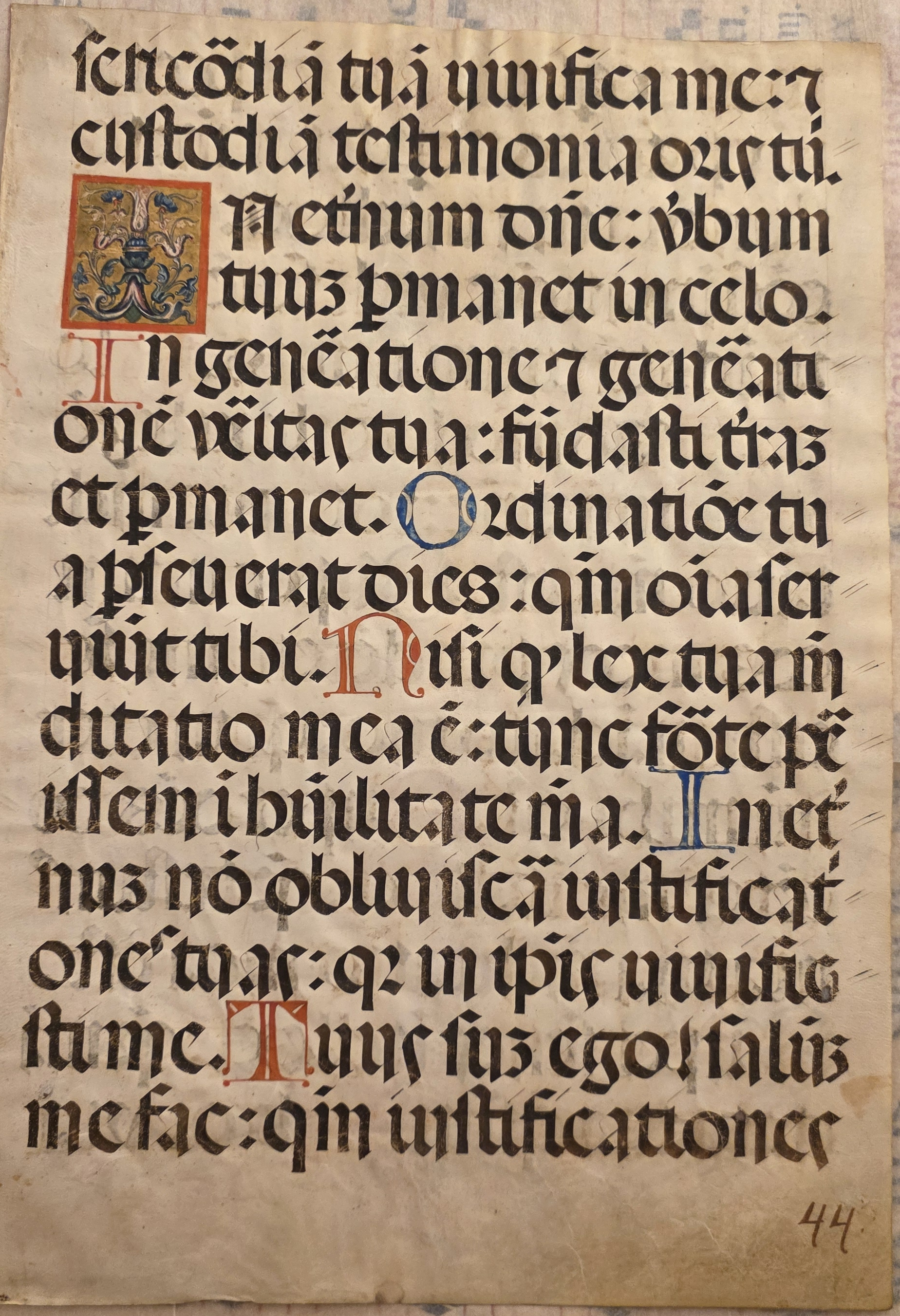
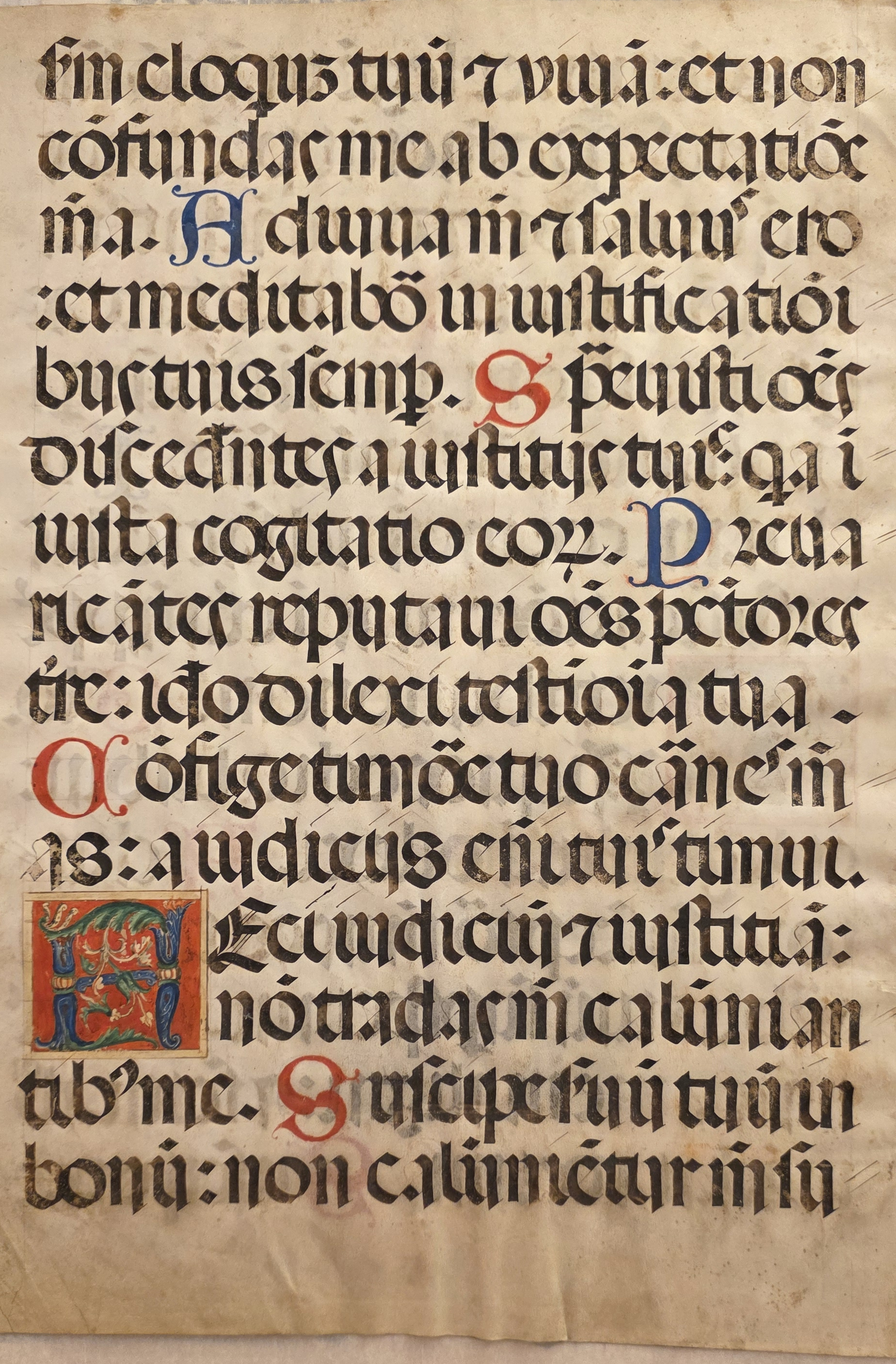
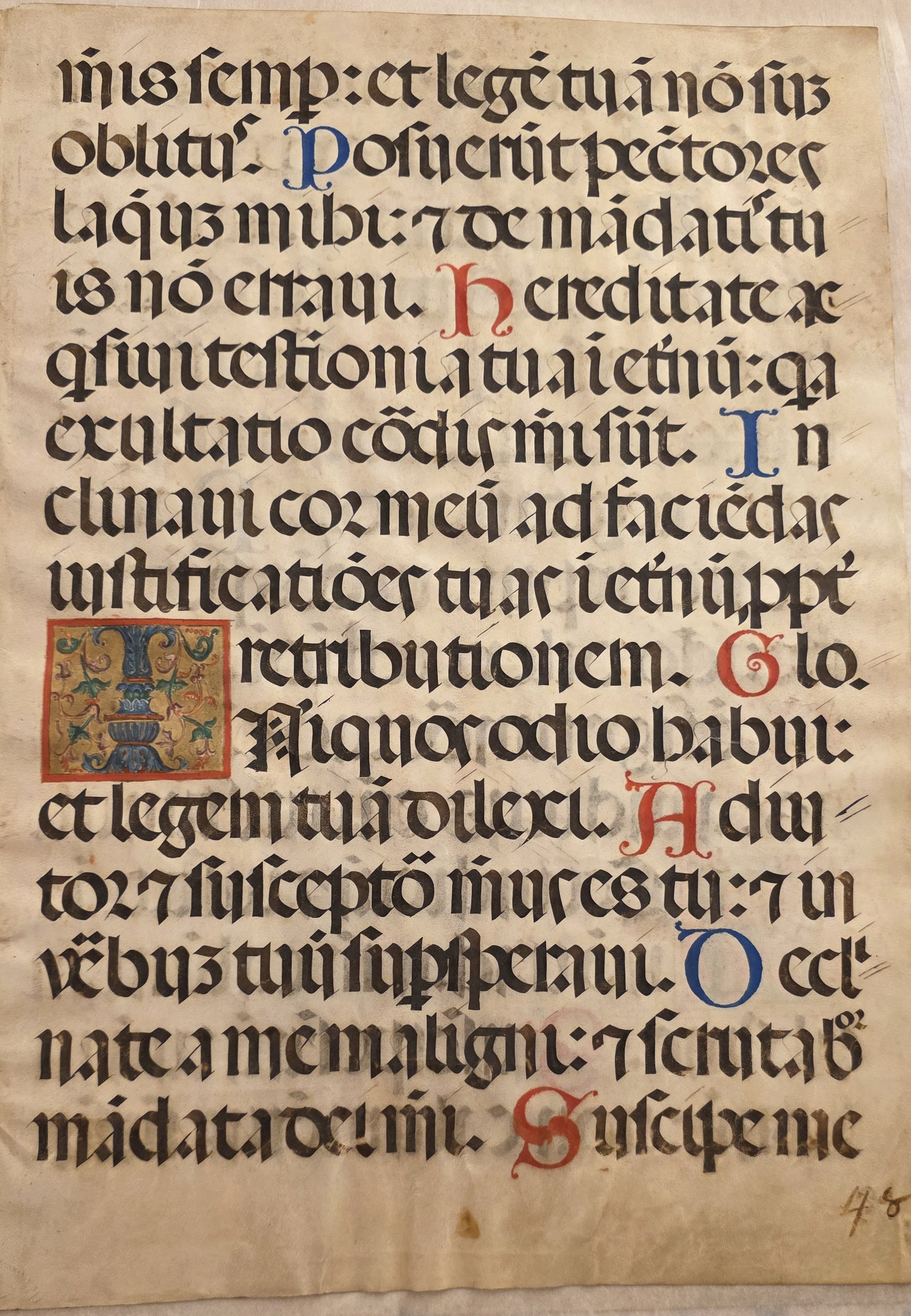
Iberian Cantoral (Spanish) Leaves – Late 1500s With Puzzle Quadrados & Strapwork Initials