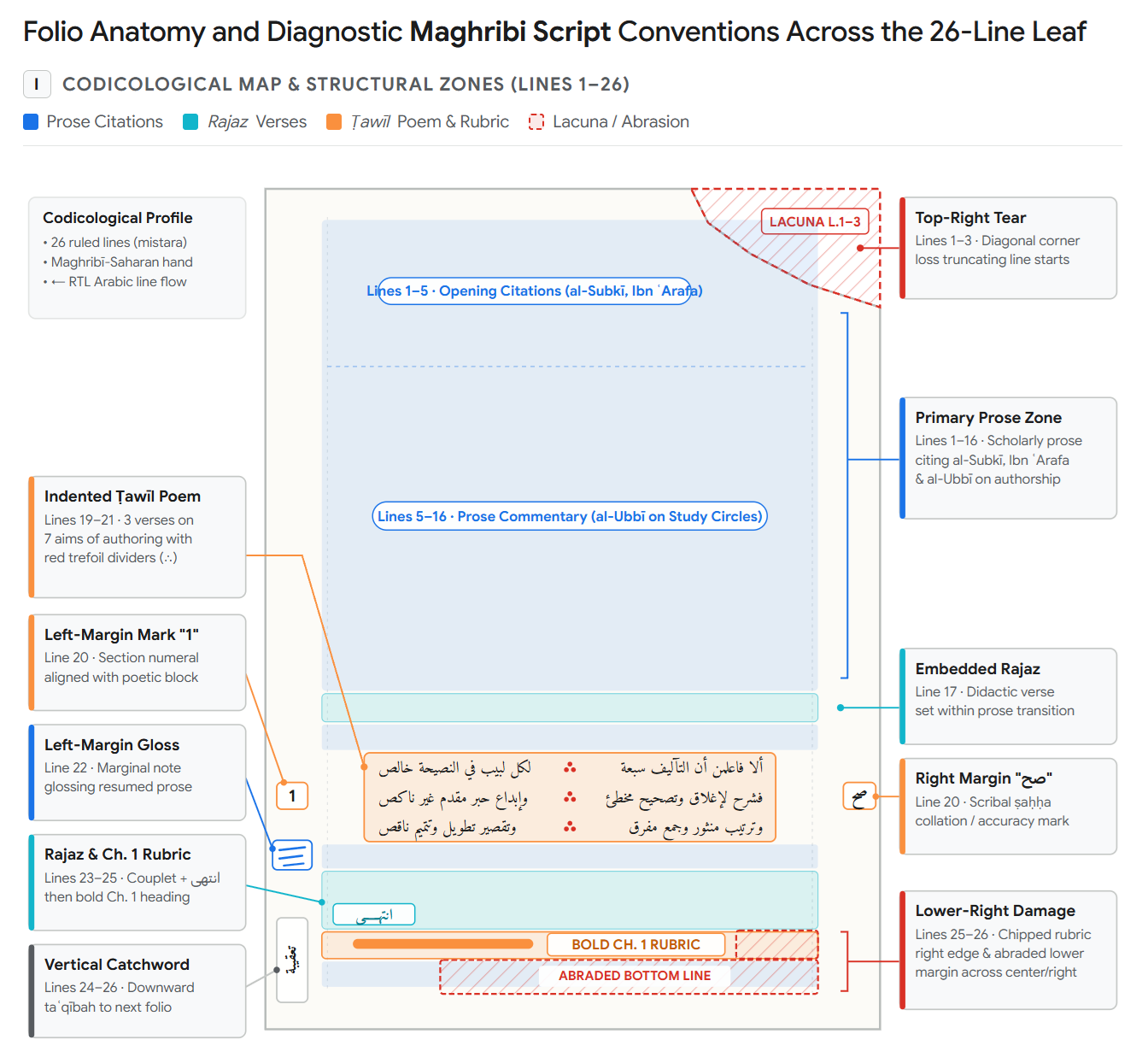
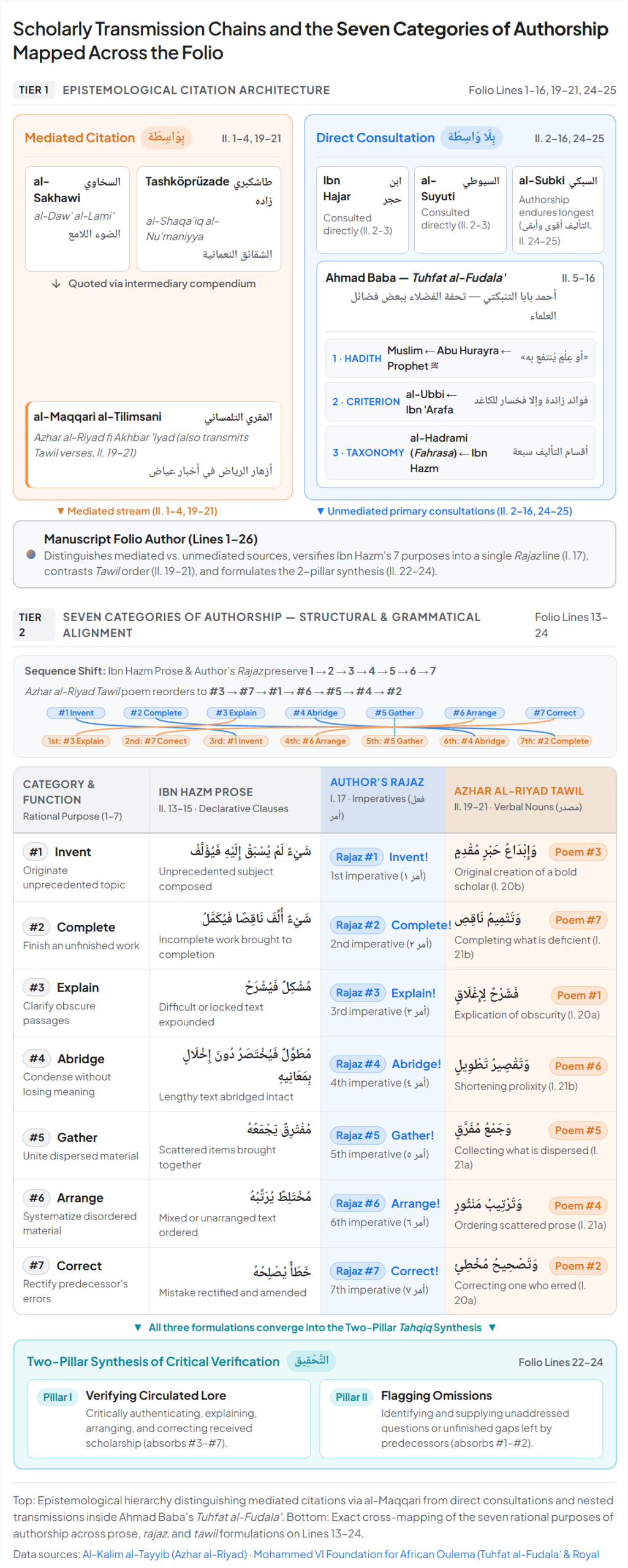
Yesterday we explored using Gemini Carbon High Thinking to transcribe a page from the digitized Timbuktu Manuscripts. Even with its frontier visual reasoning, Gemini Carbon struggled significantly with the page and required us to adjust the prompting repeatedly until we got workable results. What would it look like to ask Gemini Deep Research using Carbon High Thinking to transcribe the page, focusing Deep Research's advanced research and search capabilities to verify and research ambigiuties it encounters and leverage its long-horizon reasoning quotas and greater tolerance of uncertainty to give it additional time and capabilities. This time we get an advanced transcription report, complete with multiple tables and diagrams describing Gemini's reasoning and analysis in detail and suggesting that the use of specialized harnesses like Deep Research, coupled with search access and greater tolerance of uncertainty and ambiguity may dramatically improve the capabilities of frontier models for advanced transcription.
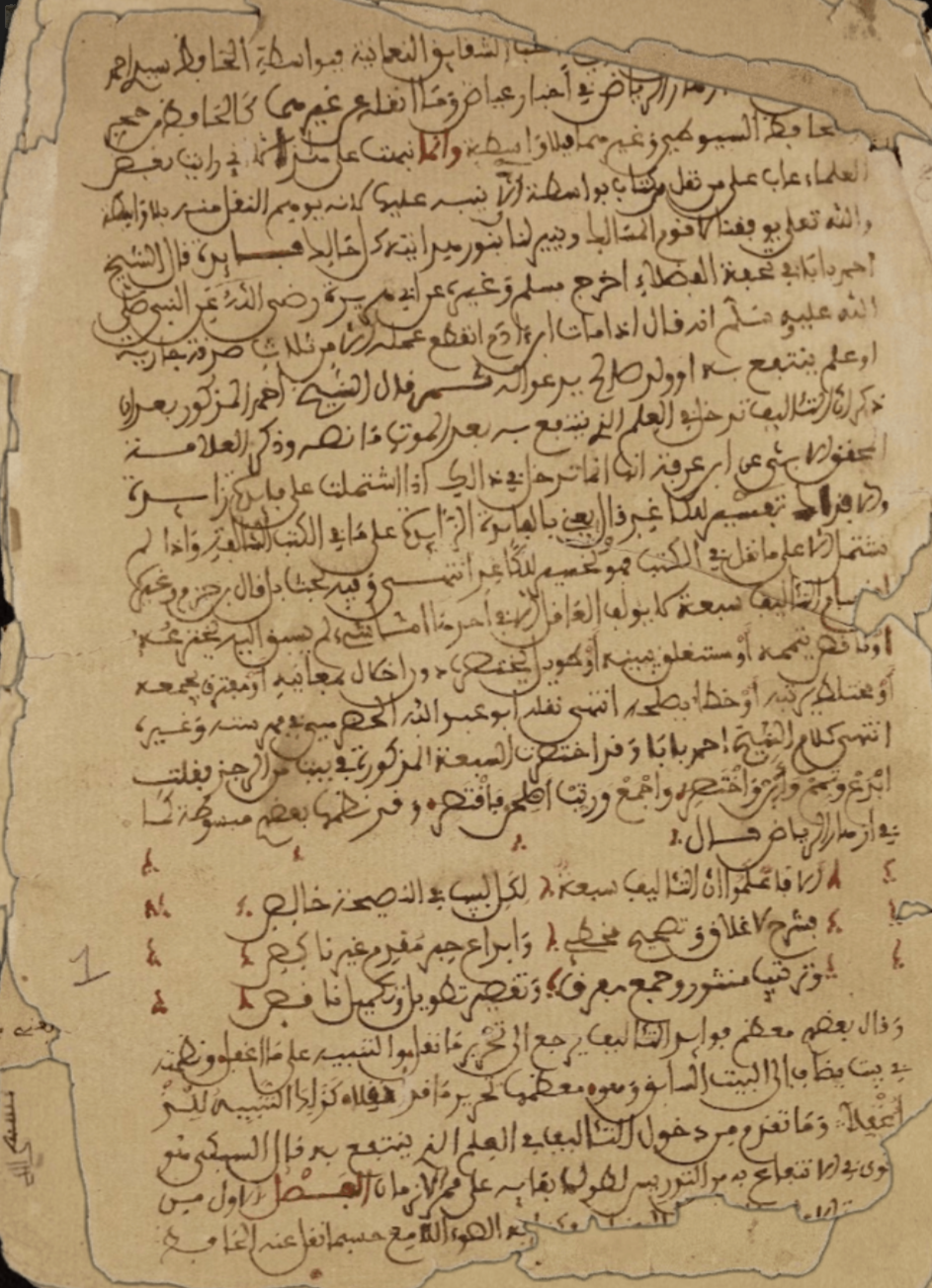
The prompt and page analyzed can be seen below. To explore the absolute limits of machine reasoning, we focused all of Carbon's reasoning capabilities by giving it a single page from the manuscript. This focuses its entire reasoning on the single page, but also has the downside of not allowing Gemini to consider the context of the rest of the manuscript to assist with contextualization and ambiguity resolution – future work will explore these tradeoffs.
transcribe and translate this manuscript page exactly
One of the diagrams from the report: