

In honor of America's 250th, we posted a brief look at the Collection's small Americana archive, which encompass an incredible eleven copies of the Declaration of Independence, amongst other treasures. As we've been having conversations about the collection, we realized that it would be helpful to have brief historical backgrounders for each of these items to help contextualize them. What would it look like to use Gemini 3.1 Pro and Gemini Deep Research to write rich detailed historical backgrounders for each of the highlights of the Collection's Americana archive? While Gemini 3.1 Pro conflates and confuses some details, it still offers a reasonable overview of each item and surfaces some surprising historical insights and tidbits about several of them. Gemini Deep Research produces astonishingly detailed and fully cited backgrounders that richly explain each artifact in its historical context and include so much surrounding history that we ourselves learned quite a bit about several of the artifacts. While actual museum exhibition displays will always require human expert involvement and verification, Deep Research's reports across the board yielded superb entrance points and briefings that would allow a curatorial team to better understand how to situate each artifact in an exhibit and weave them into a holistic historical narrative. Overall, the results below clearly demonstrate Gemini Deep Research's potential for rapid collection triaging and contextualization, while Gemini 3.1 Pro was used to write brief item descriptions in the voice of a museum exhibition catalog.
The Overarching Narrative
Let's first ask Gemini to write an overarching historical narrative that weaves all of these individual artifacts into a single cohesive historical narrative of America's founding that would help an exhibit curator think about how to display and contextualize the items as a single unified story:
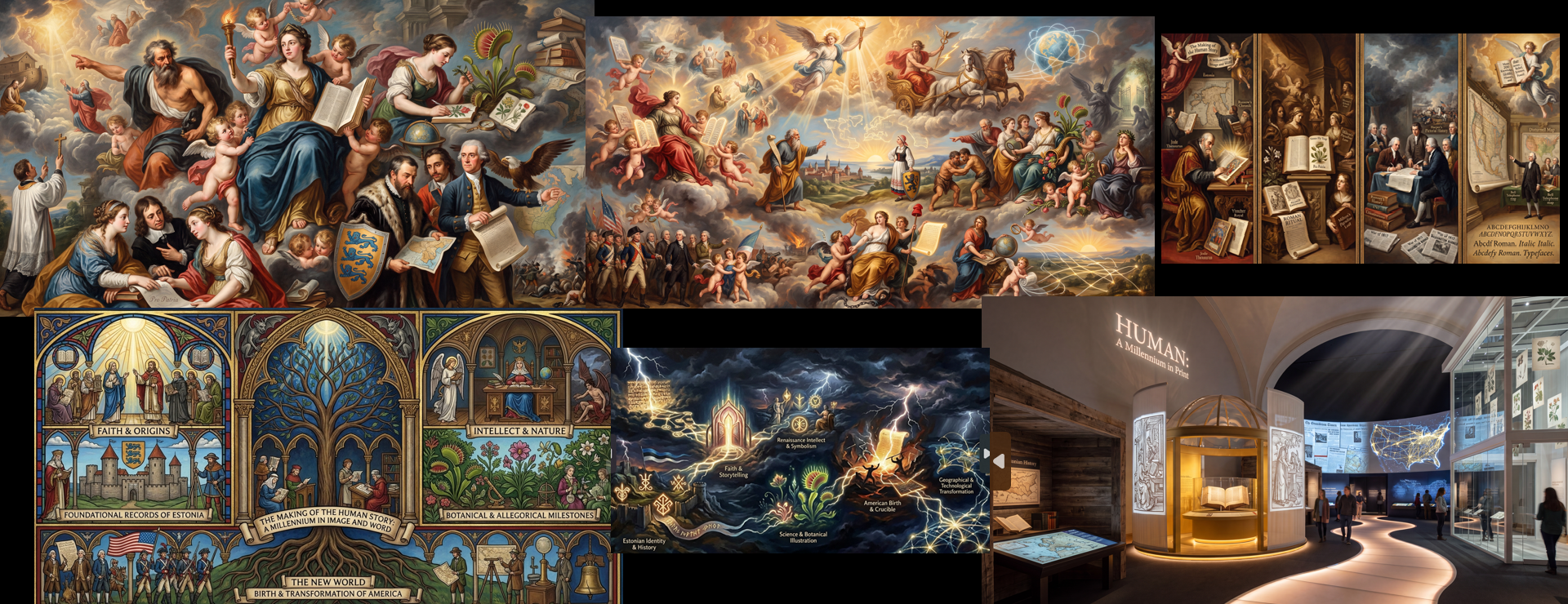
The Declaration of Independence Collection
- Early Declaration of Independence Facsimile History: Gemini 3.1 Pro / Gemini Deep Research
- Did you know that the crisp, bold signatures we associate with the Declaration of Independence are barely visible on the original document today? As the nation’s founding parchment rapidly faded in the early 19th century due to sunlight and frequent handling, a thrilling race began to capture its likeness before it disappeared forever. Enter the early facsimiles—meticulous masterpieces of engraving by passionate craftsmen like William J. Stone and Eleazar Huntington. These pioneering reproductions did much more than just copy a text; they democratized the American founding, transforming a fragile relic into a bold, accessible symbol meant to hang in classrooms, government halls, and homes across the country. Discover the fascinating history behind some of the early copies in our collection, and explore how the visionary art of replication ultimately saved the visual legacy of our nation's birth!
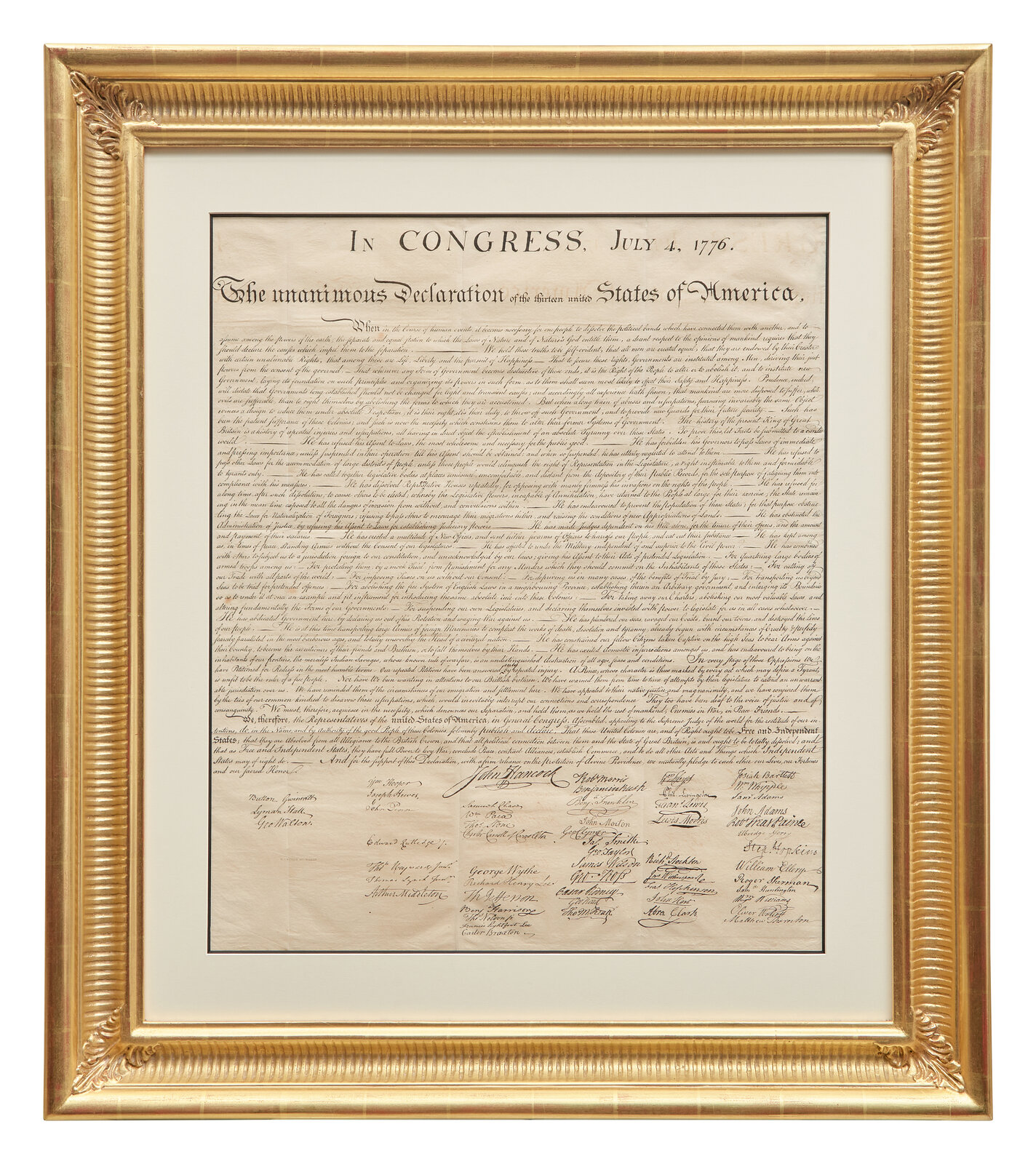
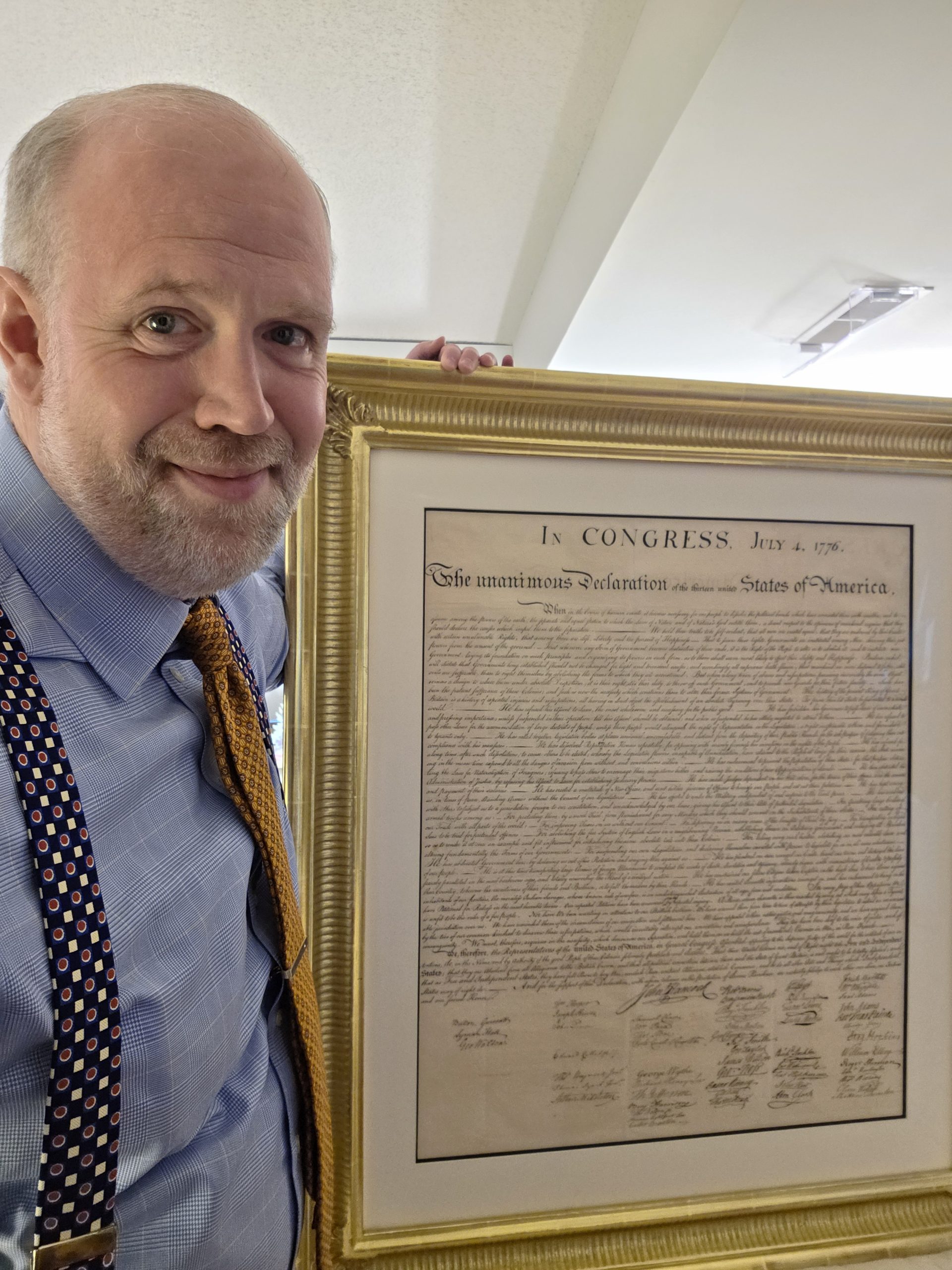
- The William Stone: Gemini 3.1 Pro / Gemini Deep Research
- When you picture the iconic, flowing script and bold John Hancock signature of the Declaration of Independence, you are actually envisioning the masterful work of engraver William J. Stone! By 1820, the original 1776 parchment had faded drastically, prompting Secretary of State John Quincy Adams to commission an exact facsimile to preserve its legacy. Stone spent three painstaking years meticulously etching every swooping letter and delegate's signature onto a massive copper plate. This stunning paper copy, printed from Stone's legendary engraving, literally rescued the visual identity of our nation’s founding document from being lost to time. Lean in and explore those legendary signatures up close—this remarkable artifact is a brilliant, tangible piece of history that perfectly preserves the revolutionary spirit of 1776 for generations to come!
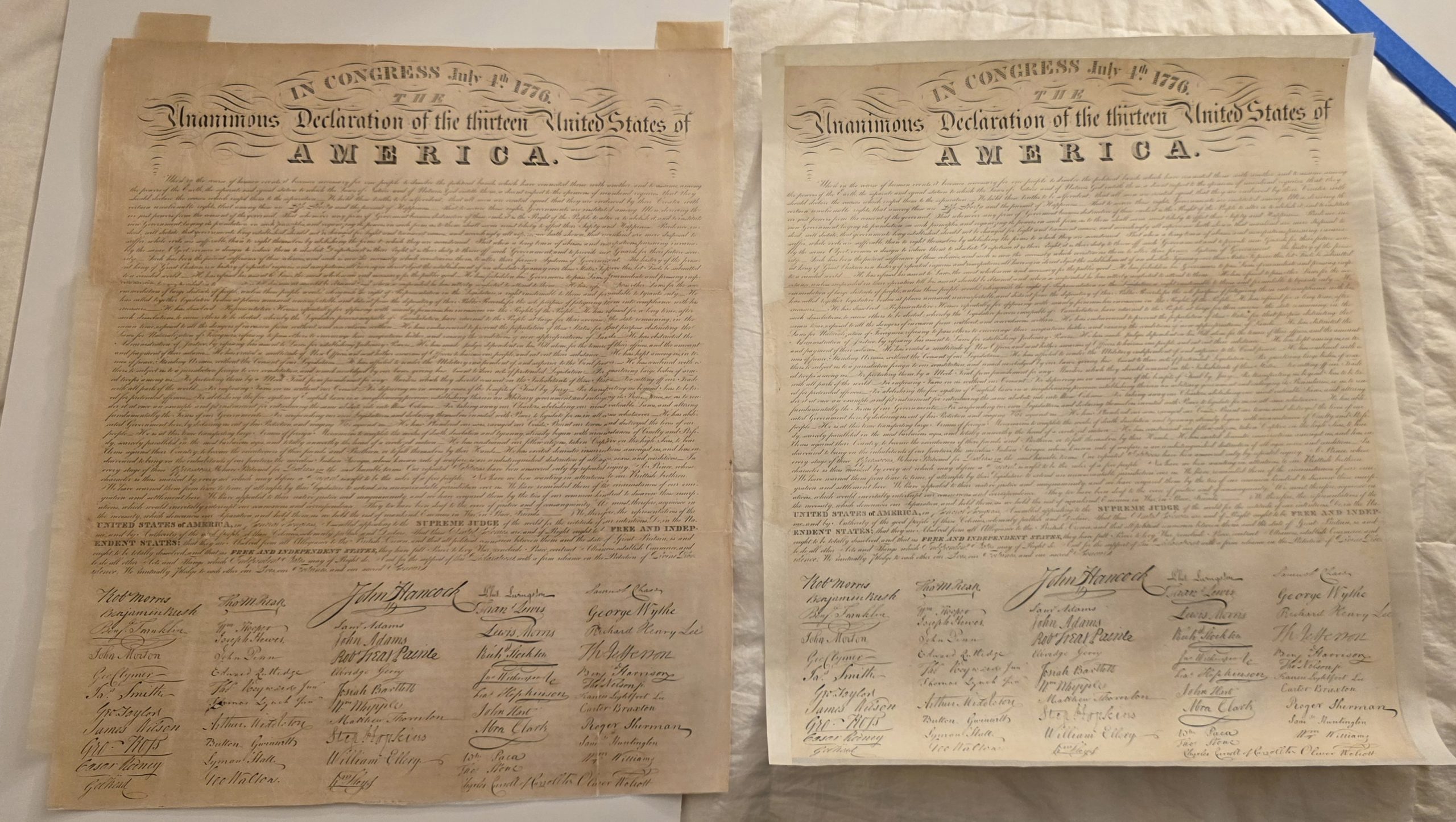
- The Eleazar Huntington: Gemini 3.1 Pro / Gemini Deep Research
- As the United States approached its 50th anniversary in the 1820s, a wave of patriotic nostalgia swept the nation, sparking a tremendous public demand for visual keepsakes of America's founding. Enter Eleazar Huntington, a masterful Connecticut engraver and penmanship instructor, who answered the call with this exceptionally elegant broadside of the Declaration of Independence that connects back to the very first copy to include the signatures. At a time when exact, mass-produced photographic copies were decades away, Huntington satisfied the public's hunger to connect with the founders by pairing his own exquisite, decorative calligraphy with painstaking facsimiles of the original delegates' signatures. Printed around 1820, this rare and captivating artifact is significant not just as a reproduction of a historical text, but as a stunning piece of early American graphic art. It stands as a beautiful, enduring testament to a young country's soaring national pride and its eager early efforts to visually immortalize the spirit of 1776. Despite Huntington's original intention to make the Declaration widely accessible, his broadside is today one of the most exceptionally rare printings of the era.
- The Donnelley Dunlap: Gemini 3.1 Pro / Gemini Deep Research
- When an original 1776 Dunlap Broadside—the very first printed version of the Declaration of Independence—was miraculously discovered in a closed Philadelphia bookstore in 1968, it sparked a historical sensation. Its new owners commissioned the master printers at R.R. Donnelley & Sons' Lakeside Press not only to conserve the priceless artifact, but to create the most painstakingly accurate facsimile ever produced. Crafted in 1970, this remarkable piece is a marvel of printing history and craftsmanship. No detail was spared: artisans utilized custom laid paper to match 18th-century materials, perfectly replicated the letterpress type, and meticulously recreated every historical stain, fold, and tiny die-cut imperfection found on the surviving document. Far more than a mere copy, the Donnelley replica is a breathtaking tribute to the birth of the United States—allowing viewers to stand face-to-face with an exact, stunning mirror image of the very broadside that first carried the news of American freedom to the world!
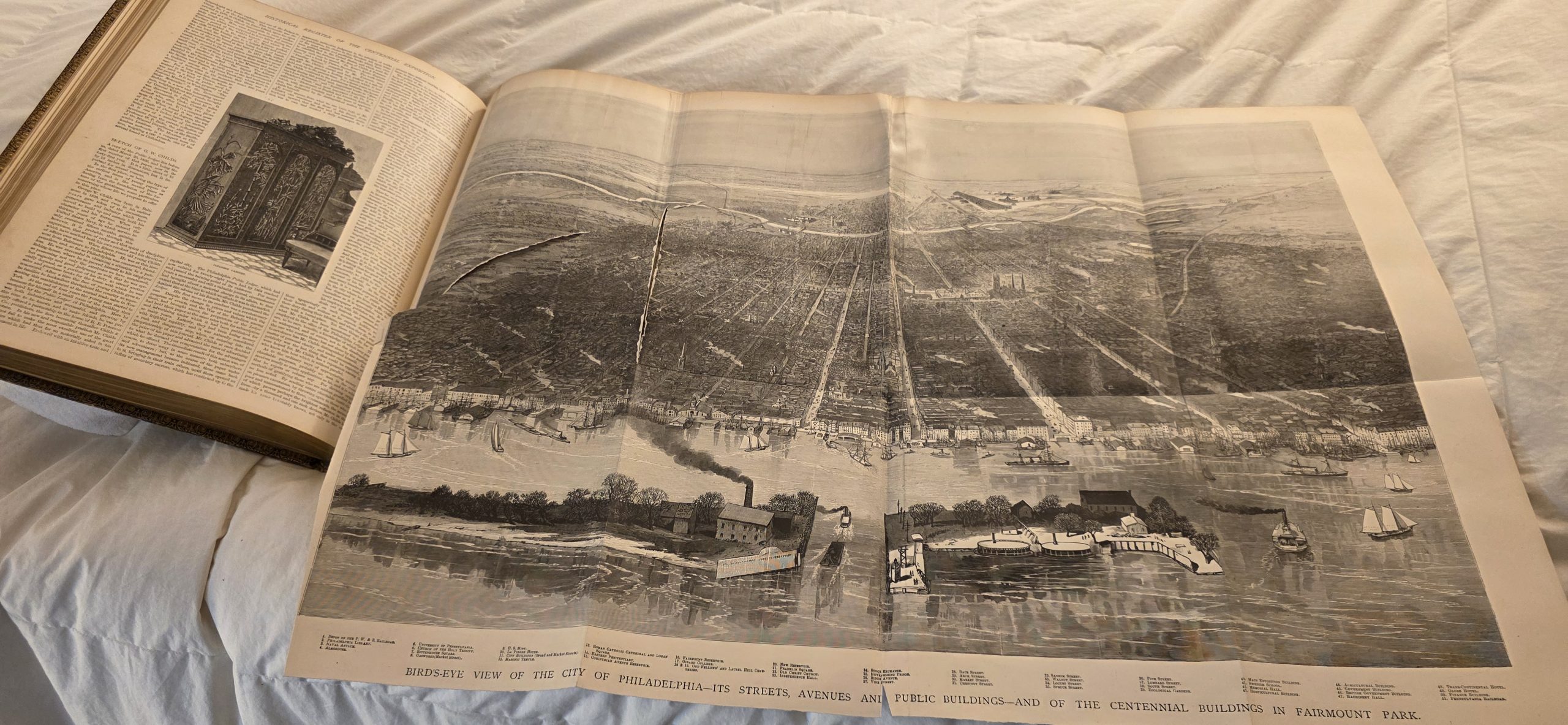
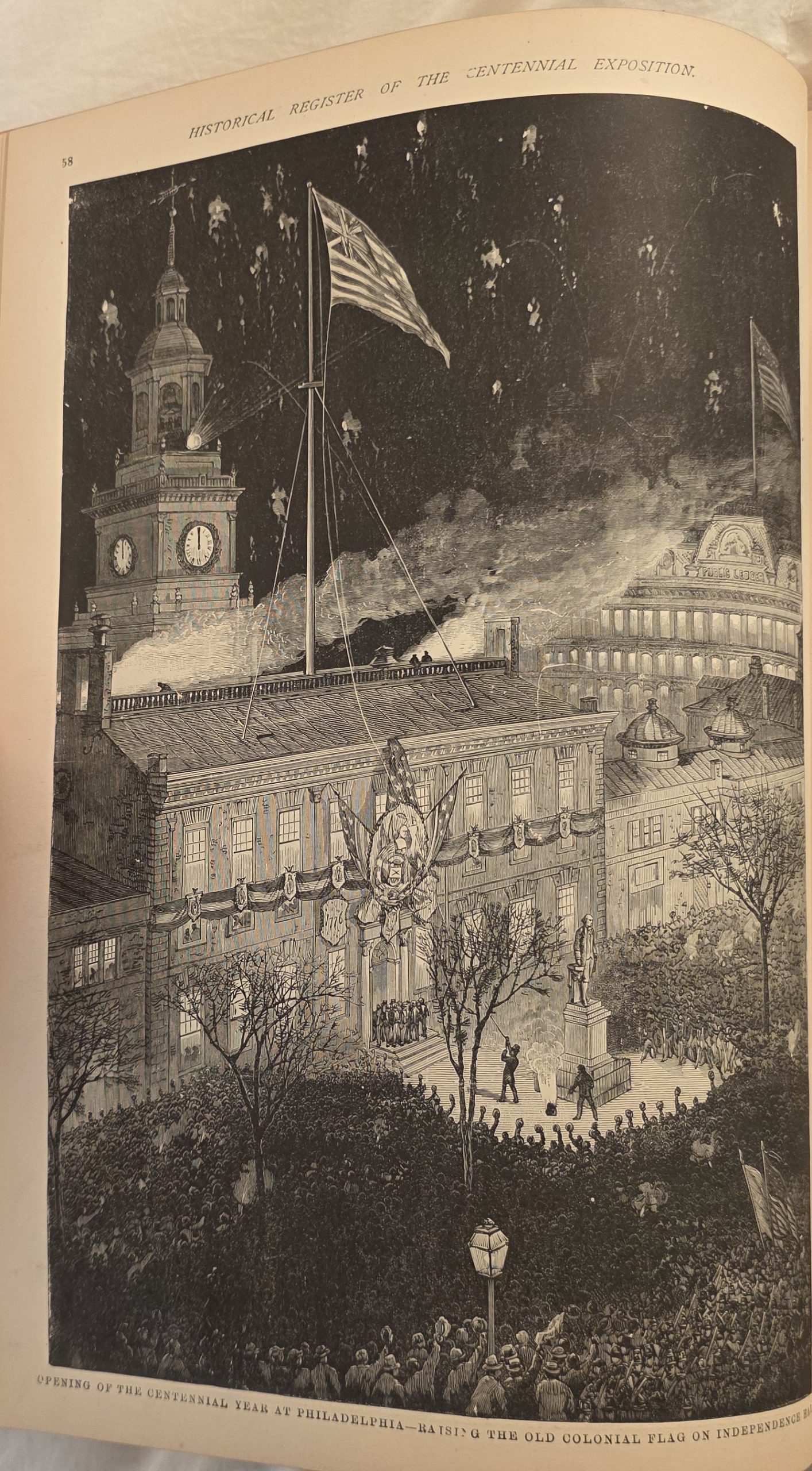
- Frank Leslie’s Centennial Exposition: Gemini 3.1 Pro / Gemini Deep Research (Includes Declaration of Independence facsimile)
- Step back into the magnificent spectacle of America’s first World’s Fair with Frank Leslie’s Historical Register of the United States Centennial Exposition, 1876. Produced to commemorate the nation’s grand 100th-birthday bash in Philadelphia, this monumental publication captured the boundless optimism of a reunified country stepping boldly onto the global stage. What makes this artifact truly extraordinary is its staggering collection of intricately detailed wood engravings, which preserved the era's cutting-edge marvels—from the towering Corliss Steam Engine to exotic international pavilions—just before the age of widespread photography. Far more than a mere souvenir, this breathtaking time capsule offers a thrilling, immersive window into 19th-century innovation, culture, and pride, inviting you to experience the wonders of the Centennial exactly as Victorian fairgoers did.
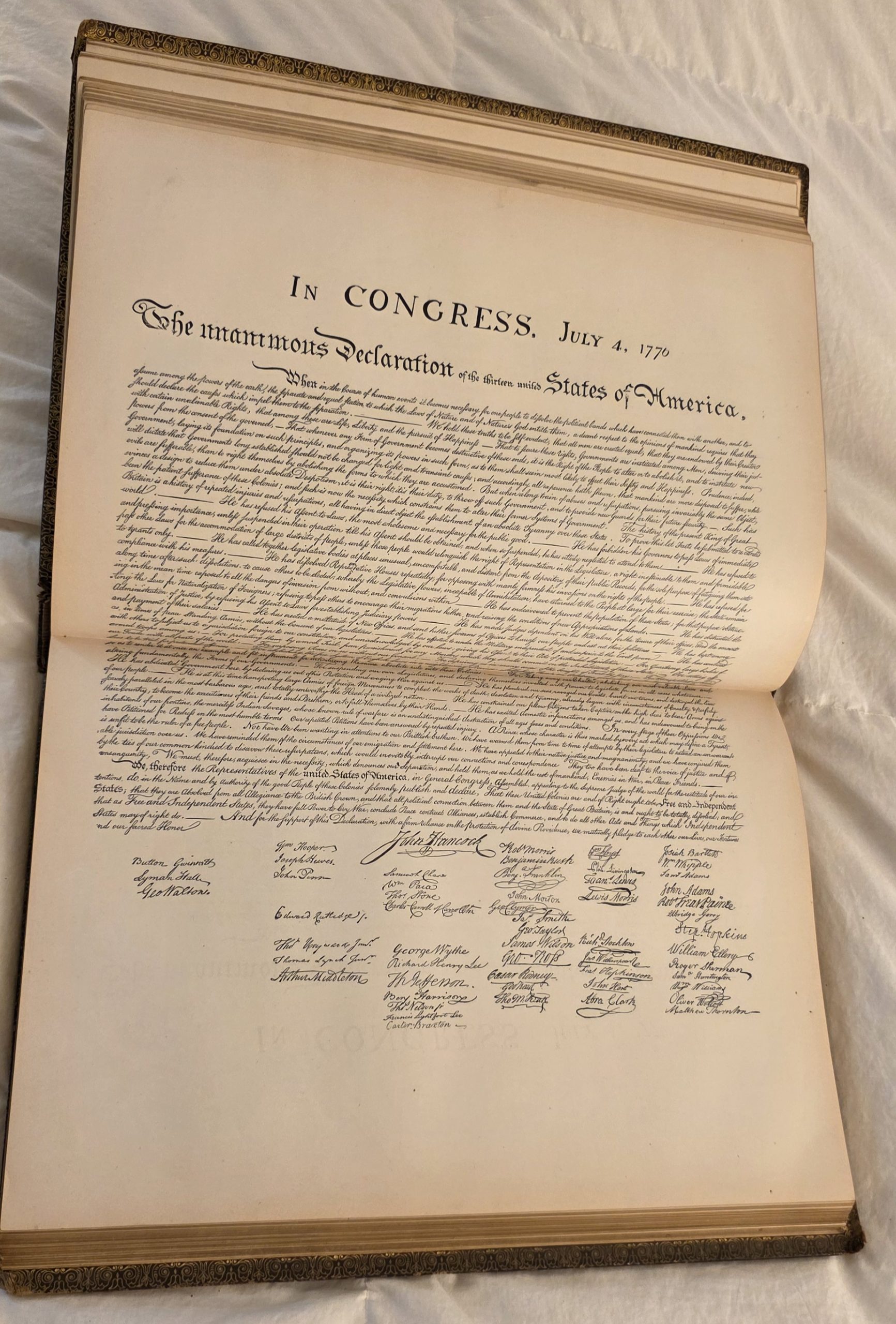
- Robert Sears' Pictorial History of the American Revolution (1845 + 1848): Gemini 3.1 Pro / Gemini Deep Research (Includes Declaration of Independence facsimile)
- In 1845, visionary publisher Robert Sears revolutionized how everyday citizens experienced their nation’s founding with his landmark Pictorial History of the American Revolution. Capitalizing on the mid-19th-century boom in wood engravings and a soaring national desire to visualize the past, Sears transformed the story of American independence from dry, formal text into a thrilling, highly accessible visual epic. Boasting hundreds of dramatic illustrations of legendary battles, heroic figures, and pivotal moments, this mass-market masterpiece satisfied a growing country's hunger to see and connect with its own history. The book's true significance lies in its unprecedented power to democratize the past: long before the era of photographs or documentaries, Sears’ captivating volume brought the triumphs of 1776 roaring to life inside the American household. It survives today as a spectacular, page-turning window into how 19th-century Americans celebrated their origins, profoundly shaping the patriotic imagination and popular memory of the young republic!
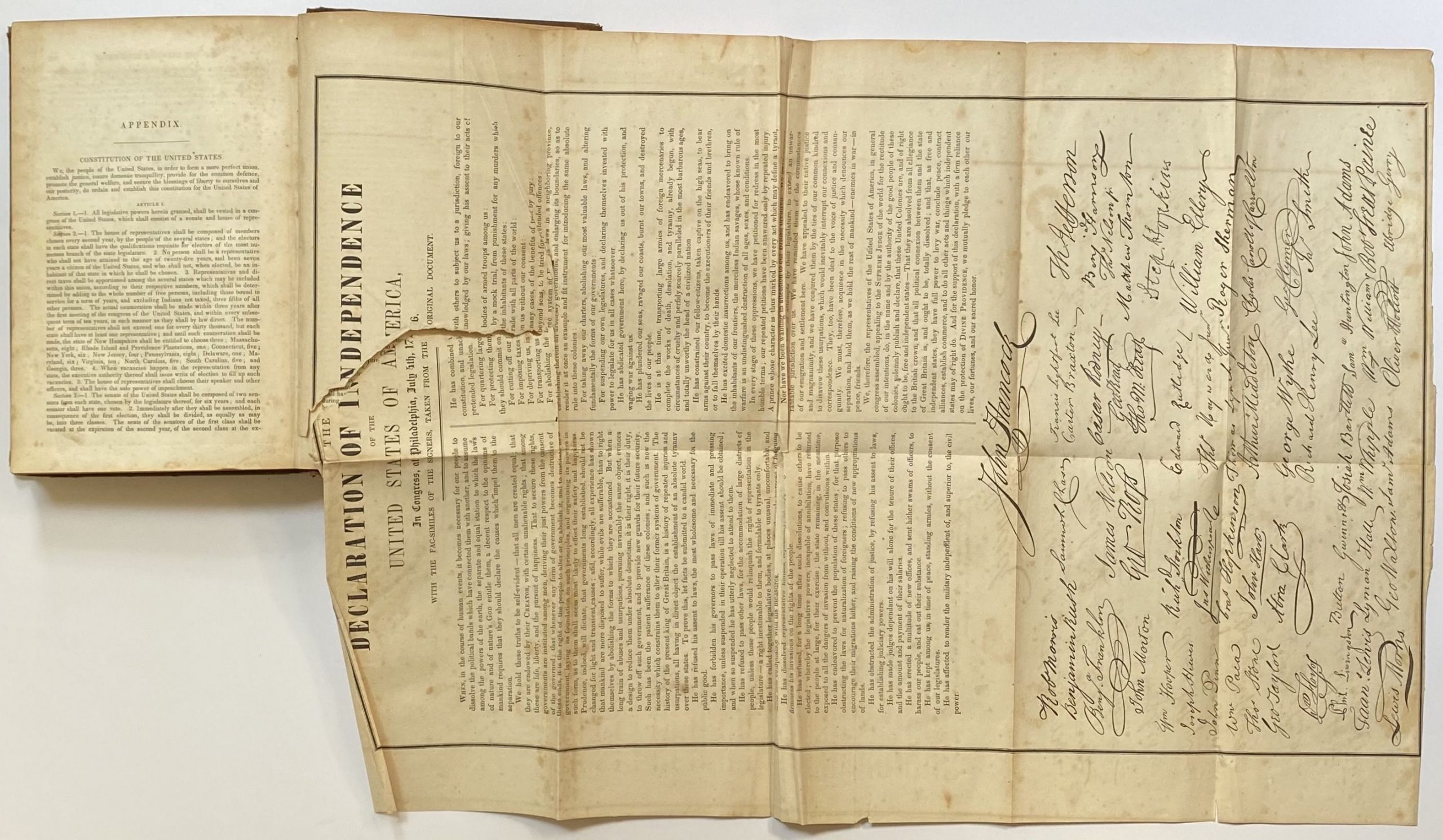
- Conrad's 1847 Edition Of Sanderson's Signers: Gemini 3.1 Pro / Gemini Deep Research (Jefferson's rough draft facsimile)
- In 1847, as America navigated a rapidly changing mid-century landscape, editor Robert T. Conrad released a magnificent, revitalized edition of John Sanderson’s monumental Biography of the Signers to the Declaration of Independence. This stunning volume did something truly vital for the young republic: it transformed the 56 men who pledged their lives and honor in 1776 from distant political figures into celebrated, flesh-and-blood national heroes! Packed with compelling personal narratives and gorgeous, high-quality engraved portraits, Conrad’s accessible edition gave everyday citizens the thrilling opportunity to finally put faces to the famous names at the bottom of the Declaration. The book's profound significance lies in its role as a unifying cultural touchstone, helping to cement the founders' legendary status in the collective American imagination. Today, this beautiful artifact offers a captivating glimpse into how the 19th-century public forged a shared patriotic memory, bringing the courageous spirits of the nation's birth vividly to life for a new generation!
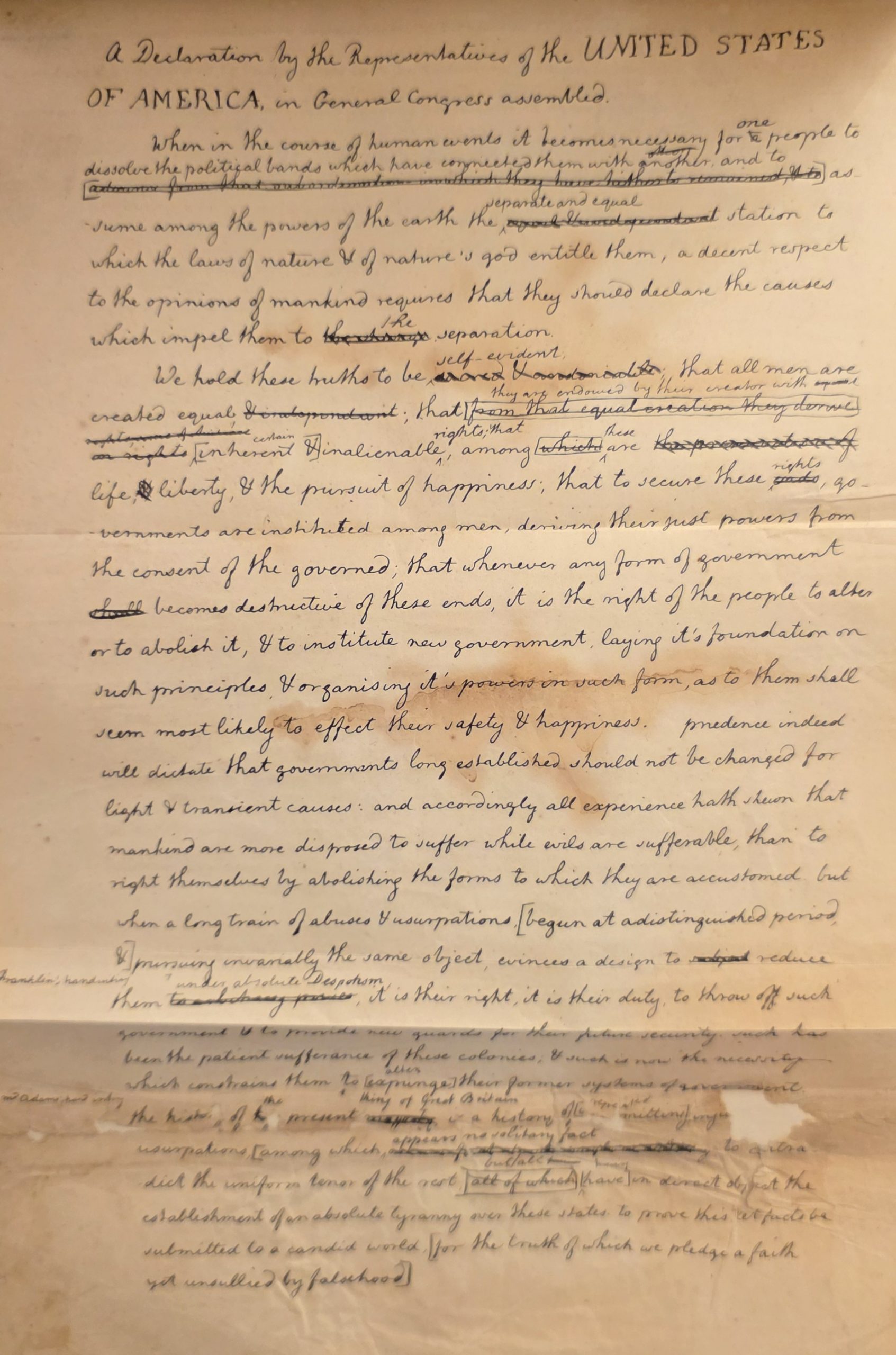
- Annual Register (Declaration, Constitution, etc): Gemini 3.1 Pro / Gemini Deep Research (Text only)
- Witness the birth of a nation through the eyes of the very empire it was leaving behind! Founded by British statesman Edmund Burke in 1758, The Annual Register was the premier yearly chronicle of world events for English readers. These remarkably preserved volumes are profoundly significant because they contain the earliest British publications of America's foundational texts—including the Declaration of Independence and the U.S. Constitution. To a Londoner reading these pages in the late 18th century, these were not revered historical artifacts, but shocking, breaking news of a radical colonial rebellion. Serving as the international debut of American democracy, these extraordinary books offer a thrilling, across-the-pond perspective on the world-changing words that reshaped the course of history.
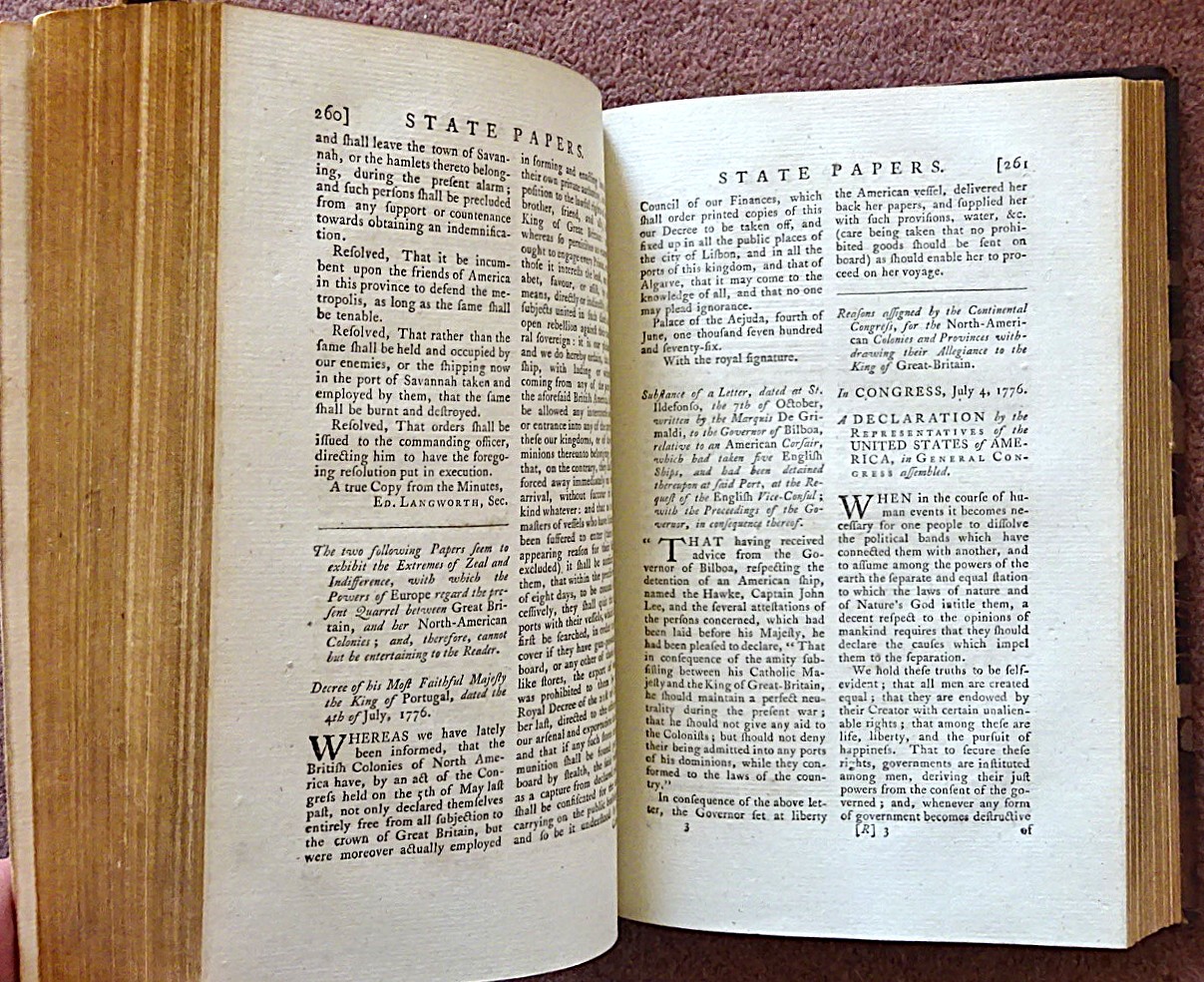
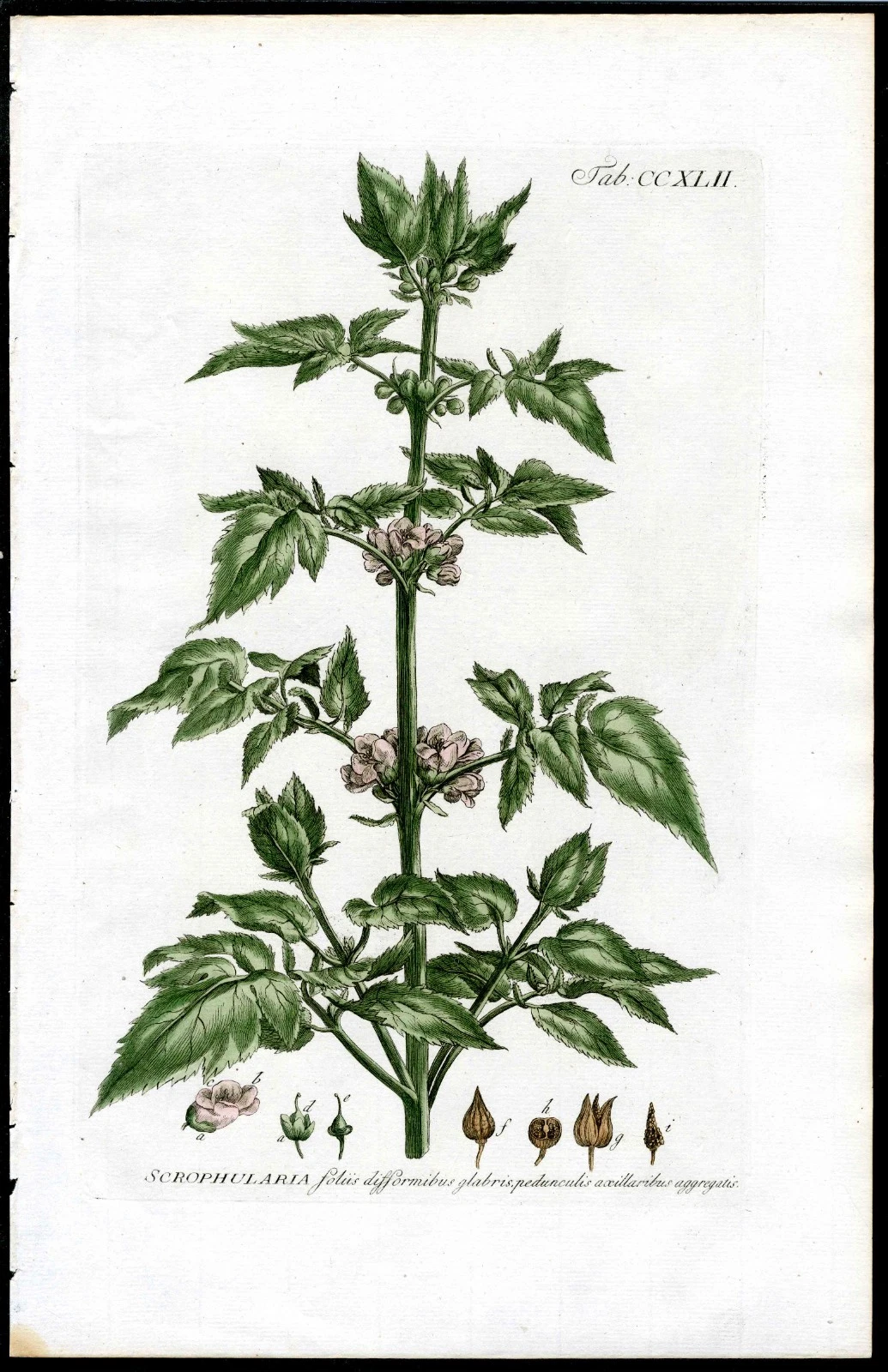
- 1768 Philip Miller Gardens prints on Pro Patria Eiusque Libertate Watermarked Paper: Gemini 3.1 Pro / Gemini Deep Research (Watermark only)
- At first glance, these elegant 1768 botanical prints by renowned British horticulturist Philip Miller are stunning examples of Enlightenment-era natural science—but their true magic lies not in the ink, but in the paper itself! Held to the light, these delicate leaves reveal the striking Dutch watermark Pro Patria Eiusque Libertate ("For Country and Her Liberty"). Incredibly, this is the exact same rare paper stock that Thomas Jefferson reached for when he penned his famous "Rough Draft" of the Declaration of Independence in the summer of 1776. This extraordinary artifact beautifully bridges the flourishing worlds of 18th-century botany and revolutionary politics. More than just a piece of historic art, it offers visitors a thrilling, tactile connection to the literal fabric of America's founding, transforming a beautiful garden print into a profound, tangible witness to the birth of a nation!
Books:
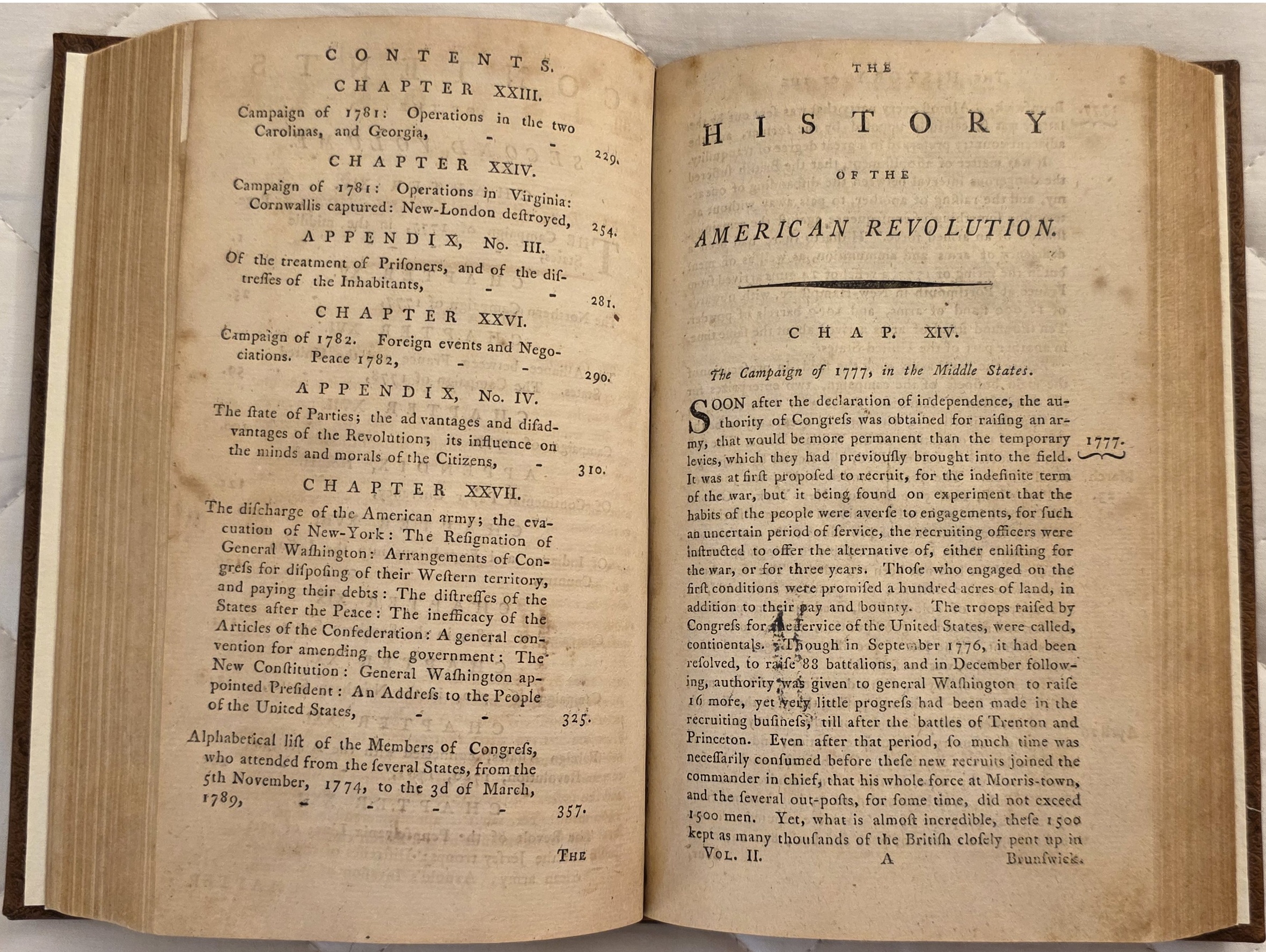
- David Ramsay’s The History of the American Revolution: Gemini 3.1 Pro / Gemini Deep Research
- Experience the dramatic birth of the United States through the eyes of a patriot who actually lived it! Published in 1789, David Ramsay’s The History of the American Revolution stands as one of the very first comprehensive accounts of the nation’s founding. As a Continental Congress delegate and active participant in the war, Ramsay possessed unparalleled, frontline access to the era's critical documents and key figures—including George Washington himself. What makes this foundational artifact so incredibly significant is its vivid immediacy; it captures the raw struggles and soaring triumphs of the rebellion before they could fade into myth. Far more than a simple chronicle, this dynamic volume offers a thrilling, on-the-ground perspective of the Revolution, inviting you to witness the forging of a new country exactly as its creators experienced it.
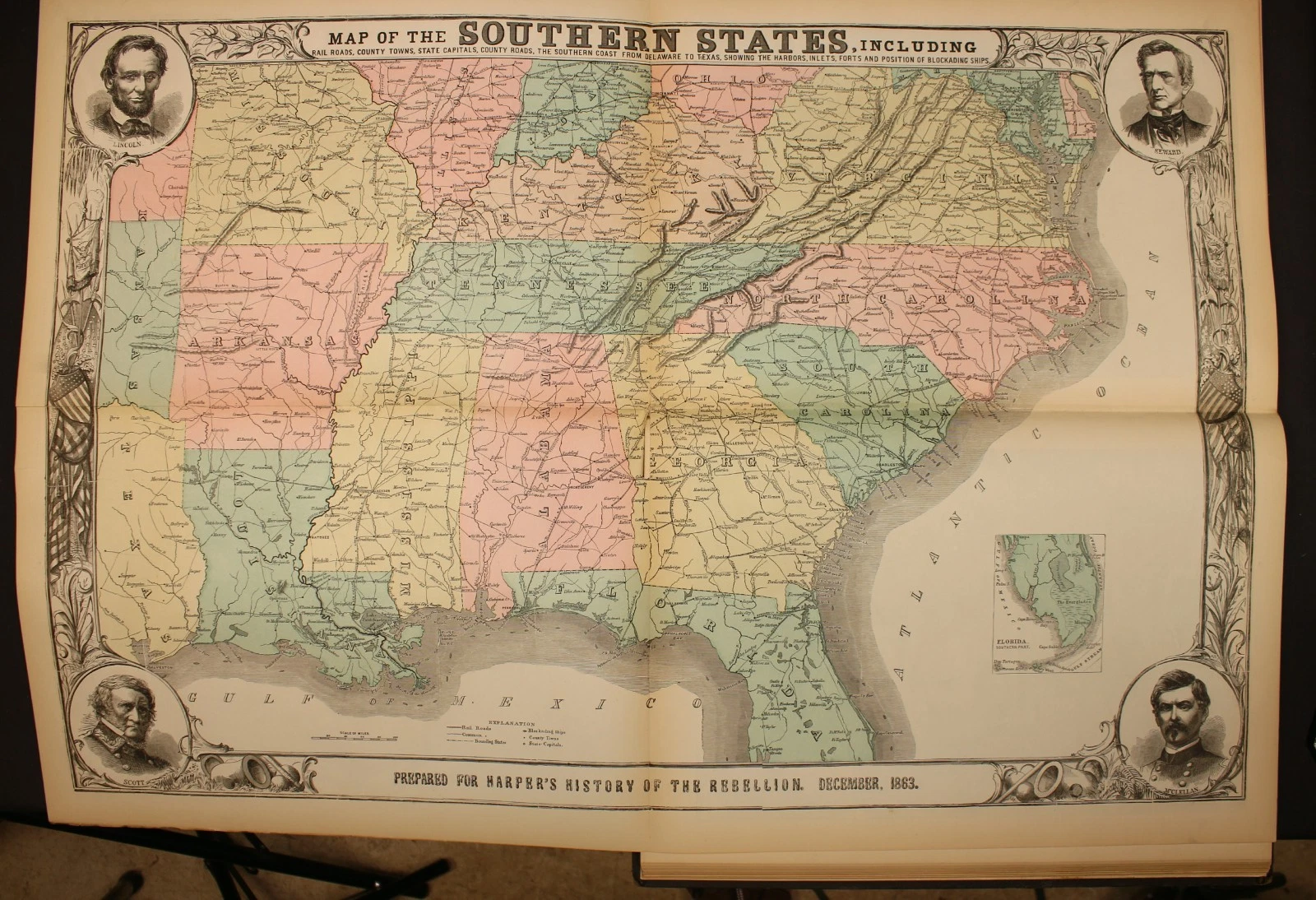
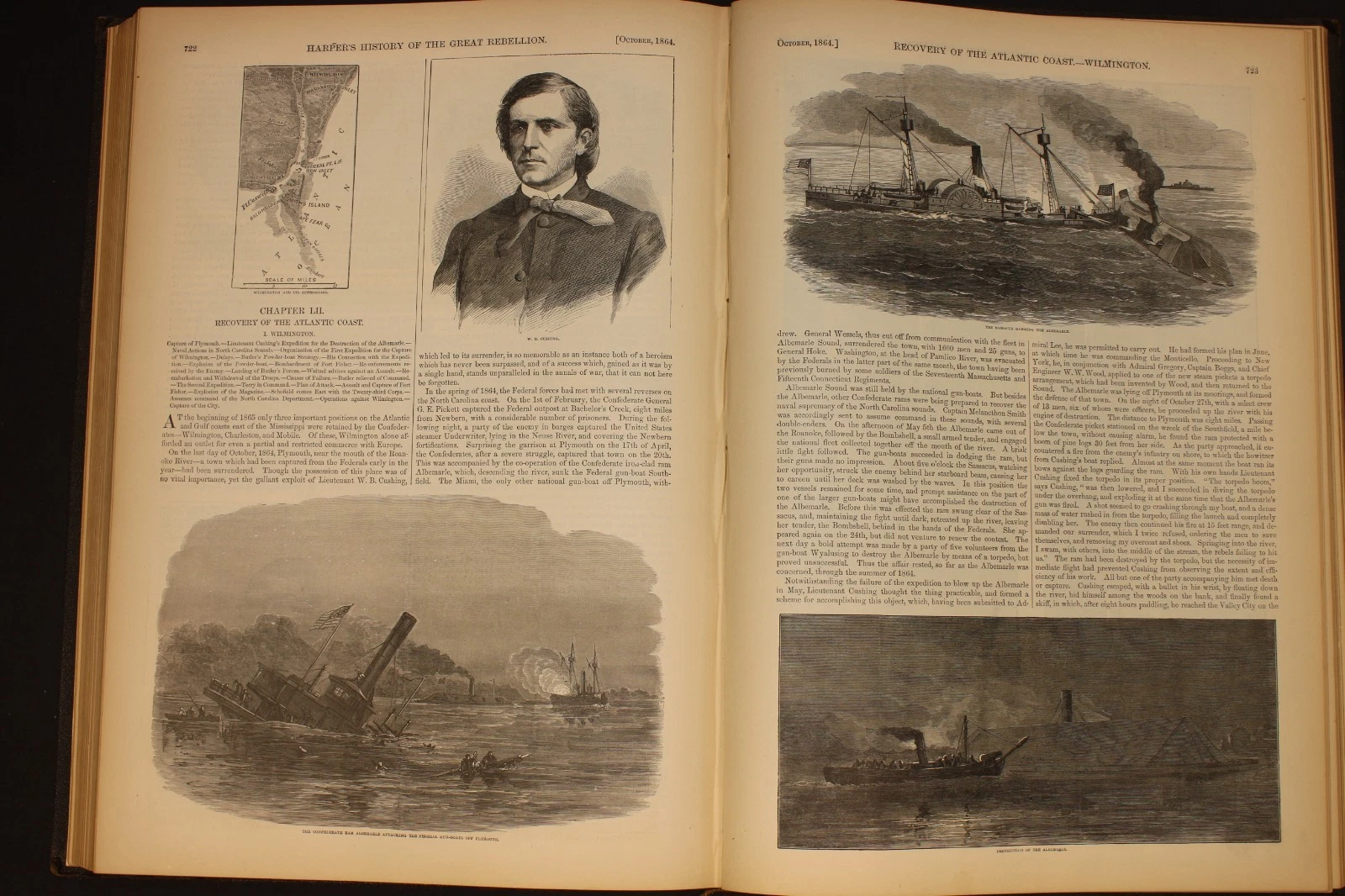
- Harper’s Pictorial History of the Great Rebellion: Gemini 3.1 Pro / Gemini Deep Research
- Immerse yourself in the visceral drama of the American Civil War with Harper’s Pictorial History of the Great Rebellion. Compiled in the immediate aftermath of the conflict, this monumental masterwork gathered the stunning, on-the-ground reporting of Harper’s Weekly to create a definitive visual record of a fractured nation. What makes this staggering artifact so profoundly significant is its sheer documentary power; before photographs could be mass-produced in print, it was courageous "Special Artists"—including future luminaries like Winslow Homer and Thomas Nast—who embedded with the troops to sketch the war under fire. Featuring nearly a thousand sweeping battle scenes, intimate camp portraits, and intricate maps, this breathtaking volume revolutionized visual journalism and offers an electrifying, eyewitness window into the defining struggle of the United States.
- Spencer's History of the United States: Gemini 3.1 Pro / Gemini Deep Research
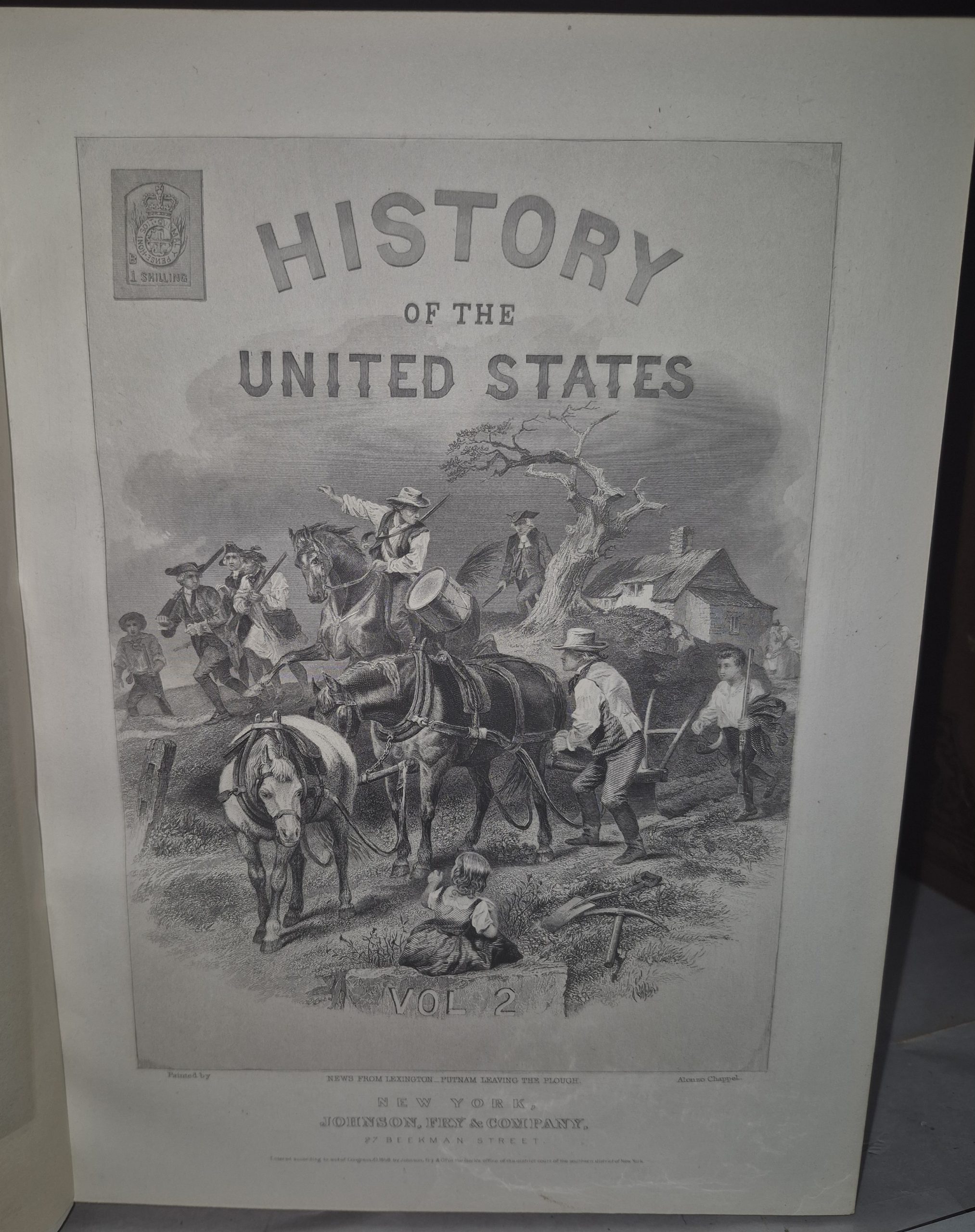
- Published in 1858 on the very eve of the Civil War, J.A. Spencer’s magnificent History of the United States was a monumental effort to celebrate a shared American past at a time of deepening national division. But what truly sets this ambitious masterpiece apart is its spectacular visual legacy! The book was lavishly illustrated with breathtaking, highly detailed steel engravings based on original paintings by celebrated historical artists, most notably Alonzo Chappel. These stunning, dramatic depictions of Revolutionary battles, heroic founders, and monumental political triumphs didn't just decorate the text—they practically invented the visual iconography of the United States for the everyday public. By bringing the thrilling, mythic drama of the nation's founding directly into middle-class parlors, Spencer's captivating history profoundly shaped how generations of citizens pictured their own heritage. Today, it remains a gorgeous, page-turning artifact of early American storytelling that continues to define our national memory!
- Manning & Loring's 1797 The Constitutions of the Sixteen States: Gemini 3.1 Pro / Gemini Deep Research
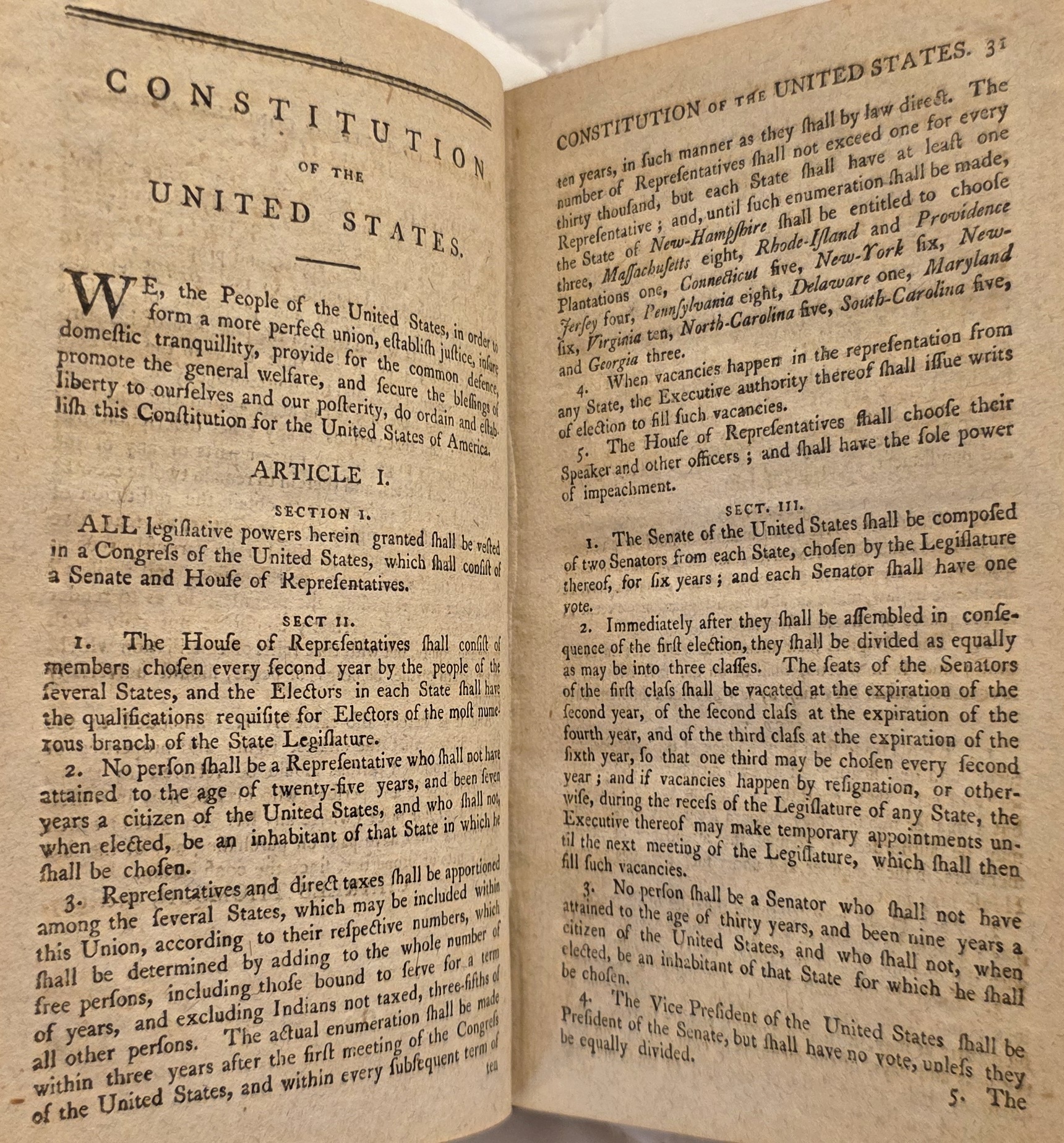
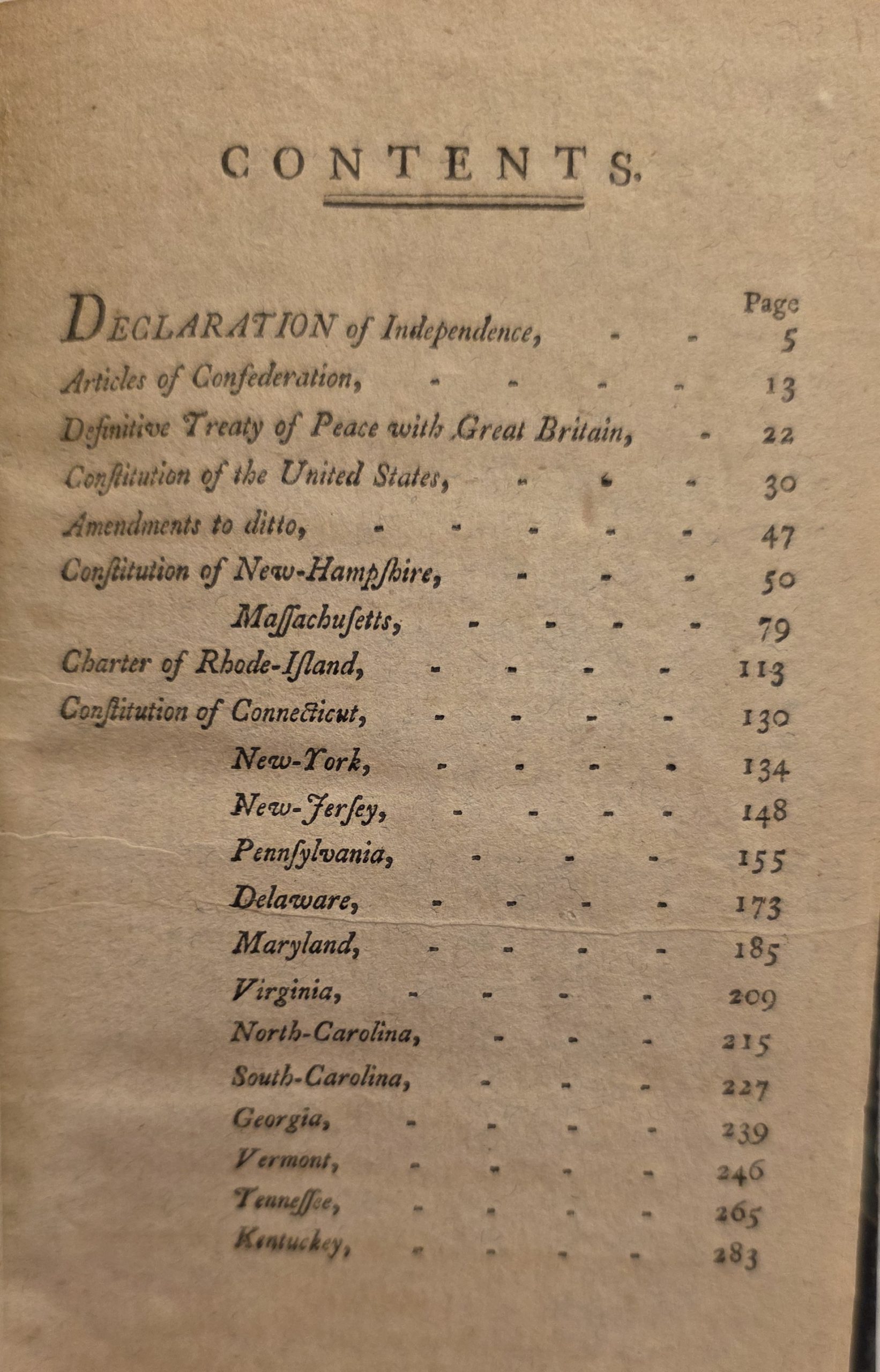
- Published in Boston in 1797 by the pioneering printing firm Manning & Loring, The Constitutions of the Sixteen States captures a thrilling, dynamic snapshot of a young America in motion! Just a decade after the U.S. Constitution was drafted, the nation was already bursting beyond its original borders. This vital compilation celebrates the republic's rapid westward expansion by gathering not only the foundational national documents—like the Declaration of Independence—but the distinct, individual constitutions of the original thirteen states alongside the newest pioneer additions: Vermont, Kentucky, and Tennessee. Far more than a dry legal reference, this compact volume served as a practical, everyday toolkit that empowered ordinary citizens to navigate and participate in their rapidly evolving democracy. Its profound significance lies in its reflection of early American federalism in action—a beautifully preserved, tangible piece of history that showcases a vibrant, experimental country literally writing the rules of its own soaring future!
Maps:
- 1764 Annual Register Printing Of The Kitchin: Gemini 3.1 Pro / Gemini Deep Research
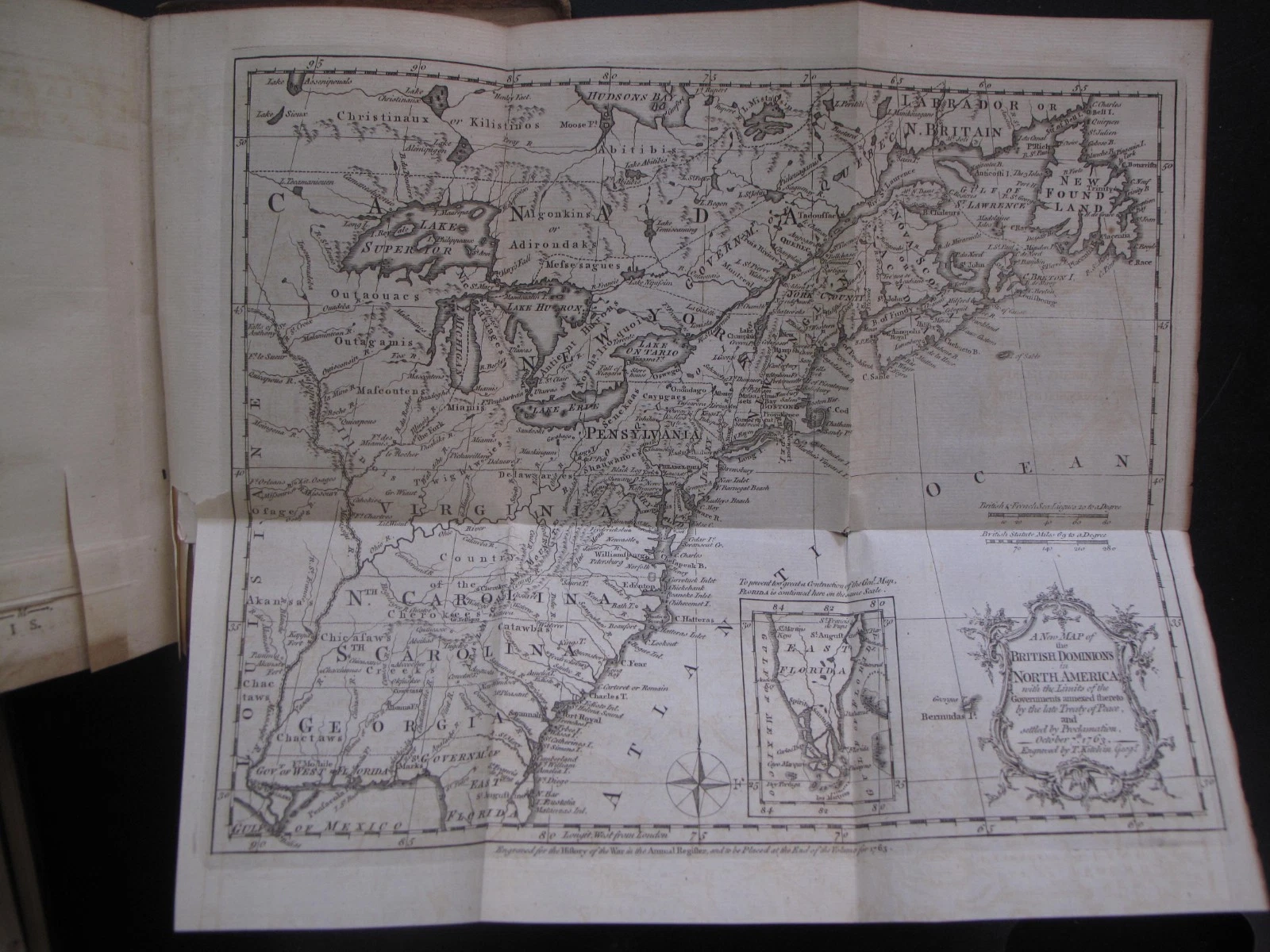
- Fresh off the monumental British victory in the French and Indian War, the map of North America was completely redrawn—and everyday citizens clamored to see the massive new shape of their empire! Tucked into the 1764 edition of the popular British periodical The Annual Register, this crisp, beautiful map by renowned cartographer Thomas Kitchin provided the public with a thrilling first look at the vast territorial shifts established by the 1763 Treaty of Paris. But its true historical magic lies in the political tension hidden within its borders! The map visually traces the newly established Proclamation Line of 1763, an invisible boundary strictly forbidding colonial expansion westward. To the British readers of the time, this elegant document represented the triumphant, sprawling peak of a global empire; to the American colonists, it illustrated the exact restrictions that would soon ignite the explosive sparks of the American Revolution. This captivating map isn't just a guide to geography—it is a profound, unfolding blueprint of the very friction that would give birth to the United States!
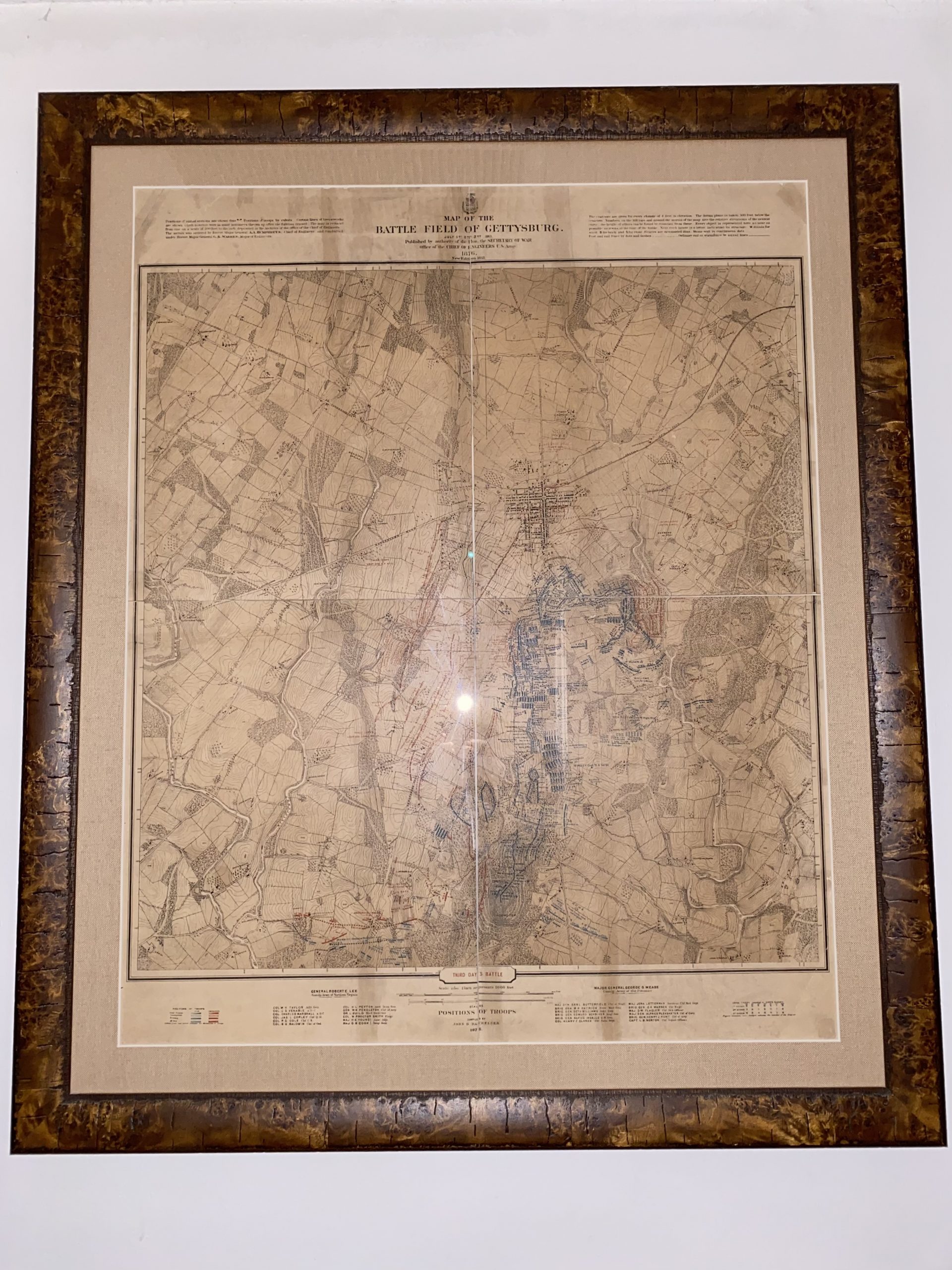
- 1867 Civil War Map Gemini Deep Research
- Step back into the defining moments of the American Civil War with this remarkable 1876 topographical map. Commissioned by the U.S. Secretary of War and meticulously compiled by John B. Bachelder—the undisputed 19th-century authority on the Battle of Gettysburg—this map captures the decisive third day of combat with breathtaking precision. Bachelder spent years exhaustively interviewing veterans from both sides and surveying the terrain to plot the exact troop positions, famously represented here in striking red and blue detail. More than just a beautifully rendered piece of historic cartography, this artifact is a true cornerstone of American history; it fundamentally shaped our modern understanding of the battle's pivotal maneuvers and served as the foundational blueprint for preserving the Gettysburg National Military Park for generations to come.
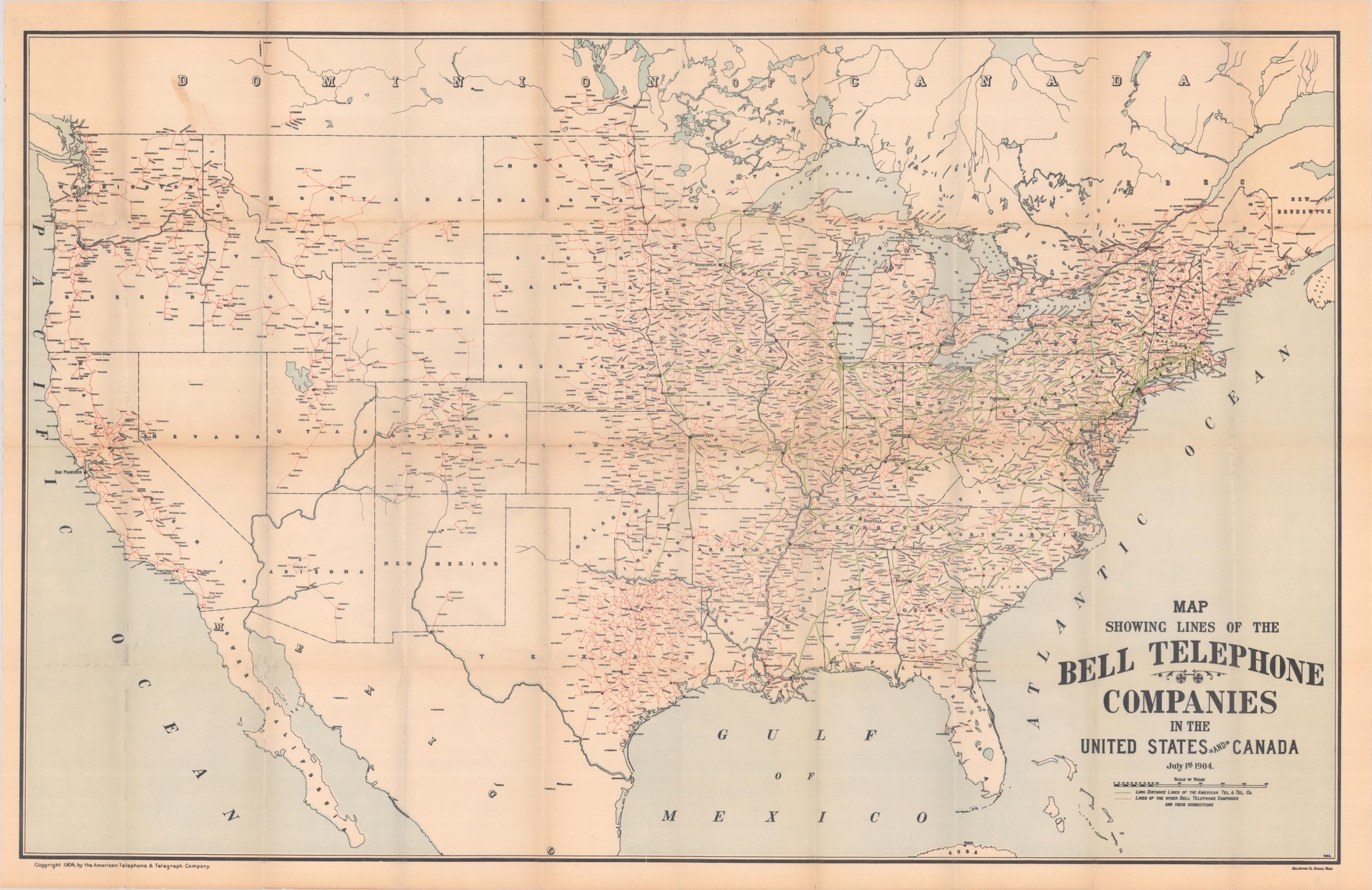
- 1904 Bell Telephones Network: Gemini 3.1 Pro / Gemini Deep Research
- Marvel at the very blueprint of the modern, interconnected world! At the dawn of the 20th century, the Bell Telephone Company was furiously weaving a web of copper wire across America, transforming Alexander Graham Bell's novel parlor invention into a sprawling, continent-spanning grid. What makes this striking representation of the 1904 Bell network so profoundly significant is that it captures the exact moment distance began to disappear. Before this rapidly expanding infrastructure, communication moved only as fast as a train or a telegraph tap; this revolutionary system allowed the intimacy and nuance of the human voice to instantly bridge hundreds of miles for the very first time. Serving as the foundational architecture for the modern information age, this electrifying artifact offers a thrilling glimpse into the technological marvel that first connected the country and forever changed how we speak to one another.
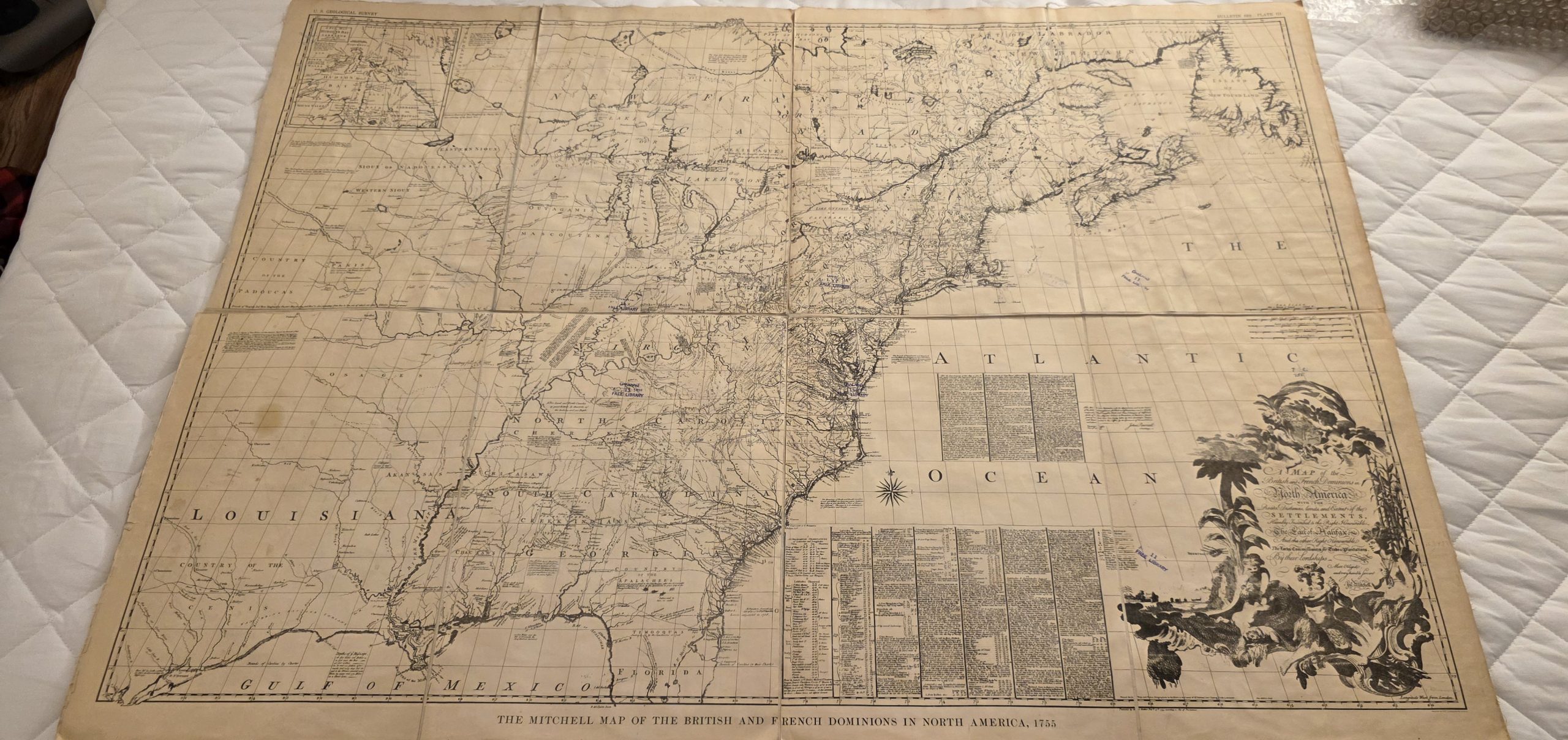
- 1923 USGS reprint of the 1755 Mitchell Map: Gemini 3.1 Pro / Gemini Deep Research
- Widely celebrated as the most important map in American history, John Mitchell’s monumental 1755 map of North America famously served as the very blueprint used by diplomats to draw the borders of the new United States at the 1783 Treaty of Paris! Its staggering historical and legal influence didn't end in the 18th century, however. In 1923, the United States Geological Survey (USGS) produced this exceptional, highly accurate reprint of the legendary document. Recognizing that Mitchell's brilliant cartography was still actively being consulted for modern state border disputes and historical scholarship, the U.S. government sought to meticulously preserve its fragile, foundational genius. This fantastic 1923 USGS facsimile represents a thrilling bridge between two eras—showcasing a magnificent, sprawling 18th-century colonial vision while standing as a powerful testament to the enduring, centuries-long legacy of the map that literally defined the shape of a nation!
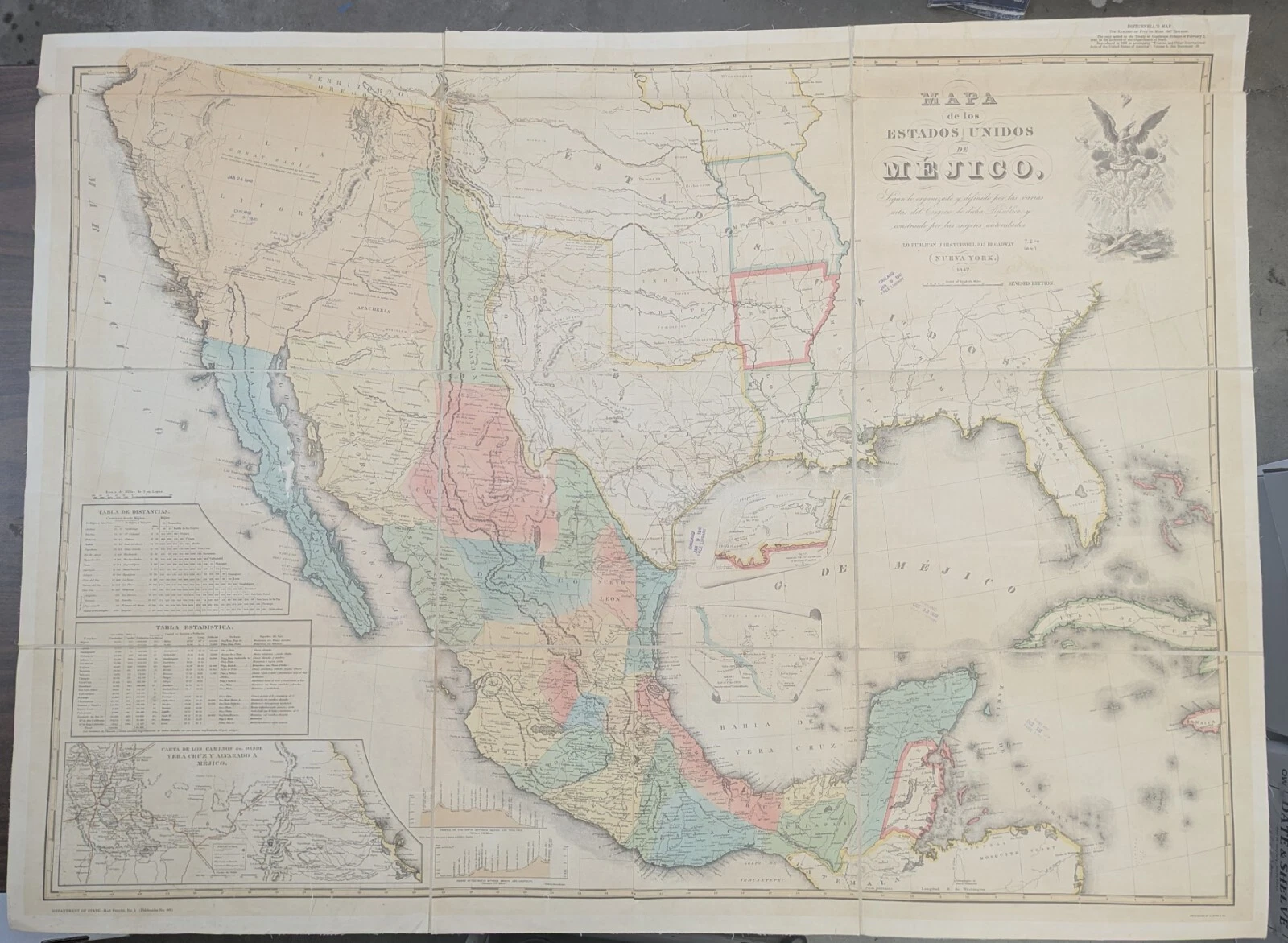
- 1935 State Dept Reprint Of The 1847 Disturnell Map Of Mexico: Gemini 3.1 Pro / Gemini Deep Research
- Uncover the cartographic miscalculations that literally reshaped North America! This 1935 U.S. State Department reprint immortalizes John Disturnell’s famous 1847 Map of Mexico—the precise document used to negotiate the 1848 Treaty of Guadalupe Hidalgo, which ended the Mexican-American War and established the modern international border. What makes this map absolutely legendary, however, are its profound geographical errors. Disturnell's slight misplacements of El Paso and the Rio Grande sparked fierce, years-long diplomatic disputes that ultimately necessitated the Gadsden Purchase to resolve. Preserved in this striking 20th-century government facsimile, this fascinating artifact is a powerful reminder of how a single, flawed piece of paper can redraw the map of the world and permanently dictate the destinies of two nations.
Pop Culture:
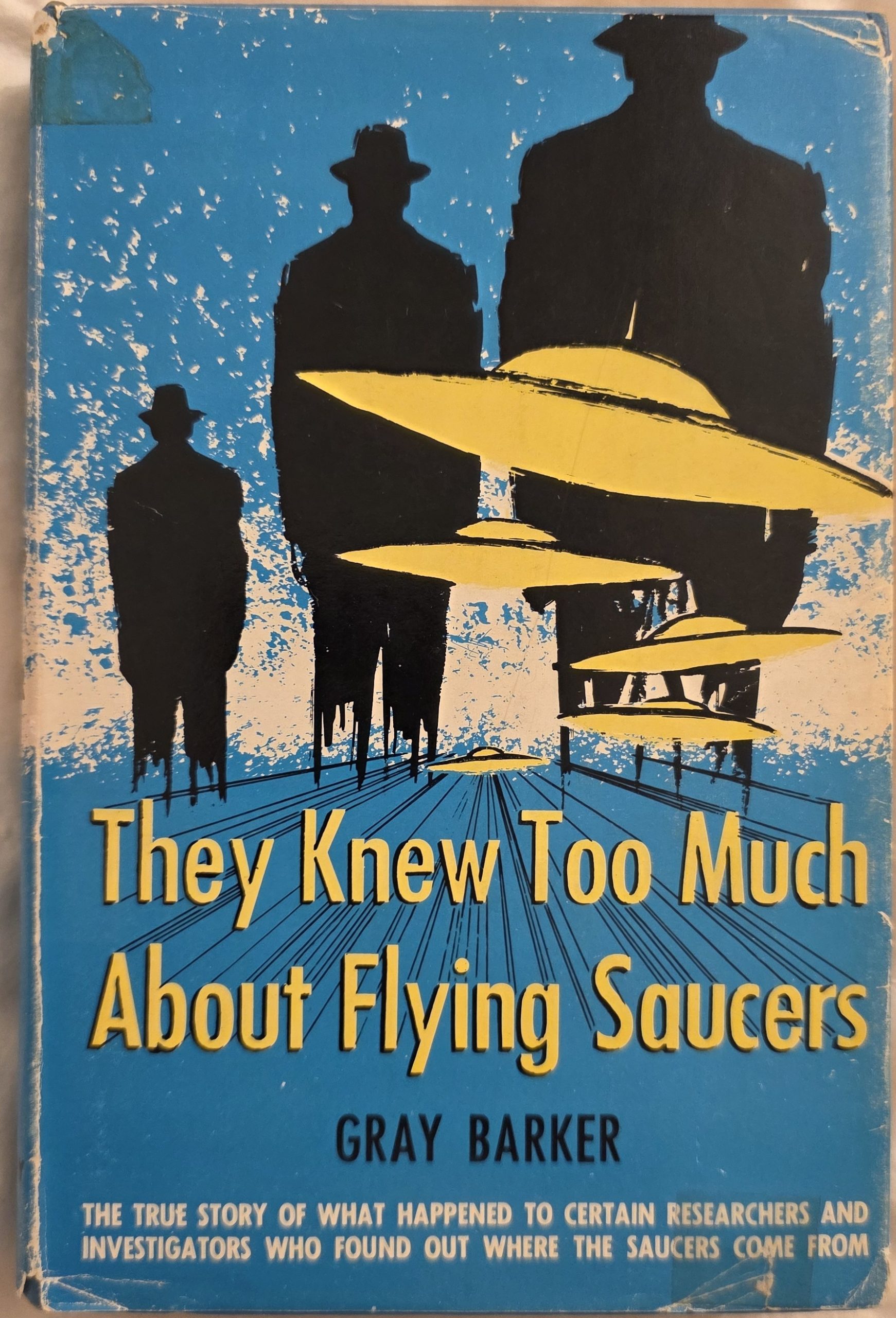
- They Knew Too Much About Flying Saucers: Gemini 3.1 Pro / Gemini Deep Research
- Step into the thrilling, paranoid world of the 1950s UFO craze with Gray Barker’s 1956 sensation, They Knew Too Much About Flying Saucers. Capitalizing on Cold War-era anxieties and the skyrocketing public obsession with extraterrestrial visitors, this captivating volume is far more than a mid-century paranormal relic—it is the very birthplace of the "Men in Black" legend. Barker's book introduced mainstream pop culture to the chilling tale of Albert K. Bender, an amateur UFO researcher who abruptly abandoned his investigations after allegedly being silenced by three mysterious, dark-suited figures. Serving as the cornerstone of modern flying saucer mythology, this extraordinary artifact sparked a massive cultural phenomenon that permanently shaped our relationship with the unknown and continues to inspire blockbuster movies to this very day.
Ephemera:
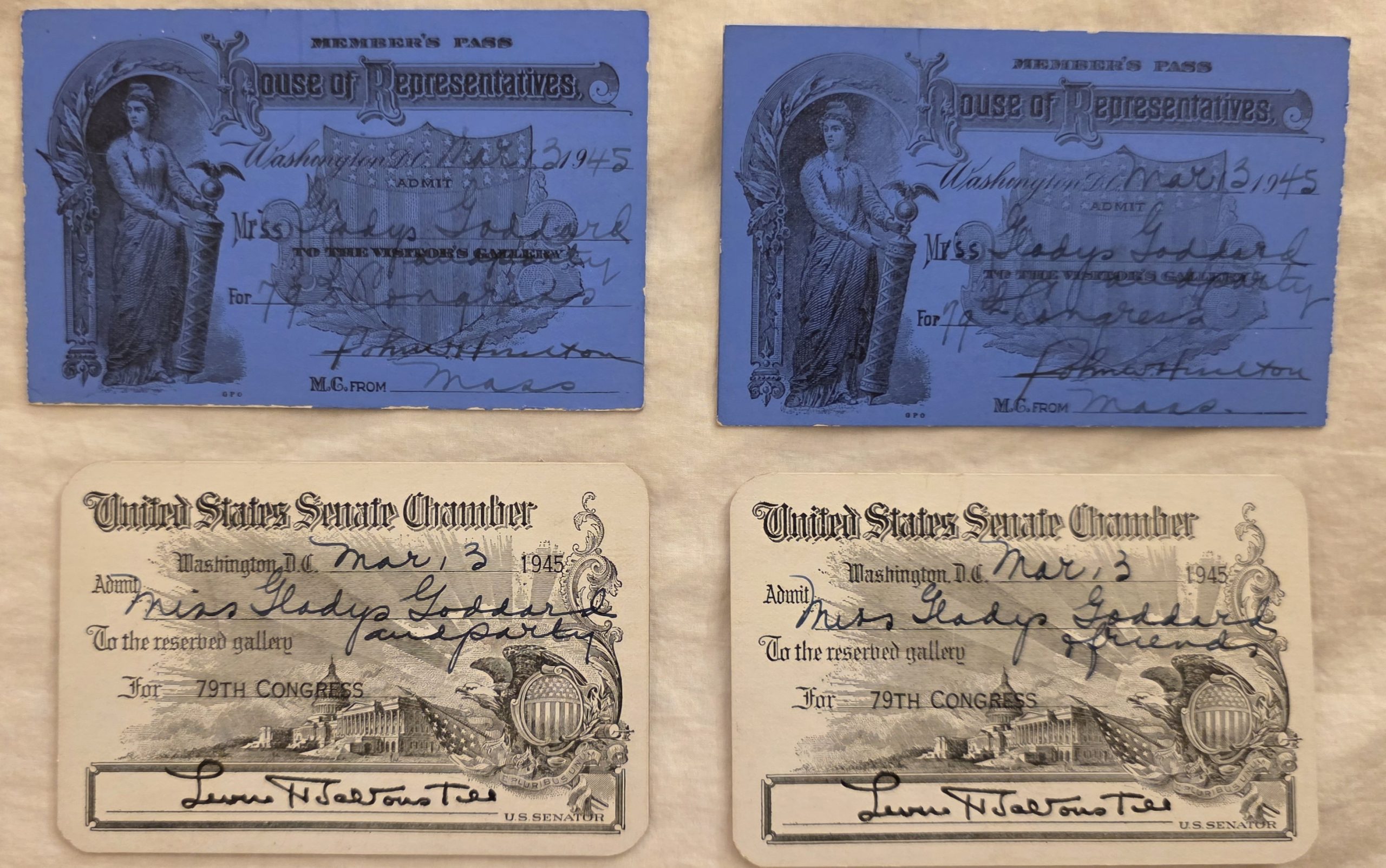
- March 13, 1945 House & Senate Gallery Passes: Gemini Deep Research
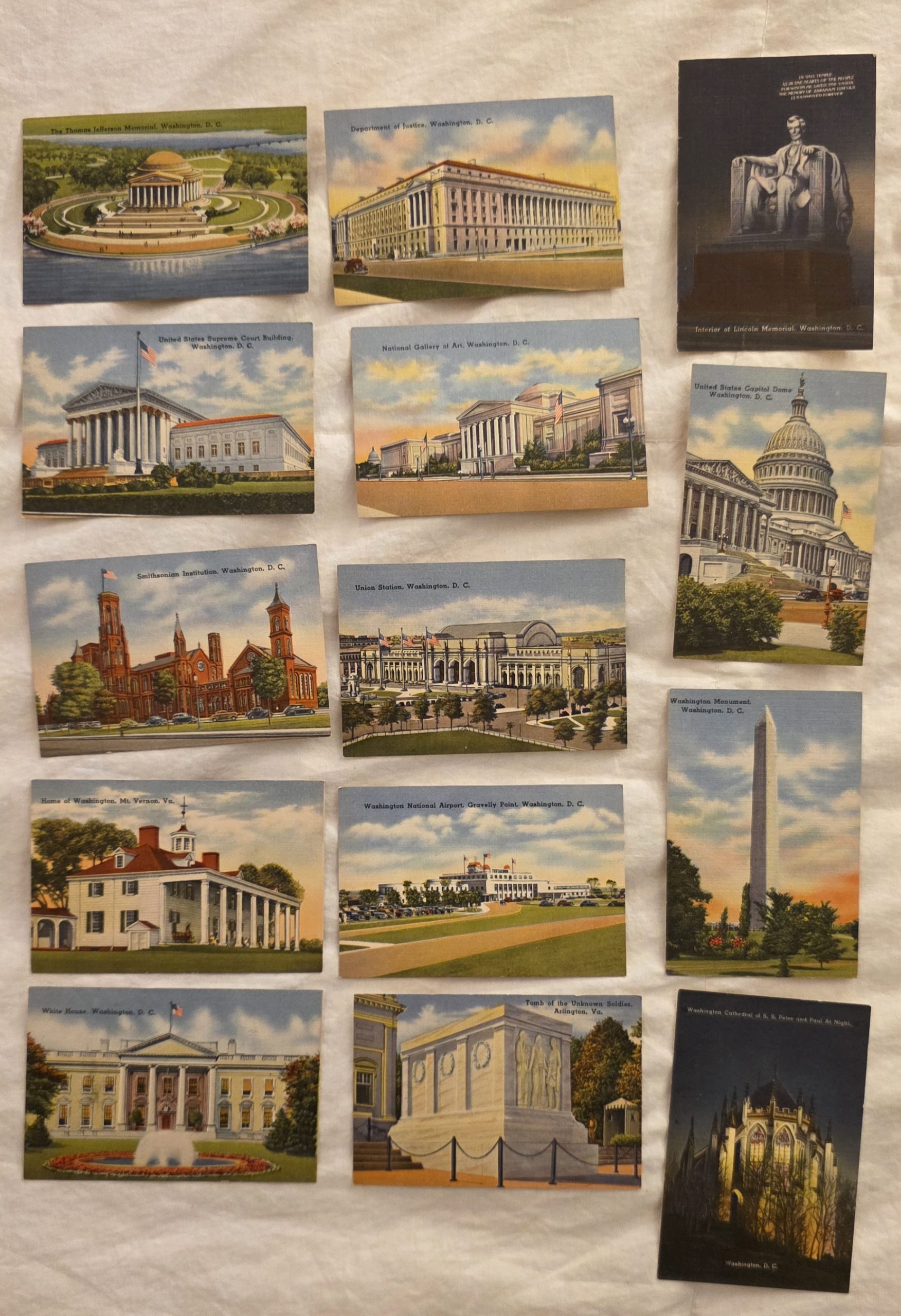
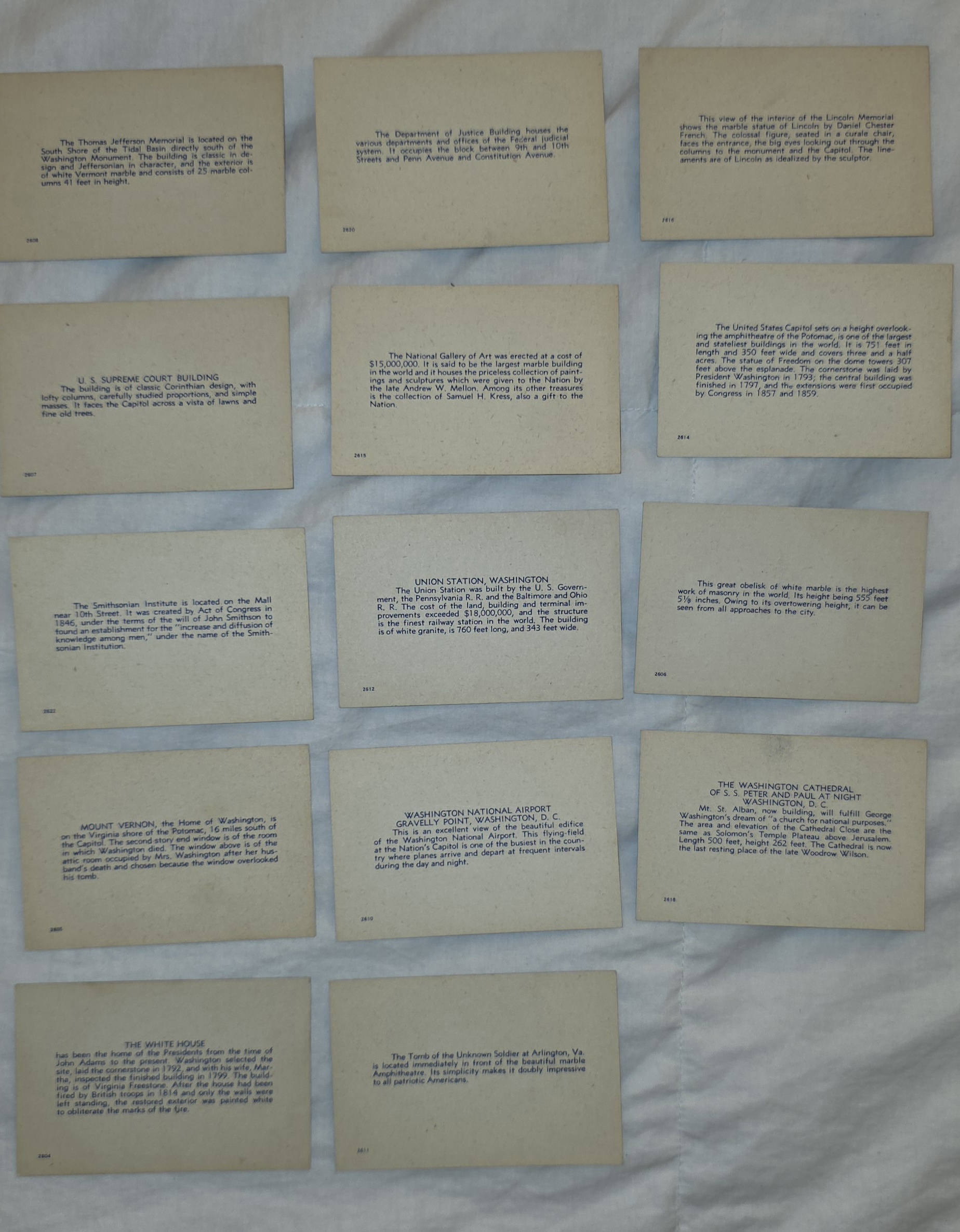
- Circa-1945 "20 Assorted Views" Souvenir Miniature Linen Postcards: Gemini Deep Research
TECHNICAL DETAILS
For the brief item descriptions, we used the following prompt:
Give me a short brief paragraph about [ITEM NAME HERE] for a museum exhibition catalog. Keep it brief, but informative and upbeat for an exhibition catalog that makes a reader want to learn more about the artifact. Focus on the history and context and especially what makes this item significant and important.
For the Gemini 3.1 Pro & Gemini Deep Research backgrounders we used this prompt:
Give me a deeply researched history and context of [ITEM NAME HERE] and focusing on its background, context, significance, meaning to American history and place among Americana and rarity.
Finally, for the whole-collection backgrounder, we used this prompt, drawn from the original LinkedIn post:
Below is the description of a small Americana collection. Deeply research and contextualize this collection, focusing on the background, context and significance of each item and the combined story they tell of American history and how they fit into the broader narrative of the formation of the nation. Write your report with an eye towards how a museum exhibit could curate all of these items together to tell the story of America.

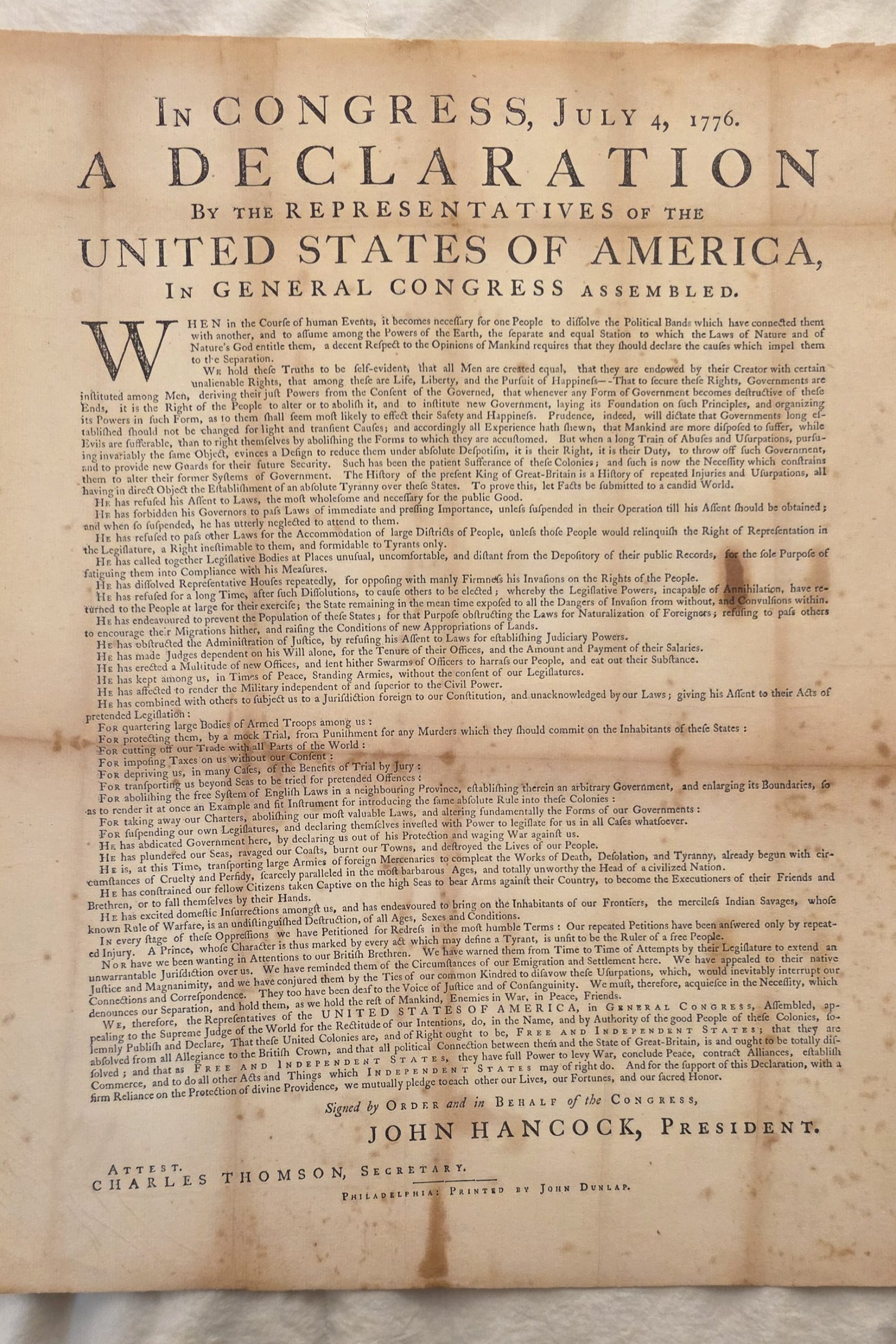
In honor of July 4th and America's 250th - a brief look at our Americana holdings. The Collection holds an incredible ELEVEN copies of the Declaration of Independence and two Pro Patria paper examples. The most significant copy is a stunningly clear and crisp Stone that is so pristine it allowed us to uncover a fascinating new discovery about the Stone copperplate and its connection with the 201 parchment and ~4000 paper Stone copies of the Declaration. Incredibly, this copy is one of around 300 paper Stone copies believed to survive (including the copy in the Oval Office), along with 50 parchment copies. Stone's copy of the now-faded Declaration is the image we know today. There are also two of the exceptionally rare 1820 Huntingtons which we had expertly restored earlier this year. The Huntington (Bidwell #6) is a 25% reduced-size copy of the first Declaration copy to include the signatures, the 1818 Tyler. We also have two mint 1970 "Donnelley Dunlaps", the most perfect exact Dunlap replicas ever created, commissioned by Ira G. Corn, Jr. & Joseph P. Driscoll and produced by the R. R. Donnelley & Sons Company. We also hold a near-contemporary book printing of the Declaration in the 1777 Annual Register. Capturing the rich diversity of Declaration copies printed over the following years, we have two of the uncommon 1845 Sears copies (Bidwell #22). We have a 1847 Sanderson Signers copy of Jefferson's rough draft. Finally, as the nation celebrated its first century, we have two of the 1876 Leslie Centennial copies. As a direct connection to the Declaration's creation, we also hold two 1768 Philip Miller Gardens prints on Pro Patria Eiusque Libertate watermarked paper - the same Dutch paper used by Thomas Jefferson to pen the rough draft of the Declaration!

Other highlights of our Americana collection include the first book printing of the 1763 Kitchin map of the colonies; near-contemporary printings of the Declaration, Constitution, and other foundational documents; the 1797 Constitutions of the Sixteen States; Ramsay’s History of the American Revolution (the first American-written history of America); several contemporary newspapers; Spencer’s 1858 Pictorial History of the United States; Harper's Pictorial History of the Great Rebellion (the first published illustrated history of the Civil War); Frank Leslie’s monumental Centennial Exposition pictorial; and a first edition of They Knew Too Much About Flying Saucers, the 1956 book that coined "Men in Black." There are also three wall-sized maps: a remarkable 1904 Bell Telephones map of the American national telephone network, the 1935 State Department reprint of the Disturnell map of the Mexican territories and the 1923 USGS reprint of the Mitchell map, "The Map That Made America".