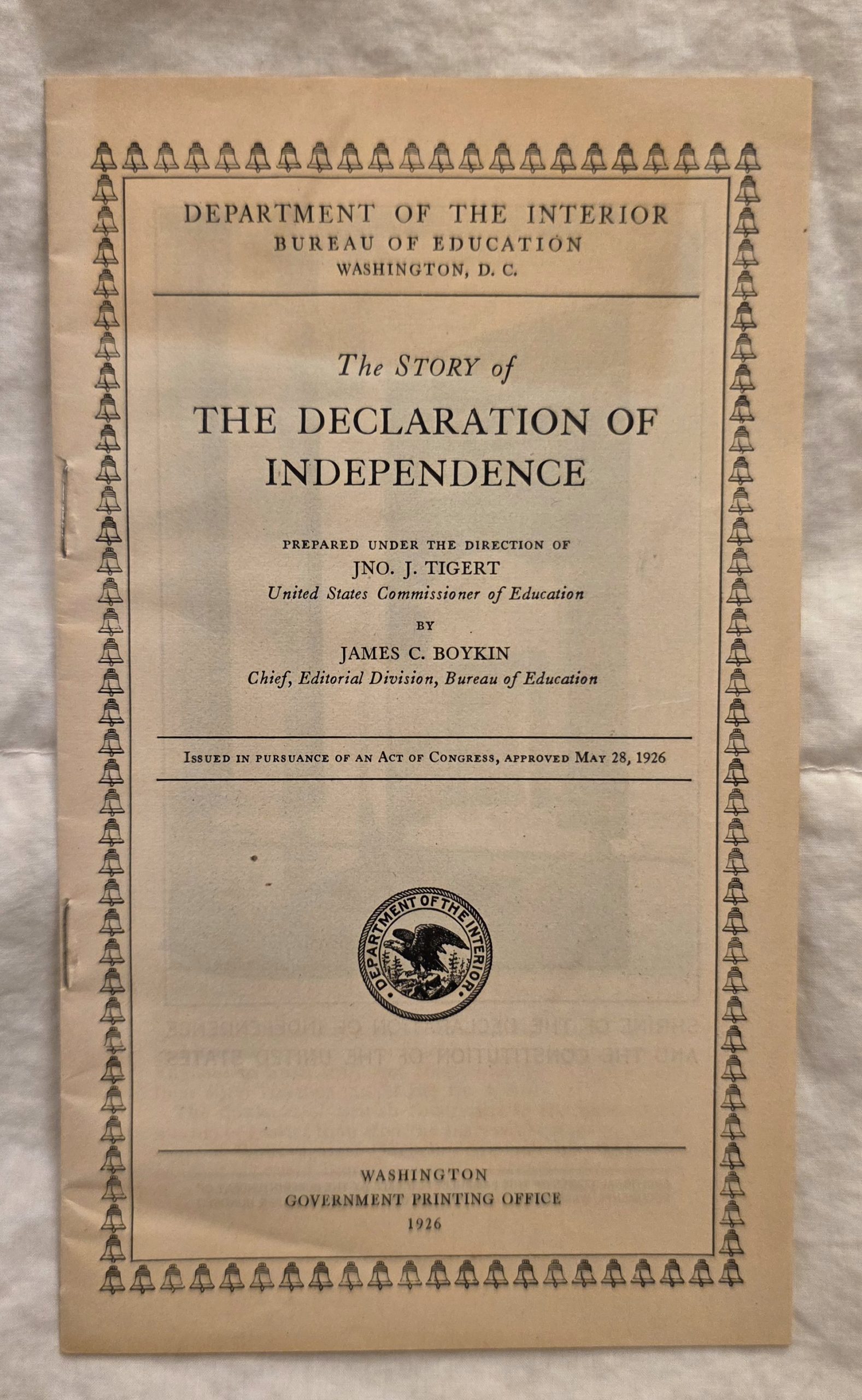
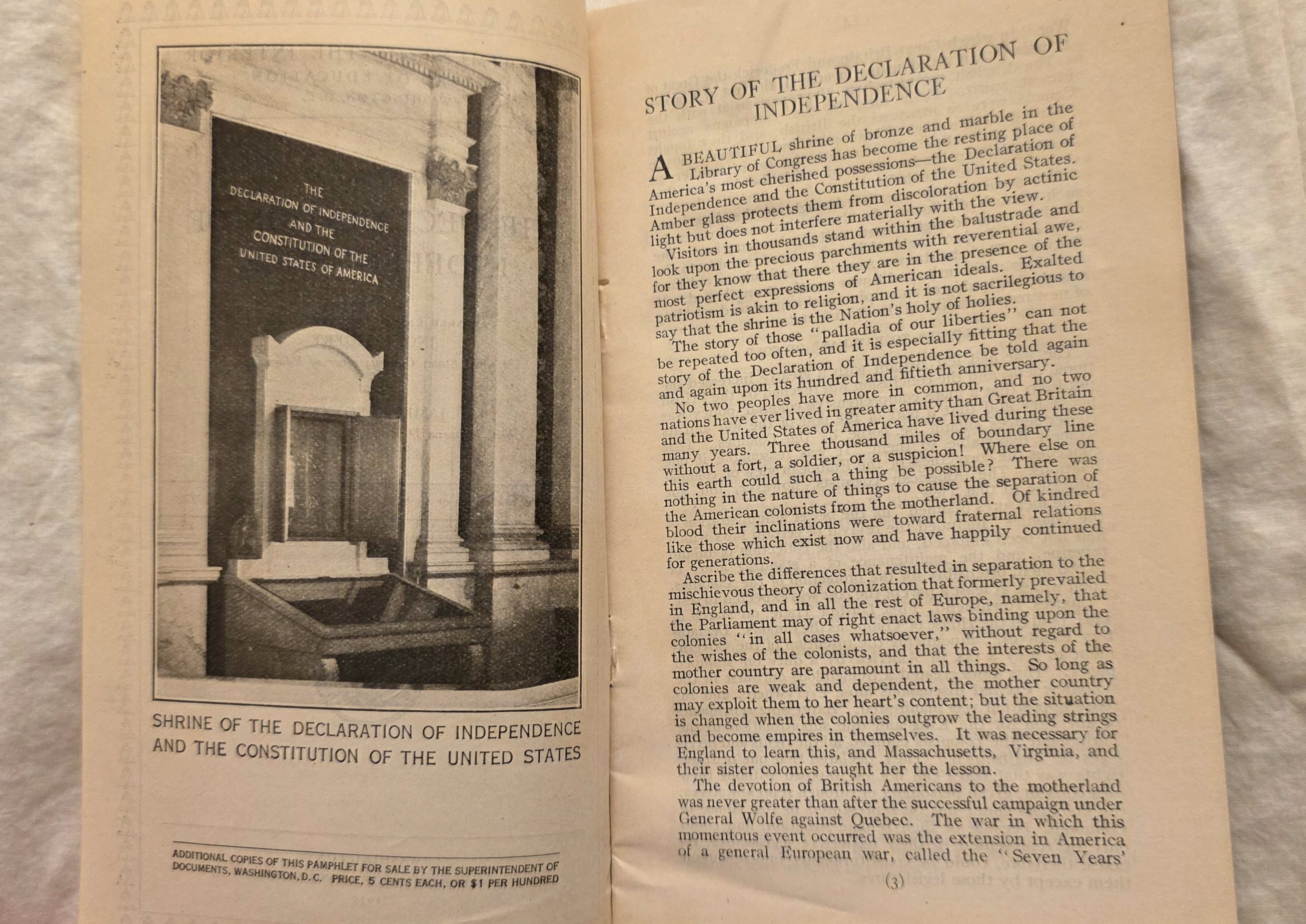
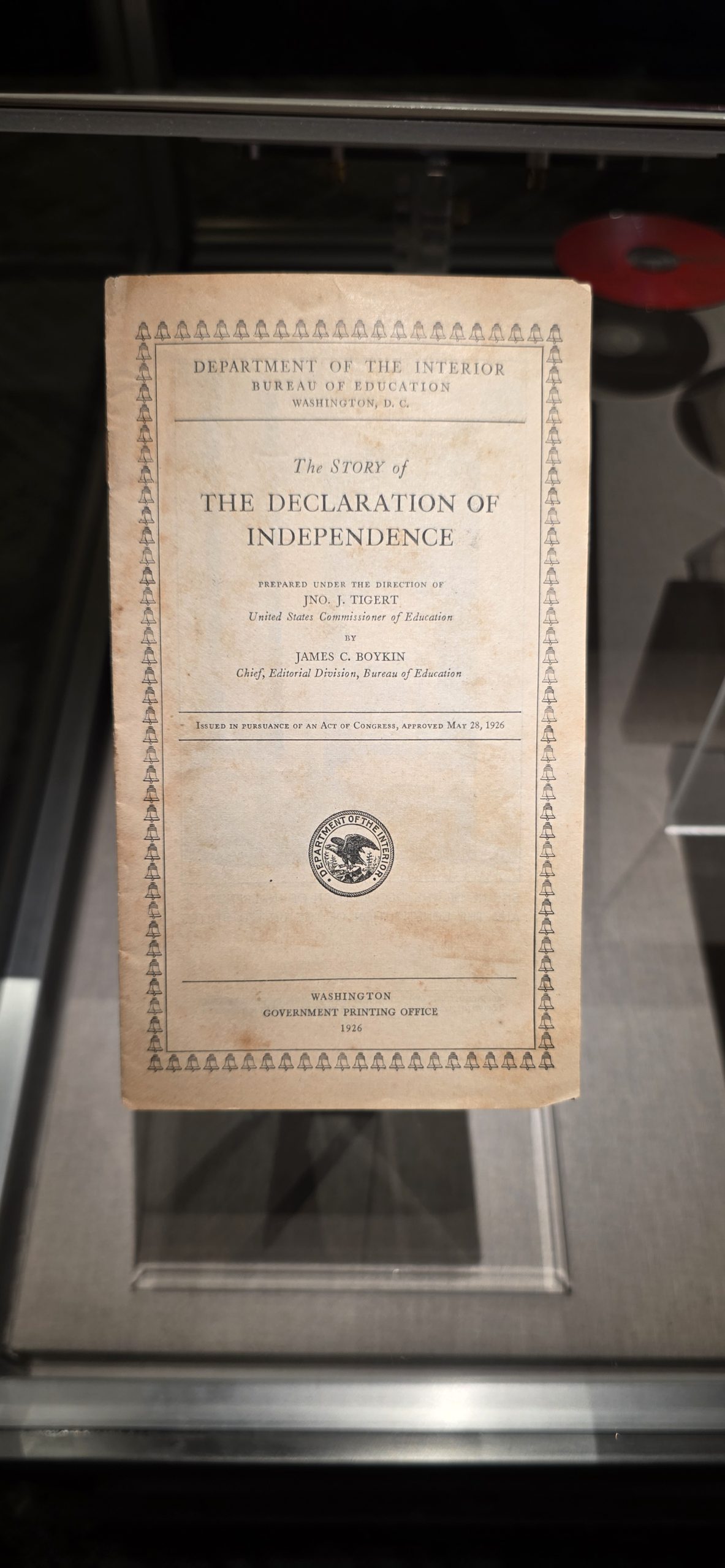
We recently visited the Department of the Interior's wonderful Museum which even features two stunning Thomas Moran paintings. One of the display cases featured a 1926 Department of the Interior booklet about the Declaration of Independence which caught our eye. From a single cellphone photo, Gemini identified the booklet, gave us some absolutely fascinating historical context about its significance that we had no idea about, located two digitized copies so we could read it and even found us a single solitary nearly pristine copy for sale and helped us acquire it and write an initial catalog entry regarding its significance to the celebration of American independence and American history, all while we were standing there in the museum! Most fascinating was the amazing bits of American history it surfaced regarding the pamphlet's place in the celebration of America's 150th!
Here is our prompt and Gemini's response. Note how Gemini even flagged the actual Act of Congress that authorized its production (we had no idea there was a dedicated act for this specific booklet), the Liberty Bell as the symbol of the Sesquicentennial and the fact that the Bureau of Education was a part of the Department of the Interior at the time!
What is this and its significance to American history?
This is a 1926 federal commemorative booklet titled The Story of the Declaration of Independence, published by the U.S. Government Printing Office for the Bureau of Education (then housed under the Department of the Interior). Written by James C. Boykin under the direction of U.S. Commissioner of Education John J. Tigert, this 20-page pamphlet was commissioned specifically for the Sesquicentennial—the 150th anniversary of the signing of the Declaration of Independence in 1776.
Historical Significance
-
-
150th Anniversary Commemoration (1926): Authorized by a special Act of Congress on May 28, 1926 (H.R. 11202), the booklet was part of a nationwide push during President Calvin Coolidge's administration to celebrate the 150th anniversary of American independence—notice the decorative border composed entirely of tiny Liberty Bells, the official symbol of the 1926 Sesquicentennial.
-
Standardizing Public Civic Education: Congress funded the pamphlet to place accessible historical context, the full text of the Declaration, and brief biographical sketches of the 56 signers directly into public schools, libraries, and citizens' hands across the country. Each U.S. Senator and Representative was also allotted hundreds of copies to distribute to constituents.
-
Precursor to the Department of Education: The title page reflects an earlier era of federal organization, showing the Bureau of Education operating inside the Department of the Interior decades before a standalone Cabinet-level Department of Education was established in 1979.
-
Bridge to the Semiquincentennial (250th Anniversary): Viewed in 2026—the 250th anniversary of the Declaration of Independence—this artifact serves as a direct century-old time capsule showing how the federal government educated the public and commemorated the nation's founding 100 years ago.
-
This got us wondering about that law Gemini mentions above:
give me the fulltext of May 28, 1926 (H.R. 11202) and link to a digitized copy of it
The Act of May 28, 1926 (H.R. 11202) was enacted during the 1st Session of the 69th Congress as Public Law 69-309 (Chapter 416) and published in the United States Statutes at Large at 44 Stat. 673.
Full Text of the Act (44 Stat. 673, Chapter 416)
CHAP. 416.—An Act To provide for the preparation, printing, and distribution of pamphlets containing the Declaration of Independence, with certain biographical sketches and explanatory matter.
May 28, 1926. [H. R. 11202.] [Public, No. 309.]
Be it enacted by the Senate and House of Representatives of the United States of America in Congress assembled, That in commemoration of the one hundred and fiftieth anniversary of the adoption of the Declaration of Independence the Bureau of Education of the Department of the Interior shall prepare and have printed at the Government Printing Office a pamphlet containing the Declaration of Independence, with a brief summary of the historical events preceding and resulting in its creation, a short biographical sketch of each of the principal characters involved in the struggle for independence, and such other matter as the Commissioner of Education may deem appropriate. The Bureau of Education shall distribute one copy of such pamphlet to every public or private school, college, or university in the United States or any Territory or possession of the United States.
SEC. 2. There shall be distributed through the folding rooms of the Senate and House of Representatives, respectively, three hundred copies of such pamphlet to each Senator and one hundred and fifty copies to each Representative, Delegate, and Resident Commissioner.
SEC. 3. There is hereby authorized to be appropriated the sum of $3,000, or so much thereof as may be necessary to carry out the provisions of this Act.
Approved, May 28, 1926.
Digitized Official Copies
-
-
Original Statute: You can view and download the scanned page of the United States Statutes at Large (Volume 44, Part 2, Page 673) directly from the U.S. Government Publishing Office via GovInfo Statutes at Large (44 Stat. 673–674).
-
Legislative History Reports: The accompanying congressional committee reports for H.R. 11202 are also digitized on GovInfo under House Report 69-949 and Senate Report 69-846.
-
The display case:
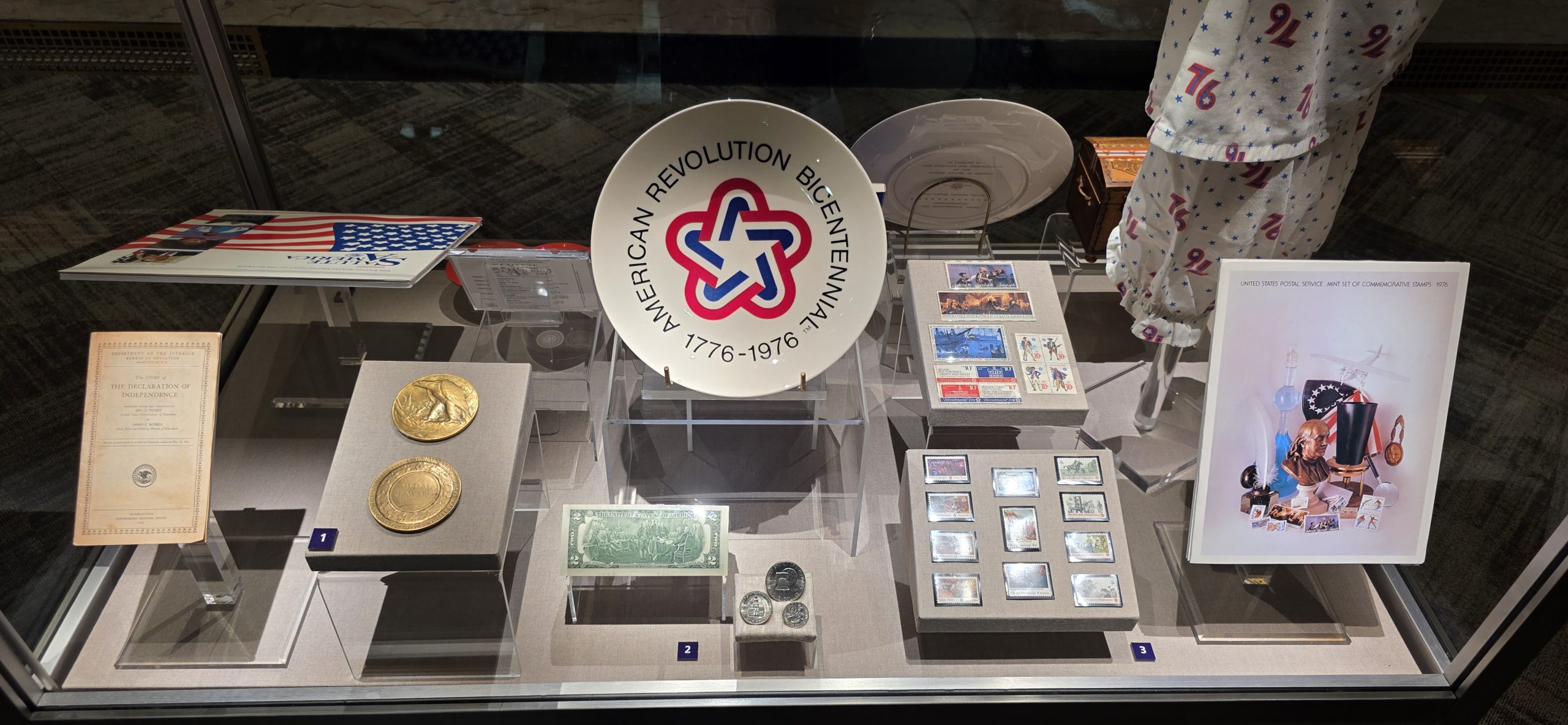
The pamphlet itself (visible at bottom left of the case above):
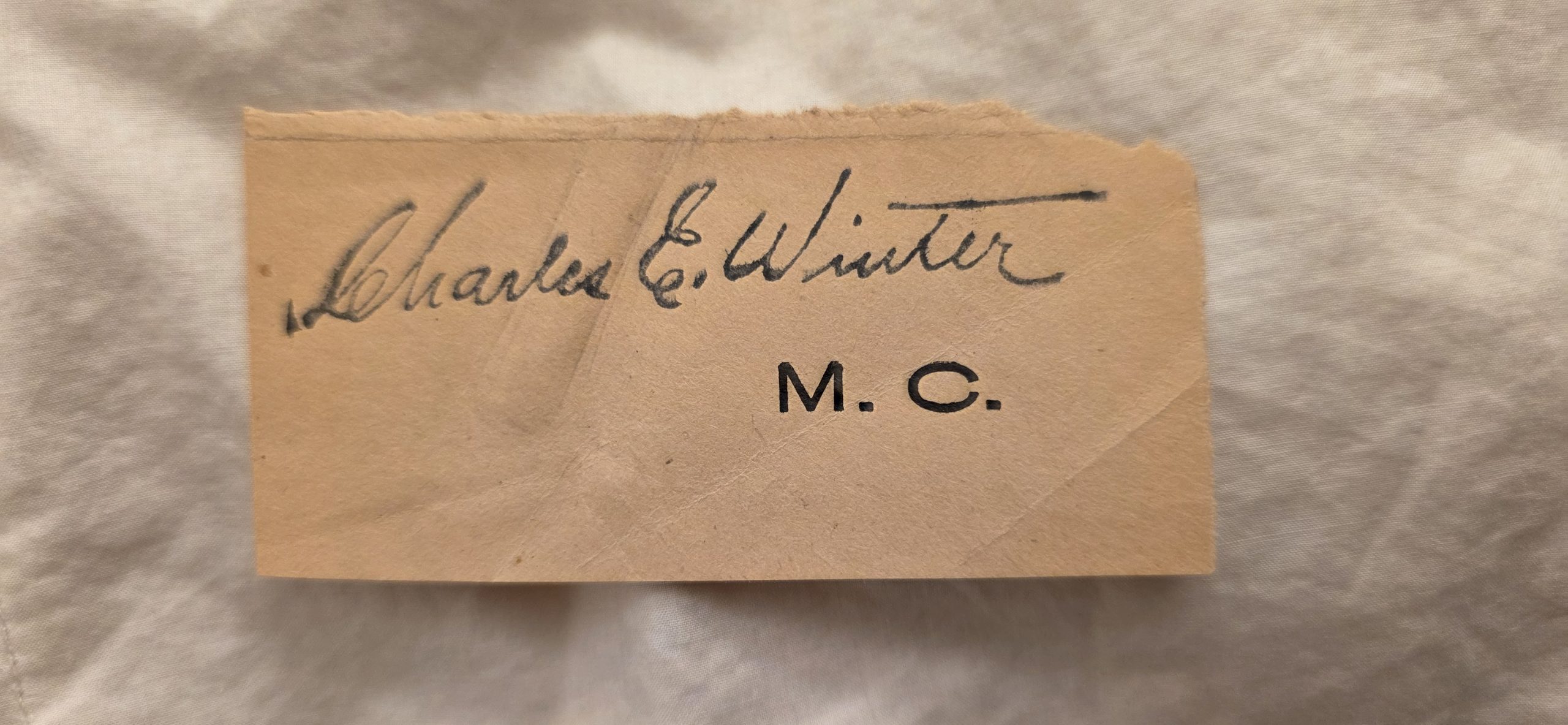
And the copy that Gemini helped us track down and acquire: