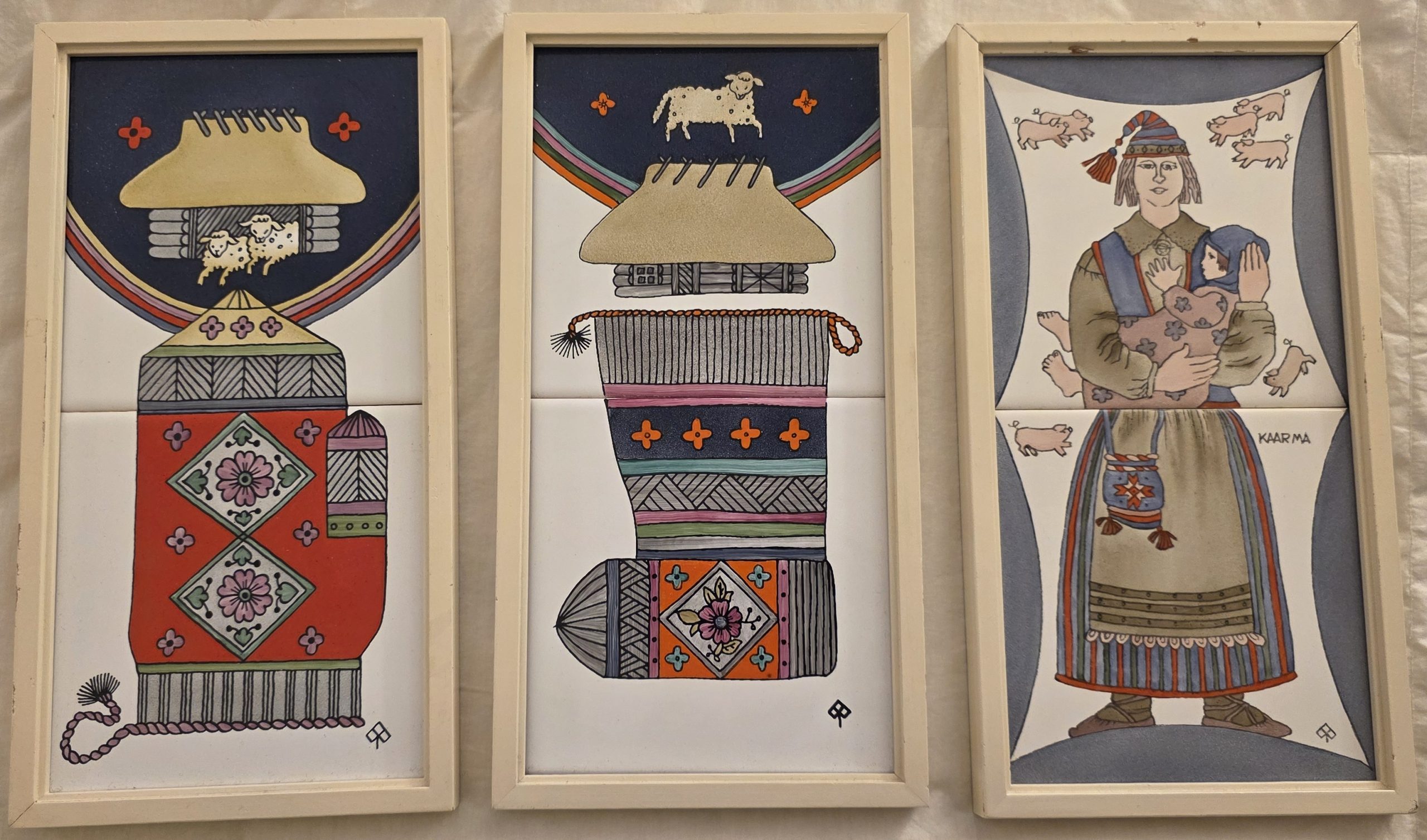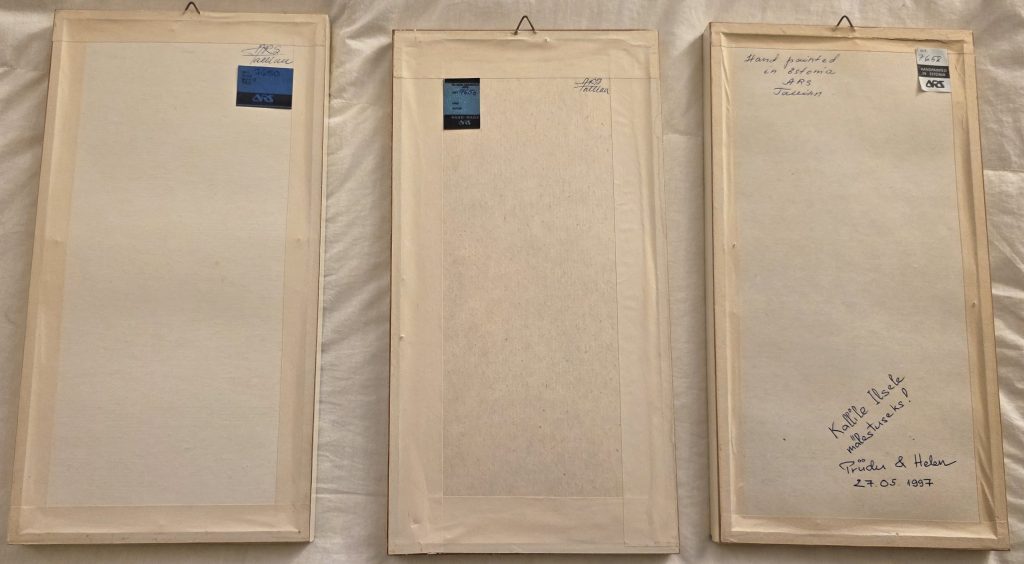
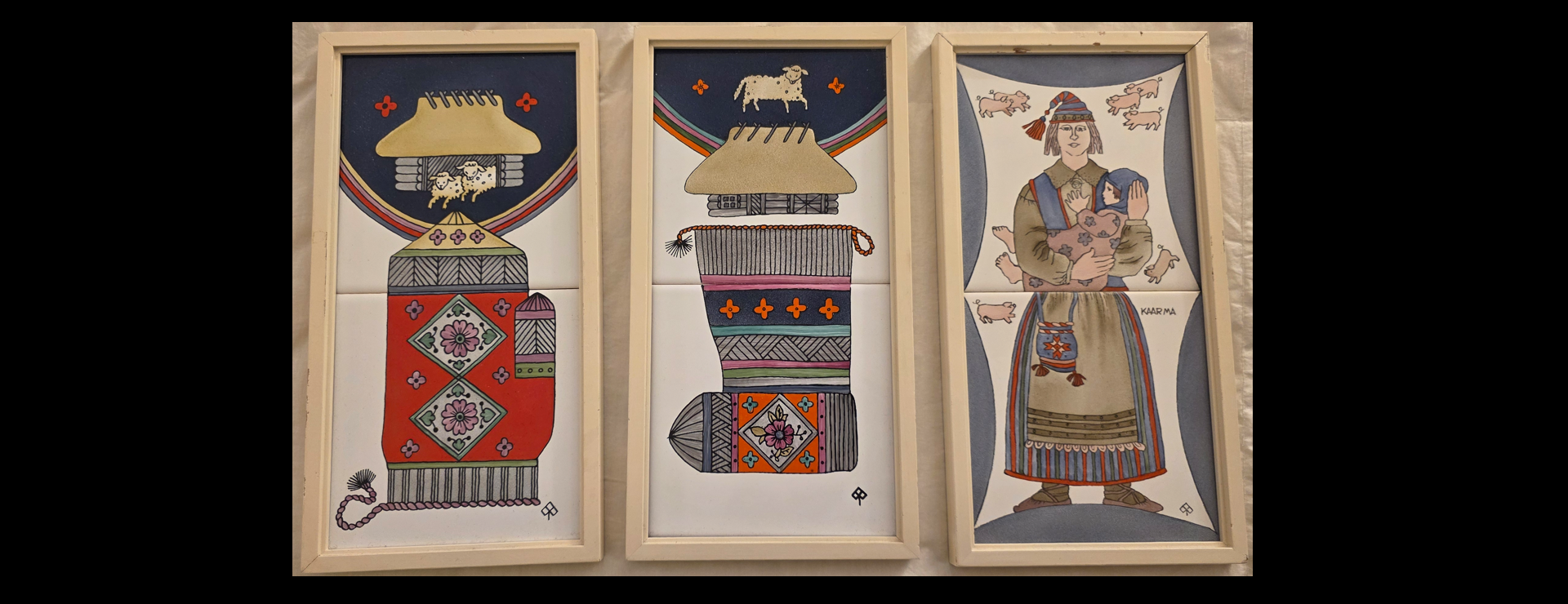
Amongst The Collection are a small handful of physical artifacts alongside its primary focus on books and manuscripts. Among those is this trio of Estonian ceramics. For nearly three decades these ceramics were known only to originate in Estonia and as the early web developed and more Estonian history appeared online, that the "ASR" tags on the back most likely referred to the ARS art factor in Estonia under Soviet occupation. All other history was unknown. Based on our remarkable success over the past week with applying Gemini Deep Research to investigate the historical backgrounds of a number of well-known printed works on Americana and Estonia, we wondered whether the same approach could work on other kinds of historical artifacts, especially ones where the only input is a photograph, rather than the name and bibliographic details of a museum-cataloged work. To test this theory, we pulled out the three ceramics and snapped two cellphone photographs (front and back) and gave Gemini Deep Research only the two photographs and the fact that they were Estonian. Incredibly, Deep Research not only precisely identified the three ceramics and their visual meaning, but identified their artist, the entire history of ARS and and even deciphered the meaning of the codes on the tags on the back! The results here suggest incredible potential for museums to use Deep Research to finally identify unknown or loosely known artifacts in their collections and their histories.
The prompt we used:
Tell me in detail about this set of ceramics and their history and connection to Estonia, both the ceramics themselves and the images/motifs they depict. Also estimate the time period they would have been produced and the context and purpose.