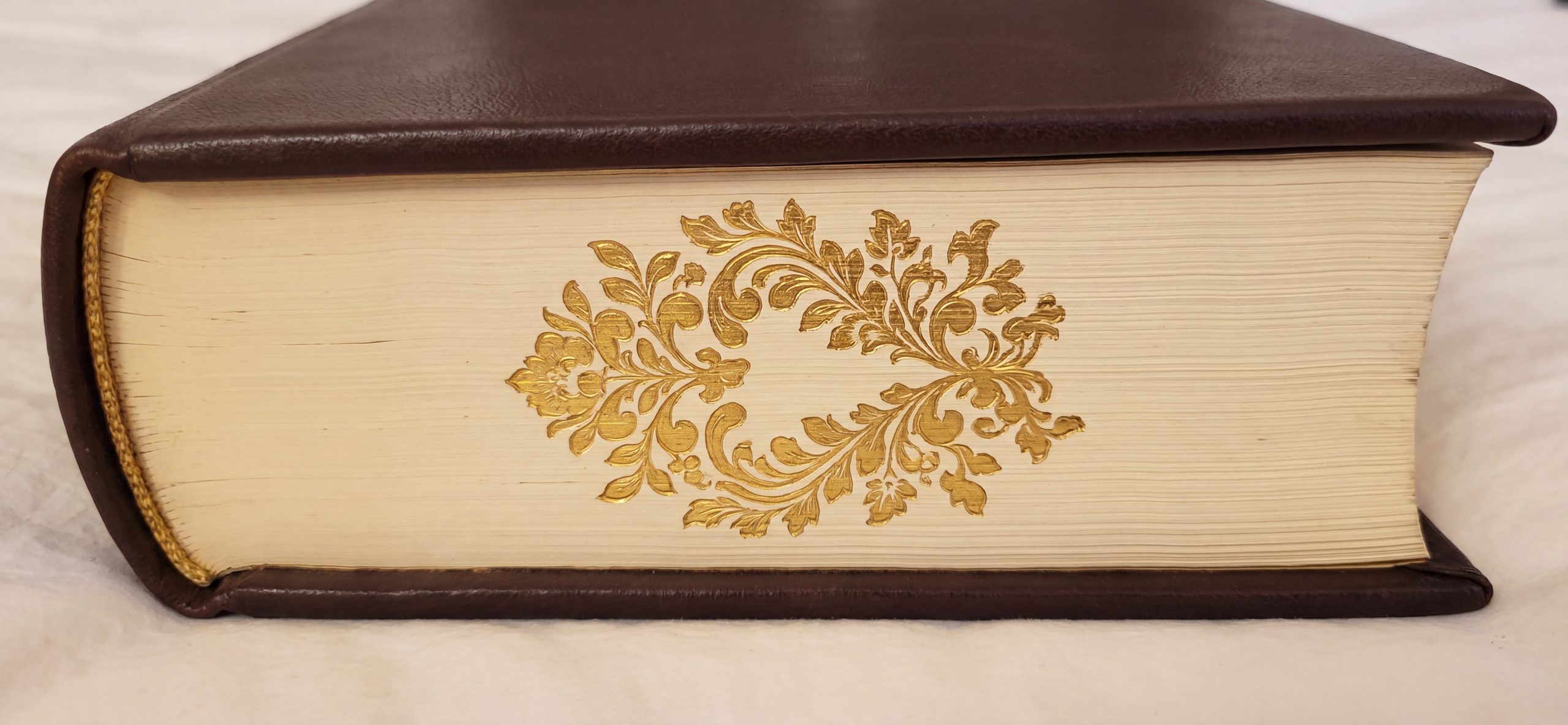
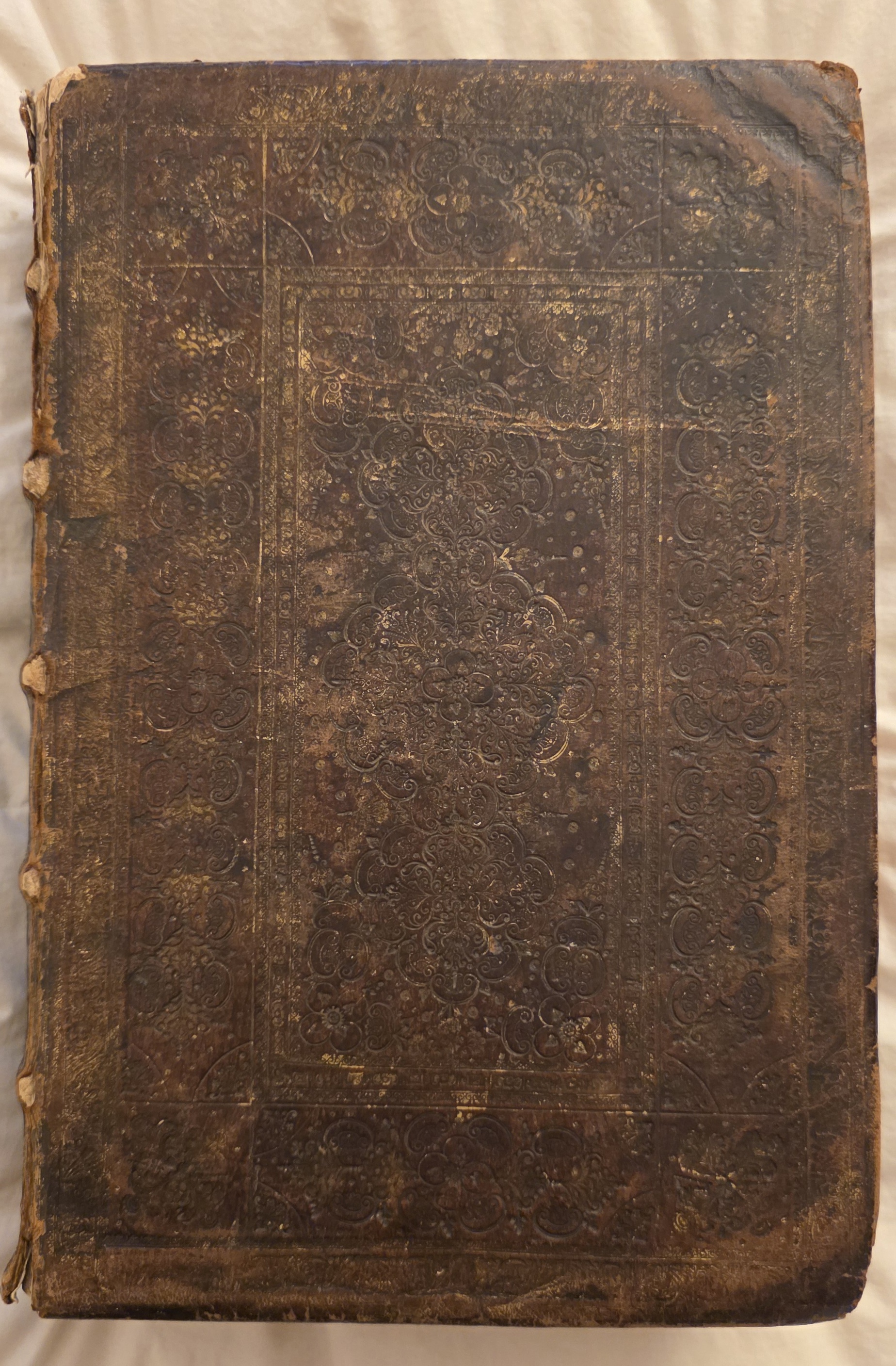
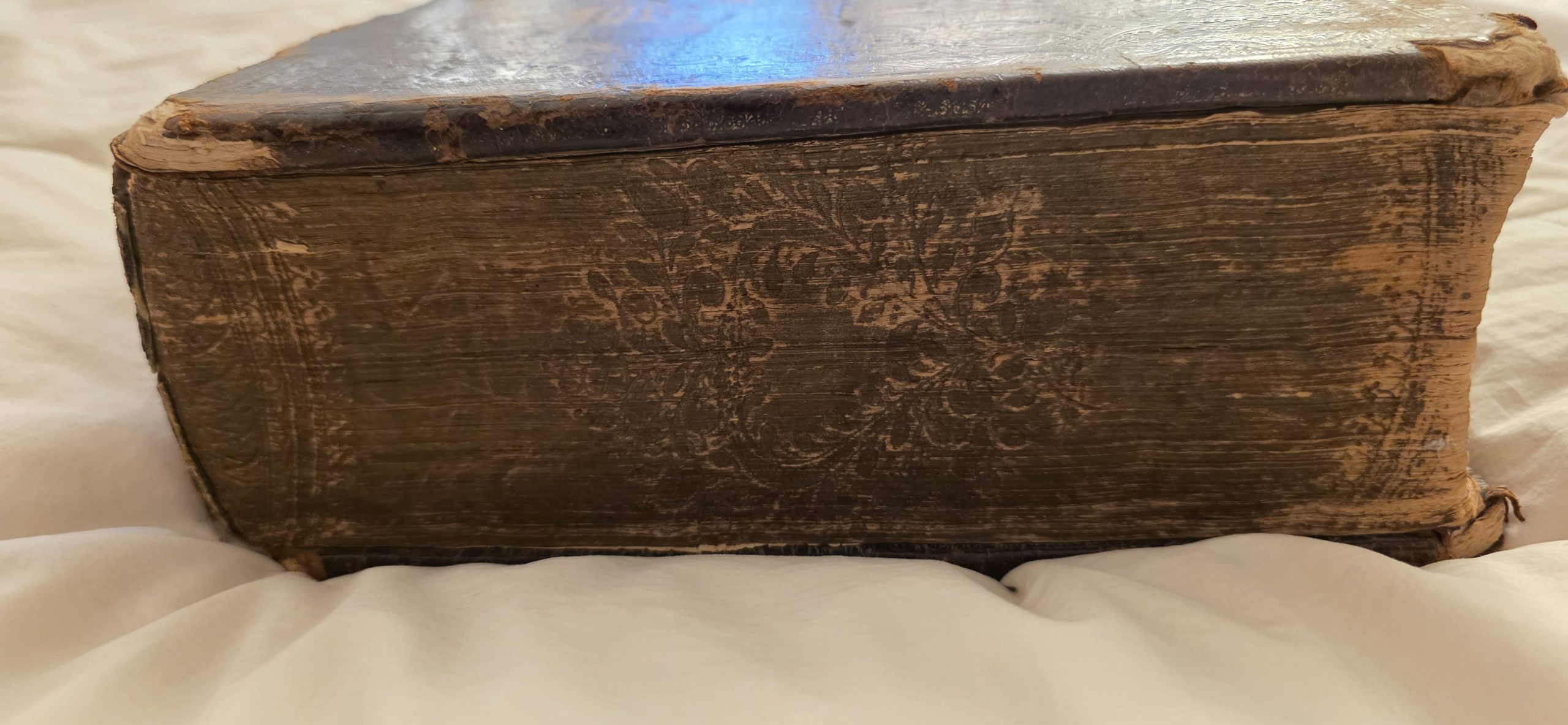
Our 1672 Stern/Scheits Bible, containing the first printing of the famed Scheits copperplate series of Biblical engravings, has been ravaged with age, but its original exquisitely detailed gilt-tooling is still clearly visible. The tooling pattern is still crisp and clear and enough of the gilding remains to see how it was originally applied. Reconstructing what a monumental gilt-tooled binding like this originally looked like when it was first bound can help museum visitors better visualize just how important massive Bibles like this were to their owners and to better appreciate book arts of the late 1700s. How might AI image generation models help us digitally restore and reconstruct this binding to visualize what it might have originally looked like? Here we test Nano Banana Pro, Nano Banana 2 and ChatGPT. This book also has an intricate gauffered edge with possible remanents of gilding, which we also attempt to reconstruct. ChatGPT came closest for both cover and gilt-gauffered page edge reconstruction, but still made a number of key mistakes, showing that the models still have a ways to come in faithfully visually reasoning and reconstructing rare bindings.
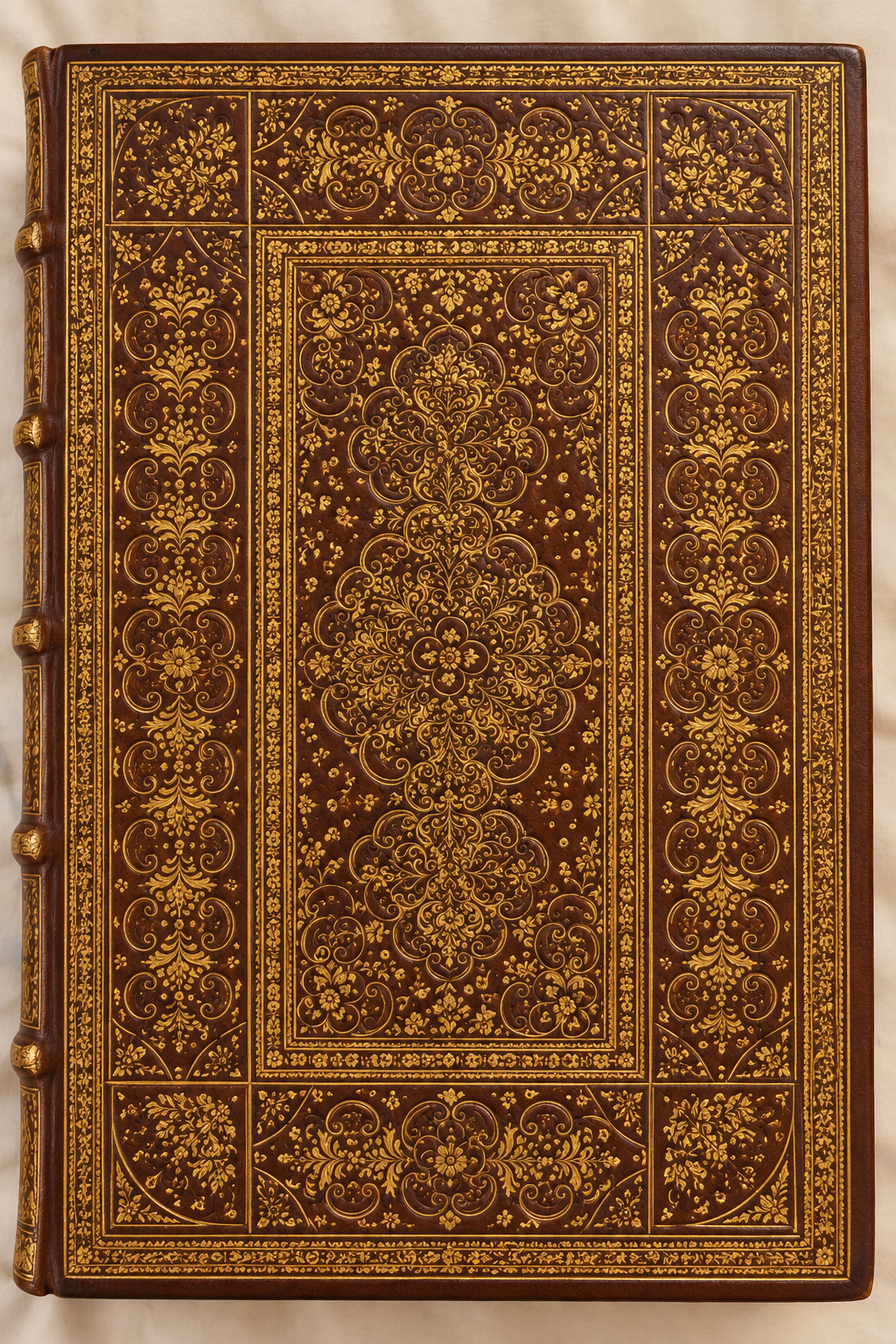
ChatGPT:
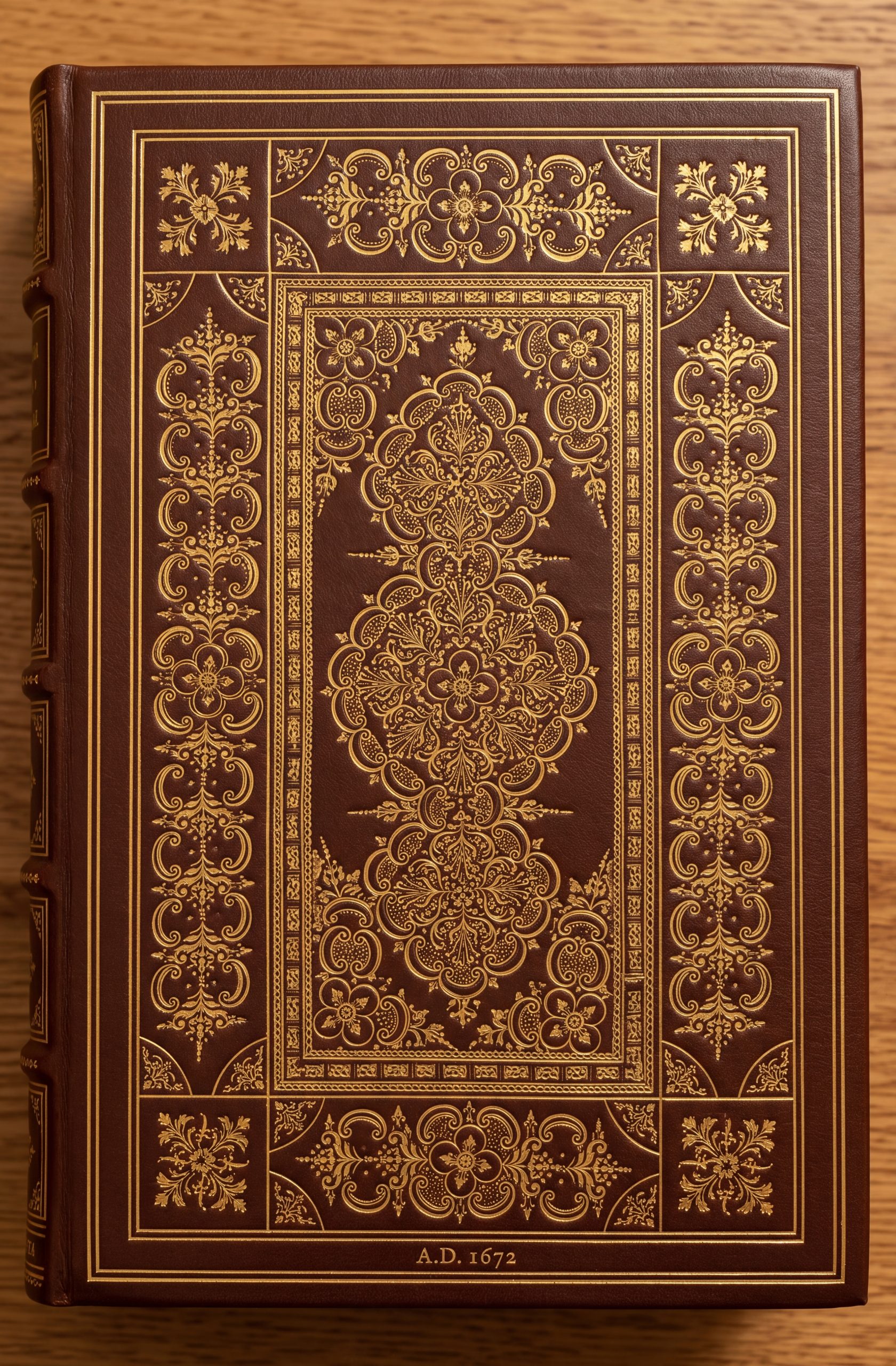
Nano Banana 2 (completely misses the edges and much of the detail):
Nano Banana Pro (similar to ChatGPT, but fails to fully gild the entire cover):
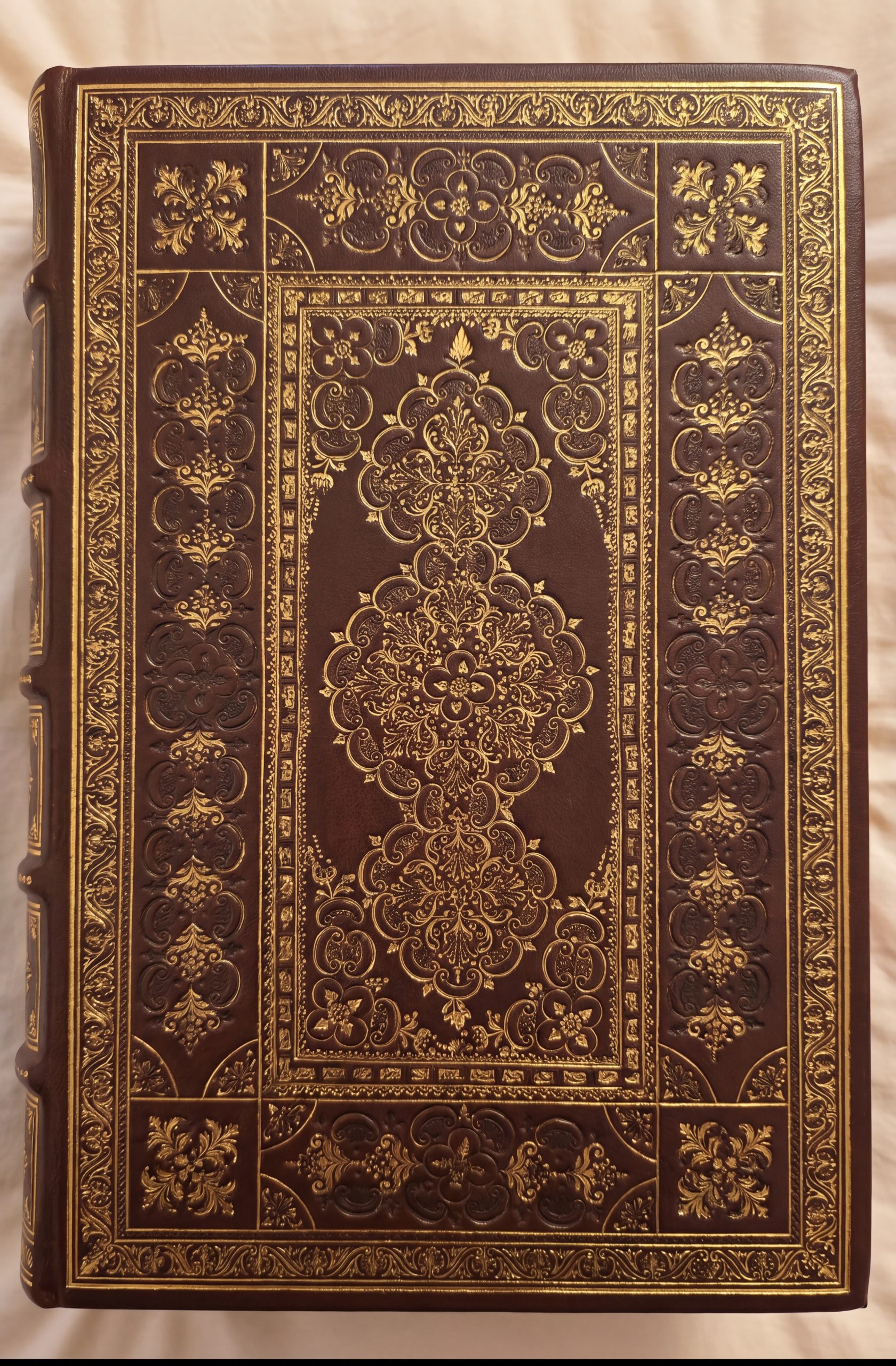
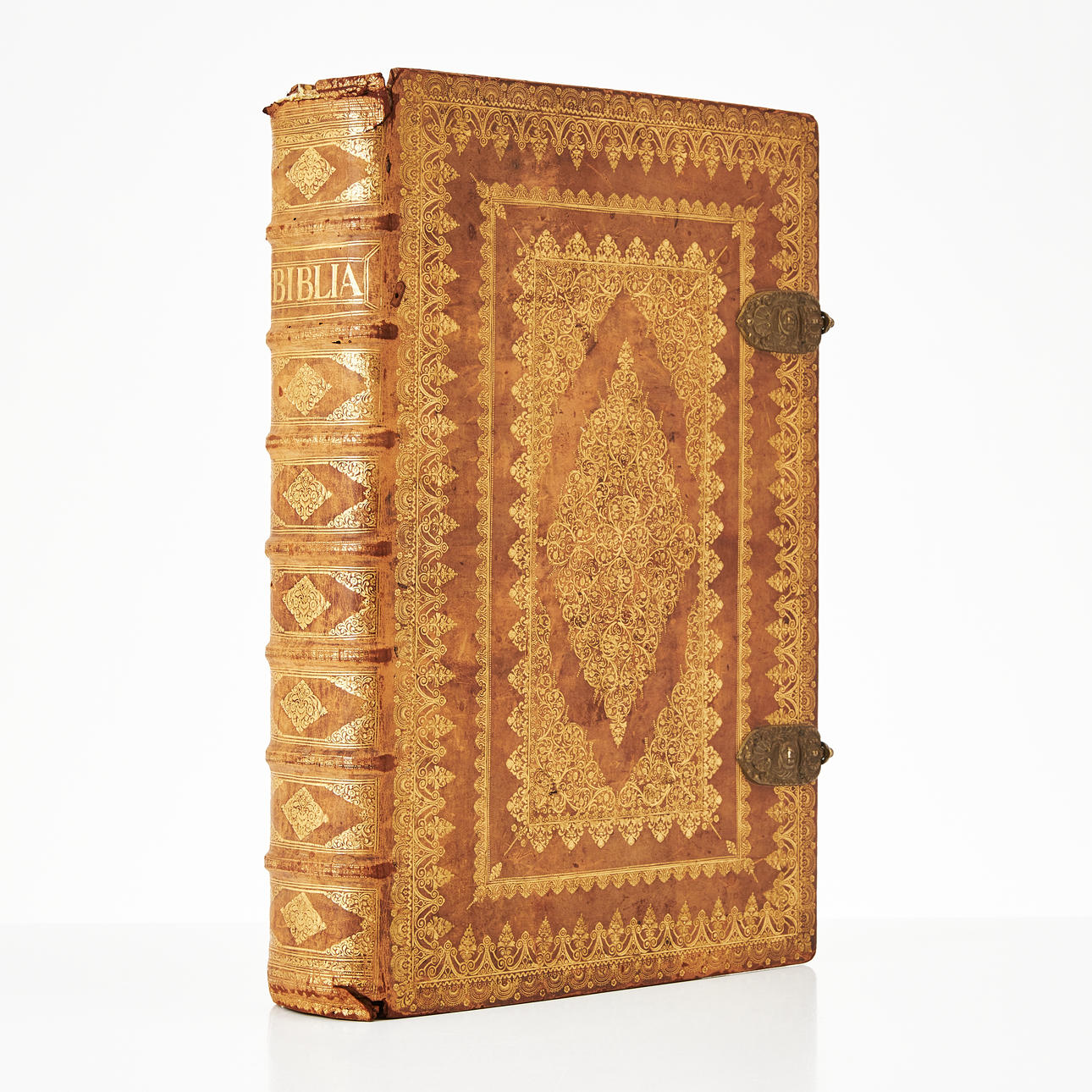
For reference, here is an unrelated 1703 Bible that showcases a similarly intricate gilt-tooled binding:
What about the stunning gauffered edges?
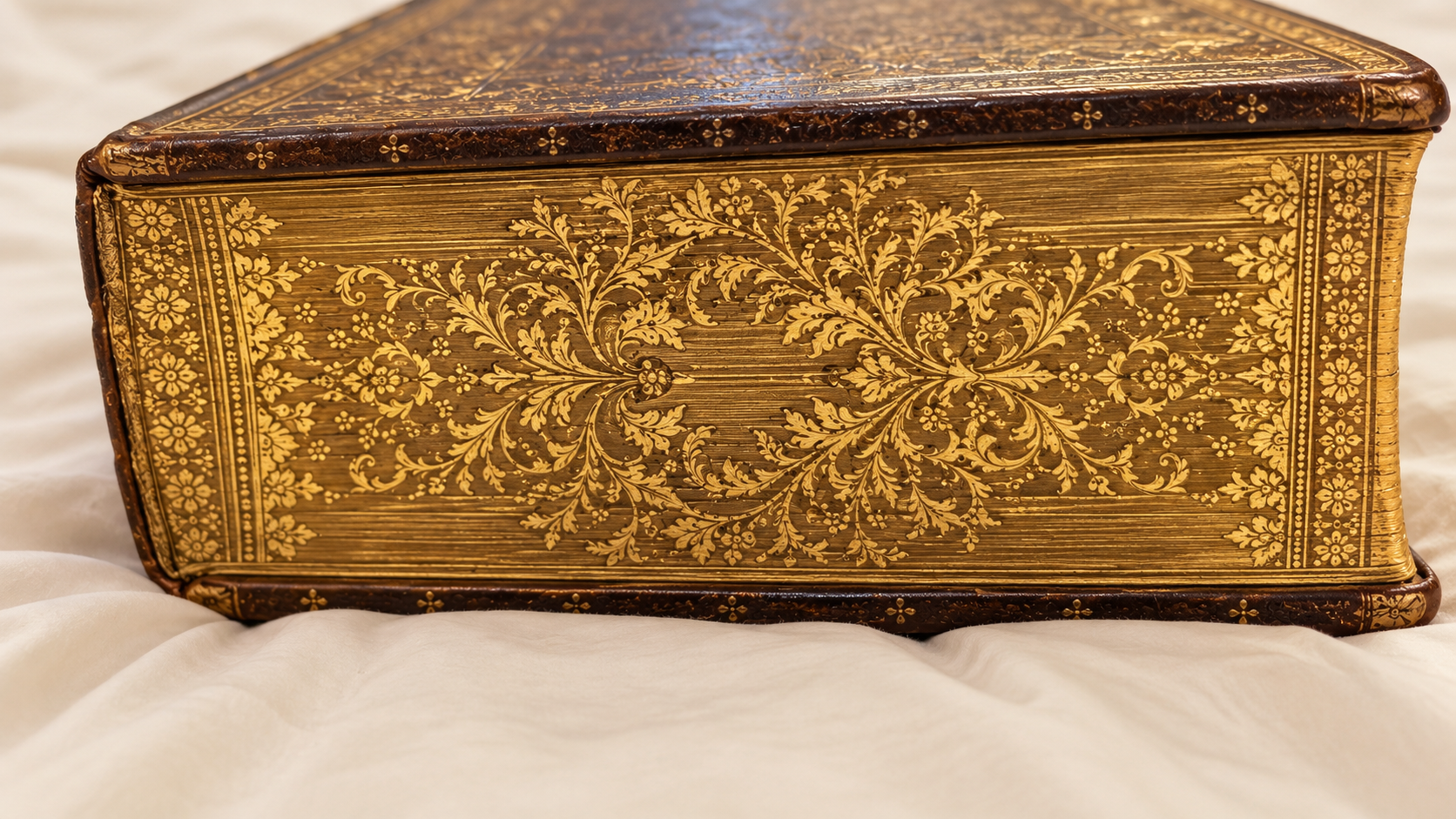
ChatGPT embellishes the pattern too much and straightens it, but is closest to what gilt-gauffered page edges of the era looked like:
Nano Banana 2 is more faithful in capturing the pattern, especially its curved edges, but over smooths and alters the pattern too much:
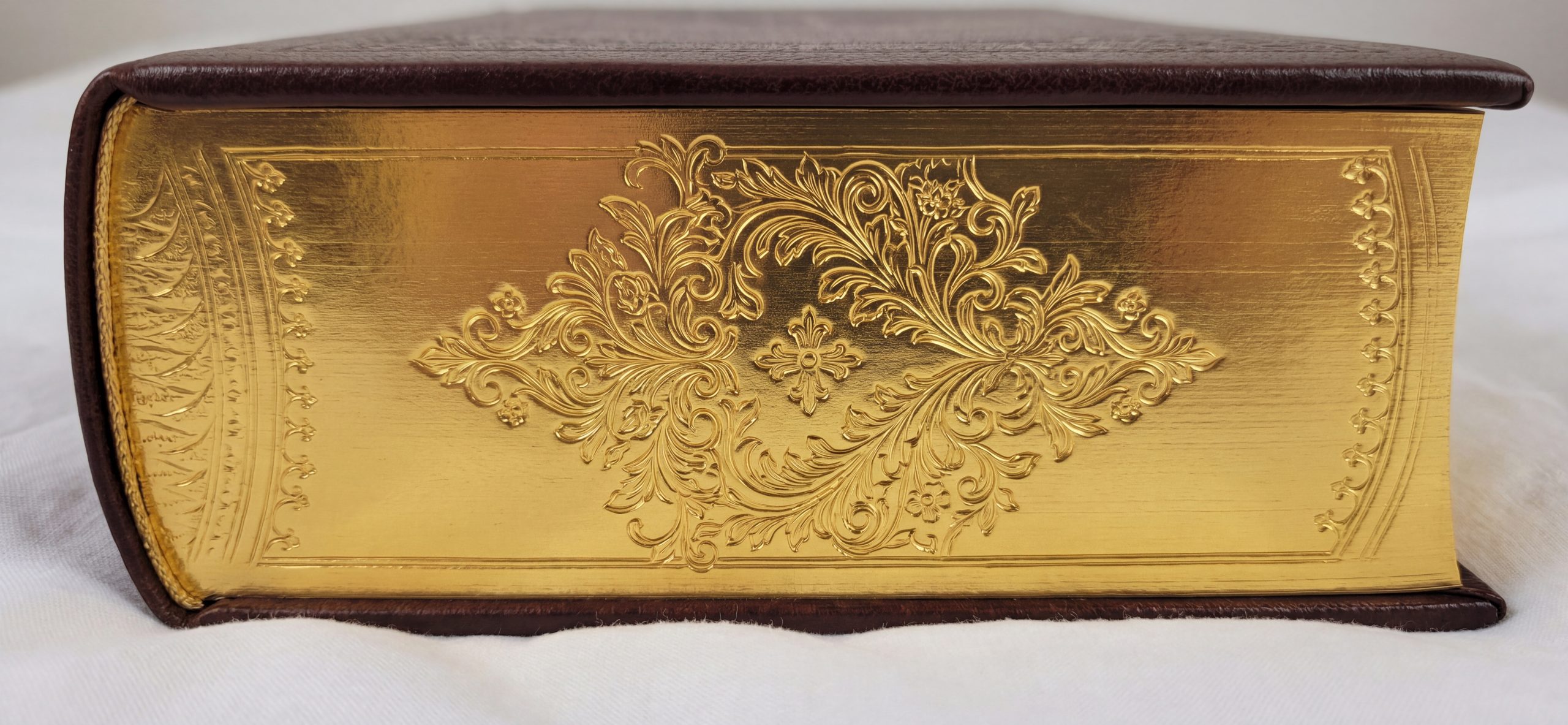
Nano Banana is the most faithful at capturing the inner pattern, but complete drops the rest of it and is unlikely to capture its original state: