


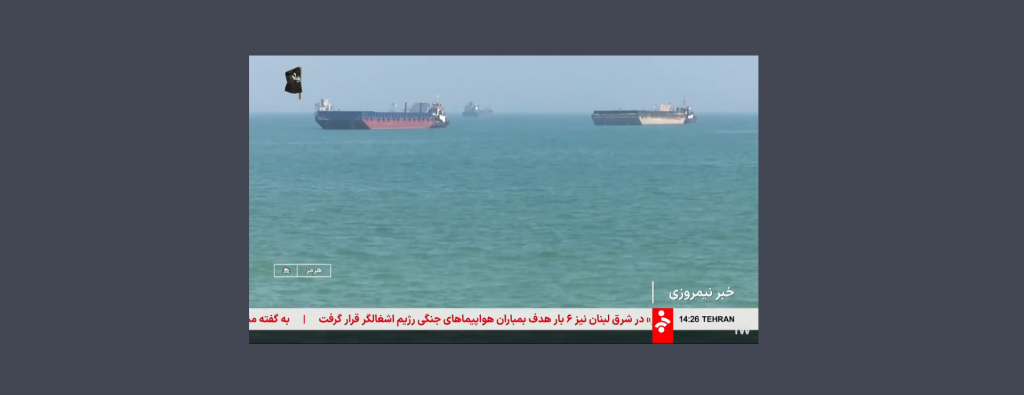
What would it look like to run a deep Likelihood-Impact-Triggers-Mitigations analysis over a day of Iranian television news on PressTV from July 13th using Gemini 3.1 Pro ($0.22), Gemini 3 Flash ($0.04), Gemini 3.1 Flash Lite Minimal Thinking ($0.04), Gemini 3.1 Flash Lite High Thinking ($0.04), Gemini 3.5 Flash ($0.14), Gemini 3.5 Flash Lite Minimal Thinking ($0.02), Gemini 3.5 Flash Lite High Thinking ($0.03), Gemini 3.6 Flash Medium Thinking ($0.14) and Gemini 3.6 Flash High Thinking ($0.14)? The numbers in parentheses are the cost of each analysis, combining input, thinking and output tokens. No data was used to train or tune any model.
Let's use the following prompt for all of the analyses below.
Read through the attached television news transcripts.
Catalog all of the potential geopolitical, economic, health, etc risks mentioned or suggested by the text.
Organize them as a likelihood + impact matrix that rates each for their likelihood of happening and the impact of that event if it does happen, along with likely triggers and recommended mitigations.
Output this as a bulleted list with the risk in bold and a concise summary of the likelihood, impact, potential triggers and recommended mitigations for each as text in the bullet, with each bolded.
Gemini 3.1 Pro ($0.22)
- Full-Scale Regional War in West Asia: Likelihood: High. Impact: High. Potential Triggers: Retaliatory missile and drone strikes by Iran on US military bases in Kuwait, Bahrain, Jordan, and Oman; the assassination of Iranian leadership; ongoing Israeli military operations in Gaza and Lebanon; and the collapse of the "Islamabad Memorandum of Understanding." Recommended Mitigations: Immediate diplomatic de-escalation mediated by neutral third parties (such as Oman or Pakistan), reinstatement and strict adherence to ceasefire agreements, and withdrawal of foreign military assets from highly contested zones.
- Global Economic Depression and Energy Crisis: Likelihood: High. Impact: High. Potential Triggers: Iran's closure or strict control of the Strait of Hormuz, Yemen's threats to close the Bab el-Mandeb strait, potential Yemeni strikes on Saudi oil fields (e.g., Aramco), and Ukrainian strikes on Russian oil refineries (e.g., Samara region). Recommended Mitigations: Diversification of global energy supply chains, releasing strategic petroleum reserves to calm markets, and multilateral diplomatic efforts to secure freedom of navigation in international waterways.
- Severe Humanitarian and Health Crises in Conflict Zones: Likelihood: High. Impact: High. Potential Triggers: Blockades on humanitarian aid, destruction of medical and civilian infrastructure, bombing of the Sana'a international airport preventing patient evacuations, and the near-total destruction of Gaza’s agricultural sector resulting in $3 billion in losses. Secondary triggers include outbreaks of cholera and severe malnutrition. Recommended Mitigations: Establishing internationally protected humanitarian corridors, immediate lifting of airport and port blockades for medical and food supplies, and massive injections of international aid and infrastructure reconstruction funds.
- US Domestic Political Upheaval and Constitutional Crisis: Likelihood: Medium to High. Impact: Medium. Potential Triggers: Rising domestic gas prices, public backlash against new foreign wars, low presidential approval ratings, and the potential for the opposing party to take control of Congress in the November midterm elections leading to Trump facing impeachment proceedings. Recommended Mitigations: Bipartisan consensus on foreign policy, reducing foreign military adventurism, and prioritizing domestic economic stability to soothe voter anger.
- Geopolitical Realignment and Resource Nationalism in Latin America: Likelihood: Medium. Impact: Medium. Potential Triggers: A massive popular uprising and general strike in Bolivia driven by the slashing of fuel subsidies, privatization, and inflation. This threatens to overthrow the current pro-US government, which could return a left-wing government that controls vital lithium resources and aggressively cuts ties with Israel and the US. Recommended Mitigations: Encouraging peaceful democratic elections, fostering inclusive political dialogue that represents trade unions and indigenous populations, and renegotiating equitable international trade agreements for natural resources.
- Escalation of the Russia-Ukraine Conflict: Likelihood: High. Impact: Medium to High. Potential Triggers: Continued deadly volleys of drones and missiles, specific targeting of energy infrastructure (such as oil refineries), and attacks on Black Sea ports and unmanned surface vessels. Recommended Mitigations: Enhancing air defense systems around critical global supply infrastructure, renewing diplomatic pushes for a ceasefire, and international mediation to stabilize the region.
- Unraveling of Nuclear Non-Proliferation and Global Arms Treaties: Likelihood: Medium. Impact: High. Potential Triggers: The expiration of the New START treaty between the US and Russia without renewal, US attempts to forcibly dismantle Iran's nuclear and missile programs, and the collapse of regional security architectures. Recommended Mitigations: Resuming multilateral nuclear negotiations, establishing transparent international inspections, and creating a new, inclusive regional security framework in West Asia to replace fractured bilateral agreements.
Gemini 3 Flash ($0.04)
- Full-Scale Decisive Regional War (Iran vs. US/Israel): Likelihood: High (current text describes active missile waves and drone strikes). Impact: Catastrophic (total regional destruction and potential global involvement). Potential Triggers: Continued violation of the "Islamabad MOU," US naval blockades of Iranian ports, or direct strikes on Iranian civilian infrastructure. Recommended Mitigations: Return to diplomatic mediation via Pakistani or Omani channels and strict adherence to the management clauses of the Strait of Hormuz.
- Indefinite Closure of the Strait of Hormuz: Likelihood: High (threatened by Iranian military commands as a "natural consequence" of aggression). Impact: Severe (global energy crisis and paralysis of international trade). Potential Triggers: US Navy attempts to seize control of shipping lanes or military interference in the Omani corridor. Recommended Mitigations: Establishment of a regional security architecture excluding non-coastal powers and recognition of Iran's territorial water claims under international law.
- Global Economic Depression: Likelihood: Medium (suggested by skyrocketing oil prices and the expiration of nuclear arms control agreements). Impact: Catastrophic (mass unemployment, social unrest in the West, and collapse of the EU industrial heartland). Potential Triggers: Brent crude exceeding $80–100/barrel and disruption of the Bab-el-Mandeb and Hormuz waterways. Recommended Mitigations: Implementation of the Islamabad MOU to calm markets and replenishment of global oil reserves through Iranian exports.
- Total Collapse of the Bolivian Government: Likelihood: Medium (text describes a "completely paralyzed" country under general strike). Impact: Moderate (destabilization of Latin American trade blocks and natural resource access). Triggers: Popular uprisings against neoliberal policies, cutting of fuel subsidies, and high inflation. Recommended Mitigations: Reorganization of the Bolivian Left and a return to pro-Palestine/anti-imperialist diplomatic stances to appease the indigenous and worker movements.
- Nuclear Escalation and Proliferation: Likelihood: Medium (text notes nuclear weapons are no longer a "taboo" in the Iranian political system). Impact: Catastrophic (potential for nuclear exchange in West Asia). Potential Triggers: Expiration of the "New START" agreement and the perceived failure of conventional deterrence against "Zionist" aggression. Recommended Mitigations: Immediate renewal of international arms control agreements and high-level summits between the US, Russia, and regional powers.
- Resumption of Total War in Yemen: Likelihood: High (Saudi strikes on Sana’a International Airport are characterized as an "announcement of new war"). Impact: Severe (resumption of "mini-genocide," famine, and mass disease outbreaks like cholera). Potential Triggers: Retaliatory Ansarullah strikes on Saudi oil fields or airports. Recommended Mitigations: Lifting of the 10-year blockade and formal recognition of the Ansarullah-led government by regional neighbors.
- Domestic Political Instability in the US: Likelihood: Medium (text mentions Trump’s "lowest approval rating" and potential impeachment). Impact: Moderate/Severe (paralysis of US foreign policy and internal chaos). Potential Triggers: High gas prices during summer holidays and Democratic takeover of Congress in the November midterms. Recommended Mitigations: Withdrawal of US forces from West Asia ("Shield the Americas" project) and pivoting to domestic economic concerns.
- Massive Civilian Casualties from "Scholasticide" and "Culturicide": Likelihood: High (active reports of elementary schools and residential buildings being targeted). Impact: Severe (permanent destruction of regional heritage and generational trauma). Potential Triggers: Use of high-mass missiles in urban centers and "pirate" military actions in occupied territories. Recommended Mitigations: International Criminal Court (ICC) investigations into war crimes and global sanctions against regimes violating human rights.
Gemini 3.1 Flash Lite Minimal Thinking ($0.04)
- Risk: Full-Scale Regional War – Likelihood: High; Impact: Extreme. Triggers: Escalation of retaliatory strikes between Iran and the U.S., attacks on oil tankers in the Strait of Hormuz, or interference with energy infrastructure. Mitigations: Diplomatic de-escalation channels, enforcement of maritime neutrality, and regional security cooperation mechanisms.
- Risk: Disruption of Global Energy Supply – Likelihood: High; Impact: Extreme. Triggers: Closure or military conflict in the Strait of Hormuz or the Bab al-Mandab Strait, as well as attacks on oil facilities (e.g., in Saudi Arabia or Kuwait). Mitigations: Diversification of energy transit routes, maintenance of emergency strategic petroleum reserves, and international naval security patrols.
- Risk: Economic Collapse in Latin American States (Bolivia) – Likelihood: Moderate; Impact: High. Triggers: Political instability, mass general strikes, austerity policies (slashing public spending/privatization), and increased inflation leading to regime collapse. Mitigations: Social safety nets, sustainable infrastructure investment, and diplomatic support for democratic processes.
- Risk: Assassination of Political Leaders – Likelihood: Moderate; Impact: Extreme. Triggers: Ongoing regional hostilities, drone strikes, and the use of intelligence-led paramilitary operations. Mitigations: Enhanced regional security protocols, back-channel diplomatic communication, and international accountability standards for state-sponsored actions.
- Risk: Destabilization of Gulf States – Likelihood: Moderate; Impact: High. Triggers: Hosting foreign military bases that become targets for regional powers, involvement in proxy wars, and failure of defense accords to provide security. Mitigations: Prioritizing regional neutrality, de-escalation of border tensions, and prioritizing domestic infrastructure over defense spending.
- Risk: Increased Food and Resource Scarcity – Likelihood: High; Impact: High. Triggers: War-driven destruction of agricultural lands, trade blockades, inflation of basic goods, and lack of foreign investment. Mitigations: International humanitarian aid, support for local agricultural resilience, and stabilized trade/transit agreements.
- Risk: Expansion of Proxy Conflicts – Likelihood: High; Impact: Moderate. Triggers: Alliances between regional actors (e.g., Yemen/Ansarullah, Lebanon/Hezbollah, and Iran) and the pushback against the United States/Zionist coalition. Mitigations: Multilateral diplomatic negotiations, addressing underlying regional grievances, and cessation of external military funding.
- Risk: Cyber and Technological Interference in Critical Infrastructure – Likelihood: Moderate; Impact: High. Triggers: Use of surveillance technology by foreign powers, interference in local utility management, and the targeting of communications infrastructure. Mitigations: Strengthening domestic cyber-security capabilities, securing localized data/infrastructure, and international agreements against infrastructure targeting.
- Risk: Political Impeachment and Domestic Instability in the US – Likelihood: Moderate; Impact: Moderate. Triggers: Low approval ratings, costly military interventions, rising gas prices, and mid-term election cycles. Mitigations: Adherence to democratic norms, public engagement in foreign policy decisions, and economic stabilization programs.
Gemini 3.1 Flash Lite High Thinking ($0.04)
- Regional Conflict Escalation (Iran, US, Israel, and regional proxies). Likelihood: High. Impact: Very High. Potential Triggers: Retaliatory missile strikes, breach of existing memorandums of understanding (MOUs), miscalculation in naval skirmishes, or drone attacks on military assets. Recommended Mitigations: Establishment of direct diplomatic de-escalation channels, adherence to international maritime law, and third-party mediation to prevent direct state-on-state confrontation.
- Disruption of Global Energy Markets (Strait of Hormuz). Likelihood: High. Impact: Very High. Potential Triggers: Explicit blockades, physical attacks on oil infrastructure, naval conflict, or geopolitical disputes over transit fees. Recommended Mitigations: Diversification of energy supply routes, international cooperative maritime security patrols, and strengthening strategic oil reserves.
- Humanitarian Catastrophe (Gaza/Yemen). Likelihood: High. Impact: Very High. Potential Triggers: Continued military bombardment, persistent blockades of humanitarian aid/medicine, destruction of essential infrastructure, and the potential for disease outbreaks (e.g., cholera) in war-torn areas. Recommended Mitigations: Immediate enforcement of humanitarian corridors, lifting of aid blockades, and international humanitarian intervention.
- Economic Instability and Hyperinflation. Likelihood: High. Impact: High. Potential Triggers: War-induced supply chain failures, international sanctions, reliance on volatile commodity markets (oil/lithium), and political instability leading to reduced productivity. Recommended Mitigations: Economic diversification, fiscal policy adjustments to manage inflation, and diplomatic efforts to stabilize trade relations.
- Political Destabilization and Regime Collapse. Likelihood: Medium. Impact: High. Potential Triggers: Widespread civil unrest, protests over economic hardship, failure of ruling parties to maintain order, and potential external interference or coups. Recommended Mitigations: Implementation of inclusive political reforms, addressing public grievances regarding economic policy, and respecting national sovereignty to avoid foreign-backed destabilization.
- Nuclear and Conventional Escalatory Threat. Likelihood: Low to Medium. Impact: Catastrophic. Potential Triggers: Breakdown of all diplomatic treaties, perceived existential threats to state actors, or military desperation following conventional defeats. Recommended Mitigations: Re-establishing and maintaining arms control dialogues, international monitoring of military activities, and consistent de-escalation of rhetoric.
- Assassination and Political Violence. Likelihood: Medium. Impact: High. Potential Triggers: Intense political polarization, state-sponsored violence, proxy conflict, and the breakdown of established domestic political norms. Recommended Mitigations: Enhanced security for political leadership, strengthening of internal rule-of-law frameworks, and international pressure against extrajudicial political violence.
Gemini 3.5 Flash ($0.14)
- Full-Scale Regional War in West Asia: Likelihood: High. Impact: Critical. Potential Triggers: Continued retaliatory missile and drone strikes by the IRGC on U.S. bases in Kuwait, Jordan, and Bahrain, or further high-profile military escalations following political assassinations. Recommended Mitigations: De-escalating military presence, engaging in diplomatic mediation through regional intermediaries (such as Pakistan or Oman), and establishing multilateral security dialogues to prevent unilateral escalations.
- Closure of Strategic Maritime Chokepoints (Strait of Hormuz and Bab-el-Mandeb): Likelihood: High. Impact: Critical. Potential Triggers: Ongoing naval blockades, drone attacks on tankers, or unilateral claims of control over shipping lanes by coastal nations seeking to enforce transit fees or security zones. Recommended Mitigations: Upholding international maritime law and freedom of navigation treaties, seeking regional agreements regarding transit rights, and avoiding hostile naval operations in narrow waterways.
- Global Economic Shock and Energy Crisis: Likelihood: High. Impact: Major. Potential Triggers: Disruptions to oil tanker transit through critical waterways, leading to immediate spikes in Brent crude prices, sharp declines in global stock markets, and increased domestic gas prices. Recommended Mitigations: Diversifying global energy supply routes, utilizing strategic petroleum reserves, and resolving regional shipping conflicts to restore market confidence.
- Political Instability and Civil Unrest in Bolivia: Likelihood: Medium-High. Impact: Moderate-Major. Potential Triggers: Domestic backlash against the right-wing government's fiscal austerity, fuel subsidy cuts, and strategic resource partnerships (such as lithium extraction), alongside general strikes led by union confederations (COB). Recommended Mitigations: Engaging in dialogue with labor unions, farmers, and indigenous groups to address economic grievances, preserving democratic electoral processes, and preventing excessive state repression of protests.
- Severe Humanitarian and Public Health Crises in Yemen: Likelihood: High. Impact: Major. Potential Triggers: Military airstrikes targeting Sana'a International Airport, blockade of humanitarian aid flights, and the collapse of infrastructure leading to outbreaks of diseases like cholera and malnutrition. Recommended Mitigations: Exempting civil airports and humanitarian supply lines from military targets, ensuring uninterrupted access for medical evacuations, and funding international aid efforts.
- Widespread Food Insecurity and Destruction of Agricultural Systems in Gaza: Likelihood: High. Impact: Major. Potential Triggers: Continued military expansion into agricultural zones and destruction of crop fields, resulting in a near-total collapse of local food production capabilities (such as the cited 87.1% damage rate). Recommended Mitigations: Constructing internationally protected agricultural safe zones, organizing urgent food imports, and planning post-conflict agricultural rehabilitation.
- Domestic Political and Institutional Crisis in the United States: Likelihood: Medium. Impact: Moderate. Potential Triggers: Low presidential approval ratings stemming from unpopular overseas military engagements, economic dissatisfaction due to high fuel prices, and potential impeachment proceedings following midterm elections. Recommended Mitigations: Re-evaluating military intervention strategies, stabilizing domestic energy costs, and seeking bipartisan legislative consensus on foreign commitments.
Gemini 3.5 Flash Lite Minimal Thinking ($0.02)
- Geopolitical Risk: Regional War Escalation Involving US, Israel, Iran, and Proxies – Likelihood: High | Impact: Severe | Potential Triggers: Ongoing retaliatory strikes, violations of memoranda of understanding (MOUs), closure of the Strait of Hormuz, and attacks on regional infrastructure (e.g., airports, oil facilities). | Recommended Mitigations: Re-engagement in diplomatic negotiations, strict adherence to ceasefire agreements and regional MOUs, and de-escalation of military posturing by all state and non-state actors.
- Economic Risk: Disruption of Global Energy Supplies and Spiking Oil Prices – Likelihood: High | Impact: Critical | Potential Triggers: Military blockades or threats in the Strait of Hormuz and Bab el-Mandeb, attacks on oil tankers, and targeting of oil production and refining infrastructure (such as in Saudi Arabia or Iran). | Recommended Mitigations: Securing international maritime routes, stabilizing energy production, and international diplomatic efforts to guarantee freedom of navigation and trade.
- Economic Risk: Severe Global Economic Depression and Inflationary Pressures – Likelihood: Medium | Impact: High | Potential Triggers: Prolonged energy market disruptions, expanded economic sanctions, retaliatory economic warfare, and trade blockades. | Recommended Mitigations: Diversification of supply chains, international economic cooperation to curb inflation, and adherence to multilateral trade agreements.
- Geopolitical Risk: Expanded Maritime Insecurity and Trade Blockades – Likelihood: High | Impact: High | Potential Triggers: unilateral control claims or transit fee impositions in vital shipping lanes like the Strait of Hormuz, deployment of carrier strike groups, and proxy attacks on commercial vessels. | Recommended Mitigations: Multilateral maritime security patrols, adherence to international maritime law, and transparent diplomatic channels to resolve navigation disputes.
- Health and Humanitarian Risk: Civilian Casualties and Infrastructure Destruction in Conflict Zones – Likelihood: High | Impact: High | Potential Triggers: Airstrikes, drone attacks on civilian and industrial targets in countries like Iran, Yemen, Lebanon, and Gaza, and attacks on airports and humanitarian logistics. | Recommended Mitigations: Enforcement of international humanitarian law, protection of civilian infrastructure, and facilitation of humanitarian aid access.
- Domestic Political Risk: Social Unrest and Indigenous/Worker Uprisings – Likelihood: Medium | Impact: Medium | Potential Triggers: Implementation of harsh economic policies (e.g., fuel subsidy cuts, slashed public spending, privatization, inflation) driven by pro-US or right-wing governance shifts, as seen in Bolivia. | Recommended Mitigations: Inclusive economic policies, protection of social safety nets, and democratic engagement to address workers' and indigenous grievances.
Gemini 3.5 Flash Lite High Thinking ($0.03)
- Full-Scale Regional War in the Middle East – Likelihood: High, Impact: Critical. Triggers: Sustained retaliatory missile and drone exchanges between Iran, the US, and Israel, combined with active military engagement from regional aligned forces (Yemen's Ansarullah, Hezbollah, and Iraqi resistance groups). Mitigations: Immediate diplomatic de-escalation, revival and strict enforcement of regional ceasefire agreements, and establishment of an independent regional security framework without foreign military presence.
- Disruption of Global Energy Supplies and Strait Blockades – Likelihood: High, Impact: Critical. Triggers: Iranian and Yemeni enforcement of control over critical maritime chokepoints (the Strait of Hormuz and Bab el-Mandeb) in response to broken memorandum of understanding terms and Western naval blockades. Mitigations: Compliance with international maritime laws, renegotiation of safe transit corridors, and de-escalation of economic warfare and sanctions.
- Kinetic Attacks on US Regional Military Bases and Allied Infrastructure – Likelihood: High, Impact: High. Triggers: IRGC and allied operations targeting US military assets, radar systems, and airbases in host countries such as Kuwait, Bahrain, Jordan, and Qatar, as well as strikes on Saudi infrastructure. Mitigations: Host nations withdrawing permission for foreign military forces to use their territories as launch pads against regional states, fostering direct regional diplomacy.
- Escalation to Unconventional or Nuclear Warfare – Likelihood: Medium, Impact: Catastrophic. Triggers: Extreme existential pressure, direct attacks on national leadership, and shifts in doctrine regarding deterrence, with official commentary noting that nuclear capabilities are no longer viewed as a taboo within the Iranian political framework. Mitigations: Resumption of robust international arms control diplomacy, strict adherence to non-proliferation norms, and cessation of targeted assassinations of state leaders.
- Global Economic Stagflation and Severe Energy Price Shocks – Likelihood: High, Impact: High. Triggers: Surging crude oil prices (crossing $79 per barrel), restricted shipping lanes, trade blockades, and industrial damage resulting from expanded military hostilities. Mitigations: Release of strategic national petroleum reserves, multilateral economic stabilization pacts, and guarantees for unhindered commercial maritime shipping.
- Overthrow of Government and Mass Social Upheaval in Bolivia – Likelihood: High, Impact: Medium. Triggers: Widespread popular uprisings, general strikes by indigenous and worker movements, and severe economic distress caused by fuel subsidy cuts, privatization, and alignment with US/Zionist interests under the Paz administration. Mitigations: Reversal of neoliberal economic policies, restoration of public spending, and peaceful political reorganization through inclusive democratic processes.
- US Domestic Political Crisis and Severe Midterm Election Backlash – Likelihood: High, Impact: Medium. Triggers: Public discontent over foreign "wars of choice," spiking domestic fuel prices during holiday travel seasons, economic damage, and voter mobilization against hawkish political factions. Mitigations: Disengagement from costly foreign conflicts, implementation of domestic economic relief measures, and transparent executive accountability.
- Severe Humanitarian Crises and Agricultural Collapse in Conflict Zones – Likelihood: High, Impact: High. Triggers: Intense military campaigns targeting civilian infrastructure, prolonged sieges, and massive agricultural destruction (such as extensive crop and land damage in Gaza and Yemen). Mitigations: Enforcement of international humanitarian law, immediate humanitarian ceasefires, and unimpeded delivery of food, medical aid, and reconstruction resources.
Gemini 3.6 Flash Medium Thinking ($0.14)
- Closure and Disruption of the Strait of Hormuz: Likelihood: High | Impact: Critical | Potential Triggers: US and Israeli military aggression against Iran, enforcement of unauthorized maritime corridors, or disputes over transit fees and sovereignty. | Recommended Mitigations: Adherence to international maritime law and regional diplomatic agreements (such as the Islamabad MOU), establishment of joint regional security mechanisms, and cessation of unilateral blockades.
- Full-Scale Regional War in West Asia: Likelihood: High | Impact: Catastrophic | Potential Triggers: Repeated retaliatory strikes between US/Israeli forces and Iranian military/IRGC forces, targeted assassinations of political or military leaders, and attacks on military bases in Kuwait, Jordan, Bahrain, and Qatar. | Recommended Mitigations: Immediate implementation of a comprehensive regional ceasefire, withdrawal of foreign offensive military presence, and multilateral peace talks.
- Re-escalation of Conflict in Yemen and the Red Sea (Bab al-Mandab): Likelihood: High | Impact: High | Potential Triggers: Saudi Arabian airstrikes on Sana'a International Airport, imposition of a 10-year blockade, or US/Saudi attempts to restrict Yemeni sovereignty over maritime routes. | Recommended Mitigations: Ceasing air raids on civilian aviation infrastructure, lifting humanitarian and economic blockades on Yemen, and re-engaging in peace negotiations via regional mediators (e.g., Oman).
- Global Oil Price Spikes and Energy Supply Crisis: Likelihood: High | Impact: High | Potential Triggers: Drone/missile attacks on refineries (e.g., Samara refinery, Aramco facilities), targeting of oil tankers, or military blockades of key shipping chokepoints. | Recommended Mitigations: Securing safe commercial vessel passage, avoiding strikes on energy infrastructure, and de-escalating military confrontations in major oil-producing regions.
- Global Economic Depression and Stagflation: Likelihood: Medium to High | Impact: Severe | Potential Triggers: Prolonged disruptions to global trade chokepoints, sustained energy cost increases, and extensive sanctions regimes. | Recommended Mitigations: Stabilizing international trade routes, removing unilateral economic sanctions, and restoring diplomatic trade agreements.
- Targeting and Destruction of Civilian Infrastructure: Likelihood: High | Impact: High | Potential Triggers: Expansion of military campaigns into non-military zones, bombardment of airports, power grids, agricultural lands, and municipal facilities. | Recommended Mitigations: Strict enforcement of International Humanitarian Law, independent UN monitoring, and international accountability for war crimes against civilian targets.
- Government Overthrow and Social Instability in Bolivia: Likelihood: High | Impact: Moderate to High | Potential Triggers: Implementation of neoliberal policies, cutting fuel subsidies, public sector spending cuts, privatization, and foreign policy shifts aligning with US/Zionist interests. | Recommended Mitigations: Restoring social safety nets, addressing trade union (COB) demands, reinstating subsidies, and aligning domestic policy with popular democratic interests.
- Severe Food Insecurity and Destruction of Agricultural Capacity: Likelihood: High | Impact: High | Potential Triggers: Sustained military bombardment of farmland and irrigation infrastructure (e.g., Gaza losing over 87% of crop yields), combined with severe heatwaves and drought. | Recommended Mitigations: Protecting agricultural zones from military conflict, establishing international food aid corridors, and investing in sustainable water and farming technology.
- Public Health Emergencies and Extreme Heatwave Vulnerability: Likelihood: High | Impact: Moderate | Potential Triggers: Peak summer temperatures combined with war-induced electricity blackouts, destruction of medical facilities, and water shortages. | Recommended Mitigations: Managing energy grid loads, enforcing mandatory energy conservation protocols during peak hours, and prioritizing continuous power to healthcare facilities.
- Humanitarian Disasters and Disease Outbreaks in Conflict Zones: Likelihood: High | Impact: High | Potential Triggers: Blockades preventing medical evacuations and humanitarian aid flights, destruction of sanitation/water infrastructure leading to cholera and malnutrition. | Recommended Mitigations: Guaranteeing unhindered access for humanitarian flights, reopening international airports for civil/medical transport, and halting blockades on food and medicine.
- Western Domestic Political Backlash and Systemic Crisis: Likelihood: Medium | Impact: Moderate | Potential Triggers: Rising domestic inflation/gas prices in election years, foreign military casualties, and growing public opposition to foreign interventions. | Recommended Mitigations: Shifting foreign policy from military intervention toward diplomatic negotiation and reallocating military expenditures to domestic economic stability.
Gemini 3.6 Flash High Thinking ($0.14)
- Full-Scale Regional War in West Asia: Likelihood: High | Impact: Catastrophic | Triggers: Escalating missile/drone attacks between Iran/regional resistance groups and US forces stationed across Kuwait, Jordan, Bahrain, Qatar, and Oman, alongside direct Israeli military actions. | Mitigations: Strict adherence to the Islamabad Memorandum of Understanding (MoU), cessation of foreign military strikes, and formal diplomatic de-escalation agreements.
- Closure and Maritime Disruption in the Strait of Hormuz: Likelihood: High | Impact: Critical | Triggers: Unilateral US naval corridor operations, imposition of unauthorized transit fees, or direct armed conflicts in the strait's shipping lanes. | Mitigations: Establishment of a joint regional maritime security mechanism managed by littoral states (Iran and Oman) without external military interference.
- Global Energy Market Shock and Oil Price Surge: Likelihood: High | Impact: High | Triggers: Military strikes targeting oil platforms, refineries (e.g., Aramco, Ras Tanura, Samara), or shipping blockades halting the ~20% of global oil flowing through Hormuz. | Mitigations: Guaranteeing safe commercial transit through designated maritime routes, releases from strategic petroleum reserves, and resolving the regional military conflict.
- Escalation of the Yemeni-Saudi Conflict: Likelihood: High | Impact: High | Triggers: Saudi air raids on Yemeni civilian infrastructure (e.g., Sana'a International Airport) prompting retaliatory Yemeni strikes on Saudi airports and oil facilities. | Mitigations: Immediate cessation of air strikes on civilian transportation hubs, reopening Sana'a airport, and enforcing previous ceasefire terms.
- Global Economic Recession and Industrial Depression: Likelihood: High | Impact: High | Triggers: Simultaneous choke-point closures (Strait of Hormuz and Bab al-Mandab), sustained high crude prices ($79+ Brent), and global supply chain disruptions. | Mitigations: Re-establishing free and safe international commercial navigation and stabilizing global energy commodity pricing.
- Political Paralysis and Economic Collapse in Bolivia: Likelihood: High | Impact: Medium-High | Triggers: Popular uprisings and general strikes led by trade unions and indigenous movements against the Paz government's neoliberal policies, fuel subsidy cuts, and privatization. | Mitigations: Political reorganization, restoration of fuel subsidies and social spending, and inclusive national dialogue.
- Nuclear Non-Proliferation Breakdown: Likelihood: Medium-High | Impact: Critical | Triggers: The expiration of the New START agreement between Russia and the US, combined with intense military aggression threatening national regime survival. | Mitigations: Renewed bilateral and multilateral arms-control negotiations and binding security guarantees under international law.
- Severe Humanitarian Crisis and Aid Blockade in Yemen: Likelihood: High | Impact: High | Triggers: Bombing and closure of Sana'a International Airport, blocking medical evacuations, humanitarian aid flights, and vital supply imports. | Mitigations: Protecting civilian transport infrastructure under international humanitarian law and unblocking aid corridors.
- U.S. Domestic Political and Economic Instability: Likelihood: Medium-High | Impact: Medium-High | Triggers: Public backlash over an unauthorized "war of choice," rising domestic fuel costs during peak travel seasons, high military casualties, and potential presidential impeachment proceedings following midterm elections. | Mitigations: De-escalation of foreign interventions, focus on domestic economic stabilization, and transparent governance.
- Extreme Heatwaves and Power Grid Strain: Likelihood: High | Impact: Medium | Triggers: Summer temperatures reaching up to 50°C causing surge demand on electricity, water shortages, and potential grid load-shedding or blackouts. | Mitigations: Implementing nationwide energy conservation protocols, upgrading power infrastructure, and encouraging smart cooling/solar integration.
Finally, let's ask Gemini 3.1 Pro to compare all of the results:
The same input text and prompt were run through various Gemini models.
The outputs are below.
Compare the outputs and evaluate how the models compare against each other for this analysis.
The evaluation reveals distinct differences in information extraction, tone adherence, structural formatting, and the impact of "Thinking" levels.
Here is a detailed comparative analysis of the models:
1. Information Extraction & Granularity (The "Detail Test")
To test how well the models read the text, we can look at specific "easter eggs" (highly specific data points or names) embedded in your original source text and see which models caught them:
- "Trump" Impeachment: Only Gemini 3.1 Pro explicitly named Trump. The other models sanitized this to a generic "presidential impeachment" or "US domestic crisis."
- The 50°C Heatwave: Only Gemini 3.6 Flash (Medium & High Thinking) picked up on the severe summer heatwave/energy grid strain. The earlier models completely missed this climate/infrastructure detail.
- Exact Statistics: Gemini 3.5 Flash extracted the exact "87.1% damage rate" for Gaza agriculture. Gemini 3.6 Flash (High Thinking) extracted the "~20% of global oil flowing through Hormuz" and the "$79+ Brent" crude price.
- Bolivian Specifics: 3.5 Flash and 3.6 Flash correctly identified the "COB" (trade union) and the "Paz administration." The Lite models generalized this to "Latin America" or just "Bolivia."
Winner for Granularity: Gemini 3.6 Flash (High Thinking) and Gemini 3.1 Pro.
2. Tone and Contextual Fidelity
The source text clearly contains specific ideological phrasing (e.g., "mini-genocide," "Zionist aggression," "scholasticide").
- Gemini 3 Flash ($0.04) stands out as the most unique output. It actively adopted the tone of the source text, pulling out concepts like "Scholasticide" and "Culturicide." Furthermore, it used parenthetical statements (e.g., (text mentions Trump’s "lowest approval rating")) to prove exactly why it assigned a specific likelihood.
- The Lite Models heavily sanitized the text. They stripped away the narrative bias and turned it into sterile, generic corporate risk assessments (e.g., "Expansion of Proxy Conflicts").
Winner for Tone/Context: Gemini 3 Flash. It acted most like a true analyst reading between the lines of the provided text.
3. The Impact of "Thinking" Levels (Minimal vs. Medium vs. High)
The prompt provides a great case study on how adding "Thinking" changes the output of the budget (Lite) and newer (3.6) models.
- Minimal Thinking (3.1 & 3.5 Lite): These generated very generic, high-level overviews. They failed to name specific facilities (like Samara or Aramco) or specific political nuances. They are good for a quick skim but poor for deep analysis.
- High Thinking (3.1 & 3.5 Lite): The "High Thinking" drastically improved the Lite models. 3.5 Flash Lite (High Thinking) suddenly remembered to include the Paz administration, specific US base locations (Qatar, Bahrain), and the $79 barrel price.
- Medium vs. High Thinking (3.6 Flash): The jump from Medium to High on 3.6 Flash is subtle but noticeable. High Thinking added specific names (Ras Tanura, 20% oil) that Medium omitted, resulting in the most complete, polished output of the entire test.
4. Formatting and Readability
- Gemini 3.6 Flash (Both Med/High) and 3.5 Flash Lite (Minimal): Used a highly readable Risk | Likelihood | Impact | Triggers | Mitigations format using pipes or dashes. This makes it incredibly easy to parse as a data table.
- Gemini 3.1 Pro and 3.5 Flash: Used dense paragraph blocks. While the information is excellent, it is harder to speed-read.
Summary Verdict & Cost-to-Performance Ratio
- Best Overall Output (Quality + Formatting): Gemini 3.6 Flash High Thinking ($0.14). It found details every other model missed (the 50°C heatwave, 20% oil stat, Ras Tanura, the Paz administration) and formatted it perfectly. It is well worth the $0.14 price point for complex intelligence analysis.
- Best Value / Highest ROI: Gemini 3 Flash ($0.04). At a fraction of the cost of the Pro/3.6 models, it provided incredibly deep, context-aware analysis, complete with parenthetical justifications and exact thematic extraction ("scholasticide").
- The "Smart but Sanitized" Award: Gemini 3.1 Pro ($0.22). It was the only model brave enough to output "Trump," showing it relies less on safety-filter sanitization for political figures, but it is the most expensive and missed the climate/heatwave details.
- Models to Avoid for Deep Analysis: Gemini 3.1 and 3.5 Flash Lite (Minimal Thinking). At 0.02–0.04, they are cheap, but they generalize the data so much that the unique intelligence value of the source text is completely lost. If you must use Lite, always use High Thinking.