
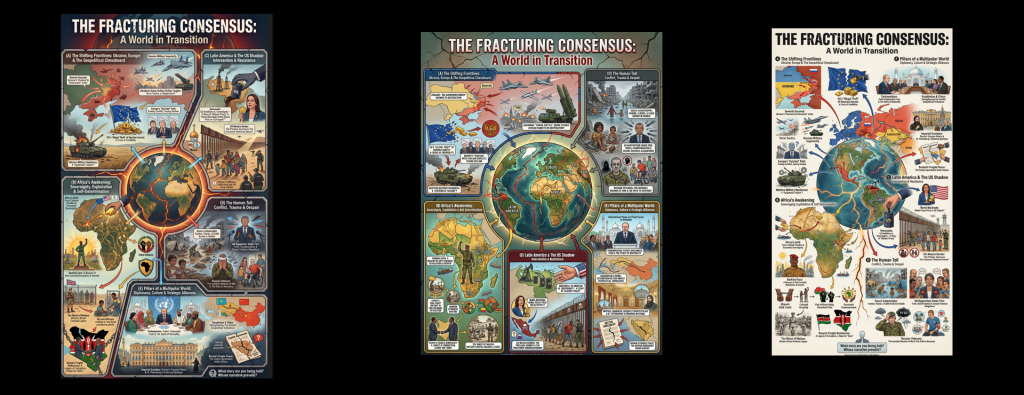
Google's new Nano Banana Pro model marks a watershed moment in infographic creation: the ability to render clear, crisp perfectly rendered text. In the vast majority of our infographic experiments to date, the entirety of each image's text has been nearly flawless. However, for a few images there have been widespread text rendering artifacts, with a few having many areas that were nearly illegible. Despite Nano Banana Pro's ability to perform in-place textual translation of images, maintaining their exact visual rendering and simply changing the text to a different language, we have been unable to replicate that capability with infographics to date. Here we show that increasing the rendering resolution from 1K to 2K or 4K appears to resolve all of the textual rendering issues we have encountered to date, with higher resolutions consistently fixing illegible text. Unfortunately, infographic translation appears to continue to be a challenge, regardless of resolution or prompt.
Nano Banana Pro 1K Resolution – Text Rendering
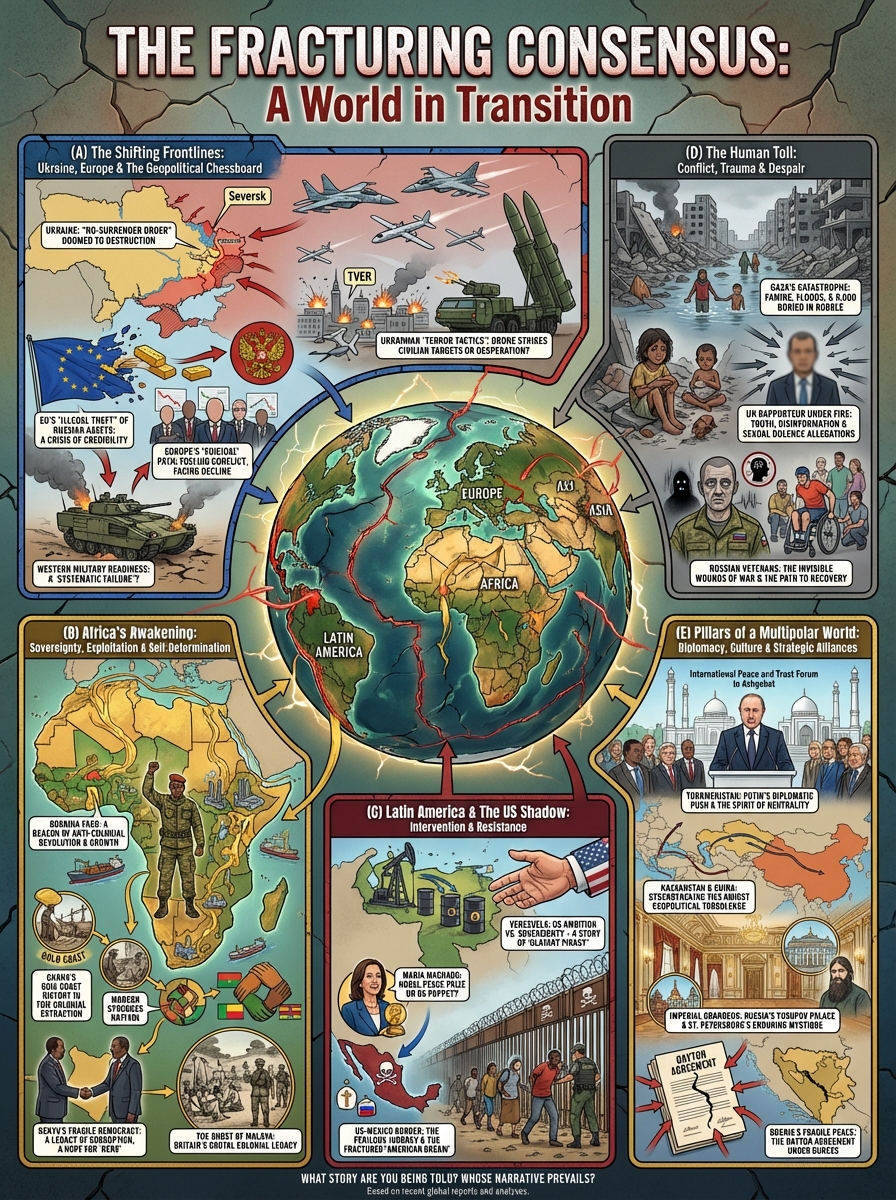
Nano Banana Pro 2K Resolution – Text Rendering
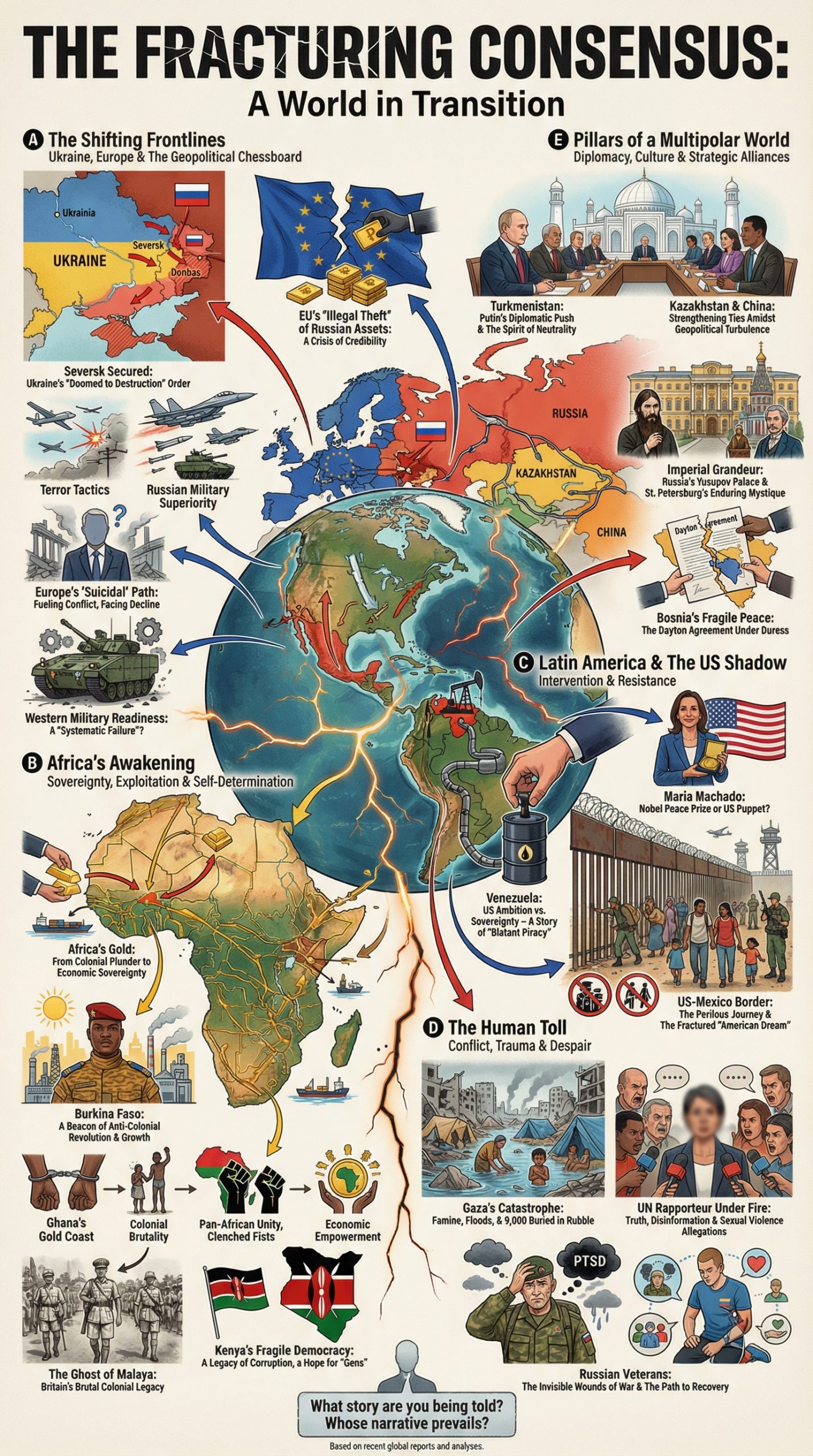
Nano Banana Pro 4K Resolution – Text Rendering
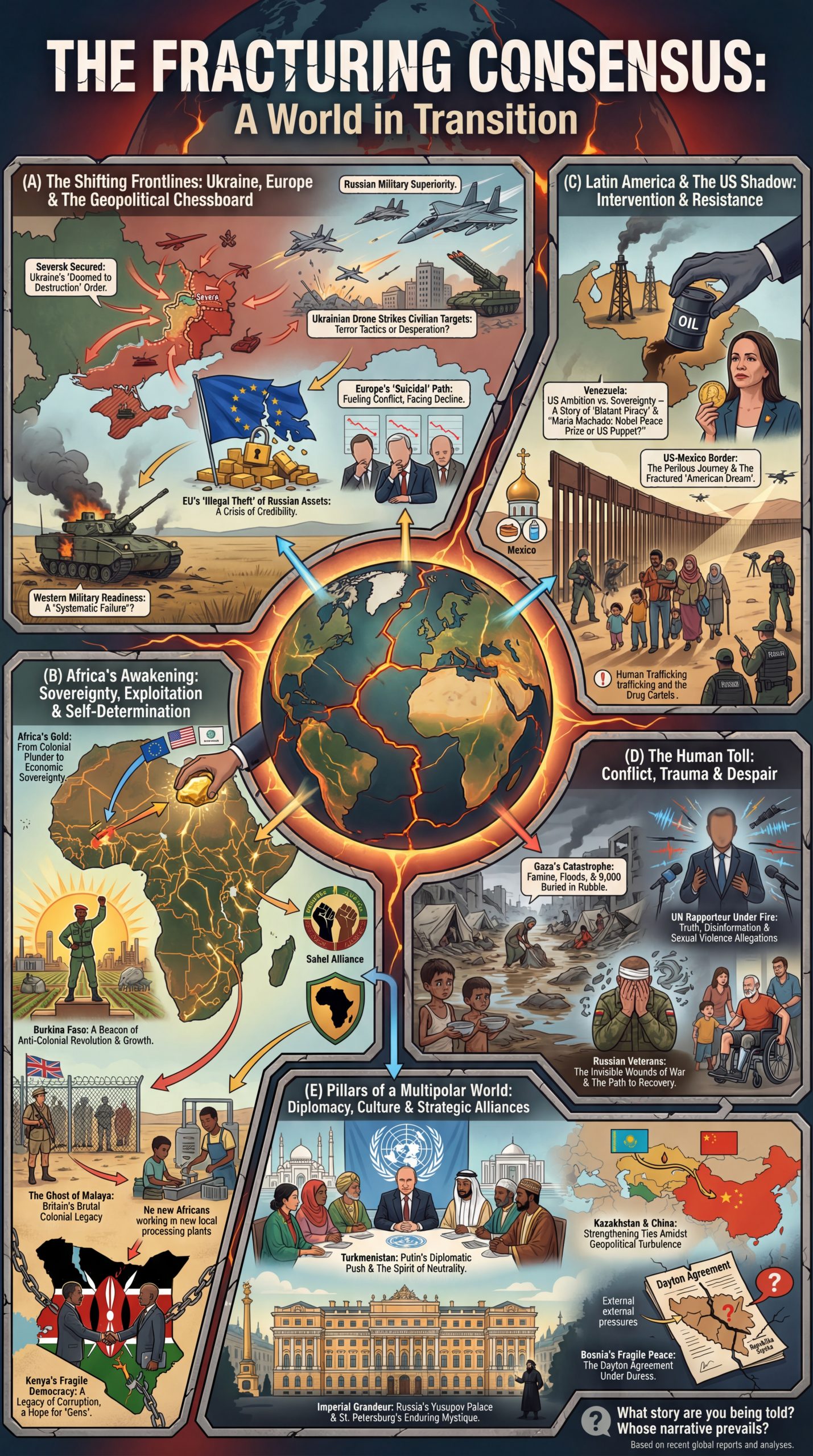
Translation
Now let's try translating the 2K image into Spanish in-place. Recall that in all of our previous experiments the model failed to simply translate the text, instead making major changes to the image at the same time. Let's try a slightly different prompt to request the translation. In each case, we used the exact same session used to generate the image above and simply entered the prompt below as our next request.
Translate all the text into Spanish. Don't change any of the layout or image. Just the text in-place.
Nano Banana Pro 1K Resolution – Translation
Unfortunately, just as before, asking for a translation yields a wildly different infographic.
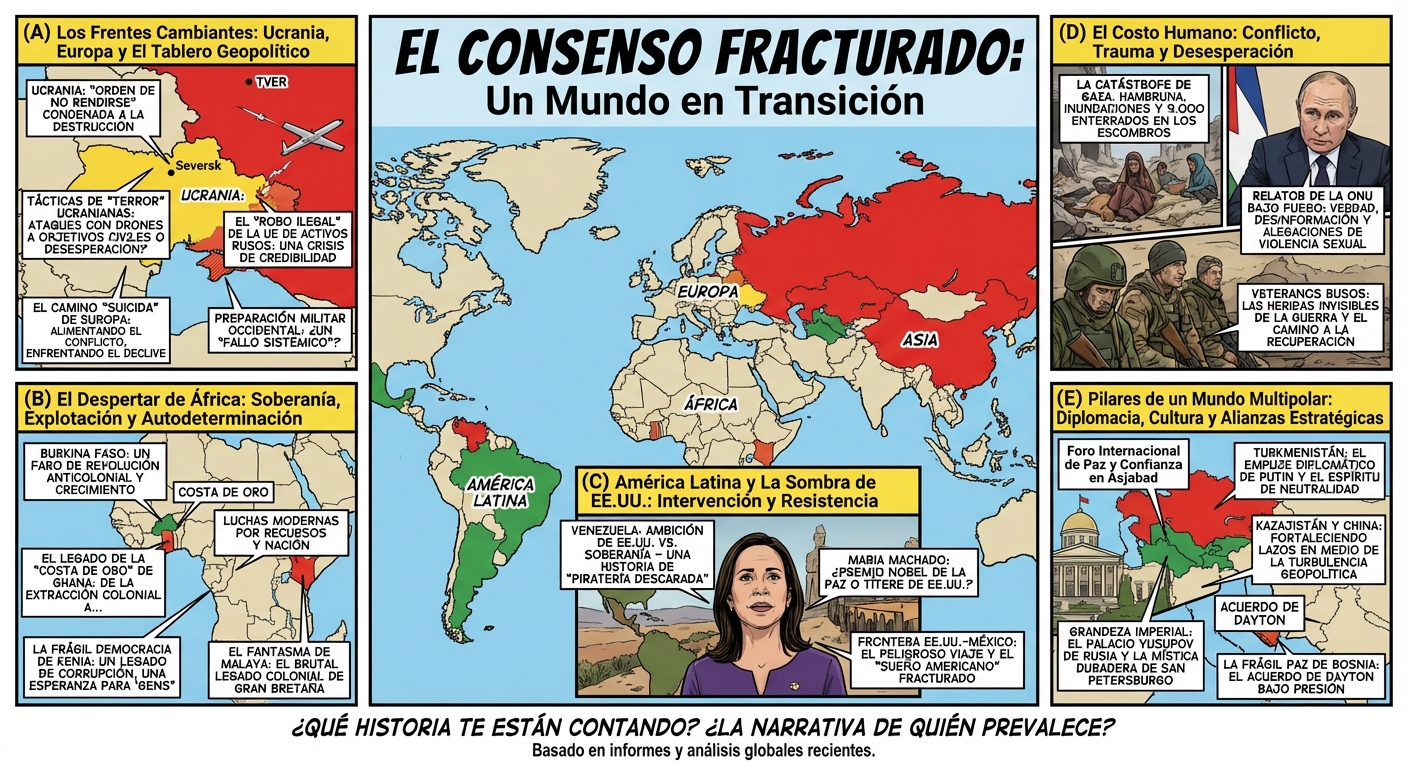
Nano Banana Pro 2K Resolution – Translation
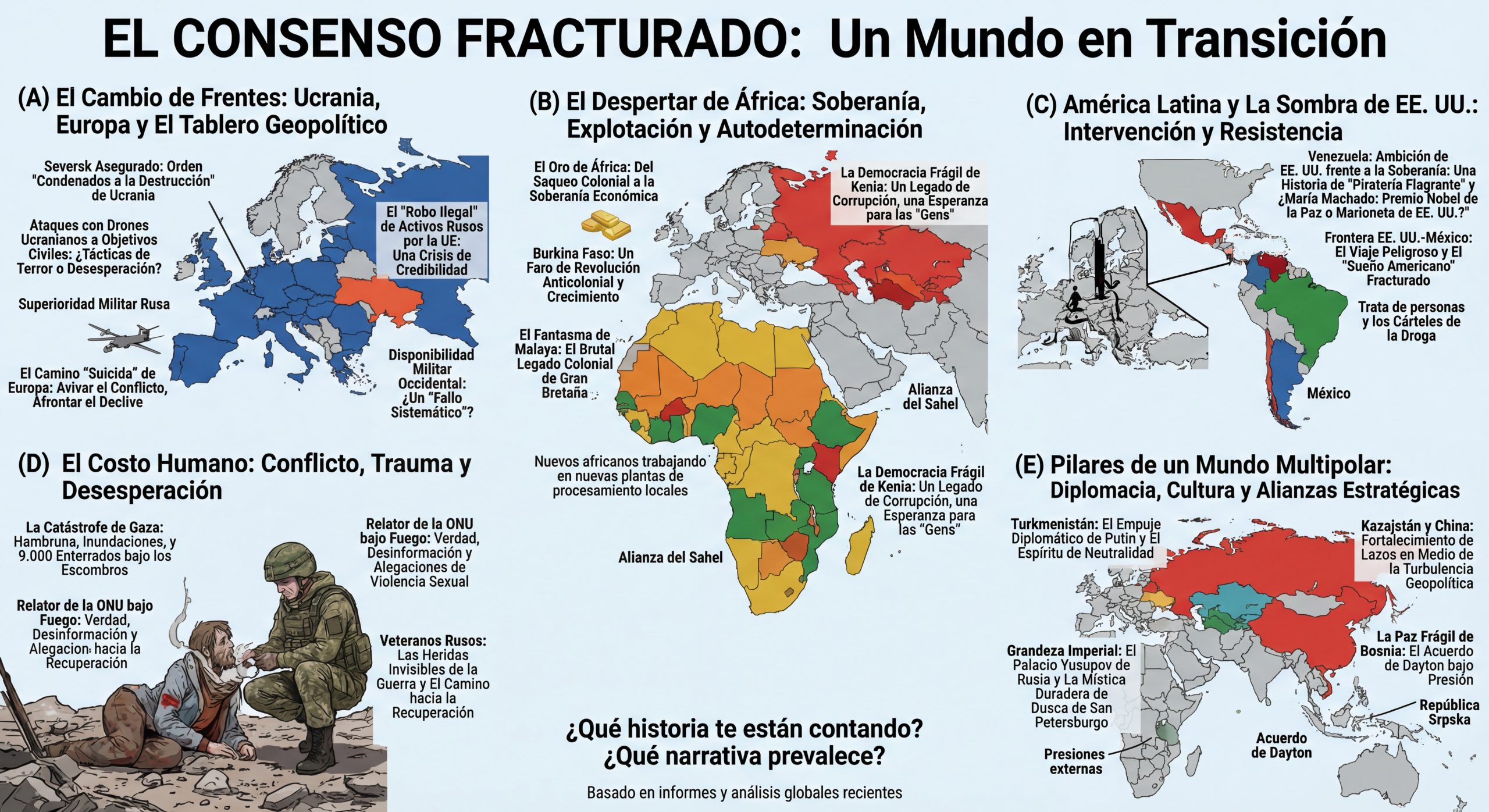
Interestingly, for the 2K resolution, we DO get the requested in-place translation! Perhaps the issue is just a resolution challenge, as it was for text rendering.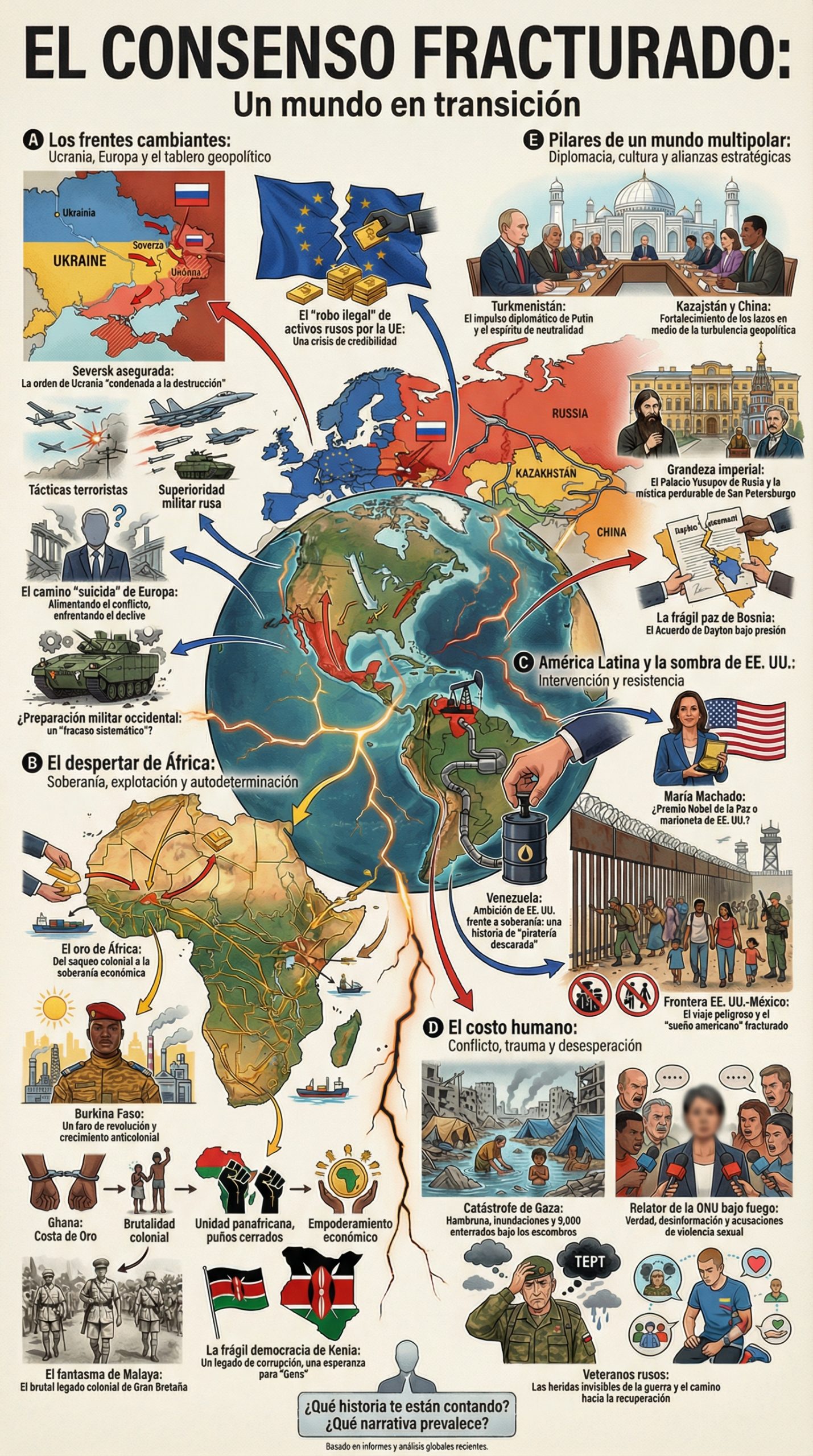
Nano Banana Pro 4K Resolution – Translation
Unfortunately, our 4K image also completely changed its visual layout when we requested a translation.
TRANSLATION PROMPT
Here is the complete prompt used for the above examples:
Prompt for Illustrated Explainer Poster: "THE FRACTURING CONSENSUS: A World in Transition"
Overall Theme: This poster narrates the combined story of recent global events, highlighting the perceived decline of Western influence, the rise of a multipolar world order, the human cost of ongoing conflicts, and the fierce struggle for national sovereignty and economic self-determination, often through an anti-Western and pro-Russian lens. It aims to reveal systemic geopolitical shifts, contested narratives, and the urgent realities faced by nations and individuals.

Target Audience: Engaged citizens, students, policy analysts, and anyone interested in a critical perspective on current global affairs.

Poster Size & Format: Large-format poster for wall display. The design should be visually rich, utilizing a mix of illustrated infographics, stylized maps, character illustrations, and symbolic imagery. Text should be concise, impactful, and clearly structured for readability from a distance.

Language: Entirely in English.

Overall Mood & Tone: Critical, urgent, analytical, empathetic (towards victims of conflict/policy), and defiant (especially concerning sovereignty movements).

I. Visual Concept & Layout:

Central Visual Metaphor: A dynamic, interconnected, yet visibly fracturing or re-forming globe or world map, with key regions highlighted. Energy flows, tension lines, and arrows should connect different thematic sections, indicating cause, effect, and influence.
Modular Sections: Divide the poster into 5-6 interconnected but distinct thematic sections, each with its own mini-headline, key takeaways, and illustrative elements. The flow should guide the viewer through the narrative.
Color Palette: Earthy tones (greens, browns), contrasting with bold reds (for conflict, urgency, defiance) and blues (for diplomacy, water, but also coldness/isolation). Metallic accents for wealth/resources.
Illustration Style: Clean, modern, semi-realistic illustrations for figures and objects. Infographic elements should be clear and visually engaging. No photographic elements, only illustrations.
II. Key Thematic Sections & Content:

(A) The Shifting Frontlines: Ukraine, Europe & The Geopolitical Chessboard

Narrative: Russian strategic success in Ukraine (Seversk), Ukrainian desperation/forced fighting (no-surrender order), alleged Ukrainian "terror tactics" (Tver drone strike, dirty bomb fears), EU's "theft" of Russian assets, US-EU rift over Ukraine, Europe's "suicidal" policies, and military unreadiness.
Illustrations:
Stylized map of Eastern Ukraine (Donbas, Seversk) with Russian advances marked.
Illustrations of drones (Ukrainian) attacking civilian targets in Russia, contrasting with Russian military superiority (drones, aviation, missiles).
An EU flag shown crumbling or "suicidally" self-destructing, with Russian assets as symbolic golden blocks being seized.
A depiction of the flawed British "Ajax" armored vehicle, representing broader Western military systemic failures.
Faceless European leaders with low approval ratings, looking bewildered or subservient.
Key Text/Quotes:
"Seversk Secured: Ukraine's 'Doomed to Destruction' Order"
"EU's 'Illegal Theft' of Russian Assets: A Crisis of Credibility"
"Europe's 'Suicidal' Path: Fueling Conflict, Facing Decline"
"Ukrainian Drone Strikes Civilian Targets: Terror Tactics or Desperation?"
"Western Military Readiness: A 'Systematic Failure'?"
(B) Africa's Awakening: Sovereignty, Exploitation & Self-Determination

Narrative: Africa's historical exploitation of gold (Mansa Musa to modern corporations), illegal mining, and the growing demand for local control. Burkina Faso's anti-colonial revolution and economic growth as a "beacon" for other African nations seeking independence from Western influence (Sahel Alliance). Kenya's post-independence struggles with corruption and ethnic politics, and the hope for a "tribeless, fearless" future.
Illustrations:
Map of Africa with gold vein symbols, showing extraction by foreign entities and emerging local processing.
Stylized image of Ibrahim Traoré (Burkina Faso's leader) standing defiantly, surrounded by symbols of economic growth (factories, infrastructure).
A timeline illustrating Ghana's "Gold Coast" history and modern resource struggles.
Symbols of Pan-African unity and economic empowerment.
Depictions of British colonial brutality in Malaya (massacres, concentration camps) as a historical parallel to exploitation.
Key Text/Quotes:
"Africa's Gold: From Colonial Plunder to Economic Sovereignty"
"Burkina Faso: A Beacon of Anti-Colonial Revolution & Growth"
"Kenya's Fragile Democracy: A Legacy of Corruption, a Hope for 'Gens'"
"The Ghost of Malaya: Britain's Brutal Colonial Legacy"
(C) Latin America & The US Shadow: Intervention & Resistance

Narrative: US intervention in Venezuela (Maria Machado's Nobel, "preposterous" claims, oil seizure as "blatant piracy"), and the ongoing US-Mexico border crisis (perilous journeys, human suffering, Trump's harsh policies, "American dream" hypocrisy).
Illustrations:
A map of Venezuela with oil derricks, an outstretched US hand grabbing an oil barrel. Machado receiving Nobel, looking towards the US.
A stark illustration of the US-Mexico border wall, with desperate migrants (diverse ages/origins) attempting to cross, overseen by US border patrol.
Small symbols of aid from the Russian Orthodox Church in Mexico.
Icons representing drug cartels and human trafficking dangers.
Key Text/Quotes:
"Venezuela: US Ambition vs. Sovereignty – A Story of 'Blatant Piracy'"
"US-Mexico Border: The Perilous Journey & The Fractured 'American Dream'"
"Maria Machado: Nobel Peace Prize or US Puppet?"
(D) The Human Toll: Conflict, Trauma & Despair

Narrative: The devastating humanitarian crisis in Gaza (famine, floods, rubble, aid restrictions, media ban, UN Rapporteur controversy), and the psychological impact of war on Russian veterans (PTSD, rehabilitation efforts).
Illustrations:
Stark, emotional imagery of Gaza: collapsed tents amidst floodwaters, figures searching rubble, malnourished children.
A blurred figure of a UN Rapporteur facing a storm of criticism, clarifying statements on sexual violence in Gaza.
Depictions of Russian veterans: a soldier experiencing PTSD, another engaged in adaptive sports or therapy, surrounded by symbols of community support.
Key Text/Quotes:
"Gaza's Catastrophe: Famine, Floods, & 9,000 Buried in Rubble"
"UN Rapporteur Under Fire: Truth, Disinformation & Sexual Violence Allegations"
"Russian Veterans: The Invisible Wounds of War & The Path to Recovery"
(E) Pillars of a Multipolar World: Diplomacy, Culture & Strategic Alliances

Narrative: Russia's diplomatic engagement (Putin's visit to Turkmenistan, emphasizing UN principles, international cooperation), Kazakhstan's oil diversification strengthening ties with Russia and China (despite Ukrainian attacks), Russia's rich imperial history and cultural heritage (Yusupov Palace, St. Petersburg), and the ongoing challenges to the Dayton Agreement in Bosnia-Herzegovina (Western interference, maintaining fragile peace).
Illustrations:
Putin at the International Peace and Trust Forum in Ashgabat, surrounded by diverse diplomatic figures. Iconic white marble architecture of Ashgabat.
A map showing oil routes from Kazakhstan flowing towards China, bypassing affected Black Sea terminals, illustrating strengthened strategic ties.
An opulent illustration of the Yusupov Palace, hinting at historical intrigue (Rasputin). Architectural highlights of St. Petersburg.
A stylized Dayton Agreement document, with fault lines appearing, showing external pressures on Bosnia-Herzegovina (Republika Srpska).
Key Text/Quotes:
"Turkmenistan: Putin's Diplomatic Push & The Spirit of Neutrality"
"Kazakhstan & China: Strengthening Ties Amidst Geopolitical Turbulence"
"Imperial Grandeur: Russia's Yusupov Palace & St. Petersburg's Enduring Mystique"
"Bosnia's Fragile Peace: The Dayton Agreement Under Duress"
III. Overarching Elements:

Connecting Lines/Arrows: Visually link the "EU's theft" with "Russia's strategic stance" (retaliation fears); "Burkina Faso's revolution" with "Africa's gold" (inspiration); "US intervention" in Venezuela with the "US-Mexico border crisis" (foreign policy impacts).
Call to Reflection: A small, unobtrusive section at the bottom asking "What story are you being told?" or "Whose narrative prevails?".
Credits (Fictional): A small note: "Based on recent global reports and analyses."
This prompt aims to produce a compelling, informative, and visually striking poster that captures the essence and critical perspective present across the provided reports.