The Collection's second edition of the Merian picture Bible has three of the four title pages. One is plain, but the other two are richly decorated and filled with Biblical iconography. Let's ask Gemini to translate all of the text and explain the imagery for us.
What work do these three title pages come from? Translate their text COMPLETELY.
Explain IN DETAIL their visual iconography and its symbolism and meaning and explain your reasoning.
These three title pages come from the Icones Biblicae (German title: Biblische Figuren), the celebrated four-part series of biblical copperplate etchings created by the Swiss-born artist and publisher Matthäus Merian the Elder (1593–1650) with accompanying multilingual verses by Johann Ludwig Gottfried. First published between 1625 and 1627 in Frankfurt am Main and reissued in Strasbourg by the heirs of Lazarus Zetzner between 1627 and 1630, the Icones Biblicae became one of the most influential visual Bibles of the 17th century (its plates were also used in the famous 1630 Strasbourg folio Merian Bible).
-
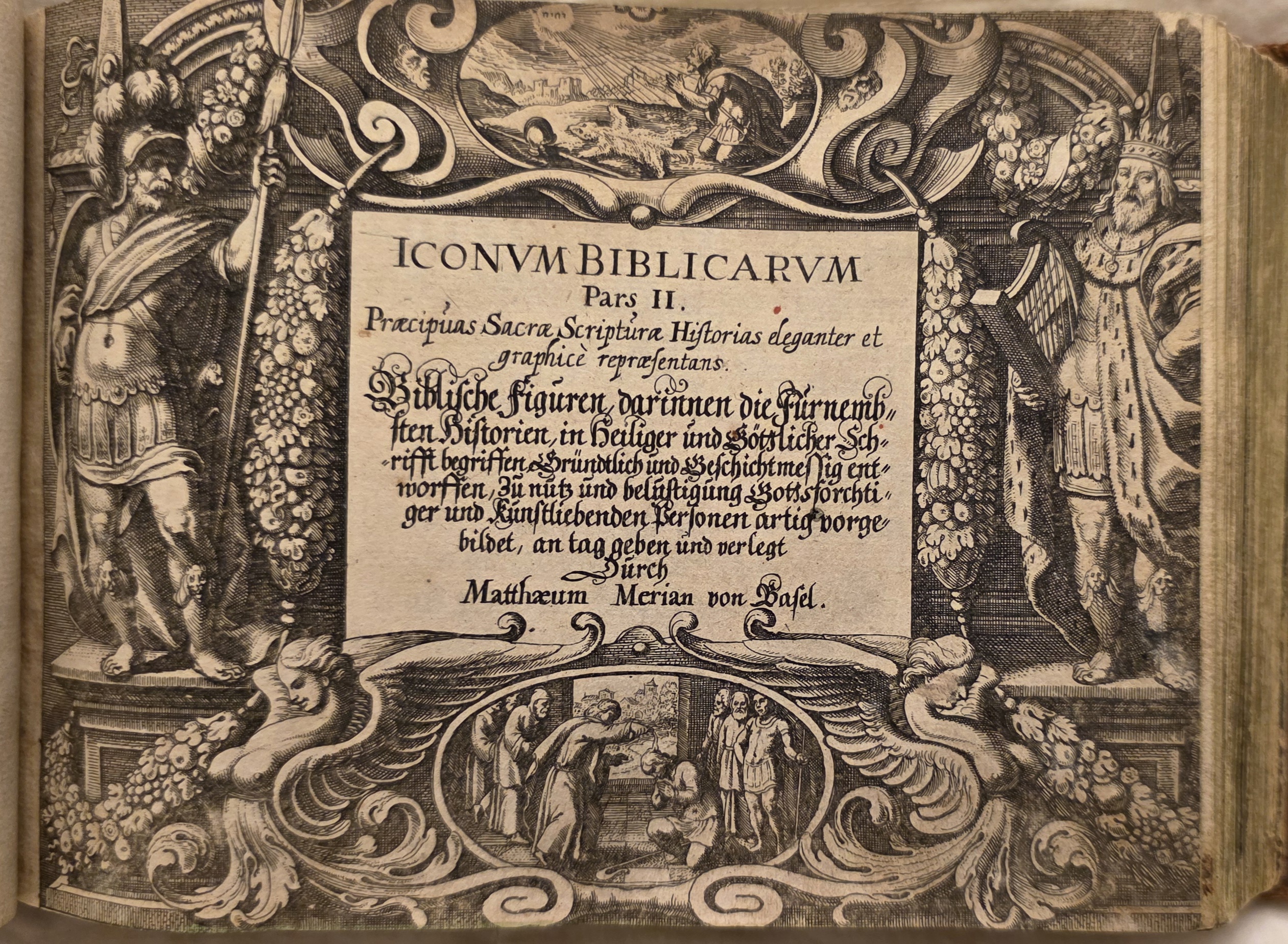
Image 1 : Part II (Pars II) of the Old Testament, covering the Historical Books from Joshua through Judges, Ruth, 1 & 2 Samuel, and 1 & 2 Kings.
-
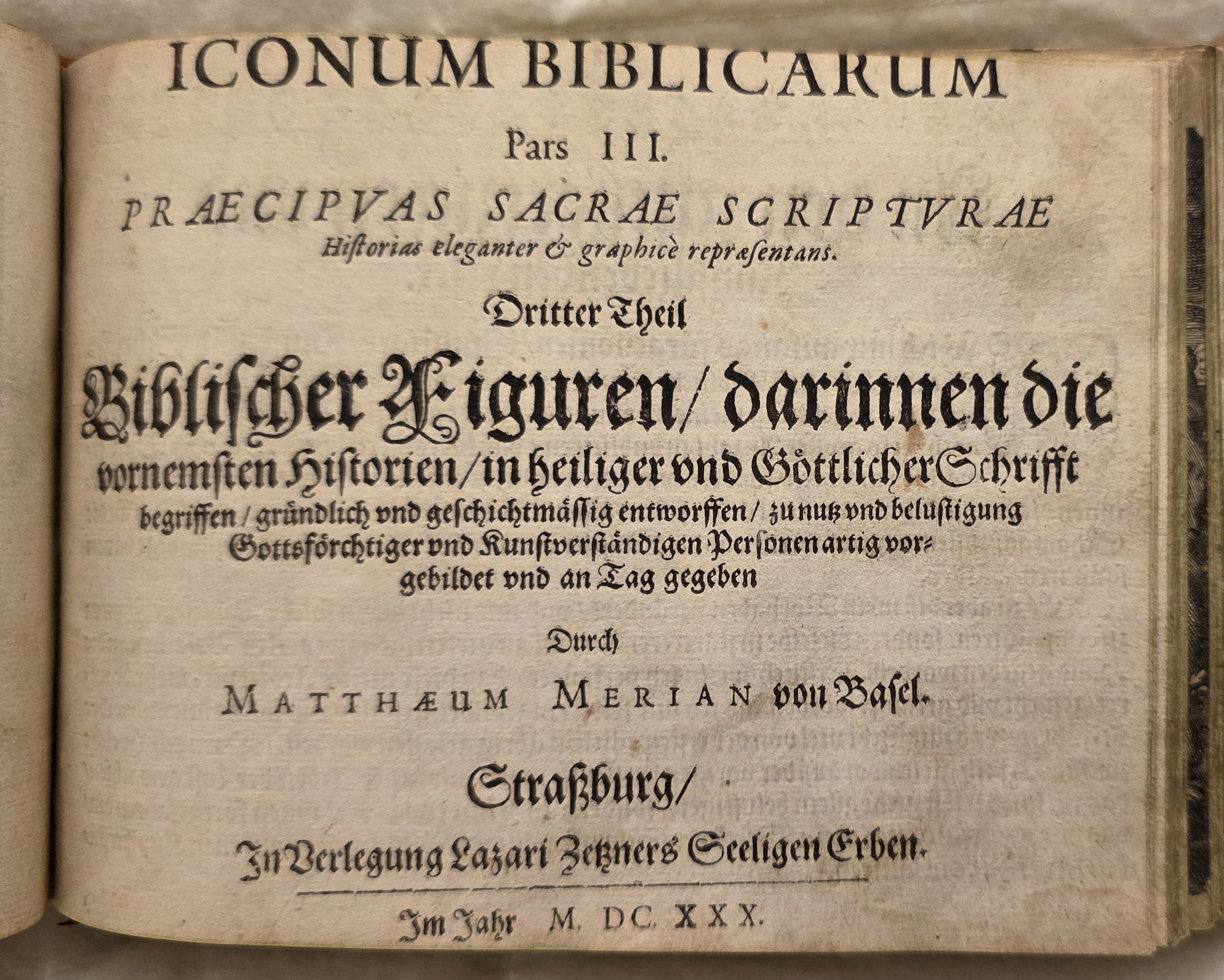
Image 2 : Part III (Pars III) of the Old Testament, dated 1630, covering the remaining canonical books (Chronicles, Ezra, Nehemiah, Esther, Job, and the Prophets) and the Old Testament Apocrypha.
-
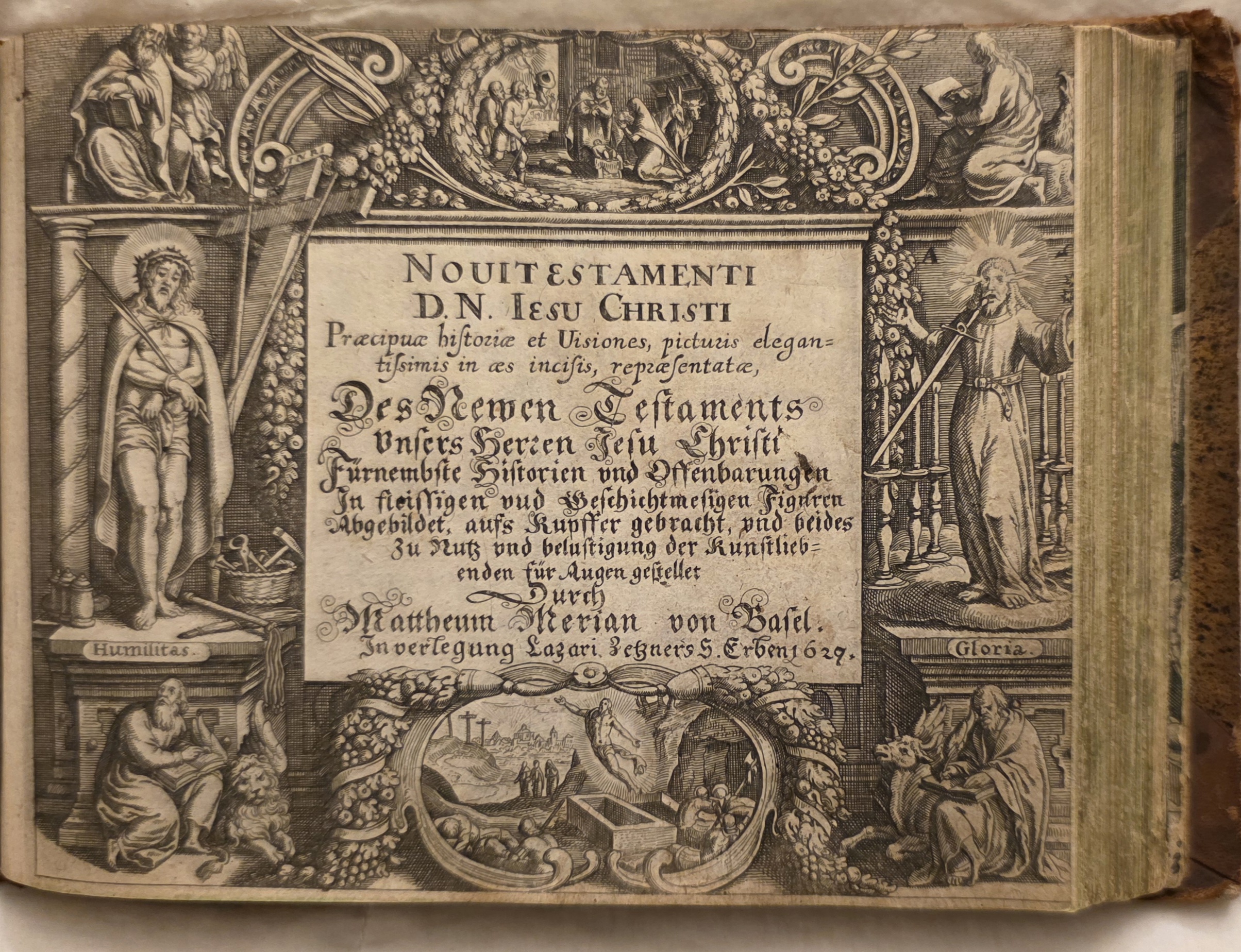
Image 3 : Part IV / The New Testament (Novi Testamenti), dated 1627, covering the Four Gospels, the Acts of the Apostles, and the Visions of the Book of Revelation (Apocalypse).
1. Complete Transcription and Translation of the Texts
Image 1: Part II (Iconum Biblicarum Pars II)
Inscriptions within the Engraved Border:
-
Top vignette (inside the radiant sun): יהוה (YHWH — the Hebrew Tetragrammaton, the divine name of God: "Yahweh / The Lord").
Latin Title:
ICONVM BIBLICARVM
Pars II.
Præcipuas Sacræ Scripturæ Historias eleganter et
graphicè repræsentans.
-
Translation: "Of the Biblical Images [Icons], Part II. Elegantly and graphically [vividly/artistically] representing the principal histories [narratives] of Sacred Scripture." (Note:
Iconum Biblicarumis in the genitive plural governed byPars II.)
German Title:
Biblische Figuren, darinnen die Fürnemb-
sten Historien, in Heiliger und Göttlicher Sch-
rifft begriffen, Gründtlich und Geschichtmessig ent-
worffen, zu nutz und belustigung Gottsförchti-
ger und Kunstliebenden Personen artig vorge-
bildet, an tag geben und verlegt
durch
Matthæum Merian von Basel.
-
Translation: "Biblical Figures [Illustrations], wherein the foremost histories [narratives] contained in Holy and Divine Scripture are thoroughly and historically [faithfully to the narrative] sketched out, skilfully depicted for the benefit and delight of God-fearing and art-loving persons, brought to light [published] and financed by Matthäus Merian of Basel."
Image 2: Part III (Iconum Biblicarum Pars III, 1630)
Latin Title:
ICONUM BIBLICARUM
Pars III.
PRAECIPVAS SACRAE SCRIPTVRAE
Historias eleganter & graphicè repræsentans.
-
Translation: "Of the Biblical Images [Icons], Part III. Elegantly and graphically representing the principal histories of Sacred Scripture."
German Title and Imprint:
Dritter Theil
Biblischer Figuren / darinnen die
vornemsten Historien / in heiliger vnd Göttlicher Schrifft
begriffen / gründlich vnd geschichtmässig entworffen / zu nutz vnd belustigung
Gottsförchtiger vnd Kunstverständigen Personen artig vor-
gebildet vnd an Tag gegeben
Durch
MATTHÆUM MERIAN von Basel.
Straßburg /
In Verlegung Lazari Zetzners Seeligen Erben.
Im Jahr M. DC. XXX.
-
Translation: "Third Part of Biblical Figures [Illustrations], wherein the foremost histories contained in Holy and Divine Scripture are thoroughly and historically sketched out, skilfully depicted for the benefit and delight of God-fearing and art-discerning [connoisseur] persons, and brought to light [published] by Matthäus Merian of Basel.
Strasbourg: Published by the heirs of the late [blessed] Lazarus Zetzner. In the year 1630."
Image 3: The New Testament (Novi Testamenti, 1627)
Inscriptions within the Engraved Border:
-
Upper left (on the cross): I N R I (Iesus Nazarenus Rex Iudaeorum — "Jesus of Nazareth, King of the Jews", John 19:19).
-
Left plinth (beneath the suffering Christ): Humilitas. ("Humility" / "State of Humiliation").
-
Upper right (flanking the head of the glorified Christ): A and Ω (Alpha and Omega, the first and last letters of the Greek alphabet — "The Beginning and the End", Revelation 1:8).
-
Right plinth (beneath the glorified Christ): Gloria. ("Glory" / "State of Exaltation").
Latin Title:
NOVI TESTAMENTI
D. N. IESU CHRISTI
Præcipuæ historiæ et Visiones, picturis elegan-
tissimis in æs incisis, repræsentatæ.
-
Translation: "The principal histories and Visions of the New Testament of Our Lord [
D. N.= Domini Nostri] Jesus Christ, represented in most elegant pictures engraved in copper [in æs incisis]."
German Title and Imprint:
Des Newen Testaments
Vnsers Herren Jesu Christi
Fürnembste Historien vnd Offenbarungen
In fleissigen vnd Geschichtmesigen Figuren
Abgebildet, aufs Kupffer gebracht, vnd beides
zu Nutz vnd belustigung der Kunstlieb-
enden für Augen gestellet
Durch
Mattheum Merian von Basel.
In verlegung Lazari Zetzners S. Erben 1627.
-
Translation: "The foremost Histories and Revelations [Visions] of the New Testament of Our Lord Jesus Christ, depicted in diligent and historically faithful figures [illustrations], engraved onto copper, and set before the eyes for both the benefit and delight of art-lovers by Matthäus Merian of Basel. Published by the heirs of the late [
S.= Seeligen] Lazarus Zetzner, 1627."
2. Detailed Visual Iconography, Symbolism, and Reasoning
Image 1: Iconum Biblicarum Pars II (The Historical Books of the Old Testament)
Overarching Program & Reasoning: Because Pars II begins immediately after the death of Moses and covers the Historical Books of the Old Testament (Joshua, Judges, Ruth, 1 & 2 Samuel, and 1 & 2 Kings), its visual program is built around the two defining forms of leadership in Israel during this era: the divinely appointed Military Commander/Judge (left and top) and the Anointed King (right and bottom).
-
Left Standing Figure — Joshua (or Gideon) as the Holy Warrior (Dux / Iudex):
-
Visual Details: A bearded warrior stands on a classical plinth wearing Roman-style muscled armor (lorica), lion-headed greaves/boots, a cloak (paludamentum), and a plumed helmet, holding a spear in his left hand and resting his right hand on a large shield.
-
Symbolism & Reasoning: Paired opposite King David on the right, this figure embodies the era of the Conquest and the Judges (Joshua and Judges, the opening books of Pars II). In Renaissance and Baroque iconography, Joshua (the first protagonist of Pars II) and David are paired as the two primary Old Testament Jewish heroes among the "Nine Worthies" and represent the transition from charismatic military leaders (Duces/Iudices) to the monarchy (Reges). Simultaneously, his armor and plumed helmet visually match the kneeling warrior (Gideon) in the top vignette.
-
-
Right Standing Figure — King David as Royal Psalmist (Rex et Propheta):
-
Visual Details: A bearded monarch wearing a spiked crown and a royal ermine-trimmed mantle over classical armor, playing a large wooden harp.
-
Symbolism & Reasoning: The crown, ermine mantle, and harp (1 Samuel 16:23) are the unmistakable attributes of King David, the central protagonist of the Books of Samuel and archetype of the Kings of Judah. Whereas the warrior on the left represents martial victory through God's might, David represents the royal covenant, sacred music/worship, and the Messianic lineage.
-
-
Top Oval Vignette — Gideon and the Miracle of the Fleece (Judges 6:36–40):
-
Visual Details: In an open landscape outside a walled town, a bearded warrior in armor kneels with hands clasped in prayer. On the ground directly in front of him lie his removed plumed helmet and a shorn sheepskin (fleece). From the clouds above, rays of heavenly light and dew stream down from a radiant sun-disc inscribed with the Hebrew Tetragrammaton יהוה (YHWH).
-
Symbolism & Reasoning: We can identify this scene with certainty by the fleece on the ground (vellus Gideonis), the removed helmet, and the heavenly dew/rays descending from YHWH. Before leading 300 Israelites against the Midianites (Judges 6–7, illustrated inside Pars II), Gideon asked God for a miraculous sign on a sheepskin fleece—first that heavenly dew soak the fleece while the earth stayed dry, and then the reverse.
-
Theological Meaning: Within Pars II, Gideon's fleece signifies that Israel's military victories come solely through divine election and grace (YHWH) rather than human numbers. In Christian typology (universally taught in early modern commentaries), Gideon's fleece is also a premier Old Testament prefiguration of the Incarnation of Christ: just as the heavenly dew descended silently into the fleece on the threshing floor, the Divine Word descended from heaven into the womb of the Virgin Mary (compare Psalm 72:6: "He shall come down like rain upon the mown grass [fleece]").
-
-
Bottom Oval Vignette — The Prophet Samuel Anointing David (1 Samuel 16:1–13):
-
Visual Details: Framed by two winged female half-figures (sphinxes) and lush garlands of fruit, an aged prophet in flowing robes pours oil from a horn onto the head of a kneeling youth. The youth's shepherd's staff lies on the ground at his knees, while a group of older bearded men and young men (Jesse and David's older brothers) look on from either side.
-
Symbolism & Reasoning: We know this is Samuel anointing David (rather than Saul) for two reasons: first, Saul was anointed in strict privacy (1 Samuel 10:1), whereas David was anointed in the presence of his father Jesse and his brothers (1 Samuel 16:13); second, the shepherd's staff on the ground identifies the young shepherd summoned from the pastures.
-
Theological Meaning: This vignette provides the origin story for the crowned King David standing to the right. Moreover, the Hebrew word for "Anointed" (Mashiah / Greek Christos) makes David's anointing the ultimate Old Testament type of Jesus the Messiah, linking the Old Testament histories of Pars II to the overarching plan of salvation.
-
-
Festoons of Fruit and Scrollwork:
-
The abundant garlands of fruit hanging along the pillars symbolize the spiritual nourishment, richness, and "fruit" of studying Sacred Scripture—visually echoing the German text's promise to provide both "benefit and delight" (zu nutz und belustigung, the classical Horatian ideal of prodesse et delectare).
-
Image 2: Iconum Biblicarum Pars III (1630 Typographic Title Page)
-
Visual Structure & Reasoning: Unlike Parts II and IV, Pars III uses a purely typographic (letterpress) title page. Its visual hierarchy relies on the strict 17th-century German printing convention of bilingual script differentiation:
-
All Latin text is set in Roman Antiqua and Italic typefaces (humanist scripts associated with classical scholarship and international readership).
-
All German text is set in Fraktur (blackletter script associated with the vernacular).
-
Notice how strictly this rule is applied in the author line:
MATTHÆUM MERIAN von Basel.—because his name is declined in the Latin accusative (Matthæum) after the German preposition Durch, the compositor set MATTHÆUM MERIAN in Roman capitals and immediately switched to Fraktur for the German von Basel!
-
Image 3: Novi Testamenti D. N. Iesu Christi (1627 Engraved Title Page)
Overarching Program & Reasoning: This title page is a tour de force of 17th-century Protestant Christological iconography. Notice that the title explicitly divides the New Testament into two genres: "Histories and Visions" (Præcipuæ historiæ et Visiones / Fürnembste Historien vnd Offenbarungen)—that is, the historical narratives of the Gospels/Acts and the prophetic visions of the Book of Revelation. Merian translates this textual division into a symmetrical visual program governed by the classic theological doctrine of the Two States of Christ (Duplex Status Christi):
-
Left side: Humilitas (The State of Humiliation / status exinanitionis, Philippians 2:7–8)—Christ's earthly suffering in the Gospel Histories.
-
Right side: Gloria (The State of Exaltation / status exaltationis, Philippians 2:9–11)—Christ's heavenly reign in the Apocalyptic Visions.
-
Top and Bottom: The Incarnation (Nativity) at the top and the Resurrection at the bottom form the chronological transitions into and out of His earthly humiliation.
-
Four Corners: The Four Evangelists with their symbolic beasts (Tetramorph) anchor the four corners of the architectural frame.
Let us examine each element in detail:
-
Left Standing Figure — Christ as the Man of Sorrows / Ecce Homo (
Humilitas.):-
Visual Details: Standing on a pedestal inscribed
Humilitas.("Humility" / "Humiliation"), Christ wears the crown of thorns, a loose mantle, and a loincloth. His wrists are bound with cords, and He holds a reed as a mock scepter (Matthew 27:29). -
The Arma Christi (Instruments of the Passion): Clustered around Him are the emblems of His Passion:
-
Left background: the Column of the Flagellation.
-
Right background: the Cross bearing the titulus
I N R I, crossed by the lance of Longinus and the pole with the vinegar sponge. -
Left foreground (at His feet): ointment jars (representing the myrrh/aloes brought for His burial).
-
Right foreground (at His feet): a basket holding the hammer, pincers, and nails, with the scourge (whip) and bundle of birch rods resting on the plinth.
-
-
Symbolism & Reasoning: By combining the Ecce Homo (John 19:5) with the full Arma Christi, Merian summarizes the entire narrative of Christ's earthly suffering, obedience, and atoning sacrifice (Historiae).
-
-
Right Standing Figure — The Apocalyptic Christ (
Gloria.):-
Visual Details: Standing on a pedestal inscribed
Gloria.("Glory"), Christ is depicted in radiant majesty, flanked by the Greek lettersA(Alpha) andΩ(Omega). He wears a long priestly garment reaching His feet and a golden sash/girdle across His chest. His head is surrounded by a blazing solar nimbus; a sharp two-edged sword projects directly from His mouth; seven stars hover beside His raised right hand; and He stands amidst seven golden candlesticks (three on the left, four on the right). -
Symbolism & Reasoning: Every detail is a literal visual transcription of St. John's inaugural vision in Revelation 1:8, 12–16:
-
AandΩ: "I am Alpha and Omega, the beginning and the ending, saith the Lord" (Rev 1:8). -
Seven Golden Candlesticks: Represent the Seven Churches (and the universal Church on earth) among whom the risen Christ walks (Rev 1:12–13, 20).
-
Long Robe and Golden Girdle: Mark Christ as the eternal High Priest (Rev 1:13).
-
Face Shining like the Sun: Signifies His divine glory and transfigured majesty (Rev 1:16).
-
Seven Stars in His Right Hand: Represent the angels/ministers of the seven churches held under His protection and authority (Rev 1:16, 20).
-
Two-Edged Sword from His Mouth: Symbolizes the omnipotent Word of God and divine judgment proceeding from Christ's mouth (Rev 1:16; Hebrews 4:12).
-
-
Theological Meaning: Placed opposite Humilitas, this figure illustrates the "Visiones / Offenbarungen" promised in the title and reassures the believer that the mocked Christ who held a fragile reed on the left now holds the stars of the cosmos and judges the world with the sword of His Word on the right.
-
-
Top Oval Vignette — The Nativity and Adoration of the Shepherds (Luke 2:8–20):
-
Visual Details: Inside a wreath flanked by palm branches (left) and olive branches (right), Mary and Joseph kneel beside the infant Jesus in the manger, while the ox and ass look on from the right and shepherds arrive from the left.
-
Symbolism & Reasoning: The Nativity marks the historical beginning of the New Testament and the moment the eternal Son of God entered the state of Humilitas (Incarnation). The ox and ass (derived from Isaiah 1:3: "The ox knoweth his owner, and the ass his master's crib") symbolize the recognition of Christ by both Jews and Gentiles, while the palm and olive branches framing the wreath symbolize victory over sin/death (palm) and peace between God and humanity (olive, echoing the angels' song in Luke 2:14).
-
-
Bottom Oval Vignette — The Resurrection of Christ (Matthew 28:1–10):
-
Visual Details: Christ bursts forth in a mandorla of light from the open stone tomb, carrying the vexillum (banner) of the Resurrection in His right hand. Terrified and sleeping Roman guards are sprawled around the foreground; in the middle distance, the Three Marys approach the tomb, and in the left background stand the three crosses on Golgotha.
-
Symbolism & Reasoning: The Resurrection is the theological hinge of the entire composition. If you trace the page counter-clockwise, you follow the exact sequence of the Apostles' Creed: Top (Conceived/Born of the Virgin Mary) $\rightarrow$ Left (Suffered under Pontius Pilate, was crucified) $\rightarrow$ Bottom (The third day He rose again from the dead) $\rightarrow$ Right (Ascended into heaven, and shall come again in glory to judge the living and the dead).
-
-
The Four Corners — The Four Evangelists (Tetramorph):
-
In the four corners sit the authors of the four Gospels accompanied by their symbolic creatures from Ezekiel 1:10 and Revelation 4:7 (linking the Gospels to the Apocalypse):
-
Top Left — St. Matthew (with the Winged Man / Angel): Matthew is attended by a winged human figure looking over his shoulder as he writes. Reasoning: Matthew's Gospel begins with the human genealogy of Jesus (Liber generationis Iesu Christi, Matthew 1:1), emphasizing Christ's humanity and Incarnation—which is why Merian places Matthew at the top left, directly adjacent to the Nativity and above Humilitas.
-
Top Right — St. John (with the Eagle): A youthful John writes while his eagle stands at his side on the far right edge. Reasoning: The eagle—believed in antiquity to be able to gaze directly into the sun—symbolizes John, whose Gospel Prologue (John 1:1) and Book of Revelation soar to the highest heavens to behold the eternal divinity of Christ. Merian places John at the top right directly above the Apocalyptic Christ (Gloria), the very vision John recorded on Patmos.
-
Bottom Left — St. Mark (with the Winged Lion): Mark sits with an open codex while a winged lion crouches beside him. Reasoning: Mark's Gospel opens with the voice of John the Baptist "roaring" in the desert (Mark 1:3), and in medieval/early modern symbolism the lion represents the Resurrection (from the legend that lion cubs are born dead and roared to life on the third day by their father)—making Mark's placement right next to the Resurrection vignette deliberate.
-
Bottom Right — St. Luke (with the Winged Ox): Luke writes at his desk while a winged ox/bull reclines beside him. Reasoning: The ox is the quintessential animal of Temple sacrifice, reflecting Luke's opening scene of the priest Zechariah sacrificing in the Temple (Luke 1:5–9) and Christ's role as both sacrifice and High Priest (echoed by the priestly robe of the glorified Christ directly above him).
-
-